
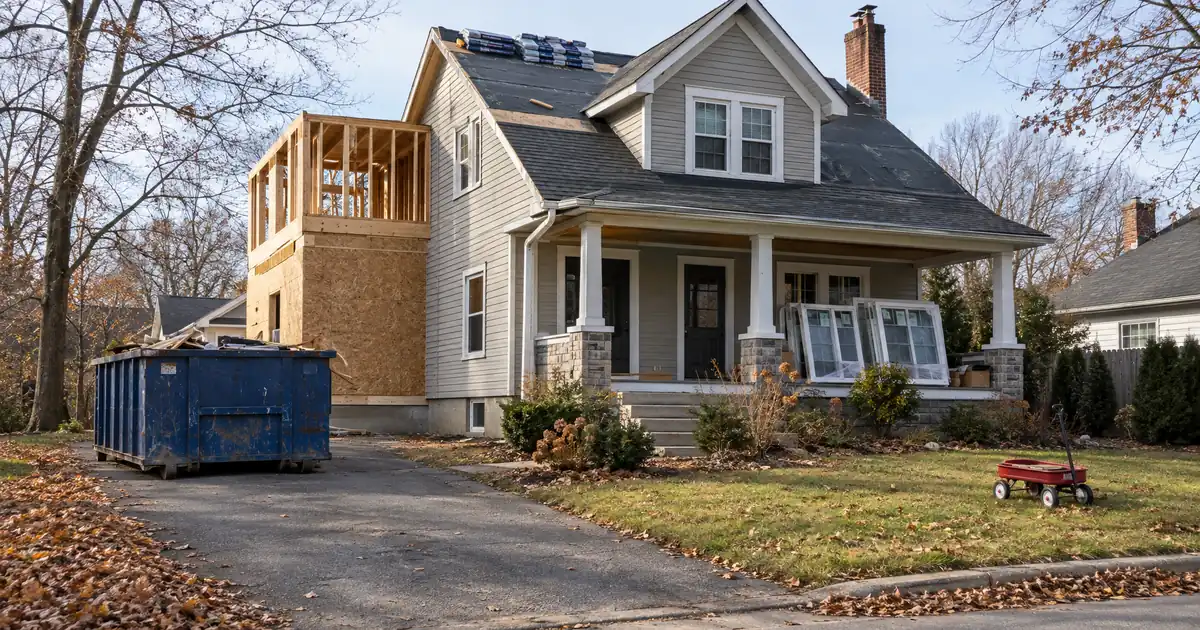
The Quick Read: A reconsideration of value is a request, routed through the lender or broker, that the appraiser reassess a report because of documented errors, omissions, or better comparable sales. It is not a negotiation, and it never promises a higher number. When a hard money bridge is running out of time, it is a more affordable first step, but only if the miss was in value and not in rent or seasoning.
- The lender’s appraisal sets the loan, not your after-repair value.
- Send the request through the lender or broker, never to the appraiser directly.
- Documented errors win more often than opinion disputes.
- A value fix does not repair a rent miss or a seasoning problem.
- Know the fallback before you file, because the bridge clock keeps running.
Why the Appraisal Decides the Exit
The refinance appraisal does two jobs. It sets the value that caps the loan, and it supplies the market-rent opinion that drives the coverage ratio. Single-family files typically carry a rent schedule (Form 1007 is the form name). Two-to-four unit files use a small income property report (Form 1025) with the rent analysis built in, per Fannie Mae’s appraisal forms reference. Those are form names only. DSCR is not an agency product.
DSCR Calculator
Run the numbers in your market
Rate source: Freddie Mac 30-yr average via FRED® — Federal Reserve Bank of St. Louis · effective Oct 15, 2026
Prefilled with starting assumptions — enter your own rent or nightly figures, taxes, insurance, and HOA for a more accurate picture.
Program parameters update from Lendmire’s centralized guideline source. Taxes and insurance are editable estimates.
As of Oct 15, 2026 · General Freddie Mac market benchmark, not a Lendmire loan offer. Rent, nightly rate, occupancy, taxes, and insurance are editable estimates. Short-term rental figures are estimates only and vary significantly by season, property type, management approach, and local short-term-rental rules — confirm local regulations before relying on them. Qualifying income for short-term rentals varies by program — some use appraisal market rent, others use documented STR history or projections — and is confirmed in underwriting. Not a Loan Estimate, approval, or commitment to lend. Program availability and eligibility are subject to lender guidelines, credit approval, property review, and underwriting.
Your ARV is a planning number. It was useful when the bridge was sized. It is not an underwriting input on the takeout.
On the exit side, the DSCR loan that pays off hard money is built on the DSCR sheet, not the bridge sheet. A cash-out refinance on a standard rental tops out around 75% LTV across most of the network, with about 6 months of seasoning measured from title recording. Rate-and-term refinances can run higher but return no cash. Those figures are typical ranges, subject to lender guidelines. The bridge side is different: hard money refinance leverage is a separate, lower number, and the two programs do not share a ceiling.
Key Terms Defined
Reconsideration of value (ROV): A lender-routed request asking the appraiser to reassess the report based on errors, omissions, or new information.
Break-even appraisal: The value at which the DSCR loan just covers the bridge payoff plus exit costs.
Cost basis: Purchase price plus documented rehab spend, which can size the loan inside the seasoning window.
Seasoning: The ownership period, counted from title recording, before cash-out sizing can lean on appraised value.
Rent schedule: The appraiser’s market-rent opinion, which feeds the coverage ratio.
Coverage ratio: rent used for lender review divided by the full monthly obligation (principal, interest, taxes, insurance, and any HOA dues).
What an ROV Actually Is (and Is Not)
There is no federal right to an ROV on a business-purpose DSCR loan. The formal framework is interagency supervisory guidance. The Federal Reserve’s SR 24-3 defines an ROV as a request from the institution to the appraiser asking them to reassess the report based on potential deficiencies or other information that may affect the value conclusion. The Federal Register notice shows the guidance as final.
That guidance is written for regulated institutions. It is a useful template for how an ROV is supposed to work, not an entitlement for an investor borrowing through a wholesale DSCR channel. Lender policy governs the process.
Two points from the template carry over in practice. The request comes from the institution, not the borrower. And the stated triggers are deficiencies: errors, omissions, or valuation methods, assumptions, or data that are unreasonable or unsupported. Disagreement alone is not a trigger.
Step by Step: How the Request Runs
1. Diagnose which number missed. Value drives loan size and cash-out. Rent drives coverage. Both can miss at once. Read the full report before anything else.
2. Test the exit math. Break-even appraisal equals the bridge payoff plus exit costs, divided by the cash-out LTV cap. Compare it to the actual appraisal. The gap tells you whether you owe cash at closing, face a smaller loan, or have a case worth filing.
3. Build the packet. Closed, in-neighborhood sales similar in size, age, and finish. An itemized rehab scope with receipts, photos, and permits. Rent comps if rent is the problem.
4. Route it through the broker or lender. The appraiser hears from the lender, not from you. Sending comps straight to the appraiser can taint the file.
5. The appraiser reassesses. The outcome is a revised value or the same value with an explanation.
6. The lender decides. It may accept a revision, order a review by another appraiser, or order a second appraisal. The lender relies on the most credible report, not the highest one.
7. Recalculate the exit. The loan is the lesser of what value allows and what rent supports.
The Federal Reserve’s guidance page lists the same resolution options for institutions: work it out with the appraiser, request an independent review, or obtain a second valuation.
Diagnose First: What an ROV Can and Cannot Fix
| Symptom | Problem type | Can an ROV act? |
|---|---|---|
| Wrong square footage or bed count | Factual error | Yes |
| Rehab left out of the report | Omission | Yes, with receipts |
| Comps with no improvements | Method or data | Sometimes |
| Value lower than hoped, comps sound | Opinion | Rarely |
| Lease and rent schedule disagree | Rent miss | Not on value |
| Inside seasoning window | Sizing rule | No |
The strongest requests point to something checkable. A wrong lot size is checkable. “The appraiser was too low” is not.
Value Clears but Rent Fails
An ROV on value does nothing for a rent miss. A lease and a rent schedule that disagree can shrink the loan or the ratio, and the file needs rent comps, not sales comps. Select DSCR programs in the network start at a 1.00 coverage floor, with stronger ratios opening better pricing and leverage. A separate select-lender path takes coverage below 1.00, with leverage and terms adjusted.
Clearing 1.00 is also not the same as positive cash flow. The ratio compares rent to the monthly obligation only. Repairs, vacancy, management, and utilities sit outside it.
DSCR vs. conventional financing
There are two common ways to finance an investment property, and they qualify you differently — here’s how investors weigh them.
Why investors choose it
- Qualifies on the property’s rental income — no personal tax returns, W-2s, or pay stubs needed to document income.
- No personal debt-to-income ceiling to clear, so existing mortgages and obligations don’t cap your borrowing the same way.
- Can be closed in an LLC, keeping the property inside a business entity.
- Built for scaling — not held to the limit on number of financed properties that conventional financing applies.
- Underwriting centers on the deal: generally qualifies when the rent covers the payment, a 1.00x coverage ratio being a common baseline (confirmed in underwriting).
- Designed specifically for investment property, including long-term and, where the program allows, short-term rentals.
Where it’s strong
- Often the lowest ongoing financing cost for a buyer who fully qualifies on personal income — a fit for a first property or a cost-first purchase.
Trade-offs for investors
- Requires full personal income documentation and must fit within a debt-to-income limit — salary, existing debts, and other mortgages all count.
- Typically held in your personal name rather than a business entity.
- Caps how many financed properties you can carry, which can become a ceiling as a portfolio grows.
- Evaluates you as a borrower as much as the property, which usually means more paperwork.
How investors usually choose: a first or single property often optimizes for the lowest financing cost; portfolio builders often optimize for leverage, vesting in an LLC, and scaling past conventional caps. The right answer depends on your goals, the property, and current guidelines — both paths run through select lenders in Lendmire’s wholesale network, with eligibility and terms confirmed in underwriting.
Where the General Rule Breaks
Seasoning. Inside the roughly 6-month window, sizing can follow cost basis (purchase plus documented rehab). If so, an ROV that lifts value does not raise the loan. The clock runs from title recording, not from the day the rehab finished. Investors who plan around appraised ARV without planning for seasoning are the ones who get caught.
Property type. A single-family file and a 2–4 unit file carry different rent analyses, so the evidence set differs. Manufactured homes, log homes, and barndominiums are not offered in the network’s DSCR programs at all, so no ROV applies.
Comps without improvements. A common failure is an appraiser using unimproved comps for a renovated subject, with a light rent estimate on top. Itemized rehab evidence is what gives the appraiser something to adjust against. Investor stories of large recoveries on challenged appraisals exist, but they are anecdotes, not typical outcomes.
Delayed financing. That exception is built for cash purchases and recovers documented cost, so it rarely rescues a hard money exit.
Appraisal copies. A separate rule governs whether an applicant receives a copy of the appraisal. That valuations rule covers first-lien dwelling loans, and whether it reaches a given business-purpose loan is a coverage question. Ask the broker how the lender handles report delivery.
What These Files Look Like
Across the wholesale network, the ROV files that go cleanly share one trait: the packet was assembled during the rehab, not after the low number landed. Photos dated before and after, a scope with receipts, and three or four closed sales that match the subject on size and finish. The ones that stall lead with an argument and no documents. Brokers see the same thing from the other side: a lender will act on a checkable error, and will not move on a feeling.
If the Value Holds: The Fallback Ladder
| Option | Consequence | Main risk |
|---|---|---|
| Bring cash to closing | Loan fits the lower value | Capital stays in the deal |
| Smaller, payoff-only loan | No cash back | Less capital for the next project |
| Second appraisal | May change the number | Can confirm or lower it |
| Extend the bridge | More runway | Extension fees and carry |
| Wait and re-appraise | Time for comps to move | Bridge maturity |
| Sell | Clean exit | Gives up the hold |
On hard money, terms run 6 to 18 months, interest-only, with leverage figures that vary by lender, property, and experience. Extension decisions belong in the plan before maturity, not after. Many investors refinance out of hard money into long-term DSCR financing once the property is stabilized, and the hard money exit refinance program is the path Lendmire brokers for that.
Plan the Exit Before the Bridge Closes
Back-solve the break-even appraisal at purchase and keep a margin above it. Document the rehab as it happens. Confirm the seasoning clock against the bridge term. Lendmire’s piece BRRRR Takeout Inputs to Stress-Test Before Hard Money Closes walks through those checks, and the complete DSCR loans guide covers how coverage, leverage, and reserves fit together. Reserves commonly run around 6 months of PITIA, vary by lender, leverage, and loan size, and step up on larger loans.
A larger down payment can lift the coverage ratio, but it never erases leverage caps, credit floors, reserve rules, or property eligibility. Credit floors start at 620 in parts of the network, with most programs wanting around 660. Everything here is subject to lender guidelines and individual underwriting. Tax treatment varies; consult a qualified professional.
If you are buying, rehabbing or refinancing an investment property on a short timeline and want to see how the numbers work, Lendmire can help you compare hard money options based on the project, the exit plan, leverage, and your goals.
Frequently Asked Questions
Can I send comps directly to the appraiser?
No. The request goes through the lender or broker. The interagency definition describes an ROV as an institution-to-appraiser request, and lender policy follows the same shape.
Will an ROV force a higher value?
No. It asks for a reassessment, not a specific number. The result can be a revision, the same value with an explanation, or a review ordered by the lender.
Does a second appraisal replace the first?
Not automatically. The lender relies on the most credible report, not the highest one, and a second report can confirm or lower the first.
Does an ROV fix a seasoning problem?
No. Inside the seasoning window, sizing can follow cost basis, so a higher value does not raise the loan. The clock runs from title recording.
What if value clears but coverage fails?
Then the issue is rent. An ROV on value will not help, so the evidence needed is rent comps and a lease that matches the schedule. Select lenders in the network also offer a sub-1.00 path with leverage and terms adjusted.
About Lendmire
As a DSCR and non-QM mortgage broker, Lendmire — NMLS# 2371349 — connects investors with wholesale lending channels across 41 markets, including Washington, D.C. The property’s rental income, not the borrower’s tax returns, is central to lender review, which works for self-employed operators and portfolios beyond four financed properties. Scotsman Guide named Lendmire a Top Mortgage Workplace in both 2025 and 2026.
Get Started
Ready to find the right loan for you?
In about 30 seconds you can review financing options available for your investment property. No commitment required.
Informational only. Not a Loan Estimate, approval, or commitment to lend. Program availability and eligibility are subject to lender guidelines, credit approval, property review, and underwriting.
References
1. Fannie Mae’s appraisal forms reference
2. Federal Reserve SR 24-3 / CA 24-4
This article is part of Lendmire’s hard money loan program — full qualification details, guidelines, and scenarios live on the program page.
Related reading: How to Refinance a Hard Money Flip Into a DSCR Loan Early · How to Underwrite a Non-Warrantable Condo on a DSCR Loan · How to Handle a Flood-Zone Determination on a DSCR Purchase
Brandon Miller
Founder & CEO, Mortgage Loan Originator, Lendmire LLC
- Mortgage Loan Originator · NMLS# 1129696 · Verify on NMLS Consumer Access
- North Carolina Real Estate Broker · License# 343312 · Verify on NCREC
- North Carolina Insurance Producer · License# 19053198 · Property, Casualty, Life, Health · Verify on NAIC SBS
- Lendmire LLC · Firm NMLS# 2371349 · Verify firm licensure
Disclosure information. Lendmire is a state-licensed mortgage brokerage under NMLS# 2371349. Lendmire is not a depository institution, direct lender, or financial advisor — all loans referenced are placed through wholesale lender partners and are subject to each lender's underwriting standards. This article is provided for general informational purposes and is not a commitment to lend, nor does it constitute financial, legal, or tax advice. Loan programs, terms, rates, and qualification standards change without notice and depend on borrower profile, property type, and the state in which the subject property is located. Equal Housing Opportunity provider. NMLS Consumer Access: nmlsconsumeraccess.org.