
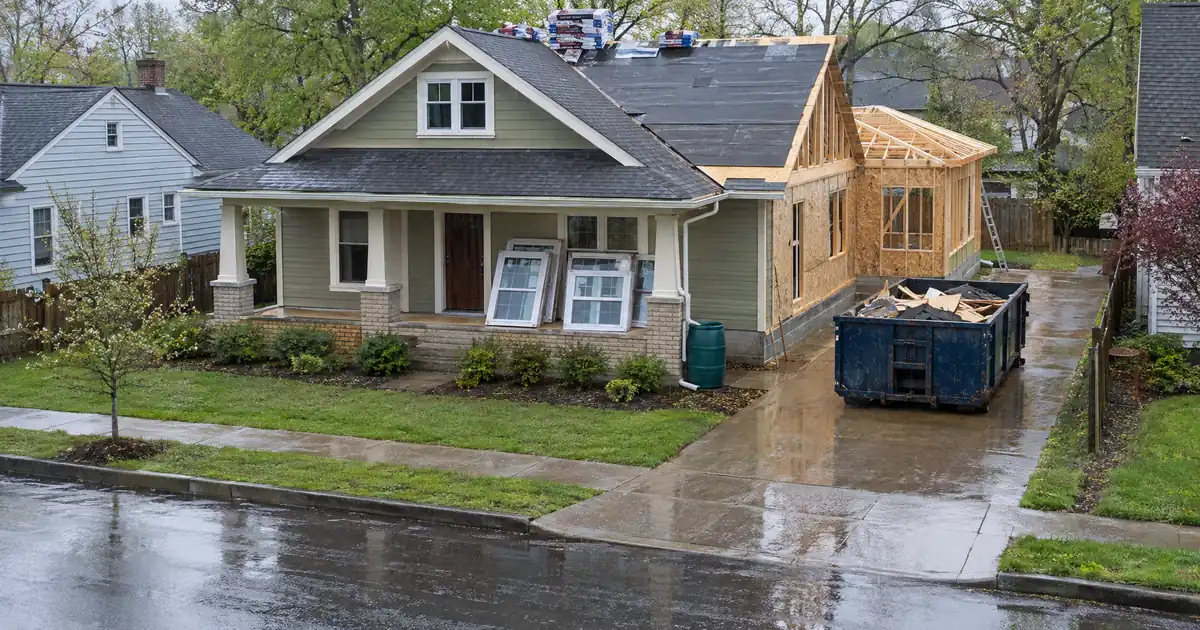
The Quick Read: Yes, a bridge loan from a hard money lender almost always needs cash or equity from you, because the lender funds only part of the price or project cost. The rest comes from your down payment, equity in a property you own, or both, plus cash for fees and carrying costs. Here is what to expect across the lenders in Lendmire’s wholesale network:
- Purchase with no rehab: leverage runs up to 80% of the purchase price, so you cover the gap.
- Purchase with rehab: leverage runs 85%, 90% or 93% of project cost, based on completed projects, and never above 75% of after-repair value.
- No true 100% purchase program exists. Up to 100% of the rehab budget can fund, but only in draws after the work is done.
- Refinance or cash-out: up to 65% of value, so your equity is the down payment.
- Rental income does not shrink the cash you bring. It matters at the exit loan, not at the bridge.
Every figure here varies by lender, property, and experience. Nothing is a commitment to lend.
What this loan actually costs to carry.
Hard money is sized against the project and priced by time. Enter the deal and see how much the program will lend, the cash required at closing, the carry while you hold it, and what is left at the exit.
Leverage tiers on the current program: 85% with fewer than 2, 90% with 2 or more, 93% with 5 or more completed projects — every tier capped at 75% of after-repair value. Loan amounts up to $5,000,000, larger by exception; terms of 6 to 18 months, interest-only, no prepayment penalty. The rehab portion funds in draws against completed work, not at closing.
Program parameters shown update from Lendmire’s centralized guideline source. Rate, points, and months are editable assumptions, not quoted terms.
Cost cap sets the loan · positive spread
Illustrative estimate only — not a quote, Loan Estimate, approval, or commitment to lend. Rate, points, and months are editable assumptions. Hard money is business-purpose financing for real estate investors, not a consumer mortgage. Leverage on the current program tops out at 93% of project cost for investors with a documented track record, capped at 75% of after-repair value, with rehab funding up to 100% of the documented budget released in draws; actual terms vary by lender, borrower experience, property, and exit. Lendmire is a mortgage broker, not a lender.
Key Terms Defined
Hard money loan: a short-term, property-secured loan from a private or non-bank lender, sized mainly on the asset and the plan. Corporate Finance Institute describes it the same way.
Bridge loan: a short-term loan that carries you to longer-term financing. Hard money describes who lends, and bridge describes what the loan is for.
Loan-to-value (LTV): the loan amount divided by the property’s value, as Corporate Finance Institute explains.
Loan-to-cost (LTC): the loan divided by your total project cost, meaning price plus rehab.
After-repair value (ARV): what the property should be worth once the work is finished.
Draw: a payment released to you after a stage of rehab is completed. It reimburses you. It is not money in advance.
Cross-collateral: pledging a second property as extra security instead of putting in cash.
DSCR: the debt service coverage ratio. It compares a property’s rent to its monthly housing obligation, meaning principal, interest, taxes, insurance, and any association dues (PITIA).
Hosting history: the record of bookings and income a short-term rental has earned on a platform.
Why Is Cash the Binding Constraint on a Bridge Loan?
Because a bridge lender sizes the loan on the property and the plan, not on your rental income. It looks at the as-is value, the after-repair value if there is rehab, your experience, and how you will pay the loan off. The rental income your future Airbnb might earn is usually not the test yet.
That is why a strong projected rental income does not lower your down payment. A house that could gross a fortune on a booking platform still gets the same leverage cap as one that could not. The cap is a percentage of price, cost, or value. The difference is yours to fund.
Short-term rentals add a wrinkle. Income is variable, and many bridge deals involve a house with no hosting history yet. The lender cares less about that than about whether the loan gets repaid, but the wrinkle returns later, at the exit.
How Much Cash Does the Leverage Cap Leave You to Fund?
On a purchase with no rehab, the network’s ceiling is up to 80% of the purchase price. You bring the other 20% at minimum, and less experienced borrowers or tighter lenders may sit lower. Run it per 100 units of price: the lender funds up to 80, and you fund 20 or more.
With rehab, the math shifts from price to project cost. Fix-and-flip leverage runs 93% of project cost for investors with five or more completed projects. It runs 90% at two or more, and 85% with fewer than two. Every tier is capped at 75% of after-repair value. The lower of the two limits wins.
Say you are a newer investor buying a dated house to turn into a rental. Leverage on the project sits at the 85% tier. You fund 15% of the total cost of buying and rehabbing. If the after-repair value cap bites harder than the cost cap, you fund more. The top tier is reserved for experienced investors.
Now the rehab piece. Up to 100% of the rehab budget can fund through draws. That figure is a share of the rehab budget, not a purchase loan-to-value. It is paid in stages after the work is completed. You front the money for each stage, then get reimbursed.
On a refinance or cash-out, there is no down payment in the usual sense. Your equity does that job, and the loan runs up to 65% of value. Own the house free and clear, and your equity is your “cash.” Own it with a big existing loan, and the new loan has to pay that off first.
What Does the Full Cash Stack Look Like?
Leverage covers only part of the cash you need. The table separates what you put in on day one from what comes back to you later.
| Cash item | Upfront or reimbursed? | Typically financed? |
|---|---|---|
| Gap between loan and price or cost | Upfront | No |
| Lender fees and closing costs | Upfront | Usually not |
| Title, insurance, appraisal | Upfront | Usually not |
| Interest-only carry payments | Ongoing | No |
| Rehab work | Fronted, then reimbursed in draws | Up to 100% of budget |
| Furnishing and launch costs | Upfront | No |
| Reserves for overruns | Held in cash | No |
Notice what fills the first column. A deal can look light on down payment and still demand a large check at closing. Fees, insurance, and the first interest-only payments all come from your own liquidity.
The loan itself is interest-only with terms of 6 to 18 months and no prepayment penalty. Interest-only keeps the monthly carry lower during the project, but the clock is real. You are paying for months of vacancy or construction before the property earns anything.
Furnishing is the line item short-term rental investors forget. A long-term rental can hit the market bare. An Airbnb needs beds, linens, kitchen supplies, and photos before the first booking. Lenders do not fund that, so it sits in your own cash plan.
Can You Buy With Little or No Cash Down?
Rarely, and only through structure, never through the loan alone. There is no true 100% purchase program in the network. If an ad says zero down, read what it describes. Often it means 100% of the rehab budget funds through draws, or that you pledged another asset instead of cash.
Here are the real ways the cash requirement shrinks:
- Use equity you already own. If you hold a free-and-clear property, lenders may take it as additional collateral, so you bring less cash to the new purchase. You are still putting something in. It is just equity, not savings.
- Climb the experience tiers. Documented completed projects raise leverage from 85% to 90% to 93% of project cost. The best terms reward a track record.
- Fund the rehab through draws. You still need working capital to bridge each stage, but the budget itself is covered.
- Show liquidity. Lenders weigh cash on hand and reserves. Strong liquidity can matter on borderline files, though it never lifts a cap.
Cross-collateral cuts both ways. It lowers your cash outlay, but it puts a second property at risk. If the bridge deal stalls, a lender could look to the extra collateral. Treat that as the cost it is.
Credit matters less than at a bank, but it still counts. Across the network, 620 is the minimum score, with additional conditions below 660. First-time investors qualify at the lower leverage tiers. Underwriting stays asset-based: the property, the plan, and the exit.
Collateral rules narrow the field too. Bridge and fix-and-flip loans cover non-owner-occupied residential property of one to four units. Commercial, hospitality, land, and owner-occupied property are not on the sheet.
DSCR loans are designed for non-owner-occupied investment properties. Because hard money loans are business-purpose investor loans, they are reviewed differently from a standard owner-occupied mortgage. The FDIC’s Truth in Lending examination guidance explains that business-purpose credit is treated separately from consumer credit. For you, the practical effect is a different paperwork set, not a smaller cash requirement.
That paperwork usually includes an entity such as an LLC, a personal guarantee, a personal financial statement, proof of experience, proof of funds, and a written exit plan. Loan amounts run up to $5,000,000, and larger by exception. Lenders in the network are active in 41 markets, including Washington, D.C.
What Does Leverage Versus Cash to Close Really Look Like?
Leverage is a percentage of the deal. Cash to close is everything you wire. They are not the same number. Compare two versions of the same purchase, one purchase-only at the 80% ceiling and one with a rehab budget, to see the difference.
| Item | Purchase only | Purchase plus rehab |
|---|---|---|
| Leverage basis | Share of price | Share of total project cost |
| Gap you fund at closing | At least 20% of price | Remainder of project cost, depending on tier |
| Rehab cash | Not applicable | Fronted, reimbursed through draws |
| Fees, insurance, carry | Upfront | Upfront |
| Value cap that can bind | Value | 75% of ARV |
In the rehab version, the headline percentage looks higher. But you must also carry each stage of work until the draw arrives. A borrower who budgets only the gap, and forgets the carry, runs short midway.
A practitioner note from the files that come through the network: the most common surprise is not the gap itself. It is the sequence. Cash goes out in a clump at closing, goes out again during rehab, and comes back in pieces. Investors who map that timeline on one page before committing tend to avoid the worst cash squeezes.
How Does the Exit Decide How Much Cash You Really Need?
The exit is the loan that pays off your bridge, and its ceiling is lower than the bridge’s. For most short-term rental investors, the exit is a DSCR refinance. Many investors refinance out of hard money into long-term DSCR financing once the property is stabilized, and Lendmire brokers that path. For the details, see Lendmire’s piece How to Refinance Out of a Hard Money Loan on a Short-Term Rental.
Now look at the leverage gap. A bridge purchase can run up to 80% of price. A short-term rental refinance on a DSCR program sits around 70% LTV on short-term-rental collateral, and a cash-out on that collateral also tops out at 70%. If the appraisal lands near what you paid, the gap is roughly 10% of value, and you fund it at payoff. A light appraisal widens it.
The second test is history. For short-term rentals, DSCR lenders typically expect a 640+ credit score and about 12 months of hosting history, with coverage thresholds that vary by program and by whether the loan is a purchase or a refinance. A third-party projection tool such as AirDNA can support income, and the appraiser’s long-term market rent is a common fallback. That rent comes from Form 1007 on a single-family home and Form 1025 on a two-to-four unit property.
Remember what coverage measures. It compares rent to PITIA only. Clearing 1.00 does not mean positive cash flow, because repairs, vacancy, management, utilities, and capital spending sit outside the calculation. Select lenders in the network also have a separate path that takes coverage below 1.00, with leverage and terms adjusted.
Terms run 6 to 18 months, and no multi-year bridge option exists on the current program. If hosting history is not ready when the term ends, you need an extension from the lender or fresh cash. Neither is guaranteed. So plan the cash around the exit, not around the bridge.
When the permanent loan is a purchase, a larger down payment lowers the monthly payment and can lift the coverage ratio. It never erases leverage caps, credit floors, reserve rules, or property eligibility. The strongest files clear both tests: enough equity and enough rental coverage. Lendmire’s article Short-Term Rental DSCR Down Payment Rules on a Purchase vs Cash-Out covers that permanent-loan side.
Bridge Loan or DSCR Purchase: Which Fits?
If the property is already rentable and meets program rules, a DSCR purchase may cost you less cash than a bridge plus a later refinance. A bridge earns its place when the house needs work, is vacant, or has no hosting history yet.
| Factor | Hard money bridge | DSCR purchase on an STR |
|---|---|---|
| Underwritten mainly on | Property, plan, exit | Rental income vs payment, plus credit |
| Purchase leverage | Up to 80% of price (no rehab) | Up to 75% LTV on STR purchases |
| Term | 6-18 months, interest-only | Long-term, 30-year fixed spine |
| Credit floor | 620, extra conditions below 660 | 640+ for STR files |
| Best fit | Needs work or no history | Rentable, history or projection supports it |
Leverage on a short-term-rental purchase through DSCR tops out at 75%, so the bridge can look more generous on paper. It is not always cheaper in cash, though. You pay carrying costs twice and take on refinance risk. For the full picture, the complete DSCR loans guide walks through how the permanent loan works.
Honestly, this is a close call on many deals. The bridge helps when speed of acquisition or rehab scope is the issue. The DSCR purchase helps when the house is turnkey and the investor wants fewer moving parts.
Common Mistakes
Treating the leverage cap as the cash needed. The cap sets the gap. Fees, carry, furnishing, and reserves come on top.
Assuming rental projections lower the down payment. At the bridge stage, they do not. They matter for the takeout.
Sizing the bridge at its cap with no exit cushion. A light appraisal or missing hosting history can leave you funding a payoff gap.
Forgetting that draws reimburse. Investors who budget the rehab as already funded find out at the first stage that they have to front it.
Reading a marketing line as a program. A claim of zero down or no credit review usually describes one slice of the deal, such as rehab funding. It does not describe the whole purchase.
Skipping the local rules. Short-term rental rules can vary by city, county, HOA, and property type, so investors should confirm local rules before relying on projected rental income.
Pre-Commitment Checklist
Before you sign a bridge term sheet, confirm five things:
1. The leverage basis: LTV, LTC, or ARV-capped.
2. Your total cash: gap, fees, insurance, carry, furnishing, reserves.
3. The exit loan you will use and its ceiling.
4. When hosting history or a projection will be ready.
5. That the property type and your entity are eligible, since lender requirements vary.
Tax treatment varies; consult a qualified professional.
Frequently Asked Questions
Can I buy a short-term rental with no money down using hard money?
Not through a true 100% purchase program, because none exists in the network. Zero-cash structures usually rely on pledged equity in another property, and you still need cash for fees and carry. Experienced borrowers get the best leverage tiers, but the top tier is still a share of project cost, not of everything.
Does hard money cover the rehab on a short-term rental?
Up to 100% of the rehab budget can fund, but in draws after work is completed. You front each stage and get reimbursed. Overall leverage is still capped at 75% of after-repair value, whatever the cost-based tier is.
Do I need hosting history to get the bridge loan?
Usually not. The bridge is sized on the property, the plan, and the exit. Hosting history matters at the exit, because DSCR lenders typically want about 12 months of it on short-term rentals, or a supported projection.
What if my refinance does not appraise high enough?
You would have to cover the gap at payoff, ask for more time, or find another exit. Because the DSCR refinance on short-term-rental collateral sits around 70% LTV and a bridge purchase can run up to 80% of price, a flat appraisal leaves a gap near 10% of value. Keep reserves for that.
Is a bridge loan or a DSCR purchase loan better for an Airbnb?
A DSCR purchase fits a property that is rentable now and supported by income. A bridge fits a house that needs work or has no history. Compare total cash, carry, and refinance risk, not the label on the loan.
Next Step
If you are buying, rehabbing or refinancing an investment property on a short timeline and want to see how the numbers work, Lendmire can help you compare hard money options based on the project, the exit plan, leverage, and your goals. Any estimate from the site’s calculator is illustrative only. Your cash picture will always depend on the lender, the property, and your experience, and short-term rental markets reward investors who plan the exit before the purchase.
For current guidelines and terms, see Lendmire’s DSCR loan programs page.
About Lendmire
Lendmire, NMLS# 2371349, is a mortgage brokerage focused on investor financing, arranging DSCR loans in 40 states plus Washington, D.C. — 41 markets total. Qualification is based on the property’s income rather than personal income documentation, subject to lender guidelines, making it a fit for LLC-held rentals and scaling portfolios. Scotsman Guide named Lendmire a Top Mortgage Workplace in both 2025 and 2026.
Get Started
Ready to find the right loan for you?
In about 30 seconds you can review financing options available for your investment property. No commitment required.
Informational only. Not a Loan Estimate, approval, or commitment to lend. Program availability and eligibility are subject to lender guidelines, credit approval, property review, and underwriting.
References
1. Corporate Finance Institute: Hard Money Loan
2. Corporate Finance Institute: Loan to Value Ratio
3. FDIC: Truth in Lending Act examination guidance
4. AirDNA
This article is part of Lendmire’s hard money loan program — full qualification details, guidelines, and scenarios live on the program page.
Related reading: Should a Short-Term Rental Owner Switch Policies at Renewal for DSCR? · Ski Cabin Insurance Requirements for a Short-Term Rental Loan · Short-Term Rental DSCR Loan to Buy Out Siblings or a Partner
Brandon Miller
Founder & CEO, Mortgage Loan Originator, Lendmire LLC
- Mortgage Loan Originator · NMLS# 1129696 · Verify on NMLS Consumer Access
- North Carolina Real Estate Broker · License# 343312 · Verify on NCREC
- North Carolina Insurance Producer · License# 19053198 · Property, Casualty, Life, Health · Verify on NAIC SBS
- Lendmire LLC · Firm NMLS# 2371349 · Verify firm licensure
Compliance and disclosures. Lendmire (NMLS# 2371349) is a licensed mortgage broker and is not a direct lender, depository institution, financial advisor, or tax professional. Content in this article is general market analysis and educational information — not financial, legal, or tax advice for any specific situation. Lendmire does not guarantee loan approval; every transaction is subject to underwriting by the funding lender. Mortgage pricing and loan program guidelines are subject to change at any time without notice and vary by borrower characteristics, property type, and state regulations. Lendmire complies with Equal Housing Opportunity. Licensure verification: NMLS Consumer Access.