
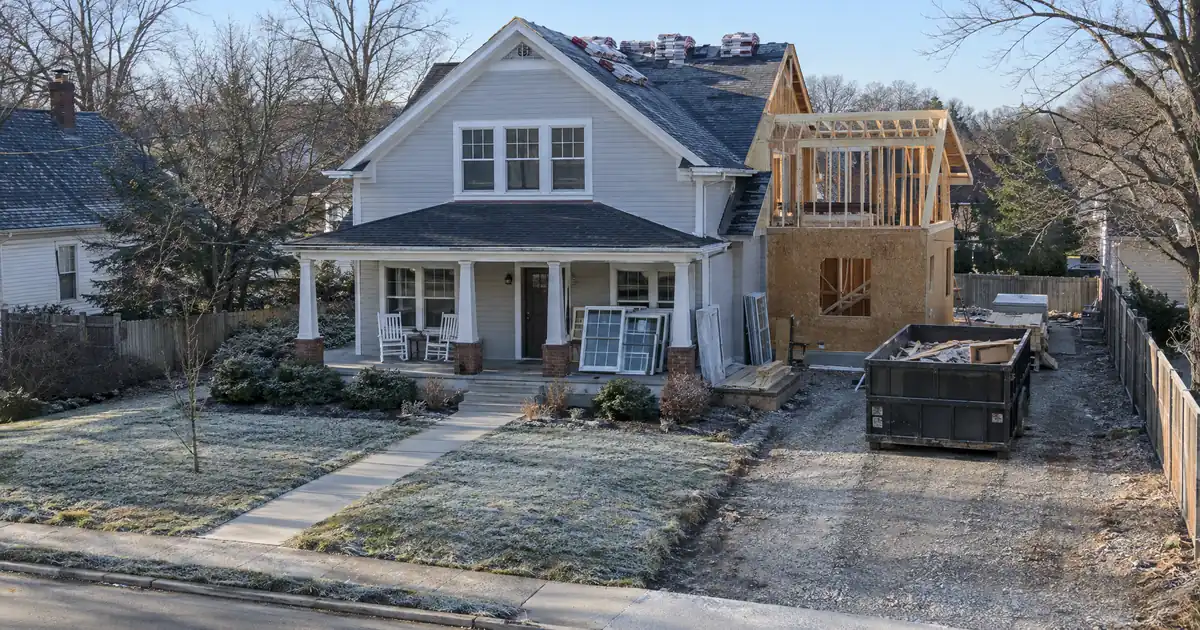
The Quick Read: Yes, a single family rental is one of the most common properties for a hard money bridge loan, as long as the home is non-owner-occupied, held for business, and paired with a clear exit such as a sale or a refinance into long-term rental financing, with approval subject to lender guidelines. Everything below varies by lender, property, and borrower experience.
- Eligible property: non-owner-occupied residential, one to four units, held as a business-purpose investment.
- Structure: terms of 6 to 18 months, interest-only payments, no prepayment penalty, and loan amounts up to $5,000,000 (larger by exception).
- Leverage: a bridge purchase without rehab goes up to 80% of purchase price, and a refinance goes up to 65% of value. Rehab budgets can fund up to 100% in draws against completed work.
- Credit: a 620 minimum score, with additional conditions below 660.
- Exit: a sale, or a refinance into long-term DSCR financing once the property is stable. Final terms depend on the lender’s guidelines, the property type, and the borrower’s complete credit picture.
Hard Money and Bridge Loans: Same Product, Two Labels?
The two terms overlap heavily, but they describe different things. Hard money describes the source of the capital, usually a private or non-bank lender. Bridge describes the job the loan does, which is to carry a property between an acquisition and a permanent loan or a sale.
What this loan actually costs to carry.
Hard money is sized against the project and priced by time. Enter the deal and see how much the program will lend, the cash required at closing, the carry while you hold it, and what is left at the exit.
Leverage tiers on the current program: 85% with fewer than 2, 90% with 2 or more, 93% with 5 or more completed projects — every tier capped at 75% of after-repair value. Loan amounts up to $5,000,000, larger by exception; terms of 6 to 18 months, interest-only, no prepayment penalty. The rehab portion funds in draws against completed work, not at closing.
Program parameters shown update from Lendmire’s centralized guideline source. Rate, points, and months are editable assumptions, not quoted terms.
Cost cap sets the loan · positive spread
Illustrative estimate only — not a quote, Loan Estimate, approval, or commitment to lend. Rate, points, and months are editable assumptions. Hard money is business-purpose financing for real estate investors, not a consumer mortgage. Leverage on the current program tops out at 93% of project cost for investors with a documented track record, capped at 75% of after-repair value, with rehab funding up to 100% of the documented budget released in draws; actual terms vary by lender, borrower experience, property, and exit. Lendmire is a mortgage broker, not a lender.
A single family rental loan from a private lender is often both at once. It is hard money because of who funds it. It is a bridge because it has a short term and an exit.
The distinction matters because it tells you what to ask. Ask a hard money lender about the asset, the plan, and your experience. Ask about the bridge function and you get to the real question, which is how the loan gets repaid.
Which Single Family Rentals Qualify?
Most single family homes qualify if they are non-owner-occupied residential property of one to four units. A practitioner guide to investment-property bridge loans lists single family homes, two-to-four unit buildings, condos, and multifamily as eligible collateral. It also says an exit strategy is required.
Condition and occupancy decide how the file is structured, not whether a house is allowed. Three situations come up most often:
- Vacant and move-in ready. The loan carries the property while you lease it. This is the cleanest bridge file.
- Needs work. The loan funds the purchase and the rehab together. Leverage is sized on project cost and capped against after-repair value. Rehab money is released in draws as work is completed.
- Tenant-occupied but not yet bankable. The lease may be short, the rent below market, or the paperwork thin. The bridge buys time to fix that before a permanent lender looks at it.
Some lenders will also refinance an existing rental, up to 65% of value on a refinance. That is a different use than acquisition, and it carries a lower leverage cap.
Not everything is eligible. Commercial buildings, land, and owner-occupied homes sit outside this program. A small number of states and cities are excluded, so availability is confirmed property by property.
How Do Lenders Underwrite These Loans?
Underwriting is asset-based. The lender looks at the property’s value, the scope of work if there is one, your experience, and the exit. Personal income documentation carries much less weight than it would on a standard mortgage, which the same investment bridge loan guide also notes.
Leverage depends on what you are doing and how much experience you have:
- Bridge purchase, no rehab: up to 80% of purchase price.
- Fix-and-flip purchase with rehab: 85% of project cost with fewer than two completed projects, 90% at two or more, and 93% at five or more. Every tier is capped at 75% of after-repair value.
- Refinance, cash-out or rate and term: up to 65% of value.
The top tier is reserved for experienced investors. A first-time investor can qualify, but at the lower leverage tiers. There is no true 100% purchase program. Only the rehab budget can fund up to 100%, and only in draws.
Credit still counts even though the file is asset-based. A 620 score is the minimum, with additional conditions below 660. Entity borrowers such as LLCs are common, subject to program terms.
Experience is the part investors tend to underestimate. Two borrowers with identical credit can land in different leverage tiers because one has completed projects and the other has not. Lenders in a wholesale network weigh that history differently, which is where comparing several programs earns its keep.
What Does the Process Look Like Step by Step?
The sequence below is the same for most single family bridge files. Step five is the one that gets skipped.
1. Define the plan and the exit. Decide whether you are leasing, rehabbing, or selling, and write down what repays the loan.
2. Choose the entity. Many investors buy through an LLC, subject to lender program eligibility.
3. Gather the file. Expect entity papers, the purchase contract or a payoff statement, a rehab scope and budget where it applies, and proof of liquidity. A valuation or appraisal follows.
4. Sign the business-purpose paperwork. Answer it accurately, because it sets how the loan is treated.
5. Test the takeout before you commit. Run the future DSCR numbers on the rent you expect. If the property cannot pass the rent test, the exit fails or shrinks.
6. Manage draws and the lease-up. Rehab funds come out as work is completed. Interest is paid on what has been drawn.
7. Refinance or sell before maturity. The loan has no prepayment penalty, so repaying early costs nothing extra.
A Worked Example With Percentages Only
Picture an investor buying a vacant single family home that needs lease-up and nothing more. The bridge is sized at up to 80% of the purchase price. The plan is to sign a tenant and refinance into long-term DSCR investor loans. Refinance leverage on a standard rental runs at or below roughly 75% LTV, subject to lender guidelines.
If the appraisal matches the purchase price, the takeout covers 75% of price. The bridge was 80%. That leaves about five points of price to cover from cash, plus closing costs and the carry.
Now suppose the appraisal lands 5% under the contract price. The takeout drops to about 71% of the original price. The cash gap widens to roughly nine points. Same property, same tenant, and a materially larger check at the refinance.
Coverage is the second test. If the signed rent covers the full monthly obligation at around 1.2x, the file reads cleanly. If it lands near 0.9x, the investor has a choice. A separate select-lender path takes coverage below 1.00 with leverage and terms adjusted, and the other choice is to improve the rent or the structure first. Neither is automatic, and each is reviewed on its merits.
Costs, Explained Without the Pricing
Pricing varies widely by lender and by file, so this section covers what to count, not what to expect. A bridge has four cost buckets. The first is interest on the drawn balance. The second is lender and origination charges. The third is third-party costs such as appraisal and title. The fourth is the carry while the property sits through rehab or lease-up.
Judge the deal by total carry against total profit. A 12-month hold that stretches to 18 changes the math more than most pricing differences do. Build the budget on the long end of your timeline.
Planning the DSCR Takeout Before You Close the Bridge
The bridge is underwritten on the asset and the exit. The DSCR refinance is underwritten on rent against the full housing payment: principal, interest, taxes, insurance, and any HOA dues. That is why the takeout deserves attention on day one of the bridge. The complete DSCR loans guide covers the mechanics in full.
Here is where the numbers usually land across Lendmire’s wholesale network:
- Coverage: 1.00 is where many select programs start. Stronger ratios open better pricing and leverage. Coverage below 1.00 runs through a separate select-lender path, with leverage and terms adjusted.
- Credit: a 620 floor exists in parts of the network. Most programs want around 660, and 700 and up unlocks the strongest leverage tiers.
- Cash-out refinance: tops out around 75% LTV, with about 6 months of seasoning the common expectation.
- Structure: the 30-year fixed is the spine. Extended terms and interest-only periods are available through select lenders, and ARM options exist.
Here is the catch on timing. Seasoning, the appraisal, and underwriting all take time. The bridge term has to outlast all three, with room to spare. A 6-month bridge on a vacant house is tight. An 18-month term gives you room.
The DSCR appraisal normally includes a rent schedule, typically on the Fannie Mae 1007 form for single family or the 1025 form for two to four units. Those are appraisal forms only. They do not set DSCR rules.
One caution about the ratio itself. Clearing 1.00 is not the same as positive cash flow. DSCR compares rent to the payment only. Repairs, vacancy, management, utilities, and capital expenses sit outside it.
A larger down payment lowers the payment and can lift coverage. It does not erase leverage caps, credit floors, reserve rules, or property eligibility. The strongest files clear both tests: enough equity and enough rental coverage. Many investors move from hard money into long-term DSCR financing once the property is stable, and Lendmire arranges that path as a broker.
What If the Exit Slips?
A missed exit is the main risk on any bridge. The usual causes are a low appraisal, slow lease-up, or a rehab that runs long. Each one pushes the refinance closer to the maturity date.
Your options are to extend, to sell, to refinance with less cash out, or to bring more cash to the table. Extensions depend on the lender. Replacing one bridge with another adds closing costs and brings the same maturity cliff. It makes sense only when it fixes the actual cause, such as finishing the rehab or signing a lease.
Slow rental seasons can create the same squeeze. Lendmire’s piece Can a Hard Money Bridge Loan Wait Out a Seasonal Rental Market? walks through that timing problem.
When Is a Bridge the Wrong Tool?
A bridge is the wrong tool for a property that is already stabilized and leased. If rent covers the payment and the lease is in place, the property may qualify for DSCR financing directly. That skips the second set of closing costs and the maturity risk.
It is also the wrong tool when the rent can never support the takeout. A bridge cannot fix a property whose rent fails the coverage test. A strong borrower profile does not substitute for failing coverage at the exit. If the home needs real repositioning first, Lendmire’s guide How to Stabilize a Transitional Rental on a Hard Money Bridge Loan shows how those files are built.
Short-term rental rules can vary by city, county, HOA, and property type, so investors should confirm local rules before relying on projected rental income.
The flip point is simple. If the property can qualify for permanent financing today, start there. If it cannot yet, and you have a credible plan to fix that, a bridge is a reasonable tool.
Business Purpose and Occupancy
Hard money programs are built for business-purpose lending. Because they are business-purpose investor loans, they are reviewed differently from a standard owner-occupied mortgage. That is why primary residences are excluded.
Two points are worth knowing. An attorney guide on business purpose says credit to acquire, improve, or maintain a non-owner-occupied rental is business purpose. It adds that if the owner expects to occupy a one- or two-unit home beyond a brief stay, the loan can be treated as personal-purpose. A law firm analysis of business purpose makes a related point, which is that business purpose does not mean exempt from every rule. It is a dated piece, so treat it as a concept guide.
For borrowers, the practical lesson is to sign the paperwork honestly. Do not plan to live in the property, and do not use proceeds for personal spending.
Hard Money Bridge or DSCR Loan: Which Fits the Property?
| Factor | Hard money bridge | DSCR rental loan |
|---|---|---|
| Purpose | Acquire, rehab, or lease-up | Long-term hold |
| Underwriting | Asset, plan, and exit | Rent versus full payment |
| Term | 6-18 months, interest-only | 30-year fixed is the spine |
| Purchase leverage | Up to 80% of price (no rehab) | Mostly 75%-80% LTV |
| Best fit | Property not yet bankable | Stabilized, leased rental |
Leverage on both sides varies by lender, transaction, and borrower profile.
Key Terms Defined
Hard money: a loan from a private or non-bank lender, sized mainly on the property rather than your income.
Bridge loan: a short-term loan that carries a property between an acquisition and a permanent loan or a sale.
After-repair value (ARV): the estimated value of the home once planned work is done.
Loan-to-cost: the loan amount as a percentage of purchase price plus rehab budget.
Draw: a release of rehab funds after a portion of the work is completed.
Seasoning: the minimum time a lender requires you to hold a property before a cash-out refinance.
DSCR: debt service coverage ratio, which is monthly rent divided by the full monthly housing payment.
Next Step
If you are buying, rehabbing, or refinancing an investment property on a short timeline and want to see how the numbers work, Lendmire can help you compare hard money options based on the project, the exit plan, leverage, and your goals. Lendmire is a mortgage broker that arranges these loans through select lenders in its wholesale network across 41 markets, including Washington, D.C. You can reach the team at 828-256-2183.
Frequently Asked Questions
Can I use a hard money bridge loan on a single family rental I plan to live in?
No. These programs are for non-owner-occupied property held for business purposes, and primary residences are excluded. If you may occupy the home, you need a different type of financing.
Can an LLC borrow on a single family bridge loan?
Often yes. Entity borrowers such as LLCs are common on investor bridge files, subject to program terms. Expect to provide entity papers along with the contract, proof of liquidity, and a signed business-purpose disclosure.
Does a bridge loan require a rehab, or can I use it for a rental that is ready to lease?
No rehab is required. A bridge purchase without rehab goes up to 80% of purchase price. The loan then carries the property while you lease it, and the refinance takes it out once rent is documented.
What happens if I cannot refinance before the loan matures?
You have to sell, extend if the lender allows it, refinance with less cash out, or bring more cash. The refinance can shrink if the appraisal comes in low or the rent does not support coverage. Build the bridge term to outlast seasoning and appraisal time with a cushion.
Do I need experience to get a hard money bridge loan on a single family home?
Not strictly. First-time investors can qualify at the lower leverage tiers. The strongest leverage is reserved for borrowers with documented completed projects, and a 620 credit score is the minimum with additional conditions below 660. Each figure is subject to lender guidelines and a complete review of property type, leverage, and credit.
About Lendmire
As a DSCR and non-QM mortgage broker, Lendmire — NMLS# 2371349 — connects investors with wholesale lending channels across 41 markets, including Washington, D.C. The property’s rental income, not the borrower’s tax returns, is central to lender review, which works for self-employed operators and portfolios beyond four financed properties. Scotsman Guide named Lendmire a Top Mortgage Workplace in both 2025 and 2026.
Get Started
Ready to find the right loan for you?
In about 30 seconds you can review financing options available for your investment property. No commitment required.
Informational only. Not a Loan Estimate, approval, or commitment to lend. Program availability and eligibility are subject to lender guidelines, credit approval, property review, and underwriting.
References
1. RentalRealEstate.com: Bridge loans for investment property
2. Doss Law: Business Purpose Exemption Simplified
3. Hunton Andrews Kurth: Beware of Business Purpose
This article is part of Lendmire’s hard money loan program — full qualification details, guidelines, and scenarios live on the program page.
Related reading: Hard Money Rehab Draw Inspections for a Full-Gut Rehab · How to Cash Out a Coastal Rental After Hurricane Damage on a DSCR Loan · Hard Money Loan ARV Requirements in a Small Town With No Comps
Brandon Miller
Founder & CEO, Mortgage Loan Originator, Lendmire LLC
- Mortgage Loan Originator · NMLS# 1129696 · Verify on NMLS Consumer Access
- North Carolina Real Estate Broker · License# 343312 · Verify on NCREC
- North Carolina Insurance Producer · License# 19053198 · Property, Casualty, Life, Health · Verify on NAIC SBS
- Lendmire LLC · Firm NMLS# 2371349 · Verify firm licensure
Important disclosures. Lendmire (NMLS# 2371349) is a licensed mortgage brokerage. Lendmire is not a direct lender, depository institution, or financial advisor. All loan inquiries are subject to lender underwriting; this article does not constitute a commitment to lend. Rates, terms, and program guidelines are subject to change without notice and vary by borrower profile, property type, and state. Information in this article is general in nature and is not financial, legal, or tax advice. Equal Housing Opportunity. NMLS Consumer Access: nmlsconsumeraccess.org.