
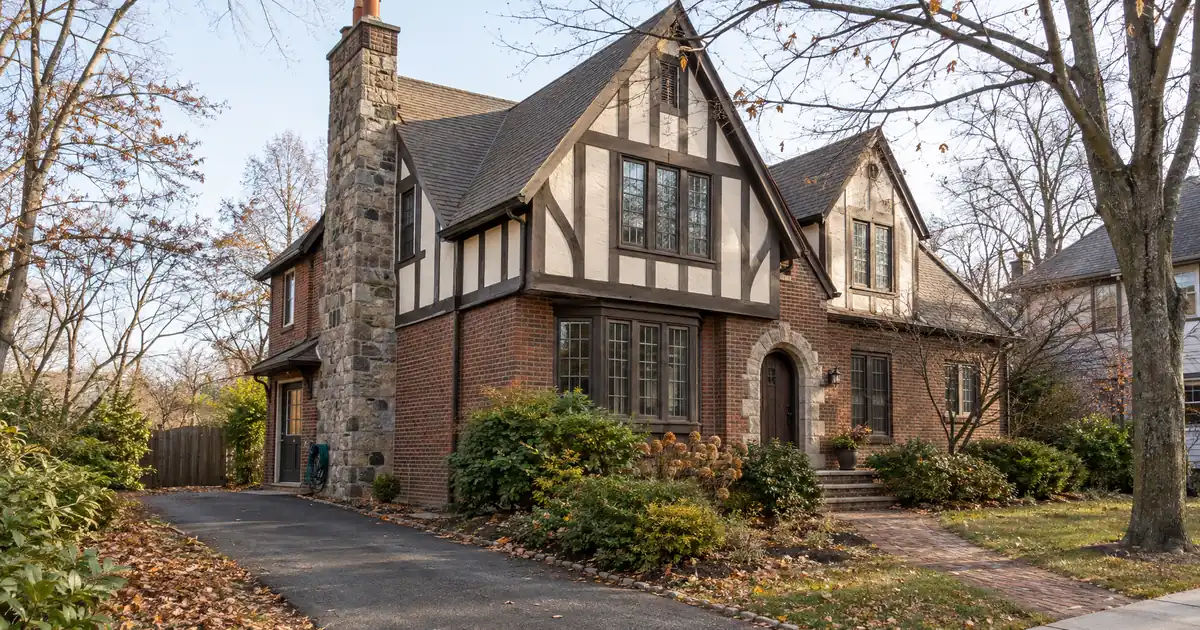
The Quick Read: An LLC is allowed on a DSCR refinance but is not required, and preparing it means getting the entity, the title, the insurance and the guarantor package to show one matching legal name before the file goes to a lender. The LLC signs the note, a person usually signs a separate personal guaranty, and the loan is reviewed primarily on property-level rental income covering the payment, subject to lender guidelines.
- Collect articles of organization, a current good-standing certificate, the IRS EIN letter and a signed operating agreement.
- The operating agreement should name who can borrow, pledge the property and sign.
- The exact LLC name, including “LLC,” should match on the deed, insurance, title commitment and loan documents.
- Credit review falls on the guarantor, not the entity.
- If the rental is in your personal name with a mortgage, sequence the move into the LLC carefully so the existing loan’s due-on-sale clause does not become a problem.
Most DSCR refinance files that stall on an entity issue stall on something preventable: a stale good-standing certificate, an operating agreement silent on borrowing authority, or a hazard policy still in the owner’s personal name. None of these change what the property can support. They just give the lender a reason to stop and ask.
DSCR Cash-Out Calculator
Run the cash-out numbers in your market
Rate source: Freddie Mac 30-yr average via FRED® — Federal Reserve Bank of St. Louis · effective Oct 22, 2026
Prefilled with starting assumptions — enter your property’s value, balance, taxes, and insurance for a more accurate picture.
Program parameters update from Lendmire’s centralized guideline source. Taxes and insurance are editable estimates.
As of Oct 22, 2026 · General Freddie Mac market benchmark, not a Lendmire loan offer. Property value, balance, taxes, and insurance are editable estimates. Maximum loan-to-value varies by lender, program, property type, and seasoning. Not a Loan Estimate, approval, or commitment to lend. Program availability and eligibility are subject to lender guidelines, credit approval, property review, and underwriting.
This is a walk through the mechanics as they play out across a wholesale network of DSCR lenders. For the broader product picture, see the complete DSCR loans guide.
Key Terms Defined
Operating agreement: The document that sets out an LLC’s members, ownership percentages, management and signing authority.
EIN: The employer identification number the IRS assigns to the entity, confirmed by a letter.
Good-standing certificate: A state document showing the LLC is current on its filings and fees.
Vesting: The exact name in which title to the property is held.
Guarantor: The person who signs a personal guaranty on the entity’s loan and whose credit and reserves are reviewed.
Disregarded entity: A single-member LLC the IRS treats as not separate from its owner for income tax purposes by default.
Due-on-sale clause: A mortgage provision letting the existing lender demand payoff if title transfers.
What Does the LLC Actually Do in a DSCR Refinance?
The LLC is the borrower and the title holder. That is its whole job in the file. Underwriting compares the property’s rent used for lender review to its full monthly housing obligation (principal, interest, taxes, insurance and any HOA dues), and the credit and reserves review lands on the guarantor.
Across the network, 1.00 is where select programs start on that ratio. A separate select-lender path goes below 1.00, with leverage and terms adjusted. Stronger ratios open better pricing and leverage. Clearing the ratio is not the same as positive cash flow, because repairs, vacancy, management, utilities and capex sit outside the calculation.
An LLC is also not a legal requirement. Individuals and many trusts can hold title on these loans. The LLC question is about liability planning and portfolio organization, not eligibility. If you already hold the rental in an LLC, you generally keep it there.
Start With the Right Path for Your Ownership Situation
Where the rental sits today decides your first move.
| Your situation | Do first | Avoid | Key risk |
|---|---|---|---|
| Property already in the LLC | Audit entity documents | Deeding it out first | Stale paperwork |
| Personal name, existing mortgage | Plan to vest the LLC at closing | Deeding in beforehand | Due-on-sale clause |
| Personal name, free and clear | Ask lender about seasoning | Recording before asking | Seasoning, title policy |
| LLC owned by another entity or trust | Gather documents for every layer | Assuming one layer is enough | Missing documents |
Step 1: Confirm the Entity Exists and Is in Good Standing
Pull the articles of organization (some states call it a certificate of formation) and order a current good-standing certificate from the state. Practitioners differ on when lenders ask for one. Some want it on any LLC that has been registered for a while, others only on entities that look inactive. Order it anyway. It is cheap and it dates quickly.
Check one more thing: whether the LLC is registered in the state where the property sits. An LLC formed elsewhere may need a foreign registration there. Settle that before the application, not during it.
Step 2: Get the EIN and the IRS Letter
The IRS explains that an LLC applies for an EIN on Form SS-4, and that most new single-member LLCs classified as disregarded entities will need one. The same page says a single-member disregarded LLC with no employees and no excise tax liability does not strictly need an EIN. It can still get one for a bank account or if state law requires it.
Here is the practical point. Strictly optional to the IRS does not mean optional on a lender file. The entity bank account and the loan package usually call for the EIN confirmation letter. Get it.
Two tax-classification facts help when a lender asks what kind of entity this is. Per Nolo, a single-member LLC is a disregarded entity by default, and a multi-member LLC is taxed as a partnership by default. Tax treatment varies; consult a qualified professional about how your entity is classified.
Step 3: Review the Operating Agreement for Authority
Read the operating agreement the way a lender will. It should show the members, their ownership percentages and who manages. Then look for the sentence that matters most: express authority to borrow, pledge the property as collateral and sign loan documents.
An agreement that is silent on borrowing authority is a common reason a file pauses. A borrowing resolution signed by the members is often requested on top of it, and it is easy to produce if you ask early.
Unsigned agreements also cause trouble. A template sitting in a folder is not an operating agreement. Sign and date it.
Step 4: Line Up the Guarantor Package
The entity is not scored on credit. The guarantor is. Expect to supply government ID, a credit authorization and reserves documentation.
On credit, a 620 floor exists in parts of the network, most programs want around 660, and 700 or higher unlocks the strongest leverage tiers. Reserves vary by lender, leverage, loan size and transaction type. They are commonly around 6 months of PITIA, and loans above $1,500,000 typically step up to about 9 months. Conservative rate-and-term files at modest leverage under that size can see reserves waived.
In a multi-member LLC, guaranty requirements vary by program. Some programs ask for guaranties from members above an ownership threshold. Others want the managing member. Ask which applies before you assume.
Step 5: Make the Vesting Name Match Everywhere
This is the most common preventable gap on LLC files. The exact legal name, including “LLC,” should appear identically on the deed, the note, the title commitment, the hazard insurance and the lease where the LLC is the landlord.
Common mismatches:
- Insurance issued to the owner personally while the LLC holds title.
- A lease signed by the owner individually instead of the LLC.
- An application that lists personal debts and a personal name on a property the LLC owns.
- A punctuation or abbreviation difference (“Inc.” versus “LLC,” a missing comma, a dropped word).
Any one of these invites a reviewer to question whether the borrower on the application is the borrower on title. The fix is almost always a corrected document, not a longer review.
An investor in a BiggerPockets thread described receiving disclosures on an LLC-owned rental that listed only her personal name and personal debts. A respondent in that thread read it as a sign the lender handled conventional loans and treated investor loans as a side line. That is an individual’s account, not a rule, but it shows what a mismatched file looks like from the borrower’s side.
Step 6: Resolve the Title Question
Title is where preparation gets technical, and where the general rule breaks.
Property already in the LLC. The cash-out or rate-and-term refinance usually proceeds with the LLC staying on title. The advice to deed out first is a conventional-loan habit and does not apply here.
Personal name with an existing mortgage. Deeding the property into the LLC before the refinance can trigger the existing loan’s due-on-sale clause. The federal Garn-St Germain Act, codified at 12 U.S.C. §1701j-3, protects certain transfers, and FedLaws’ commentary notes the protected list covers residential property of fewer than five units. The same commentary says moving property into an LLC or conveying a partial interest can count as a transfer. The statute’s trust exception covers transfers into certain trusts, not LLCs. For properties of five or more units, the exceptions do not apply at all.
The cleaner path in most files is vesting the LLC at the refinance closing. The new loan pays off the old one, so no prior lender is left to object. Check your note and talk to a real estate attorney before recording anything. Do not treat an LLC transfer as legally protected.
Free and clear. With no existing lender, deeding into the LLC first and then financing is possible. The risks are seasoning and the title policy. Some lenders count ownership time from the LLC’s deed date. Others look back to the prior owner. Ask the lender in writing before you record, because a recent deed can raise questions about how ownership time is counted. On a cash-out, about 6 months of seasoning is the common expectation across the network, so a fresh deed into a new entity is worth clearing with the lender first.
Layered ownership. If the borrowing LLC is owned by another LLC or a trust, expect document requests for each layer. Assemble them all at once.
Selling to your own LLC. Some investors consider selling a rental to their own LLC to create a purchase and force cash-out. A BiggerPockets answer describes this as a non-arm’s-length sale that is generally not allowed and suggests a cash-out refinance into the LLC instead. That is one commenter’s view. Run it past the lender before building a plan around it.
DSCR vs. conventional financing
There are two common ways to finance an investment property, and they qualify you differently — here’s how investors weigh them.
Why investors choose it
- Qualifies on the property’s rental income — no personal tax returns, W-2s, or pay stubs needed to document income.
- No personal debt-to-income ceiling to clear, so existing mortgages and obligations don’t cap your borrowing the same way.
- Can be closed in an LLC, keeping the property inside a business entity.
- Built for scaling — not held to the limit on number of financed properties that conventional financing applies.
- Underwriting centers on the deal: generally qualifies when the rent covers the payment, a 1.00x coverage ratio being a common baseline (confirmed in underwriting).
- Designed specifically for investment property, including long-term and, where the program allows, short-term rentals.
Where it’s strong
- Often the lowest ongoing financing cost for a buyer who fully qualifies on personal income — a fit for a first property or a cost-first purchase.
Trade-offs for investors
- Requires full personal income documentation and must fit within a debt-to-income limit — salary, existing debts, and other mortgages all count.
- Typically held in your personal name rather than a business entity.
- Caps how many financed properties you can carry, which can become a ceiling as a portfolio grows.
- Evaluates you as a borrower as much as the property, which usually means more paperwork.
How investors usually choose: a first or single property often optimizes for the lowest financing cost; portfolio builders often optimize for leverage, vesting in an LLC, and scaling past conventional caps. The right answer depends on your goals, the property, and current guidelines — both paths run through select lenders in Lendmire’s wholesale network, with eligibility and terms confirmed in underwriting.
Step 7: Document the Rental Income
Rent is the qualifying input, so the evidence has to be clean. Depending on the property and program, that means a signed lease, short-term rental history or an appraisal rent schedule. The appraisal forms involved are Form 1007 for a single-family rent schedule and Form 1025 for a small residential income property.
Make the lease match the entity. If the LLC owns the property, the LLC should be the landlord on the lease, and rent should land in the LLC’s own account.
For short-term rentals, expect more: a 640+ score, about 12 months of hosting history, and leverage lower than a standard rental (purchase up to 75% LTV, refinance around 70%, cash-out 70%). The coverage floor is 1.00 on both purchases and refinances. Short-term rental rules can vary by city, county, HOA and property type, so investors should confirm local rules before relying on projected rental income. Final terms depend on lender guidelines, property type, leverage, and the borrower’s complete credit picture.
Step 8: Route Funds and Update Insurance
On a cash-out, proceeds from an LLC loan go to the LLC’s own account. That keeps personal and entity money separate, which matters for the liability structure you formed the LLC to create. Liability protection tends to hold only while the entity is run as a real business, with its own bank account and records.
The hazard policy should name the LLC as the insured and reflect rental use. If the policy names the investor while the LLC holds title, coverage and the liability structure can both break. Fresh binders in the right name before the file goes in, not after.
Where the General Rule Breaks
A few edge cases deserve names.
New LLC, no history. Entity age rarely changes property eligibility. It can change what the lender wants to see, such as the formation documents and the guarantor’s file, so expect a closer look at the paperwork rather than a different set of rules.
Multiple rentals, one LLC or several. Both work. The file implication is that each loan is underwritten on its own property, and the guarantor’s reserves get reviewed against the whole picture. Holding many properties in one LLC concentrates liability. That is a legal planning question for an attorney, not a loan-eligibility question.
Foreign-formed or out-of-state entities. Registration in the property’s state needs to be settled before application.
Ineligible property. The LLC does not change what the property must be. Manufactured homes (single- and double-wide), log homes and barndominiums are not offered in the network’s DSCR programs, whoever holds title.
Do You Need a FinCEN Beneficial-Ownership Filing First?
For a U.S.-formed LLC, no. FinCEN states that all entities created in the United States, and their beneficial owners, are exempt from reporting beneficial ownership information. An interim final rule narrowed the definition of reporting company to entities formed under foreign law that register to do business in a U.S. state, and FinCEN’s reference page notes a later final rule. Confirm the current status on that page before you rely on it, and note that state-level rules can still apply.
Lenders still collect their own ownership documents. The federal exemption removes a filing, not the lender’s questions.
A Walkthrough: Personal Name to Closed Refinance
Consider an investor who owns a duplex in her personal name with a mortgage on it and wants the refinance to land in a new LLC. She runs the audit first.
She forms the LLC, orders the good-standing certificate and gets the EIN letter. She opens an entity bank account. She signs an operating agreement that names her as managing member with authority to borrow and pledge. She does not record a deed. Instead, she tells the lender the LLC will be vested at the refinance closing, so the new loan pays off the old one.
Next she fixes the mismatches. The insurance agent reissues the policy in the LLC’s name. The tenants sign lease addenda or new leases naming the LLC as landlord, and rent payments point to the LLC account. Her credit authorization and reserves statements go in as the guarantor package. At 75% LTV or below on a cash-out, with rent covering the payment at or above the program’s coverage floor, the file arrives with no entity questions left open. Qualification stays subject to lender guidelines, credit approval and property review.
Mistakes That Pause Files
- A lapsed good-standing certificate or an old EIN letter.
- An unsigned operating agreement.
- An agreement with no lending authority language.
- No named guarantor, or a guarantor whose reserves are unclear.
- Insurance or leases in a name other than the LLC.
- Deeding into the LLC before asking about seasoning or the existing loan.
- Personal and entity funds mixed in one account.
What to Ask Your Lender and Attorney
Ask the lender which documents they want for each layer of ownership, whether a good-standing certificate is needed given the LLC’s age, how ownership time is counted after a recent deed, and who must sign the guaranty in a multi-member entity. Ask your attorney whether to vest at closing or transfer earlier, what your existing note says about transfers, and how to keep the LLC operating as a separate business.
If you are buying or refinancing a rental property and want to see how the numbers work, Lendmire can help you compare DSCR loan options based on the property income, credit profile, leverage, and investor goals. Lendmire is a broker arranging DSCR financing through select lenders in its wholesale network, across 41 markets including Washington, D.C.
This article is general information, not legal or tax advice. Consult a qualified attorney or CPA about your own entity, title and tax situation.
Frequently Asked Questions
Can my existing LLC be used for the refinance?
Yes, in most cases the LLC stays on title and becomes the borrower, subject to program terms. Gather the articles, operating agreement, EIN letter and a good-standing certificate, and name a guarantor.
Do I need to deed the property into the LLC before I refinance?
Usually not, and doing it first can cause problems. On a mortgaged property, a transfer can trigger the existing loan’s due-on-sale clause. Vesting the LLC at the refinance closing lets the new loan pay off the old one. Check your note and speak with an attorney.
Does the lender still look at me personally?
Yes. The LLC is not scored on credit, so the guarantor’s credit and reserves are reviewed. Most programs want a score around 660, with 620 available in parts of the network and 700+ unlocking the strongest leverage.
Do I need an operating agreement even if my state does not require one?
For a lender file, yes. It shows who owns the LLC and who can borrow, pledge the property and sign. An agreement silent on borrowing authority often draws a request for a resolution or an amendment.
Does a single-member LLC need an EIN?
The IRS says it is not strictly required in the narrow case of no employees and no excise tax liability, but most new ones need one. A lender file and an entity bank account typically call for it anyway.
About Lendmire
A non-QM mortgage broker (NMLS# 2371349), Lendmire arranges DSCR financing for real estate investors in 41 markets — 40 states plus Washington, D.C. Because deals are underwritten primarily on property cash flow rather than personal income documentation, the structure suits self-employed buyers and entity-owned portfolios. Lendmire places loans through wholesale investor lenders; it is not a direct lender. Scotsman Guide named Lendmire a Top Mortgage Workplace in both 2025 and 2026.
Get Started
Ready to find the right loan for you?
In about 30 seconds you can review financing options available for your investment property. No commitment required.
Informational only. Not a Loan Estimate, approval, or commitment to lend. Program availability and eligibility are subject to lender guidelines, credit approval, property review, and underwriting.
References
1. IRS: Single Member Limited Liability Companies
2. Nolo: Does a Single-Member LLC Need an EIN?
3. BiggerPockets: Advice on DSCR Loan for Cash-Out Refinance
4. FedLaws: Garn-St Germain Act Due-on-Sale Triggers and Exceptions
6. FinCEN BOI Reference Materials
This article is part of Lendmire’s DSCR loan program — full qualification details, guidelines, and scenarios live on the program page.
Related reading: Is Flood Insurance Required on an Out-of-State DSCR Rental? · LLC Rental Cash-Out Refinance Requirements to Buy Another Rental · Can an Out-of-State Investor Get a No-Cash-Out DSCR Refinance?
Brandon Miller
Founder & CEO, Mortgage Loan Originator, Lendmire LLC
- Mortgage Loan Originator · NMLS# 1129696 · Verify on NMLS Consumer Access
- North Carolina Real Estate Broker · License# 343312 · Verify on NCREC
- North Carolina Insurance Producer · License# 19053198 · Property, Casualty, Life, Health · Verify on NAIC SBS
- Lendmire LLC · Firm NMLS# 2371349 · Verify firm licensure
Compliance and disclosures. Lendmire (NMLS# 2371349) is a licensed mortgage broker and is not a direct lender, depository institution, financial advisor, or tax professional. Content in this article is general market analysis and educational information — not financial, legal, or tax advice for any specific situation. Lendmire does not guarantee loan approval; every transaction is subject to underwriting by the funding lender. Mortgage pricing and loan program guidelines are subject to change at any time without notice and vary by borrower characteristics, property type, and state regulations. Lendmire complies with Equal Housing Opportunity. Licensure verification: NMLS Consumer Access.