
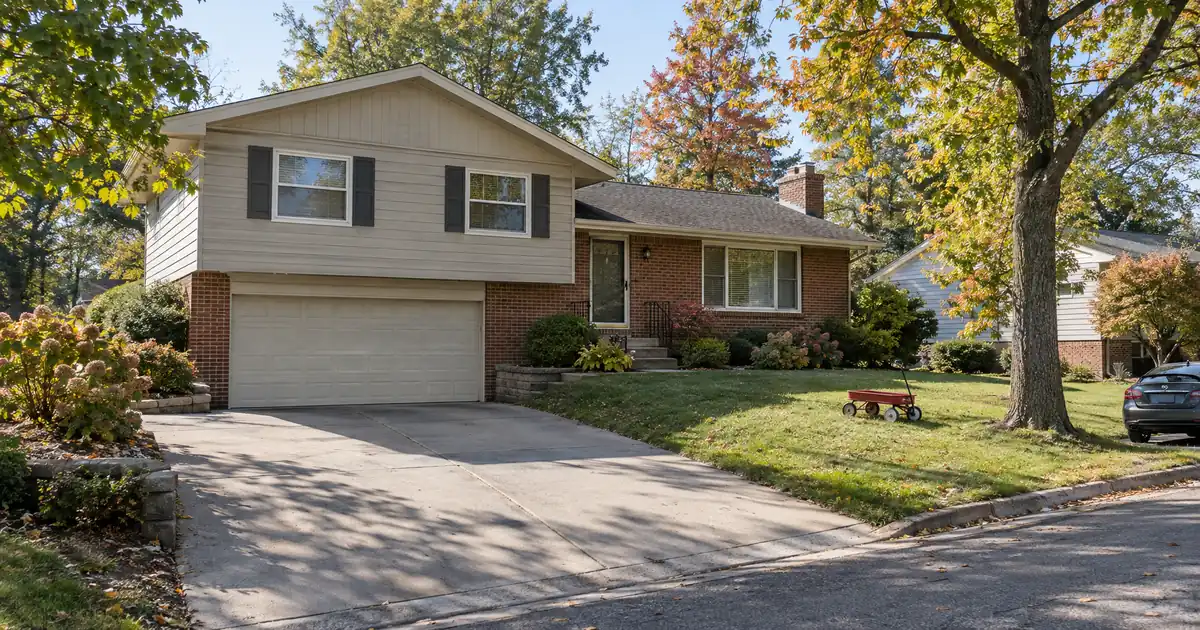
The Quick Read: It depends on three tests: the cash must cover the next purchase, the first rental must still cover its larger payment, and the combined cash flow of both properties must hold up. Equity is not cash, and the loan has to size on both value and rent.
- Cash-out tops out around 75% LTV on standard rentals and around 70% on short-term-rental collateral, subject to lender guidelines.
- Seasoning is typically about 6 months from the recorded deed date.
- Coverage is retested on the new, larger balance. The lower of the value test and the rent test wins.
- The second purchase is its own loan file, with its own leverage, credit and reserve rules.
- Clearing 1.00 coverage is not the same as positive cash flow.
Pulling equity from one rental to buy another is a common way to grow a portfolio. It is also a way to turn one comfortable property into two thin ones. The difference comes down to arithmetic you can run before you apply.
DSCR Cash-Out Calculator
Run the cash-out numbers in your market
Rate source: Freddie Mac 30-yr average via FRED® — Federal Reserve Bank of St. Louis · effective Oct 22, 2026
Prefilled with starting assumptions — enter your property’s value, balance, taxes, and insurance for a more accurate picture.
Program parameters update from Lendmire’s centralized guideline source. Taxes and insurance are editable estimates.
As of Oct 22, 2026 · General Freddie Mac market benchmark, not a Lendmire loan offer. Property value, balance, taxes, and insurance are editable estimates. Maximum loan-to-value varies by lender, program, property type, and seasoning. Not a Loan Estimate, approval, or commitment to lend. Program availability and eligibility are subject to lender guidelines, credit approval, property review, and underwriting.
Does Equity Actually Equal Cash?
No. Equity is the starting point, and three limits cut it down before any money reaches you. The first is the leverage cap. The second is closing costs. The third is rent coverage.
Across the wholesale network where Lendmire places files, a cash-out refinance on a standard rental tops out around 75% LTV. LTV, or loan-to-value, is the new loan divided by the property’s appraised value. Short-term-rental collateral generally tops out at 70%. Those are ceilings, not promises, and each lender reviews the file individually.
Say your rental is worth a round $400,000 and you owe 50% of that. A 75% cash-out loan pays off the old balance, covers closing costs, and leaves the remainder as proceeds. That remainder is often smaller than investors expect. A typical down payment on the next rental is 20% to 25% of the price, and the closing costs and reserves come on top.
So the honest first question is sufficiency. Will the proceeds, plus savings, cover the down payment, closing costs and reserves on the next purchase? If the answer is “barely,” keep reading before you commit.
How Does the Loop Work, Step by Step?
You refinance the first rental, take the proceeds, and use them on the second purchase. Each step has its own rules. The sequence runs like this.
1. Pick the collateral. The property must be a rental, not owner-occupied. A fix-and-flip or a second home generally does not qualify for an investment-property cash-out. Per a consumer finance publisher’s guidance, check the property type first. Skip the rest if the collateral is the wrong kind.
2. Check seasoning. Seasoning is the waiting period between buying a property and refinancing it. Most programs in the network want about 6 months, counted from the date the deed was recorded. Finishing a rehab or signing a lease does not restart or start the clock.
3. Size the loan on value. Cash out is the new loan minus the payoff and closing costs. Inside the seasoning window, loans typically size on your cost basis. After it, they size on the appraised value.
4. Test rent coverage on the new payment. DSCR, the debt service coverage ratio, divides monthly rent by the full monthly payment: principal, interest, taxes, insurance and any HOA dues, together called PITIA. Many select programs start at 1.00. A separate select-lender path goes below 1.00, with leverage and terms adjusted.
5. Document the file. Expect deed history, a lease or rent opinion, an appraisal and a source-of-funds trail. Appraisers commonly use Form 1007 for the rent schedule and Form 1025 for small residential income properties.
6. Close the next purchase as a separate file. Line up the purchase financing before you refinance, so the proceeds have a destination.
Does the First Rental Survive the Bigger Loan?
It must, on its own. The refinance raises the payment on the first rental before the second rental earns a dollar. That is the test most investors skip.
Picture a rental that clears roughly 1.35x coverage on its current loan. After a cash-out to 75% LTV, the balance is larger, so the same rent might cover the new payment at only about 1.05x. It still clears 1.00 on the page. But the cushion for vacancy, repairs and a bad month has mostly vanished. Final terms depend on the lender’s guidelines, the property type, and the borrower’s complete credit picture.
Here is the catch. DSCR compares rent to PITIA only. Repairs, vacancy, management, utilities and capital expenses sit outside the calculation. A property can pass the coverage test and still lose money in a rough quarter.
The loan also sizes to the lower of two tests. The value test says the loan cannot exceed the LTV ceiling. The rent test says the loan cannot exceed what the rent supports at the program’s minimum coverage. Whichever is lower sets your loan. In a high-priced area with modest rents, the rent test often binds first, and the “75% of value” you counted on never shows up.
Does the Second Rental Justify It?
Only if the new property’s income covers the added debt on the first one, with room to spare. Think in two properties, not one.
One poster who refinanced a five-year-old rental found combined cash flow would end up roughly flat. The plus side was two appreciating assets. The minus side was less cash flow and double the capex and maintenance.
That is anecdote, but it points at the right question. Run the combined view before you refinance:
- Cash flow lost on Property A from the larger payment.
- Cash flow gained on Property B after its own financing, taxes, insurance and a vacancy cushion.
- The net result, and how long rent growth takes to pay back any short-term dip.
If the new property adds meaningfully more cash flow than the old one gives up, the trade can make sense. One investor argues that giving up a modest amount of monthly cash flow on a refinanced duplex is worth it if the new duplex adds several times that amount. That is a single poster’s math, not a benchmark. Run your own.
This one is a genuine judgment call. Two appreciating assets beat one on paper. But the stronger play is often the smaller refinance that leaves real cushion on the first property, even if it means buying the second one a little later.
Do You Qualify for the Cash-Out?
You qualify when the property clears both tests: enough equity and enough rental coverage. Across the network, the common requirements look like this, subject to lender guidelines.
| Factor | Typical network range |
|---|---|
| Cash-out LTV | Up to about 75% (standard rental) |
| Short-term-rental cash-out | Up to about 70% |
| Seasoning | About 6 months from deed recording |
| Coverage | 1.00 where select programs start |
| Credit score | 620 floor in parts of the network; most want about 660 |
| Reserves | Commonly about 6 months of PITIA |
Most programs we place files with want around a 660 score, and 700 or higher unlocks the strongest leverage tiers. Reserves vary by lender, leverage and loan size. They commonly run about 6 months of PITIA, and loans above $1,500,000 typically step up to about 9 months. Standard programs reach up to $3,000,000.
Short-term rentals are their own case. Expect about 12 months of hosting history and a 640 or higher score. Short-term rental rules can vary by city, county, HOA and property type, so investors should confirm local rules before relying on projected rental income.
Some property types are not offered at all. Manufactured homes, log homes and barndominiums fall outside these programs.
A rental held in an LLC or trust can work, subject to program eligibility. For a deeper look at how this loan fits into a portfolio, see Lendmire’s complete DSCR loans guide.
What If the Cash Falls Short?
Then you have a funding gap, and you fill it with savings, a partner or a smaller purchase. Many investors add their own money to close the second property. Planning for that gap before you refinance beats discovering it at the purchase table.
A larger down payment on the second rental lowers its payment and can lift its coverage. It never erases the leverage cap, the credit floor, the reserve rules or property eligibility. On a purchase, most files land at 75% to 80% LTV, and select high-leverage programs reach 85% LTV with roughly a 700 or higher score. Those are separate numbers from your cash-out ceiling, and the second purchase is underwritten on its own.
If the proceeds miss by a wide margin, choose one of these:
- Buy a lower-priced property.
- Bring in a partner’s capital.
- Wait and save, or let the first property season longer.
- Use the proceeds as the down payment on a higher-leverage purchase program, if your credit supports it.
What About Timing and Documentation?
Line up the purchase before you refinance. The proceeds need a destination, and the paper trail has to follow the money. An appraisal that comes in low can shrink the proceeds right when the purchase contract needs them.
Keep the closing statement from the refinance. It becomes your source-of-funds record when the second file is reviewed. If the purchase falls through, you hold the bigger loan and the lower cash flow with no second property to offset them. That is the real downside, and it is worth stating plainly.
If you bought the first property with cash, a delayed-financing refinance can waive the waiting period. It waives the wait, not the underwriting, and the loan typically sizes to the lower of value at maximum leverage or documented cost. Appreciation adds no room in that lane. For contrast only, Fannie Mae’s Selling Guide sets a six-month title rule with a delayed-financing exception for its own agency loans. DSCR programs set their own rules.
Hard-money purchases generally cannot use that lane. The realistic options are a seasoned cash-out or a payoff-only refinance. Lendmire’s piece Should You Fund an All-Cash Rental Purchase With a Cash-Out Refinance? covers that path.
Cash-Out Versus the Alternatives
Cash-out is not the only route. Pick it when you want one loan and one payment, and pick something else when the first loan is worth protecting.
| Route | Choose it when |
|---|---|
| Cash-out refinance | You want one payment and the first loan is not special |
| Rate-and-term refinance | You want no cash back, with a ceiling around 85% LTV |
| Saving longer | The coverage cushion on Property A is thin |
| Buy with cash, refinance later | You can buy now and wait out seasoning |
| Partner capital | You are short on proceeds but have a deal |
A second loan on the same property can leave the first loan in place, which matters if that loan is one you want to keep.
If your primary residence is the source instead, DSCR lenders typically want the borrower to keep a primary residence. A path exists for borrowers who skip the usual rental-income test, but it is available only through select lenders, generally for borrowers who already own a primary residence.
Who Should Skip It?
Skip it if the first rental’s coverage is already thin, if you need income now, or if the existing loan is worth protecting. Be honest on each point.
- Thin coverage. If the bigger loan pushes the first property toward 1.00, you are betting the vacancy never comes.
- A short horizon. This is a long-bet on rent growth and appreciation.
- A weak second deal. The new property has to justify the added cost on the old one.
- No plan for the cash. Pulling cash without a destination just adds risk.
- Stacking refinances. Each later refinance needs its own retest, and the loans add up.
Remember what DSCR does not measure. Clearing 1.00 is not positive cash flow. Size the reserves for repairs, vacancy and capex on two properties, not one.
A Short Tax Note
Tax treatment varies by situation; this is not tax advice — consult a qualified professional.
Key Terms Defined
- LTV (loan-to-value): the loan amount divided by the property’s appraised value.
- DSCR (debt service coverage ratio): monthly rent divided by the full monthly payment.
- PITIA: principal, interest, taxes, insurance and any association dues.
- Seasoning: the waiting period between buying a property and refinancing it.
- Reserves: liquid funds, counted in months of PITIA, held after closing.
- Delayed financing: a refinance of a cash purchase that waives the usual wait.
Go/No-Go Checklist
- The property is a rental and has been owned about 6 months or more.
- The proceeds, plus savings, cover the down payment, closing costs and reserves.
- The first rental still clears your coverage target on the larger loan.
- The second rental’s income exceeds the cash flow the first one gives up.
- Credit and reserves meet the second purchase’s own requirements.
- The purchase financing is lined up before the refinance.
Frequently Asked Questions
Can I use cash-out proceeds as a down payment on another rental?
Yes, if the proceeds are enough once closing costs and reserves are counted. The second purchase is a separate loan file with its own leverage, credit and reserve requirements, subject to lender guidelines.
Can I cash out a property I just bought?
Usually not right away. Most programs want about 6 months of seasoning from the deed date. A cash purchase can use delayed financing, which sizes to documented cost.
Does passing the coverage test mean it is a good deal?
No. Coverage compares rent to the payment only. Vacancy, repairs, management and capex sit outside it, so a property can clear 1.00 and still lose money.
What if the appraisal comes in low?
The loan sizes to the lower value, so proceeds shrink. That can leave the next purchase underfunded, which is why sequencing and a funding cushion matter.
Is the interest deductible?
It depends on how the funds are used, so ask a tax professional. IRS Publication 527 notes that interest on proceeds not used for the rental generally is not deductible as a rental expense.
If you are buying or refinancing a rental property and want to see how the numbers work, Lendmire can help you compare DSCR loan options based on the property income, credit profile, leverage, and investor goals.
Run the first property’s coverage on the bigger loan before you chase the second deal, because the investors who stay comfortable are the ones whose original rental still pays for itself.
A deeper walk-through of investment-property equity extraction lives in Lendmire’s guide to cash-out refinance on an investment property.
About Lendmire
Lendmire, NMLS# 2371349, is a non-QM mortgage broker serving real estate investors in 41 markets, including Washington, D.C., through DSCR investor loan programs. Qualification is generally reviewed around the subject property’s rental income, not the borrower’s W-2 history — a practical fit for LLC-titled portfolios and self-employed investors. All scenarios remain subject to lender review and program guidelines. Two consecutive Scotsman Guide Top Mortgage Workplace recognitions (2025, 2026).
Get Started
Ready to find the right loan for you?
In about two minutes you can review financing options available for your investment property. No commitment required.
Informational only. Not a Loan Estimate, approval, or commitment to lend. Program availability and eligibility are subject to lender guidelines, credit approval, property review, and underwriting.
References
1. Fannie Mae Selling Guide B2-1.3-03
This article is part of Lendmire’s investment property cash-out refinance program — full qualification details, guidelines, and scenarios live on the program page.
Related reading: Can a Portfolio Cash-Out Refinance Cover Several Rentals? · Buyout Cash-Out Refinance Rules for an LLC Without Personal Guaranty · Can You Do a Cash-Out Refinance on a BRRRR Rental After Rehab?
Brandon Miller
Founder & CEO, Mortgage Loan Originator, Lendmire LLC
- Mortgage Loan Originator · NMLS# 1129696 · Verify on NMLS Consumer Access
- North Carolina Real Estate Broker · License# 343312 · Verify on NCREC
- North Carolina Insurance Producer · License# 19053198 · Property, Casualty, Life, Health · Verify on NAIC SBS
- Lendmire LLC · Firm NMLS# 2371349 · Verify firm licensure
Compliance and disclosures. Lendmire (NMLS# 2371349) is a licensed mortgage broker and is not a direct lender, depository institution, financial advisor, or tax professional. Content in this article is general market analysis and educational information — not financial, legal, or tax advice for any specific situation. Lendmire does not guarantee loan approval; every transaction is subject to underwriting by the funding lender. Mortgage pricing and loan program guidelines are subject to change at any time without notice and vary by borrower characteristics, property type, and state regulations. Lendmire complies with Equal Housing Opportunity. Licensure verification: NMLS Consumer Access.