
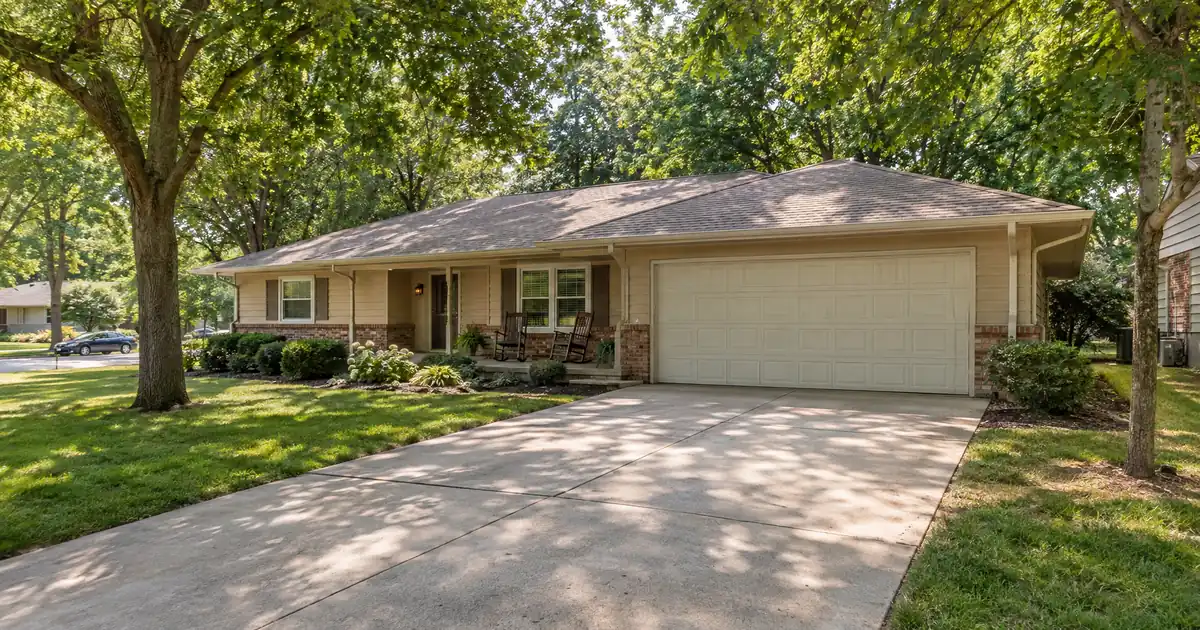
The Quick Read: Usually yes. Most programs across our wholesale network expect about six months of ownership, counted from the recorded deed, before a cash-out refinance sizes the loan on the new appraised value. Refinance sooner and the loan is typically sized on your cost basis instead, so the equity you created stays trapped. Seasoning is lender policy, not law, so some files do have options.
- Plan on about six months of seasoning for a cash-out refinance, with leverage topping out around 75% LTV on a standard rental.
- The clock starts at the recorded deed, not at rehab completion or lease signing.
- Inside the window, expect the loan to be sized on purchase price plus documented rehab, not on your projected after-repair value.
- A strong coverage ratio does not shorten the wait. Rent and seasoning are separate tests.
- Plan the bridge or hard-money loan around seasoning, lease-up, appraisal, and underwriting, not seasoning alone. Terms depend on the lender’s guidelines, the property type, the leverage, and a full review of the credit profile.
What Does “Seasoning” Actually Mean?
Seasoning is the waiting period a lender wants between buying a property and refinancing it. Think of it as the lender asking whether the value has been proven or only promised.
DSCR Cash-Out Calculator
Run the cash-out numbers in your market
Rate source: Freddie Mac 30-yr average via FRED® — Federal Reserve Bank of St. Louis · effective Oct 29, 2026
Prefilled with starting assumptions — enter your property’s value, balance, taxes, and insurance for a more accurate picture.
Program parameters update from Lendmire’s centralized guideline source. Taxes and insurance are editable estimates.
As of Oct 29, 2026 · General Freddie Mac market benchmark, not a Lendmire loan offer. Property value, balance, taxes, and insurance are editable estimates. Maximum loan-to-value varies by lender, program, property type, and seasoning. Not a Loan Estimate, approval, or commitment to lend. Program availability and eligibility are subject to lender guidelines, credit approval, property review, and underwriting.
For a BRRRR rehabber (buy, rehab, rent, refinance, repeat), seasoning is the gap that decides when your capital comes back. The faster you can recycle money into the next deal, the better the strategy works. That is why the wait feels so painful.
No regulator sets seasoning for DSCR loans. It is lender policy. That is why one program says six months, another says three, and a few will look at a refinance sooner when the rehab is well documented.
Does the Six-Month Wait Apply to You?
It depends on what you want from the refinance. The wait mostly bites on cash-out. This table shows how the main situations compare.
| Your situation | Typical wait | Loan sized on | What you get |
|---|---|---|---|
| Cash-out refinance | About 6 months | Appraised value, after the window | Rehab equity returned |
| Cash-out, inside the window | Under 6 months (not yet seasoned) | Cost basis (price plus documented rehab) | Your cash back, not the value you added |
| Rate-and-term (payoff only) | Often little or none | Payoff of the existing loan | No cash out |
| All-cash purchase | Agency-style exception only | Documented cost | Cost back, not ARV |
Across the programs we place files with, cash-out tops out around 75% LTV on a standard rental. A rate-and-term refinance can run higher, with a ceiling of up to 85% LTV. Everything is subject to lender guidelines, credit approval, and property review.
When Does the Clock Start?
The clock generally starts on the recorded deed or title date. It does not start when the rehab finishes, when the tenant signs, or when the first rent check clears.
Ownership seasoning and rental seasoning are different clocks. Some lenders look at only one. Ask before you buy which one applies to your file.
Here is why a few days matter. Say your deed records on the 28th, and the six-month mark falls on the 28th of a later month. An application submitted a week early may land you in the cost-basis bucket. Your lender is not being stubborn. The program rule is written in months from title.
An early move into an LLC can also muddy the title date. Whether that resets the clock varies by program, depending on program guidelines, so ask in writing before you transfer anything.
What Happens If You Refinance Early?
The loan gets sized on cost, not on value. Inside the window, lenders typically size the loan on the lower of the new appraisal or your cost basis. After the window, they use the appraised value, up to the program’s cash-out cap.
Here is a modeled example, not a market fact. Say you buy at a deep discount and put in a heavy rehab. After the work, the appraiser says the property is worth well above your total cost.
- Refinance early: the loan is sized to your all-in cost. You roughly get your money back, and the equity you built stays in the house.
- Refinance after seasoning: the loan is sized to the appraisal at up to about 75% LTV on a standard rental. That can return your cash and some of the value you created, depending on the appraisal. The exact numbers vary by lender and program and follow a full review of property, leverage, and credit.
Notice the appraisal sets the number, not your projected ARV. The lender orders its own appraisal. Appraisers use the 1004 form for single-family homes, the 1007 for rent schedules, and the 1025 for small income properties, and they pull their own comps. If your projection was optimistic, the loan will not match it.
Some individual lenders do offer shorter seasoning or a tiered structure for recent purchases, though terms vary by lender and by file. Treat this as a market-wide pattern, not a promise. For Lendmire’s network, plan on about six months for cash-out.
Early or Wait? A Decision Framework
Weigh three things: carry cost, trapped equity, and your next deal.
Carry cost. Every extra month on a bridge or hard-money loan costs interest. Add that up against the extra proceeds the appraisal could unlock.
Trapped equity. If your next purchase needs the cash and you have no other source, waiting may stall you. If you can fund the next deal elsewhere, waiting is cheap.
Bridge maturity. If the bridge matures near month six, you have no slack. One slipped appraisal or a late lease can force an early refinance on cost basis. Extension fees may then change the math.
A simple read:
- Wait if the bridge has room past month seven and the appraisal will likely come in well above cost.
- Go early if the bridge is about to mature and carry is eating the gain.
- Skip BRRRR on this deal if you need the capital back right away and the equity gain is thin. A straight purchase, or selling the flip, may fit better.
The Two-Step Path
You can split the refinance in two. First do a rate-and-term payoff to retire the bridge. Then do a cash-out refinance once seasoning clears.
The upside is that you stop paying bridge interest. The downside is that you pay closing costs twice. This works best when the bridge is expensive and the cash-out is still months away. It works worst when the gap is short, because two sets of costs can outweigh the carry saved.
Also check any prepayment penalty on the first loan before you plan a second one. A penalty can quietly erase the savings.
Why Delayed Financing Rarely Rescues a Rehabber
Delayed financing is an agency idea, and DSCR loans are not agency products. Fannie Mae’s Selling Guide lists delayed financing as an exception to its ownership rule, and it is priced as cash-out and returns documented cost, not ARV. An archived version of that guide states the baseline: a property bought within the preceding six months is ineligible unless delayed financing is met.
Three reasons it rarely helps you:
- It was built for cash buyers. If you bought with hard money or a bridge, the purchase was financed, and it generally does not fit.
- It returns what you paid, not what the property is now worth.
- Whether a DSCR program offers its own version varies by lender and program. It is not a DSCR rule.
Don’t import agency numbers into your DSCR plan. They answer a different loan.
Does a Strong DSCR Shorten the Wait?
No. Coverage and seasoning are separate tests. DSCR compares monthly rent to the full monthly payment (PITIA: principal, interest, taxes, insurance, and any association dues). Many select programs start at 1.00, and stronger coverage can open better pricing and leverage. A separate select-lender path takes coverage below 1.00, with leverage and terms adjusted.
None of that buys you a shorter ownership clock. A bigger down payment will not either. Credit, reserves, and property type also stay on their own tracks. Reserves are commonly around six months of PITIA, with about nine months on loans above $1,500,000, and they vary by lender and leverage.
One more caution. Clearing 1.00 does not mean positive cash flow. Repairs, vacancy, management, utilities, and capex all sit outside the calculation.
DSCR vs. conventional financing
There are two common ways to finance an investment property, and they qualify you differently — here’s how investors weigh them.
Why investors choose it
- Qualifies on the property’s rental income — no personal tax returns, W-2s, or pay stubs needed to document income.
- No personal debt-to-income ceiling to clear, so existing mortgages and obligations don’t cap your borrowing the same way.
- Can be closed in an LLC, keeping the property inside a business entity.
- Built for scaling — not held to the limit on number of financed properties that conventional financing applies.
- Underwriting centers on the deal: generally qualifies when the rent covers the payment, a 1.00x coverage ratio being a common baseline (confirmed in underwriting).
- Designed specifically for investment property, including long-term and, where the program allows, short-term rentals.
Where it’s strong
- Often the lowest ongoing financing cost for a buyer who fully qualifies on personal income — a fit for a first property or a cost-first purchase.
Trade-offs for investors
- Requires full personal income documentation and must fit within a debt-to-income limit — salary, existing debts, and other mortgages all count.
- Typically held in your personal name rather than a business entity.
- Caps how many financed properties you can carry, which can become a ceiling as a portfolio grows.
- Evaluates you as a borrower as much as the property, which usually means more paperwork.
How investors usually choose: a first or single property often optimizes for the lowest financing cost; portfolio builders often optimize for leverage, vesting in an LLC, and scaling past conventional caps. The right answer depends on your goals, the property, and current guidelines — both paths run through select lenders in Lendmire’s wholesale network, with eligibility and terms confirmed in underwriting.
Build the Bridge Runway Backward
Start from the day your bridge matures and work back. Budget for each stage in order, not just seasoning:
1. Rehab: finish with buffer for permit or contractor slips.
2. Lease-up: have a signed lease and documents in hand. Missing lease paperwork, deposit proof, and first-month rent evidence are common stall points.
3. Seasoning: confirm your recorded deed date and the exact program rule.
4. Appraisal: the lender orders it, and the scheduling is out of your hands.
5. Underwriting: the lender reviews the full file against its guidelines.
Add a buffer row at the end. If the bridge matures first, your options are an extension, a payoff-only refinance, bringing cash, or selling.
The Rehab Paper Trail
Cost-basis sizing only works if you can prove cost. Keep these in one folder:
- The purchase settlement statement
- The rehab scope of work
- Contractor invoices and draw records
- Proof of payment (bank statements, cleared checks)
- Permits and final inspections, where required
- Before-and-after photos
Programs that ease seasoning for rehabbed properties require documented renovations. Sloppy records cost you the benefit.
Common Mistakes
- Treating seasoning as law. It is lender policy, so it varies.
- Starting the clock at rehab completion. It runs from title.
- Planning around ARV. The appraiser’s number is the one that counts.
- Expecting a hard-money purchase to qualify for delayed financing. It generally does not.
- Skipping the question before you buy. Ask about title time in writing first, and get pre-qualified.
Key Terms Defined
Seasoning: the waiting period between acquiring a property and refinancing it.
Cost basis: your purchase price plus documented rehab spend.
ARV (after-repair value): your projected value once the work is done. The appraiser’s value governs the loan.
Cash-out refinance: a refinance that pays off the old loan and returns extra cash.
Rate-and-term refinance: a refinance that pays off the old loan without cash back.
Delayed financing: an agency exception for cash buyers that returns documented cost.
PITIA: principal, interest, taxes, insurance, and association dues, the full monthly payment used in the coverage test.
Frequently Asked Questions
Can I refinance right after the rehab?
You can ask, but expect the loan to be sized on your cost basis, not the new value. A few programs and lenders look at documented rehabs sooner, subject to lender guidelines. On most files in our network, plan on about six months for cash-out.
Does a lease reset or start the clock?
No. Seasoning generally runs from the recorded deed. A lease matters for lease-up and for the rent used in the coverage test, but it does not start the ownership clock.
What if my bridge matures first?
Your choices are an extension, an early refinance on cost basis, bringing cash to the payoff, or selling. Compare extension fees and carry against the proceeds you would lose by refinancing early. Plan the runway before you buy so this does not catch you.
Does a rate-and-term refinance have the same wait?
Typically not. The seasoning and leverage limits that trip up rehabbers usually apply to cash-out. A rate-and-term refinance does not return cash, though, so it only solves the bridge, not the trapped equity.
Where do I learn more about DSCR programs?
Start with Lendmire’s complete DSCR loans guide, then use the property-level rent and leverage questions to compare options.
If you are buying or refinancing a rental property and want to see how the numbers work, Lendmire, a broker arranging DSCR financing through select lenders across 41 markets including Washington, D.C., can help you compare DSCR loan options based on the property income, credit profile, leverage, and investor goals. Tax treatment varies; consult a qualified professional.
About Lendmire
Lendmire — NMLS# 2371349 — is a DSCR and non-QM mortgage brokerage with investor loan programs in 41 markets, including Washington, D.C. DSCR eligibility is commonly reviewed by the lender around property-level rent rather than personal income documentation, subject to lender guidelines, and the brokerage helps arrange financing for LLC-owned portfolios beyond conventional financed-property limits. Recognized by Scotsman Guide as a Top Mortgage Workplace in 2025 and 2026.
Get Started
Ready to find the right loan for you?
See your offer in seconds. No credit pull, no obligation.
Informational only. Not a Loan Estimate, approval, or commitment to lend. Program availability and eligibility are subject to lender guidelines, credit approval, property review, and underwriting.
References
1. Fannie Mae Selling Guide B2-1.3-03, Cash-Out Refinance Transactions
This article is part of Lendmire’s DSCR loan program — full qualification details, guidelines, and scenarios live on the program page.
Related reading: How Much a DSCR Refinance Lends After a BRRRR Rehab · How to Refinance a Rental Into a DSCR Loan Using Lease Income · DSCR Loan vs Second Home Loan for a Rural Cabin Refinance
Brandon Miller
Founder & CEO, Mortgage Loan Originator, Lendmire LLC
- Mortgage Loan Originator · NMLS# 1129696 · Verify on NMLS Consumer Access
- North Carolina Real Estate Broker · License# 343312 · Verify on NCREC
- North Carolina Insurance Producer · License# 19053198 · Property, Casualty, Life, Health · Verify on NAIC SBS
- Lendmire LLC · Firm NMLS# 2371349 · Verify firm licensure
Important disclosures. Lendmire (NMLS# 2371349) is a licensed mortgage brokerage. Lendmire is not a direct lender, depository institution, or financial advisor. All loan inquiries are subject to lender underwriting; this article does not constitute a commitment to lend. Rates, terms, and program guidelines are subject to change without notice and vary by borrower profile, property type, and state. Information in this article is general in nature and is not financial, legal, or tax advice. Equal Housing Opportunity. NMLS Consumer Access: nmlsconsumeraccess.org.