
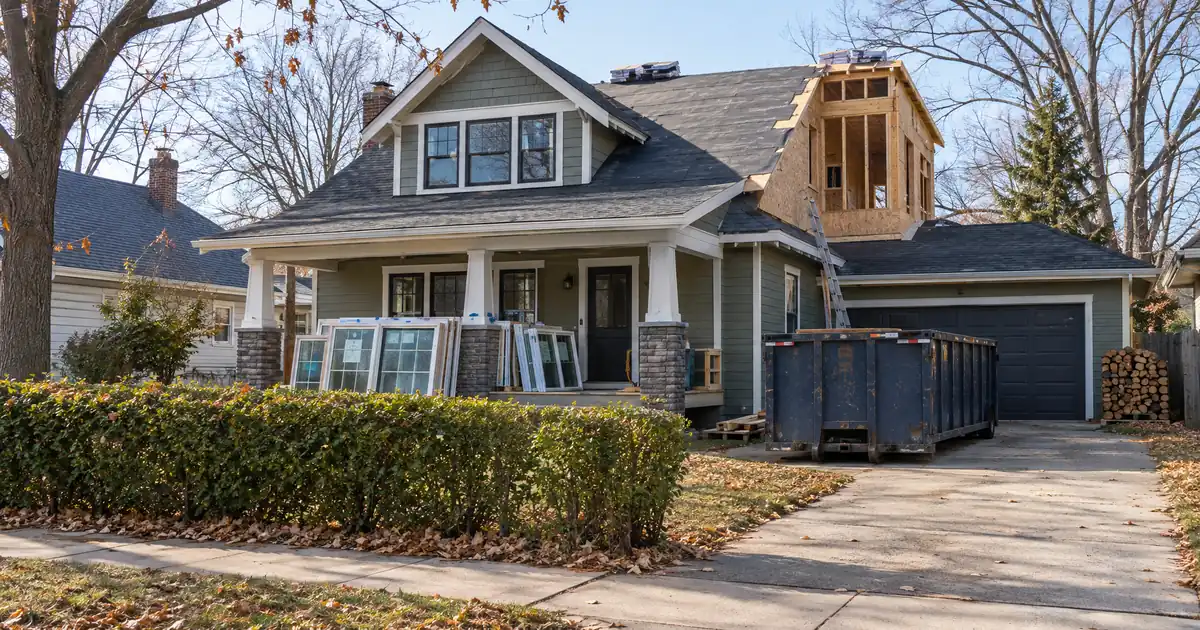
The Quick Read: A DSCR loan and a bridge extension solve different problems. The extension buys more time on short-term, interest-only debt, while a DSCR refinance replaces that debt with a long-term loan that qualifies primarily on the property’s rental income covering the payment, subject to lender guidelines. The right choice depends on whether the rehab is finished, whether the unit is leased, and how close the maturity date is.
- Extending keeps the same debt and the same exit risk. It fixes timing, not an equity or coverage shortfall.
- A DSCR refinance needs a finished, rent-ready property, a lender-ordered appraisal and rent coverage on the full new payment.
- The new lender’s appraised value sets the loan, not the investor’s after-repair estimate.
- Clearing a coverage ratio is not the same as positive cash flow.
- Most files turn on three tests at once: seasoning, value and rent coverage. The weakest one decides the outcome.
The honest answer is that these two options are rarely rivals. A bridge is built for the rehab and carries a defined exit. A DSCR loan is built for the hold. If the property is finished, leased and has enough equity, the DSCR refinance is usually the cleaner end of the bridge. If something is unfinished or short, an extension is a rational way to bridge the gap, as long as the lender agrees and the investor can pay for it. The rest of this piece sorts out which situation you are in.
What this loan actually costs to carry.
Hard money is sized against the project and priced by time. Enter the deal and see how much the program will lend, the cash required at closing, the carry while you hold it, and what is left at the exit.
Leverage tiers on the current program: 85% with fewer than 2, 90% with 2 or more, 93% with 5 or more completed projects — every tier capped at 75% of after-repair value. Loan amounts up to $5,000,000, larger by exception; terms of 6 to 18 months, interest-only, no prepayment penalty. The rehab portion funds in draws against completed work, not at closing.
Program parameters shown update from Lendmire’s centralized guideline source. Rate, points, and months are editable assumptions, not quoted terms.
Cost cap sets the loan · positive spread
Illustrative estimate only — not a quote, Loan Estimate, approval, or commitment to lend. Rate, points, and months are editable assumptions. Hard money is business-purpose financing for real estate investors, not a consumer mortgage. Leverage on the current program tops out at 93% of project cost for investors with a documented track record, capped at 75% of after-repair value, with rehab funding up to 100% of the documented budget released in draws; actual terms vary by lender, borrower experience, property, and exit. Lendmire is a mortgage broker, not a lender.
Side-by-Side
The bridge column below reflects published industry norms for short-term bridge and hard money debt. The DSCR column reflects typical guidelines across select lenders in Lendmire’s wholesale network. Lendmire places both kinds of loans. Every figure varies by lender, property and borrower, and none is a commitment to lend.
| Factor | Extending the Bridge | DSCR Refinance |
|---|---|---|
| Loan purpose | Short-term rehab or transition debt | Long-term hold on a stabilized rental |
| Review basis | Collateral, plan and exit | Rent covering the full payment, plus credit |
| Documentation | Extension request, draw history, updated exit plan | Lease or rent evidence, entity documents, appraisal |
| Property condition | Can be unfinished or vacant | Finished, rent-ready, usually leased |
| Property types | Per bridge lender | 1-4 unit rentals; manufactured homes, log homes and barndominiums not offered |
| Entity vesting | Per bridge lender | LLC vesting per program; personal guarantee common |
| Reserves | Per bridge lender | Commonly around 6 months of PITIA; varies |
| Timeline | Defined maturity; extension is a lender decision | Driven by appraisal, title and documentation |
| What it solves | More time | A permanent note and an end to the maturity date |
| What it leaves open | Balloon and default exposure | Needs seasoning, value and coverage to line up |
How Each Option Actually Works
Extending a bridge starts with a request to the existing lender before maturity. Lenders generally treat it as a credit decision, not paperwork. They may approve it, attach conditions, or decline and push toward payoff. The debt stays interest-only with the balloon intact. The exit risk is pushed back, not removed.
A DSCR refinance works differently. The new lender orders an appraisal, and for a one-unit rental that usually includes a rent schedule. Fannie Mae’s Appraiser Update describes Form 1007 as the form documenting the appraiser’s estimate of monthly market rent on a single-family investment property. Freddie Mac publishes a matching Form 1000. DSCR loans are not agency loans. They simply borrow the same appraisal forms.
The coverage test is simple. Monthly rent is divided by the full monthly obligation: principal, interest, taxes, insurance and any HOA dues. Across the network, 1.00 is where select programs start. It is a floor for those programs, not a universal standard. A separate select-lender path takes coverage below 1.00, with leverage and terms adjusted. Stronger ratios open better leverage tiers.
Here is the catch for rehabbed rentals. The new payment is a fully amortizing payment on a larger long-term note. A unit that looked fine against interest-only bridge payments can come up short against it.
When a DSCR Loan Is the Better Fit
A DSCR refinance fits when the work is done and the property behaves like a rental. Four conditions usually point that way:
- The rehab is complete. A DSCR loan funds no rehab draws. The property must be finished.
- There is a lease or solid rent evidence. Lenders generally lean toward the lower of in-place rent and appraiser market rent, subject to program terms.
- Equity supports the payoff. Cash-out refinance tops out around 75% LTV on standard long-term rentals, and around 70% on short-term-rental collateral. Purchase files typically land at 75%-80% LTV. If the appraised value does not cover the bridge payoff plus costs at those tiers, the refinance has a gap.
- Seasoning is met. Lenders set their own seasoning policy. About 6 months is the common expectation on cash-out files across the network. Many lenders measure it from the recorded deed, not from the day the rehab finished.
Credit also matters. A 620 floor exists in parts of the network, most programs want around 660, and 700+ unlocks the strongest leverage tiers. A larger down payment or more equity can lift the coverage ratio. It never erases leverage caps, credit floors, reserve rules or property eligibility. The strongest files clear both tests: enough equity and enough rent.
Reserves are a documentation point, not an afterthought. They vary by lender, leverage, loan size and transaction type. Commonly the ask is around 6 months of PITIA. Conservative rate-term files at modest leverage under $1,500,000 can see reserves waived, while larger loans typically step up to about 9 months. Loan sizes run up to $3,000,000 on standard programs (smaller balances available through select lenders), and above $2,500,000 the network generally holds to 30-year fixed structures.
The term structure matters for a hold. The spine is the 30-year fixed. Extended terms and interest-only periods are available through select lenders, and ARM structures exist for investors who want them. Lendmire’s complete DSCR loans guide walks through the program tiers in more detail.
When Extending the Bridge Is the Better Fit
Extension is the right tool when the problem is time, not structure. Five situations come up most often:
- The rehab ran late. If the property is not finished, no DSCR lender will take it. Extending covers the remaining work.
- No lease is in place yet. Rent evidence matters to the coverage test. A slow lease-up is a timing problem an extension can absorb.
- Seasoning has not matured. If the lender’s seasoning rule is not met at maturity, extending can span the gap to eligibility.
- The appraisal came in light or rent is short. If the new loan cannot cover payoff plus costs, or rent fails on the larger payment, the options are a smaller loan with a bridge paydown, a longer hold on the bridge, or a sale. A short extension while the property is repositioned can be the sensible move here.
- The bridge lender is willing. Extensions are generally available only on loans that are not in default, and the lender may attach a fee or adjust terms. That makes the conversation worth having early, not on the maturity date.
Typical hard money terms run roughly 6-18 months, interest-only, with varying prepayment terms by lender. Repeated extensions are where investors get hurt. Each one adds carry cost while the original risk sits there, and a maturity default is the most serious bridge risk. If you are on a second or third extension, the plan needs a harder look, not another request.
An extension cannot fix an equity gap. If the property will not appraise to cover the payoff at network leverage tiers, more time only delays the same conversation. Hard money refinance programs themselves typically cap leverage lower than DSCR programs, around 65% of value, so refinancing bridge to bridge rarely solves the shortfall.
A Scenario Worth Running
Picture an investor with a finished fourplex, two units leased and two vacant. The bridge matures soon. Rent on the leased units alone clears roughly 0.9x on the projected full payment. Filled, it would clear well above 1.0x.
Refinancing now means testing coverage on the current leases and the appraiser’s market rent, with the vacant units weighing on the file. A short extension to finish the lease-up could turn a borderline file into a clean one. A select-lender path below 1.00 coverage exists, with leverage and terms adjusted, but that usually means less proceeds against the payoff.
Now flip it. A single-family rental is finished, leased at market, and appraises with room under the leverage cap. Extending in that case pays for time the property does not need. The refinance is the move, and the investor should line up documents before maturity.
Where These Files Break
Four failure points repeat on rehabbed rentals.
1. ARV treated as value. The new lender’s appraisal sets the loan. A projected after-repair number does not.
2. Seasoning counted from the wrong date. Investors count from rehab completion. Many lenders count from the recorded deed.
3. Coverage tested on the old payment. The bridge was interest-only. The DSCR payment is the full new obligation, and the ratio must clear on that.
4. Thin documentation. Entity documents, lease evidence, the bridge payoff letter, draw history and rehab invoices all get requested. Gaps here stall files that were otherwise sound.
Short-term rentals need extra care. Form 1007 was not designed for STR properties and cannot be used to estimate a nightly fee. STR files run on program-specific rules. Across the network, expect a 640+ score and about 12 months of hosting history, with purchase leverage up to 75% LTV, refinance around 70% and cash-out 70% on STR collateral. Short-term rental rules can vary by city, county, HOA, and property type, so investors should confirm local rules before relying on projected rental income. These specifics are subject to lender guidelines and a full review of property, leverage, and credit.
Lendmire’s article Bridge Loan vs Delayed Financing Requirements for a Rental Cash-Out covers the seasoning side in more depth.
Key Terms Defined
Bridge loan: A short-term, interest-only loan secured by the property, repaid from a defined exit such as a refinance or sale.
DSCR (debt service coverage ratio): Monthly rent divided by the full monthly payment, including taxes, insurance and any HOA dues.
PITIA: Principal, interest, taxes, insurance and association dues, the full monthly obligation used in the coverage test.
Seasoning: The ownership period a lender requires before it will refinance or cash out, set by lender policy.
Balloon: The remaining principal that comes due in one payment at maturity.
Rent schedule: The appraiser’s estimate of market rent, such as Form 1007 on a single-family rental.
The Balanced Verdict
Choose the DSCR refinance when the rehab is done, the unit is leased, seasoning is met and the appraisal supports the payoff at network leverage tiers. Choose an extension when the property is not ready, and only if the lender will grant it and the carry is affordable. Treat extension as a bridge to the refinance, not a substitute for it. If the file fails on equity, no amount of extra time fixes it.
Coverage above 1.00 is also not the same as positive cash flow. DSCR compares rent to PITIA only. Repairs, vacancy, management, utilities and capex sit outside the calculation. Tax treatment varies; consult a qualified professional.
If you are rehabbing or refinancing an investment property on a short timeline and want to see how the numbers work, Lendmire, a mortgage broker arranging DSCR financing across 41 markets, including Washington, D.C., can help you compare options based on the project, the exit plan, leverage and your goals. Reach the team at 828-256-2183.
Frequently Asked Questions
Can I extend a bridge loan, and is it guaranteed?
No, it is not guaranteed. An extension is a lender decision. Lenders generally review it as a credit event, and it is usually available only if the loan is not in default. Fees or adjusted terms are common. Ask well before maturity, not on the maturity date.
Can I refinance into a DSCR loan before the rehab is finished?
Generally not. A DSCR loan funds no rehab, and the property is expected to be finished and rent-ready. If work remains, the usual options are to finish under the bridge, extend, or refinance into another short-term structure.
Will the new lender use my after-repair value estimate?
No. The lender’s own appraisal sets the value, and the loan is sized against it. If it comes in light, the options are a smaller loan with a bridge paydown, an extension, or bringing cash to the table.
Do I need a lease for a DSCR refinance?
A lease is the cleanest rent evidence, but it is not the only input. The appraiser’s market rent also factors in, and lenders commonly credit the lower of the two. A vacant unit can still be reviewed, with the file leaning on market rent and typically on stronger compensating factors.
Is a payoff-only or cash-out refinance better for a rehabbed rental?
It depends on equity and goals. A payoff-focused file is usually cleaner on leverage, while a cash-out file runs tighter caps and the seasoning rules described above. Run both against the appraisal before choosing.
About Lendmire
Lendmire is a DSCR-focused mortgage brokerage, NMLS# 2371349, placing investor loans across 41 markets, including Washington, D.C. DSCR eligibility is generally reviewed by the lender around a property’s rental income rather than personal income documentation, which fits LLC-held rentals, self-employed investors, and portfolios scaling past conventional financed-property limits. Scotsman Guide named Lendmire a Top Mortgage Workplace in both 2025 and 2026.
Get Started
Ready to find the right loan for you?
See your offer in seconds. No credit pull, no obligation.
Informational only. Not a Loan Estimate, approval, or commitment to lend. Program availability and eligibility are subject to lender guidelines, credit approval, property review, and underwriting.
References
1. Fannie Mae Appraiser Update
This article is part of Lendmire’s hard money loan program — full qualification details, guidelines, and scenarios live on the program page.
Related reading: Is a 40-Year DSCR Loan Worth It on a Rental? · Can a Trust Hold Title on a DSCR Rental Loan? · Can You Get a DSCR Loan on a Vacant Rental With No Lease?
Brandon Miller
Founder & CEO, Mortgage Loan Originator, Lendmire LLC
- Mortgage Loan Originator · NMLS# 1129696 · Verify on NMLS Consumer Access
- North Carolina Real Estate Broker · License# 343312 · Verify on NCREC
- North Carolina Insurance Producer · License# 19053198 · Property, Casualty, Life, Health · Verify on NAIC SBS
- Lendmire LLC · Firm NMLS# 2371349 · Verify firm licensure
Important disclosures. Lendmire (NMLS# 2371349) is a licensed mortgage brokerage. Lendmire is not a direct lender, depository institution, or financial advisor. All loan inquiries are subject to lender underwriting; this article does not constitute a commitment to lend. Rates, terms, and program guidelines are subject to change without notice and vary by borrower profile, property type, and state. Information in this article is general in nature and is not financial, legal, or tax advice. Equal Housing Opportunity. NMLS Consumer Access: nmlsconsumeraccess.org.