
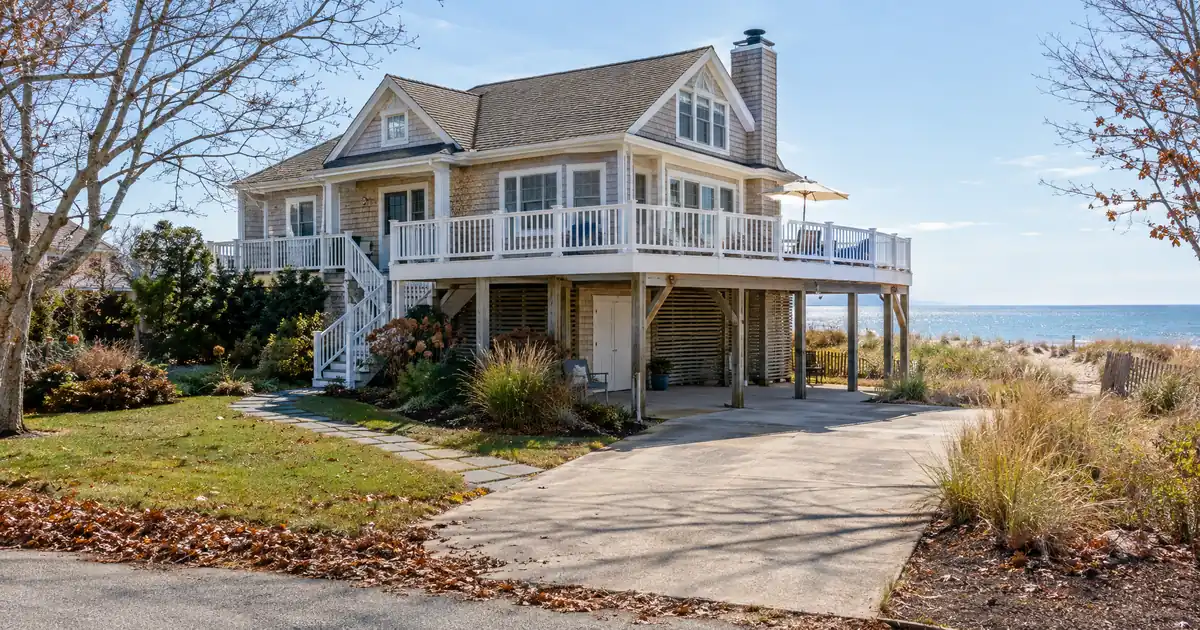
The Quick Read: The best program for your situation is one that accepts a young short-term rental on projected or appraiser-supported income and still allows cash-out after a short ownership window. Most programs in the network expect about 12 months of hosting experience, so files with less history route through select lenders and are reviewed one at a time.
- Ownership time and hosting history are two separate clocks, and lenders check both.
- Cash-out on short-term-rental collateral tops out at 70% LTV, with a 640 minimum credit score on the strongest files.
- Select programs start at a 1.00 DSCR on short-term-rental refinances, but that figure is a program floor, not a universal standard.
- A payoff-only refinance is often easier than cash-out, and cash buyers have their own delayed-financing route.
- Rules vary by lender, so a broker who shops several wholesale lenders can match your file to the right program.
You just bought a rental, furnished it, and listed it. Then you noticed the equity sitting there. Here is how lenders treat that equity before the property is a year old.
DSCR Cash-Out Calculator
Run the cash-out numbers in your market
Rate source: Freddie Mac 30-yr average via FRED® — Federal Reserve Bank of St. Louis · effective Oct 29, 2026
Prefilled with starting assumptions — enter your property’s value, balance, taxes, and insurance for a more accurate picture.
Program parameters update from Lendmire’s centralized guideline source. Taxes and insurance are editable estimates.
As of Oct 29, 2026 · General Freddie Mac market benchmark, not a Lendmire loan offer. Property value, balance, taxes, and insurance are editable estimates. Maximum loan-to-value varies by lender, program, property type, and seasoning. Not a Loan Estimate, approval, or commitment to lend. Program availability and eligibility are subject to lender guidelines, credit approval, property review, and underwriting.
What Does “Twelve Months” Actually Refer To?
Twelve months can mean two different things, and mixing them up causes most of the confusion. One clock measures how long you have owned the property. The other measures how long the property has operated as a short-term rental.
| Clock | What starts it | What it controls |
|---|---|---|
| Seasoning | Deed or title recording date | Whether cash-out is allowed, and which value is used |
| Hosting history | First booked stay | Whether income is proven or projected |
Seasoning is the waiting period a lender wants after you buy before it will lend against a new value. Across the network, about 6 months is the common expectation for cash-out. Some lenders go shorter and some go longer. The clock usually starts at the recorded deed, not when the rehab ends or the first guest checks in.
Hosting history is the track record of bookings. Short-term-rental programs usually expect about 12 months of landlord or host experience. That is where a young property gets tripped up, and it is why one program can say yes to a six-month-old rental while another says wait.
Nobody in government sets either rule. DSCR loans are business-purpose investor loans, so each program writes its own seasoning and history terms. Because of that, the right answer depends on the program, not on a single national rule.
Which Program Types Can Work Before Twelve Months?
Five routes exist, and each one fits a different borrower. A broker’s job is to match the route to your timeline, not to push one product.
| Route | What it relies on | Trade-off | Best fit |
|---|---|---|---|
| Projection-based cash-out | Appraiser STR analysis or a third-party forecast | Income may be discounted | Strong market data, little history |
| Long-term-rent basis | Market rent on a standard lease | Often understates a strong STR | Marginal or unproven STR income |
| Payoff-only refinance first | Existing balance plus costs | No cash back yet | Hard-money or bridge payoff |
| Delayed financing | Documented purchase price plus costs | Proceeds stay near cost | All-cash buyers |
| Wait for seasoning | Appraised value and hosting history | Equity stays locked | Thin or inconsistent bookings |
The network’s short-term-rental parameters sit under all five routes. Purchases go up to 75% LTV on the strongest files. Short-term-rental cash-out and refinances go up to 70% LTV, while most standard-rental cash-outs top out around 75%. The credit minimum is 640. Loans run up to $3,000,000 on standard programs, and the required reserves depend on lender, leverage, and loan size.
Coverage is where people trip. A 1.00 floor applies to short-term-rental purchases and to refinances alike, and select programs start there. A separate select-lender path exists for coverage below 1.00, with leverage and terms adjusted. These are different programs, not one program with a moving floor.
These parameters are typical ranges, not promises. Every file is underwritten individually, and nothing here is a commitment to lend.
How Do Lenders Qualify Income With Limited History?
Lenders pick one of four income bases, depending on the program. Understanding them tells you how your file will be read.
1. Actual platform history. This is the cleanest evidence if you have any. Payout statements and bank deposits show what the property really earned.
2. Appraiser STR analysis. The appraiser estimates what the property can earn as a short-term rental, using comparable properties.
3. Third-party projection. A market-data report such as AirDNA forecasts occupancy and nightly rate pricing, and results vary by scenario and comparable listings.
4. Long-term market rent. This is the fallback when short-term income can’t be supported.
Here is where the appraisal itself matters. Fannie Mae’s appraiser guidance explains that the standard rent schedule form, the 1007, was not designed for single-family homes used as short-term rentals. It calls for monthly-lease comparables and cannot estimate a nightly fee. That is agency contrast only, since these are not agency loans. Still, many investor programs reuse the appraisal format, so the limitation travels with it.
McKissock, an appraiser-education provider, adds two useful points. Business income is outside the scope of that form, and the lender decides what income to use. An appraiser may turn to a tool like AirDNA instead. So the appraiser does not decide your short-term-rental income. The lender does.
HousingWire reports that applying that form to a short-term rental can distort coverage calculations and produce artificially low ratios. In practice, a strong Airbnb can look weak on a long-term rent schedule. That one input can decide whether a file clears 1.00 at all.
After the income comes the coverage test. DSCR (debt service coverage ratio) divides the property’s income by PITIA, which is principal, interest, taxes, insurance, and association dues. Some programs discount short-term income before running the test. The ratio uses rent against PITIA only. Clearing 1.00 does not mean positive cash flow, because repairs, vacancy, management, utilities, and capex sit outside the calculation.
Cost Basis or Appraised Value: Which Number Sizes Your Loan?
Inside the seasoning window, many programs size the loan off the lower of two numbers: the appraised value or your cost basis. Cost basis is the purchase price plus documented rehab spending. Once seasoning is satisfied, the appraised value generally takes over.
The effect is easy to picture. Say you bought a dated cabin and renovated it, and the appraisal comes in well above what you put in. A lender still inside the window may size off your cost, so the extra equity stays locked until seasoning ends. An improvement may support a higher appraised value, depending on comps and underwriter review. It does not automatically raise your loan.
Then the loan is the smaller of two amounts. One is the LTV cap applied to the value basis. The other is the amount at which coverage still passes. A bigger loan raises the payment, which lowers coverage, so a larger cash-out can fail on income even when the equity is there. Strong files clear both tests: enough equity and enough rental coverage.
A larger down payment at purchase can lift coverage. It never erases leverage caps, credit floors, reserve rules, or property eligibility.
Three Scenarios by Months Owned and Months Hosted
The all-cash buyer, five months in. You bought with cash, furnished the home, and have hosted for four months. Delayed financing is the natural route, and proceeds usually stay near what you paid plus costs rather than a higher appraisal. A lien at purchase, such as hard money, generally breaks the cash-buyer test. Ask a broker early whether your purchase structure qualifies.
The hard-money rehab, seven months in. You financed with a short-term bridge loan and finished the rehab. A payoff-only refinance often gets a friendlier read than cash-out. If you’ve passed the common 6-month seasoning mark, a cash-out at up to 70% LTV on short-term-rental collateral may be possible with a program that accepts a projection. If hosting history is thin, the payoff-only refinance may come first, with cash-out after the history builds.
The converted long-term rental, ten months in. You moved a tenant out and switched to nightly stays. Some programs will review blended or projected income if market data supports it. Others want the full 12 months of operating history before treating the property as a short-term rental. If your first months were slow, expect a lender to ask why before it trusts the projection.
Refinance Now or Wait?
Refinance now when your bookings match the projection, your coverage clears 1.00 with room, and the lender uses projected or appraised short-term income. Wait when your coverage depends on a rosy projection, when you are inside the seasoning window and the value basis is cost rather than appraisal, or when a prepayment penalty would punish you for refinancing again soon.
Prepayment penalties are common on DSCR loans. Model one before you pull equity, because a second refinance within a few years can wipe out the benefit of the first.
| Signal | Reading |
|---|---|
| Past about 6 months owned, projection accepted | Proceed |
| Coverage clears 1.00 only on optimistic income | Caution |
| Inside window with large appraisal gap | Caution: cost basis may cap the loan |
| Property lacks legal short-term-rental use | Stop |
A property that can’t legally operate as a short-term rental may not be able to count that income at all.
What Documents Should You Gather?
Gather these before you talk to anyone:
- The settlement statement showing your purchase price and costs
- Rehab receipts, which establish cost basis
- Platform payout statements and matching bank deposits, if you have any history
- A market-data report such as AirDNA
- HOA or condo documents, if they apply
- An insurance quote that fits short-term-rental use
- Entity documents if the property is held in an LLC, subject to program terms
Missing paperwork is the usual reason a file stalls, not weak numbers.
What Can Go Wrong?
Four things sink these files. First, the appraisal may use long-term rent and understate income. Second, a lender may discount your projected income before testing coverage. Third, a larger cash-out raises the payment and can drop coverage below the line. Fourth, seasonal bookings can swing results, so the months you hosted may not represent a full year.
Reserves matter too. Many files want about 6 months of PITIA, though conservative files at modest leverage may see them waived. Whether cash-out proceeds count toward reserves varies by lender.
If you want the broader program picture, Lendmire’s complete DSCR loans guide lays out the basics.
How Does a Broker Find the Right Program?
No single lender is best for every young short-term rental. A broker works with many wholesale lenders, and each one sets its own seasoning, history, and income rules. Lendmire is a broker arranging financing through select lenders in its network across 41 markets, including Washington, D.C. It is not a lender and does not approve loans.
Ask any broker these questions:
- Does the program accept projected income, or does it need actual history?
- How long is seasoning for cash-out, and what value basis applies inside it?
- What LTV applies to short-term-rental cash-out, not just to standard rentals?
- Is income discounted before the coverage test?
- What is the prepayment structure?
- Are reserves required, and do proceeds count?
If you can’t qualify yet, you still have paths. Run a payoff-only refinance first, build bookings, wait out seasoning, or convert the file to a long-term-rent basis if the numbers allow. Tax treatment varies; consult a qualified professional.
Key Terms Defined
Seasoning: The waiting period between your purchase and the date a lender will lend against a new value.
Hosting history: The record of bookings that shows a short-term rental has actually earned income.
Cost basis: Your purchase price plus documented rehab spending.
Delayed financing: A refinance for all-cash buyers that returns equity close to what they paid, without a long wait.
PITIA: Principal, interest, taxes, insurance, and association dues, the monthly obligation that rent is tested against.
Frequently Asked Questions
Can I cash-out refinance an Airbnb I bought six months ago?
Possibly. About 6 months is the common seasoning expectation for cash-out across the network. Short-term-rental cash-out goes up to 70% LTV, and you need a program that accepts your income evidence without a full year of hosting history. Qualification stays subject to lender guidelines.
Does a high DSCR or bigger down payment shorten seasoning?
Not by itself. A bigger down payment can lift coverage, but seasoning and hosting-history rules are separate program terms. Strong coverage helps your file, though it doesn’t erase leverage caps, credit floors, or reserve rules.
Do I need a lease for a short-term rental refinance?
Usually not. Programs generally rely on short-term income evidence, such as history, an appraiser’s analysis, or a projection. A long-term lease may serve as the fallback income basis if short-term income can’t be supported.
What if my coverage lands below 1.00?
One path exists through select lenders in the network, with leverage and terms adjusted. Expect lower leverage than a file clearing 1.00. Details change by lender, so ask a broker what applies to your property.
Which property types are excluded?
Manufactured homes (single- and double-wide), log homes, and barndominiums are not offered through the network’s DSCR programs. If your short-term rental is one of those, plan for a different financing route.
If you are buying or refinancing a rental property and want to see how the numbers work, Lendmire can help you compare DSCR loan options based on the property income, credit profile, leverage, and investor goals. An illustrative calculator on the site can show how leverage and coverage interact. It is an estimate, not a quote.
The strongest move with a young short-term rental is rarely forcing a thin file through. It is timing your cash-out to the month your bookings, your cost basis, and your coverage all line up.
For how equity extraction works on an investment property, see Lendmire’s guide to cash-out refinance on an investment property.
About Lendmire
Lendmire is a non-QM mortgage brokerage (NMLS# 2371349) arranging DSCR investor loans in 41 markets, including Washington, D.C. DSCR eligibility is generally reviewed around property-level rental income rather than personal income, subject to lender and program guidelines, a fit for self-employed investors and LLC-owned portfolios. Lendmire was recognized as a Scotsman Guide Top Mortgage Workplace in 2025 and 2026.
Get Started
Ready to find the right loan for you?
See your offer in seconds. No credit pull, no obligation.
Informational only. Not a Loan Estimate, approval, or commitment to lend. Program availability and eligibility are subject to lender guidelines, credit approval, property review, and underwriting.
References
1. Fannie Mae appraiser guidance on the rent schedule form and short-term rentals
2. McKissock Learning on Form 1007 and short-term-rental appraisals
3. HousingWire on short-term rentals and the appraisal playbook
This article is part of Lendmire’s investment property cash-out refinance program — full qualification details, guidelines, and scenarios live on the program page.
Related reading: Short-Term Rental Cash-Out Refinance Requirements for a First-Time Host · How a High-LTV DSCR Cash-Out Refinance Works on a Rental · DSCR Cash-Out Refinance Requirements for an Investment Property Midway Through a Rehab
Brandon Miller
Founder & CEO, Mortgage Loan Originator, Lendmire LLC
- Mortgage Loan Originator · NMLS# 1129696 · Verify on NMLS Consumer Access
- North Carolina Real Estate Broker · License# 343312 · Verify on NCREC
- North Carolina Insurance Producer · License# 19053198 · Property, Casualty, Life, Health · Verify on NAIC SBS
- Lendmire LLC · Firm NMLS# 2371349 · Verify firm licensure
Important disclosures. Lendmire (NMLS# 2371349) is a licensed mortgage brokerage. Lendmire is not a direct lender, depository institution, or financial advisor. All loan inquiries are subject to lender underwriting; this article does not constitute a commitment to lend. Rates, terms, and program guidelines are subject to change without notice and vary by borrower profile, property type, and state. Information in this article is general in nature and is not financial, legal, or tax advice. Equal Housing Opportunity. NMLS Consumer Access: nmlsconsumeraccess.org.