
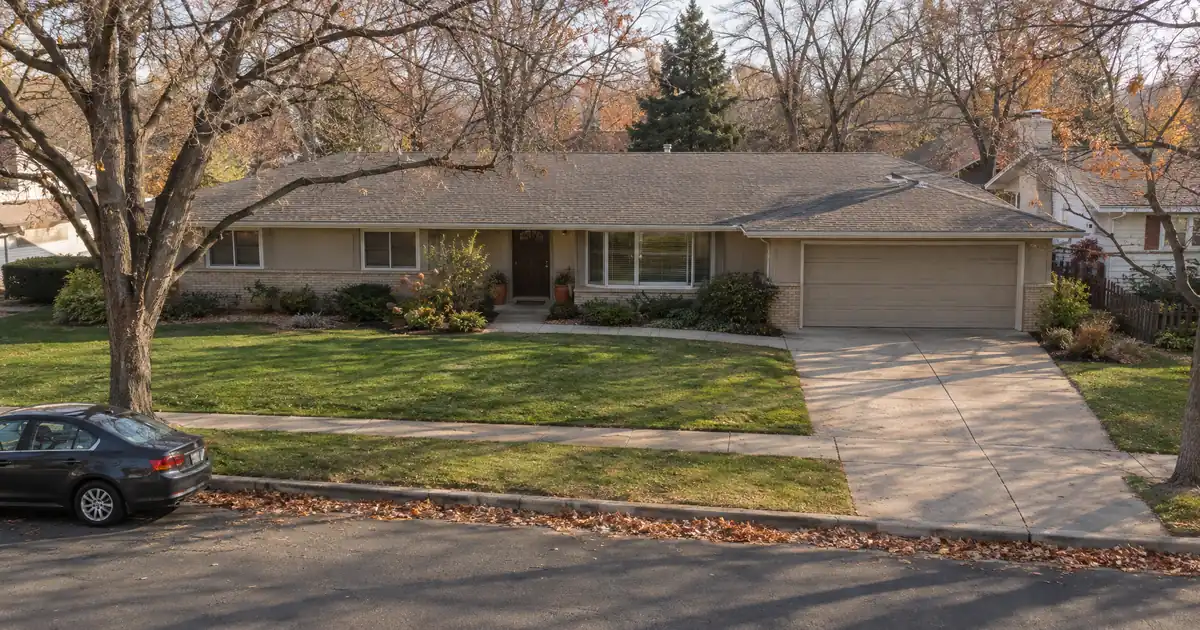
The Quick Read: It depends on the program, but a signed lease is not always required. Many programs will accept a vacant, rent-ready property and use the appraiser’s market-rent opinion in place of a lease. Cash-outs run stricter than purchases, so ask about the lender’s vacancy stance before you apply.
- A tenant in place with a signed lease is the safest, cleanest state for a long-term-rental cash-out.
- A vacant, rent-ready house can work, but the file then rests on one appraiser’s rent opinion.
- On a standard rental, cash-out leverage tops out around 75% LTV, with about 6 months of ownership expected.
- Clearing DSCR (the debt service coverage ratio, which compares rent to the full monthly payment) does not mean the property cash flows. Exact terms depend on the lender’s guidelines, property type, leverage, and a full review of the borrower’s file.
Why Do Lenders Give Conflicting Answers?
Lenders disagree because no federal rule settles this. DSCR loans are non-QM, which means they sit outside standard agency mortgage rules. Each lender or investor writes its own guidelines. One investor hears yes, another hears no, and both are telling the truth about their own program.
DSCR Cash-Out Calculator
Run the cash-out numbers in your market
Rate source: Freddie Mac 30-yr average via FRED® — Federal Reserve Bank of St. Louis · effective Oct 29, 2026
Prefilled with starting assumptions — enter your property’s value, balance, taxes, and insurance for a more accurate picture.
Program parameters update from Lendmire’s centralized guideline source. Taxes and insurance are editable estimates.
As of Oct 29, 2026 · General Freddie Mac market benchmark, not a Lendmire loan offer. Property value, balance, taxes, and insurance are editable estimates. Maximum loan-to-value varies by lender, program, property type, and seasoning. Not a Loan Estimate, approval, or commitment to lend. Program availability and eligibility are subject to lender guidelines, credit approval, property review, and underwriting.
Across the wholesale network Lendmire works with, the pattern is consistent. Vacancy is tolerated more readily on a purchase than on a cash-out. The reason is risk. On a purchase, the borrower is putting down fresh cash. On a cash-out, the lender is handing money back against a property that has no proof of income.
A lease proves the rent exists. A vacant file proves nothing on its own, so the lender leans on the appraisal. That is why the strictest programs want a lease. A few lenders will take a vacant, rent-ready house at market rent. Most sit in between, and what they want depends on leverage, credit, and the property.
Here is the script to find out which camp your lender is in. Ask four questions:
1. Do you accept a vacant, rent-ready property on a cash-out, or only on a purchase?
2. If a lease exists, do you count the lease rent or the appraiser’s market rent?
3. Do you need proof that the tenant actually pays?
4. On a 2–4 unit building, can one unit be vacant?
Key Terms Defined
Market rent is the appraiser’s opinion of what the property would rent for today, based on comparable rentals nearby.
Rent schedule is the appraisal form that shows those comparable rentals and the resulting market-rent opinion.
Rent-ready means the property could be leased as it stands, with no major repairs left.
PITIA is principal, interest, taxes, insurance, and any association dues. It is the full monthly obligation that rent is measured against.
LTV is loan-to-value, the loan balance divided by the appraised value.
Seasoning is the waiting period between buying a property and cashing out on it. The clock usually runs from the date title was recorded.
Month-to-month tenancy means the fixed lease term has ended and the tenant stays on a rolling basis.
Where Does the Rent Figure Come From?
The rent figure comes from the appraisal. On a one-unit rental, the appraiser completes a rent schedule that estimates market rent from comparable rentals. Fannie Mae’s Form 1007 is the standard version, and the lender uses it to get market rent from the appraiser. Freddie Mac publishes the same form as Form 1000.
Here is the one contrast worth knowing. Agency cash-out rules do not govern DSCR loans. DSCR files only borrow the forms. The program rules come from the lender or investor.
For 2–4 unit buildings, the rent analysis sits in a different appraisal report, Form 1025. The idea is the same. The appraiser documents comparable rents, and the lender reads coverage off that analysis.
What Does the Lender Check, and When?
The tenant question comes up at several stages, not just at the closing table. The answer to “in place at closing” depends on which stage the lender checks.
| Stage | What gets checked | What can go wrong |
|---|---|---|
| Application | Occupied or vacant; lease copy | Lease expired or unsigned |
| Appraisal | Market rent; condition | Weak comps; not rent-ready |
| Underwriting | Lease, payment proof, coverage | Rent paid below the lease |
| Clear to close | Occupancy still matches the file | Tenant left or arrived late |
Lenders vary on how much they re-check late in the file. A tenant who leaves after the appraisal can force a re-review of the rent figure. A new tenant who signs before closing can improve the file, but only if the lender accepts the new lease. Tell your broker the moment anything changes.
Which Rent Counts for Each Tenant Situation?
The rent figure depends on who is living in the property. The table below shows how most programs in the network treat each situation. Individual lender rules differ.
| Situation | Rent the lender leans on | Main risk |
|---|---|---|
| Fixed-term lease, paid | Lower of lease or market rent | Lease below market drags coverage |
| Month-to-month or expired | Often market rent alone | Lender wants a renewal |
| Newly signed lease | Lower of lease or market rent | Move-in or deposit proof |
| Vacant, rent-ready | Appraiser’s market rent | One rent opinion carries the file |
| Vacant, needs work | Usually not eligible as is | Finish repairs, lease, then refinance |
| Former primary residence | Market rent plus proof of move-out | Seasoning runs from the deed |
Note the first row. A lease above market rent adds nothing, because the lender generally counts the lower of the two figures. A lease below market pulls coverage down. Many investors assume a higher lease boosts the loan. It does not.
A tenant who is not paying is harder than a vacant unit. The lender will not rely on lease rent without payment proof. Depending on the program, it may use market rent or decline to treat the property as stabilized. The fix is to cure the arrears, re-lease, or refinance once the unit is vacant and rent-ready.
A Worked Example: Same House, Occupied Versus Vacant
Run the numbers on one modeled single-family rental. These are assumptions, not market data. Say the investor asks for a cash-out at 75% LTV, the standard-rental ceiling, with well over 6 months of ownership. Every figure here varies by lender and program — guidelines, property type, leverage, and credit profile all apply.
Occupied. The signed lease produces coverage of about 1.25x. The appraiser’s market rent produces about 1.15x. The lender counts the lower figure, so the file is underwritten at roughly 1.15x. The lease is documented and payments are proven, so there is little left to question.
Vacant. The same house sits empty and rent-ready after a light refresh. The appraiser’s market rent still produces about 1.15x. Coverage is identical, but the file looks different. There is no payment history and no lease to cross-check. If the appraiser’s comps are thin or dated, the market-rent figure can come in lower. That would move coverage down with it.
The takeaway is simple. Vacancy may not block the cash-out, but it makes the outcome depend heavily on comp quality. Occupancy gives the underwriter a second data point.
One more caution applies to both versions. A cash-out raises the payment, so the same rent covers less than before. Coverage that cleared easily on the original loan can tighten after the new balance lands. The calculator on this site can give an illustrative estimate of how that shifts. For a full breakdown of how the balance is handled, see Lendmire’s piece How a Rental Cash-Out Refinance Pays Off Every Balance at Closing.
Lease First or Close Vacant?
Lease first when the property is rent-ready and a tenant is ready to sign. Close vacant when the loan terms are right, the lender accepts market rent, and waiting would cost more than it saves. Neither choice is always correct.
| Factor | Lease first | Close vacant |
|---|---|---|
| File strength | Cleaner, two data points | Rests on appraisal |
| Lender options | Wider across the network | Narrower on cash-outs |
| Carrying cost | Ends once rent starts | Vacancy continues |
| Best for | Rent-ready, tenant lined up | Strong comps, lender accepts |
For investors running the BRRRR pattern (buy, rehab, rent, refinance), the sequence is built in. Rehab, lease, then refinance. Leasing first avoids the lender-by-lender variance on vacancy, and it gives the file a payment history.
Honestly, the call is close for a rent-ready house in a strong rental area. If the lender you want accepts vacancy, closing vacant saves carrying months. If you are shopping across lenders, the lease widens your options. The stronger play is usually to lease first when a good tenant is already waiting.
Never evict a tenant or let a lease lapse to improve the file. A vacancy you create can hurt the file, and it puts you in a worse position if a lender then asks for a lease.
What If the Tenant Situation Changes Before Closing?
Tell the broker immediately, then expect the lender to re-check the rent figure. The file was built on the facts at application and appraisal. Anything that changes those facts can change the rent the lender counts.
- Tenant moves out: the file may shift to market rent, or the lender may require the unit to be rent-ready again before it proceeds.
- New tenant signs: the lender may count the new lease if it is signed, shows rent and term, and has payment proof such as a deposit or first month received.
- Lease renews at a different rent: the lender generally reads the lower of the new lease and market rent.
- Lease expires and the tenant stays: many programs will underwrite on market rent alone.
The tenant does not need to move out for a cash-out. The lease carries through the refinance. The loan changes who the lender is, not the tenant’s rights under the lease.
Which Documents Should You Gather?
Gather the rent proof first, because that is where files stall. The list depends on tenant status.
Occupied: the signed lease showing rent, term, and parties, plus proof the rent is actually paid, such as bank deposits.
Newly leased: the new lease and evidence of the first payment or deposit.
Vacant: proof the property is rent-ready, such as photos or a completed-repairs record. Some lenders also ask for a short explanation of why the unit is empty. The appraiser’s rent schedule fills the income side.
Former primary residence: evidence of the move-out and conversion, such as a lease or proof of a new residence. Seasoning runs from the deed date.
Short-term rental: hosting history or platform income records. The rent schedule cannot estimate nightly rates.
On short-term rentals, the numbers differ. Cash-out tops out around 70% LTV on short-term-rental collateral, versus 75% on a standard rental. Expect about 12 months of hosting history and a coverage floor of 1.00 on refinances. Short-term rental rules can vary by city, county, HOA, and property type, so investors should confirm local rules before relying on projected rental income. Final terms depend on lender guidelines, property type, leverage, and the borrower’s complete credit picture.
What Stays the Same No Matter Who Lives There?
Tenancy changes the rent figure. It does not change the loan’s other tests. A strong lease does not erase leverage caps, credit floors, or reserve rules.
Leverage. Cash-out refinance on a standard rental tops out around 75% LTV across most of the network. A larger down payment on a purchase can lift coverage, but it never overrides that cash-out cap. These specifics are subject to lender guidelines and a full review of property, leverage, and credit.
Seasoning. About 6 months of ownership is the common expectation, measured from title recording.
Coverage. 1.00 is where many select programs start. A separate select-lender path takes coverage below 1.00, with leverage and terms adjusted. Stronger coverage generally opens better pricing and leverage.
Credit. A 620 floor exists in parts of the network. Most programs want around 660, and 700 or higher unlocks the strongest leverage tiers.
Reserves. Commonly about 6 months of PITIA, stepping up to about 9 months on loans above $1,500,000. Reserves vary by lender, leverage, and loan size.
Loan size. Up to $3,000,000 on standard programs. Above $2,500,000, the network generally holds to 30-year fixed structures.
Property type. Manufactured homes (single- and double-wide), log homes, and barndominiums are not offered through these programs.
DSCR loans are designed for non-owner-occupied investment properties. Because they are business-purpose investor loans, they are reviewed differently from a standard owner-occupied mortgage. The loan is reviewed primarily on property-level rental income covering the payment, subject to lender guidelines.
Keep one limit in view. DSCR compares rent to PITIA only. Repairs, vacancy, management, utilities, and capital expenses sit outside the calculation. A file can clear 1.00 and still lose money each month. For the full picture of how these programs fit together, read Lendmire’s complete DSCR loans guide.
Frequently Asked Questions
Can I cash out on a rental that is vacant while I renovate?
Usually not while work is unfinished. A vacant property that still needs heavy repairs is typically not eligible as it stands. The usual path is a short-term bridge or rehab loan first. Then you lease the property and refinance once it is stabilized. A light refresh on a near-rent-ready house is a different story, and some programs will underwrite it on market rent.
If I have a lease, which rent does the lender use?
Generally the lower of the signed lease and the appraiser’s market rent. A lease above market adds nothing. A lease below market lowers your coverage. If the lease has lapsed or runs month-to-month, some programs will underwrite on market rent alone.
Do I have to tell my tenant about the refinance?
The refinance does not end the lease, and the tenant does not have to move. The lease carries through. Your lender may ask for a copy of it, and some ask for proof of payment, so you will likely share lease documents. Your lease terms and local landlord rules decide whether you owe the tenant any notice.
Can a former primary residence qualify for a cash-out as a rental?
Yes, in many programs, once it is clearly an investment property. Expect the lender to use market rent and to ask for proof of conversion, such as a lease or evidence you moved out. Seasoning runs from the deed date, so a long ownership history helps.
Does a vacant unit in a small multifamily sink the file?
Not necessarily. Some programs allow one vacant unit in a 2–4 unit building if it is rent-ready. Others require every unit to be leased on a cash-out. Rules differ by lender, so ask before you order the appraisal.
Next Step
If you are buying or refinancing a rental property and want to see how the numbers work, Lendmire can help you compare DSCR loan options based on the property income, credit profile, leverage, and investor goals. Lendmire is a mortgage broker arranging financing through select lenders in its wholesale network, across 41 markets, including Washington, D.C. Call 828-256-2183 and ask which lenders treat your tenant situation the way you need before you order the appraisal. Qualification is subject to lender guidelines. This is not a commitment to lend.
A lease signed before the appraiser walks through is a low-cost way for an investor to support the rental income on a cash-out file.
For the mechanics of pulling equity out of a rental property, see Lendmire’s guide to cash-out refinance on an investment property.
About Lendmire
Lendmire (NMLS# 2371349), a non-QM mortgage broker serving investors in 41 markets including Washington, D.C., helps structure DSCR scenarios commonly evaluated around a property’s rental income rather than personal income paperwork, subject to lender guidelines. A Scotsman Guide Top Mortgage Workplace in 2025 and 2026, Lendmire places loans through wholesale investor lenders and is not a direct lender.
Get Started
Ready to find the right loan for you?
See your offer in seconds. No credit pull, no obligation.
Informational only. Not a Loan Estimate, approval, or commitment to lend. Program availability and eligibility are subject to lender guidelines, credit approval, property review, and underwriting.
References
1. Fannie Mae Form 1007, Single-Family Comparable Rent Schedule
2. Freddie Mac Form 1000, Single-Family Comparable Rent Schedule
This article is part of Lendmire’s investment property cash-out refinance program — full qualification details, guidelines, and scenarios live on the program page.
Related reading: Can You Get a Short-Term Rental Cash-Out Refinance Without Restarting 30 Years? · How to Plan and Use a Short-Term Rental Cash-Out Refinance to Fund a Renovation
Brandon Miller
Founder & CEO, Mortgage Loan Originator, Lendmire LLC
- Mortgage Loan Originator · NMLS# 1129696 · Verify on NMLS Consumer Access
- North Carolina Real Estate Broker · License# 343312 · Verify on NCREC
- North Carolina Insurance Producer · License# 19053198 · Property, Casualty, Life, Health · Verify on NAIC SBS
- Lendmire LLC · Firm NMLS# 2371349 · Verify firm licensure
Required disclosures. Lendmire (NMLS# 2371349) operates as a licensed mortgage broker, not a direct lender or depository. The discussion in this article is general in nature and should not be relied upon as financial, legal, or tax advice — every investment scenario is unique and should be reviewed by a qualified professional. Any loan inquiry is subject to lender underwriting, and this article is not a commitment to lend or a guarantee of approval. Mortgage rates, loan terms, and program guidelines vary by borrower, property, and state, and may change without notice. Equal Housing Opportunity. Verify licensure at NMLS Consumer Access.