
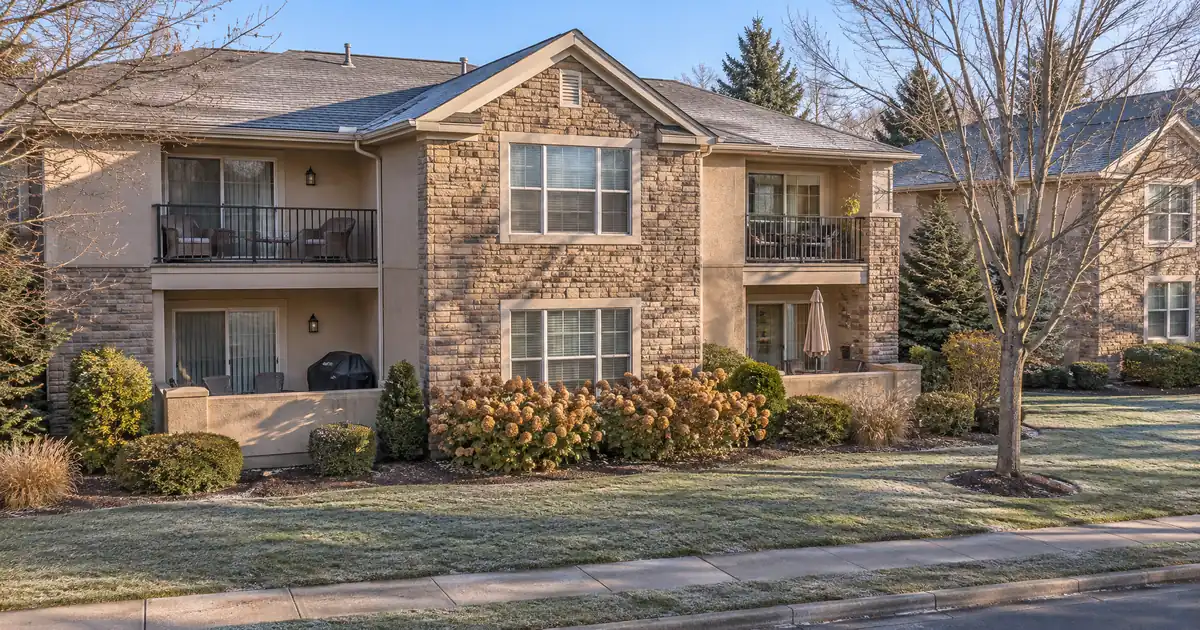
The Quick Read: Sometimes, but only case by case, and one litigated condo can affect the whole pool. Lenders in the network run their own review of the building, so a lawsuit does not automatically rule a condo out. The suit’s type and exposure decide how the lender treats it, and because every property secures the same note, the problem does not stay in one unit.
- Cash-out on a portfolio never exceeds 75% of the pooled value.
- A property bought within the last six months faces extra caps tied to ownership time and cost.
- The 30-year portfolio DSCR loan tests pooled rent against pooled debt service, with a 1.00 coverage floor.
- Carving the condo into its own loan often protects the rest of the pool.
- Condo dues sit on the payment side and pull coverage down.
You own several rentals, one of them a condo, and the HOA is in a lawsuit. Do you put that unit in the pool or leave it out? The answer depends on facts about the building. It rarely depends on the word “litigation” alone.
Key Terms Defined
Portfolio DSCR loan. One note secured by several rentals, also called a blanket or cross-collateralized loan. It is tested on the combined rent and combined debt service.
DSCR (debt service coverage ratio). Monthly rent divided by the full monthly obligation: principal, interest, taxes, insurance, and HOA dues.
Warrantable condo. A building that meets the standard project rules used for conventional loans. A non-warrantable building misses one or more of them, and pending litigation is one common reason.
Cross-collateralization. Each property in the pool backs the entire loan, so trouble at one property can hold up the whole file.
Seasoning. The ownership time a lender wants before it counts a property’s value for cash-out. Across the network it is about six months, measured from title recording.
HOA questionnaire. A form the association or its management company completes. It covers dues, reserves, delinquencies, litigation, and insurance.
Why DSCR Lenders Can Say Yes When Conventional Lenders Say No
Pending litigation is mainly a conventional-lending problem. The Fannie Mae Selling Guide makes a project ineligible when the HOA or developer is a party to a suit tied to safety, structural soundness, habitability, or functional use. That is an agency rule. DSCR loans are not agency loans, so it is a contrast point and not the DSCR standard.
Lenders in Lendmire’s network run their own project review instead. A non-warrantable building is not automatically out. The trade-off is a smaller pool of lenders willing to look at it, and leverage that often comes in lower.
Outside commentary is mixed. A lender in a BiggerPockets thread says many DSCR lenders no longer treat warrantable and non-warrantable condos differently, and that litigation can still be acceptable. That is one practitioner’s post, so treat it as a data point. Across the network, the working answer is that treatment varies by lender and by case.
What the Lender Actually Reviews
The lender reads the suit, not just its existence. A mortgage insurer’s explainer lists pending litigation as one trigger for non-warrantable status, alongside other building-level issues. Underwriters look at the same cluster of facts:
- The type of case and the dollar exposure.
- Whether insurance covers the claim.
- Reserve levels and any special-assessment notices.
- Delinquent dues and investor concentration in the building.
- Whether the developer still controls the association.
Litigation rarely travels alone. It often stacks with thin reserves and heavy investor ownership, and that combination is what pushes a file toward hold or decline. A suit over a localized unit problem reads very differently from a construction-defect case that could produce a large assessment.
How Litigation Types Tend to Be Treated
Every outcome below is subject to lender guidelines. Treat the table as a map of what each lender is likely to weigh, not a prediction.
| Litigation type | Likely lender view |
|---|---|
| Minor, localized unit damage | Often reviewable |
| Insurance or collections dispute | Reviewable, needs documents |
| Construction defect | Heavy review, assessment risk |
| Safety or structural claim | Frequent hold or decline |
| Class action | Often declined |
The agency rulebook carves out minor matters, such as localized damage that does not affect overall safety or function. DSCR lenders set their own lines, but the same logic shows up in how they sort cases.
Condotels are a separate category from non-warrantable condos. Some conditions can disqualify a unit regardless of any lawsuit, including a developer-controlled association, an unfinished project, and mandatory rental pooling.
How the Pool Changes the Math
A portfolio loan tests coverage on the pool. Under the 30-year portfolio DSCR loan, two to twenty properties sit under one note, with up to 80% leverage on a purchase or rate-and-term refinance and a 1.00 coverage floor measured on pooled rent against pooled debt service. SFR, 2-4 unit, condo, and townhome properties are eligible. Stronger properties can offset weaker ones. These specifics are subject to lender guidelines and a full review of property, leverage, and credit.
Cash-out is tighter. On a portfolio, cash-out never exceeds 75% of pooled value, and the structure’s own ceiling still applies. Two cost-basis caps sit beneath that ceiling for newly bought properties. Inside the first six months of ownership, the loan is capped at 90% of total cost (purchase price plus documented improvements). From six to twelve months, the cap is 100% of total cost. In either window the loan is the lower of the cost cap and the leverage ceiling. After twelve months, appraised value alone is the basis. A rate-and-term refinance is not subject to the cost-basis cap.
Here is how a condo with heavy dues plays out. Dues sit in the payment, so a condo can run below 1.00 on its own while the pool clears. Picture a pool of four rentals, three single-family homes at roughly 1.25x each and a condo at roughly 0.90x. The pooled number can still land around 1.15x. Underwriting tests the pooled coverage, the leverage, and the terms. That is a modeled illustration, not a quote.
Now add the lawsuit. The pooled ratio may look fine, but the condo still has to clear project review, and its value feeds the 75% pooled-value limit. A special assessment from the suit can raise dues and drag coverage down. Then the lender has to decide whether the cushion is thick enough.
Credit matters as well. The portfolio programs carry a credit floor of 640, and some structures ask for 680 or 720. An LLC or other special-purpose entity is required on some structures, subject to lender program eligibility. Reserves of about six months of PITIA are common, stepping up to about nine months on loans above $1,500,000. Every property still needs a lease or an appraiser-supported market rent.
Clearing 1.00 is not the same as positive cash flow. Repairs, vacancy, management, and capex sit outside the calculation. A litigated building makes that gap wider, not narrower.
One Condo, Whole Pool: The Cross-Collateral Problem
Because each property secures the whole loan, a problem at one building can delay or taint the entire cash-out. A new assessment, a value drop, or a lender hold on the condo does not stay in the condo. Release terms matter too. If you later sell one property out of the pool, the release price runs above that property’s allocated balance, and the remaining portfolio must still cover its debt service. The loan documents set the details.
Litigation can also emerge between application and closing. If it does, expect the lender to re-review the building, and expect the pool to wait on that review.
Include, Carve Out, or Replace?
| Option | What it does | Main trade-off |
|---|---|---|
| Pool the condo | One note, pooled coverage | Litigation can hold up everything |
| Carve it out | Condo on its own loan | Separate terms, pooled benefit lost |
| Swap it out | Substitute another rental | Needs a clean replacement asset |
Carving out is often the cleanest answer. Lendmire’s network lets you choose between per-property loans and a blended loan on a cash-out. Per-property loans keep the litigated building away from the rest of your collateral. The cost is losing the offset between strong and weak properties.
Waiting is a fourth path. A building can regain warrantable status if the HOA settles the suit and rebuilds reserves. If the case is likely to resolve, closing the cash-out on the other properties now and revisiting the condo later may beat forcing it into the pool.
Exit risk deserves a thought too. A non-warrantable unit has fewer likely buyers, because buyers meet the same financing limits. That matters if you plan to sell one unit out of the pool.
Documents to Gather Before You Apply
Start with the HOA, not the lender. Ask the management company for:
1. The completed condo questionnaire.
2. The complaint or a litigation summary.
3. The association’s insurance position.
4. The current budget and reserve study.
5. Board minutes and any special-assessment notices.
6. A delinquency report.
With those in hand, you can decide whether to include the condo, split it off, or hold it back. Gathering them first avoids discovering a hold trigger after the file is already moving. Pre-litigation activity can matter too, so ask what the board has been told.
Where Sources Disagree, and What That Means
Outside lenders disagree. One camp says litigation is a stop. Another says it can be acceptable. Both are describing different lender guidelines. The practical read is that treatment varies by lender and by suit, so the same condo can be a hold at one shop and reviewable at another. If you want the wider framework around these structures, the complete DSCR loans guide covers it.
Manufactured homes, log homes, and barndominiums are not financeable on these programs. Owner-occupied, co-op, mixed-use, and commercial property are also ineligible in the pool.
If you are buying or refinancing a rental property and want to see how the numbers work, Lendmire can help you compare DSCR loan options based on the property income, credit profile, leverage, and investor goals. Call 828-256-2183 or request a quote.
Frequently Asked Questions
Can a condo with pending HOA litigation go in a portfolio DSCR cash-out?
Sometimes. Lenders in the network review the building themselves, so a lawsuit does not automatically disqualify it. The case type, exposure, insurance, and reserves decide the result, subject to lender guidelines and property review.
Does one litigated condo sink the whole pool?
It can hold up the whole file, because every property secures the same note. Pooled coverage can absorb a weak condo ratio, but not a building the lender will not accept. Carving the condo into its own loan keeps the risk away from the other properties.
How do HOA dues affect the coverage ratio?
Dues are part of the monthly obligation in the denominator, so higher dues lower the ratio. A special assessment tied to the suit can push dues higher. The pooled test can offset one weak property if the pool still clears its 1.00 floor.
What is the maximum cash-out on a portfolio?
Never above 75% of pooled value, and never above the structure’s own ceiling. A recently bought property is limited further by its total cost, and the lower of the two limits governs. Actual proceeds depend on rent used for lender review, reserves, and the lender’s review. Terms depend on the lender’s guidelines, the property type, the leverage, and a full review of the credit profile.
Does the Fannie Mae litigation rule apply to DSCR loans?
No. That rule governs agency loans. DSCR lenders set their own project review, which is why a building that conventional lenders reject may still be reviewable, with a smaller lender pool and often lower leverage.
A deeper walk-through of investment-property equity extraction lives in Lendmire’s guide to cash-out refinance on an investment property.
About Lendmire
Lendmire, NMLS# 2371349, is a non-QM mortgage broker serving real estate investors in 41 markets, including Washington, D.C., through DSCR investor loan programs. Qualification is generally reviewed around the subject property’s rental income, not the borrower’s W-2 history — a practical fit for LLC-titled portfolios and self-employed investors. All scenarios remain subject to lender review and program guidelines. Two consecutive Scotsman Guide Top Mortgage Workplace recognitions (2025, 2026).
Get Started
Ready to find the right loan for you?
See your offer in seconds. No credit pull, no obligation.
Informational only. Not a Loan Estimate, approval, or commitment to lend. Program availability and eligibility are subject to lender guidelines, credit approval, property review, and underwriting.
References
1. Fannie Mae Selling Guide B4-2.1-03
2. BiggerPockets: Non-Warrantable Condo Refinance
3. Enact MI: What Makes a Condominium Non-Warrantable
This article is part of Lendmire’s investment property cash-out refinance program — full qualification details, guidelines, and scenarios live on the program page.
Related reading: DSCR Cash-Out Refinance vs Selling a Rental to Fund a Sabbatical · Is a DSCR Cash-Out Refinance Okay for Buying Land to Build On? · DSCR Cash-Out Refinance Rules When Your Income Is Portfolio Withdrawals
Brandon Miller
Founder & CEO, Mortgage Loan Originator, Lendmire LLC
- Mortgage Loan Originator · NMLS# 1129696 · Verify on NMLS Consumer Access
- North Carolina Real Estate Broker · License# 343312 · Verify on NCREC
- North Carolina Insurance Producer · License# 19053198 · Property, Casualty, Life, Health · Verify on NAIC SBS
- Lendmire LLC · Firm NMLS# 2371349 · Verify firm licensure
Legal disclosures. Lendmire (NMLS# 2371349) is a state-licensed mortgage brokerage that arranges financing through wholesale lender relationships. Lendmire is not a direct lender, depository institution, or registered financial advisor. The discussion above is general informational content about real estate financing — it is not financial, legal, or tax advice, and readers should consult licensed professionals for guidance on their individual circumstances. Loan inquiries are subject to lender underwriting; this article does not represent a commitment to lend. Loan terms, rates, and qualification standards vary by borrower, property, and state, and are subject to change at any time. Equal Housing Opportunity. NMLS Consumer Access: nmlsconsumeraccess.org.