
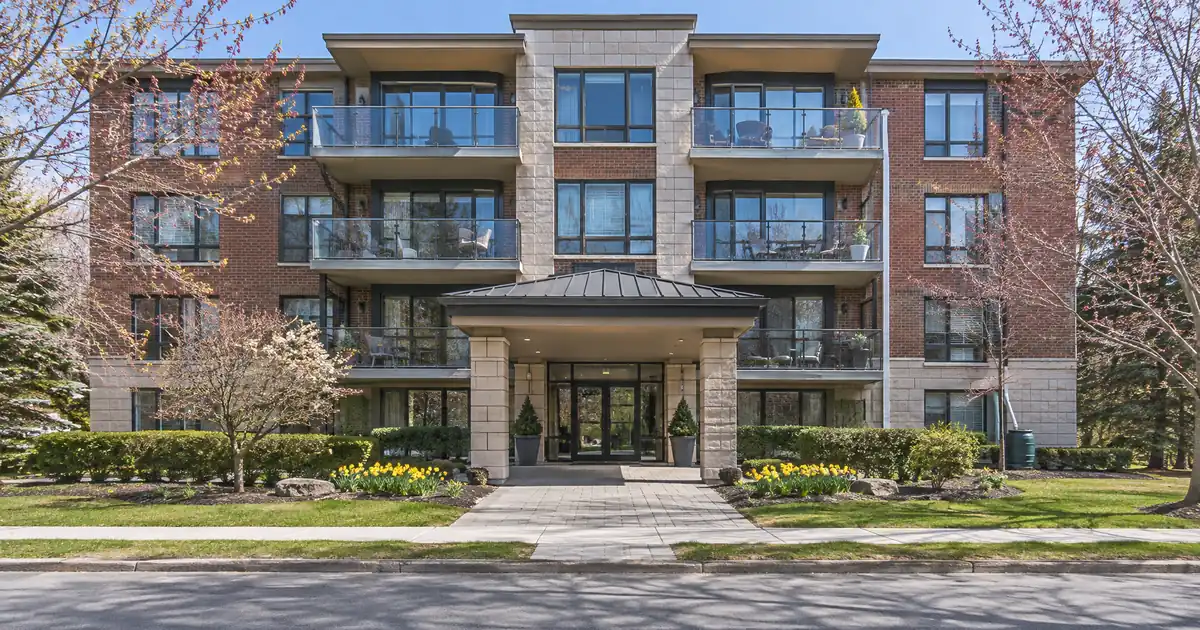
The Quick Read: A short-term rental cash-out refinance fits a condo that already has about 12 months of documented hosting income, while a long-term rental loan fits a condo that is leased, leasable, or has uncertain short-term rental rights, because the income evidence, not the renovation budget, decides which lane the file belongs in. Both are permanent refinances that pay out cash at closing. Neither works as a construction draw loan.
- Short-term rental lane: leverage on a cash-out is typically capped lower than in the long-term lane, and the file rests on a hosting record and a minimum coverage ratio.
- Long-term rental lane: typically up to 75% LTV on a cash-out of a standard rental, with rent proven by a lease or the appraisal’s market-rent opinion, and a credit floor that varies by program.
- Condo layer: HOA dues sit inside the payment in both lanes, and the HOA’s rental rules can close the short-term lane entirely.
- Renovation timing: the improvements may support a higher appraised value, depending on comps and underwriter review, but only after the work is done and any seasoning is met.
Side-by-Side
The two lanes sit inside the same family of investor loans. Both look at the property’s rent against its monthly obligation, not at the borrower’s pay stubs. The differences are in the income evidence, the leverage ceiling, and how much the condo itself gets scrutinized.
DSCR Cash-Out Calculator
Run the cash-out numbers in your market
Rate source: Freddie Mac 30-yr average via FRED® — Federal Reserve Bank of St. Louis · effective Nov 5, 2026
Prefilled with starting assumptions — enter your property’s value, balance, taxes, and insurance for a more accurate picture.
Program parameters update from Lendmire’s centralized guideline source. Taxes and insurance are editable estimates.
As of Nov 5, 2026 · General Freddie Mac market benchmark, not a Lendmire loan offer. Property value, balance, taxes, and insurance are editable estimates. Maximum loan-to-value varies by lender, program, property type, and seasoning. Not a Loan Estimate, approval, or commitment to lend. Program availability and eligibility are subject to lender guidelines, credit approval, property review, and underwriting.
| Factor | Short-term rental cash-out | Long-term rental loan |
|---|---|---|
| Review basis | Property income vs. payment | Property rent vs. payment |
| Income evidence | About 12 months of host history | Lease or appraisal market rent |
| Cash-out leverage | Up to 70% LTV | Up to 75% LTV (standard rental) |
| Credit score | 640 minimum | Often about 660; 620 in parts of network |
| Coverage floor | 1.00 on refinances | 1.00 where select programs start |
| Condo review | HOA questionnaire plus rental-rule check | HOA questionnaire and project review |
Two notes on the table. First, a 1.00 coverage floor is where select programs start, not a universal standard. A separate select-lender path takes coverage below 1.00, with leverage and terms adjusted. Second, a higher-leverage long-term ceiling does not make that lane better. It makes it a different tool.
Key Terms Defined
Cash-out refinance: a new permanent loan that pays off the existing loan and pays the borrower the remaining proceeds at closing.
DSCR (debt service coverage ratio): monthly rent divided by the full monthly obligation, meaning principal, interest, taxes, insurance, and any HOA dues.
Seasoning: the ownership period a lender expects before it will size a cash-out off appraised value. About 6 months is the common expectation across most of the network.
Warrantable condo: a project that meets the standard project-eligibility tests used for agency loans. Non-warrantable projects can still be reviewed by select investor lenders, with project-level conditions.
Condotel: a condo project operated with hotel-style rental services. These carry tighter requirements than ordinary condos and are eligible only with some programs.
Hosting history: platform payout or manager statements, with matching deposits, showing how the unit actually performed as a short-term rental.
What These Loans Can and Cannot Do for a Renovation
A cash-out refinance in either lane is a one-time payout, not a line of credit. The loan closes, the existing balance is paid off, and the remaining proceeds go to the borrower. The borrower then funds the renovation from that cash. No draw schedule, no inspections between stages, and no interim income test.
That structure makes sequencing the main decision on a condo renovation. There are two broad paths.
Refinance first, renovate second. The loan sizes off today’s value and today’s income evidence. The advantage is that the file reflects a condo that is operating or leased now. The cost is that the proceeds are limited to what the current value and coverage support.
Renovate first, refinance after. The loan sizes off the improved value, and the rent or hosting income can reflect the improved unit. The catch is that the renovation must be paid for another way, and the seasoning clock and income documentation still apply. A condo that was recently bought may be sized off cost rather than appraised value until seasoning is met, depending on program.
An improvement may support a higher appraised value, depending on comps and underwriter review. It does not add a fixed percentage, and a kitchen update in a building where every unit sells for about the same price may move the appraisal very little.
One more mechanical point. The appraisal does two jobs on these files: it opines on value, and it supplies the rent evidence. Fannie Mae’s appraisal forms page names the comparable rent schedule (Form 1007) and the 2-4 unit income form (Form 1025). Those forms are the general reference for how an appraiser documents market rent. A single condo is one unit, so the rent schedule is the closer fit, and a short-term rental file may pair it with hosting statements rather than rely on it alone.
When the Short-Term Rental Cash-Out Refinance Is the Better Fit
The short-term lane is the better fit when the condo has a real operating record and the documented income beats what a long-term tenant would pay. That is the whole case. Without the record, the lane is hard to use.
The unit has about 12 months of hosting history. Most programs in this lane expect roughly a year of experience, shown with platform payout statements or manager statements. Deposits in the bank account should match those statements. A condo that has hosted for six months, or that switched from long-term leasing to hosting last season, usually does not have the record. Only months actually operated as a short-term rental count toward history.
Short-term income produces stronger coverage than long-term rent. On a condo with high HOA dues, the larger payment from a cash-out can push long-term coverage close to or below 1.00. If documented hosting income is meaningfully higher than lease income, the same loan can clear 1.00 with room. Programs may apply their own adjustments to hosting income, so the coverage number from the file is not the gross booking number.
The HOA permits short-term rentals. This is a condo-specific gate. If the declaration bans rentals shorter than a set period, or the building’s minimum stay is long, the unit is effectively a long-term rental no matter what the owner wishes. Short-term rental rules can vary by city, county, HOA, and property type, so investors should confirm local rules before relying on projected rental income.
The borrower accepts lower leverage. The short-term cash-out ceiling is typically up to 70% LTV on short-term-rental collateral, versus up to 75% on a standard rental. For a renovation, that gap matters, because it directly reduces the cash available.
The strongest file for this lane is a condo with a clean year of statements, a building that allows the use in writing, and enough equity to stay inside 70% after payoff and costs.
When the Long-Term Rental Loan Is the Better Fit
The long-term lane is the better fit when the condo is leased, is going to be leased, or has any doubt around short-term rights. It is simpler to document and it carries a higher leverage ceiling.
The condo is rented to a tenant on a lease. A signed lease, or the appraiser’s market-rent opinion on the rent schedule, supplies the income. There is no operating history to build or defend. Whether a vacant condo can qualify on appraisal rent depends on the program, and the unit generally needs to be rent-ready.
Short-term rights are uncertain, recent, or restricted. If the HOA is silent, the board is reconsidering its rules, or the unit only recently started hosting, the long-term lane avoids betting the loan on an income stream that may not continue. A loan sized on hosting income that the HOA later prohibits is a bad file for everyone.
The borrower wants more leverage. On a standard rental, the cash-out ceiling is typically up to 75% LTV across most of the network, compared with up to 70% on short-term-rental collateral. For a renovation budget that depends on proceeds, that extra room can matter more than the higher income basis of hosting.
Credit sits in the middle tiers. A 620 floor exists in parts of the network, most programs want about 660, and 700 or above opens the strongest leverage tiers.
The coverage is thin. Clearing 1.00 is where select programs start. A separate path through select lenders in the network goes below 1.00, with leverage and terms adjusted. Options such as extended terms or interest-only periods are available through select lenders and can improve the coverage number, though they change the loan’s structure.
The tradeoff is that long-term rent is usually lower than hosting revenue, which can limit loan size on a condo with high dues. The loan is easier to qualify for, and it may be smaller.
The Condo Layer: HOA, Warrantability, and Rental Rules
The standard asks are the HOA budget, the HOA questionnaire, the master insurance certificate, and the rental restrictions. Questionnaire completeness matters because an incomplete one stalls the review. Ask the management company for the questionnaire early, since they control the turnaround.
Warrantability is an agency label, and it is not the final word on a DSCR file. Some lenders in the network will review non-warrantable condos, and many treat warrantable and non-warrantable projects similarly. Eligibility still depends on the program, the project’s owner-occupancy mix, litigation, and special assessments. Condotels sit in a tighter category and are restricted by many lenders.
HOA dues count in the payment in both lanes, so a building with high dues thins coverage whichever way the income is documented. Ask the HOA about dues, pending assessments, and rental rules before choosing a lane. A special assessment for the same building the owner plans to renovate can change the math more than the renovation does.
Property type eligibility also has a hard edge. Manufactured homes, log homes, and barndominiums fall outside these programs. Condos are not excluded on property type, but each project is reviewed on its own documents.
Same Condo, Both Paths
Run the numbers on a modeled condo with an HOA, a renovation planned, and a borrower who wants to pull equity out. These inputs are assumptions for illustration, not market data.
Assume the condo has 12 months of hosting statements and a long-term market rent from the appraiser. After the larger cash-out payment, with HOA dues included, assume long-term coverage lands near 1.0x and hosting-based coverage lands closer to 1.25x. The loan amounts differ, because the short-term lane caps at 70% LTV and the long-term lane at 75%. These specifics are subject to lender guidelines and a full review of property, leverage, and credit.
In this scenario, the short-term lane clears more comfortably on coverage but returns less cash. The long-term lane clears 1.00 by a thin margin and returns more cash. If the long-term coverage had come in below 1.00, the file would need a select-lender path with leverage and terms adjusted, or a smaller loan.
Now change one fact. The HOA bans stays under a minimum length. The short-term lane closes, and the long-term numbers are the only numbers. That is the condo-specific risk, and it is why the HOA documents come before the income choice.
Clearing 1.00 also does not mean the condo produces positive cash flow. The ratio compares rent to the full payment only. Repairs, vacancy, management, utilities, and capital spending sit outside the calculation, and a renovation budget does not show up in it at all. Investors should run their own operating numbers on top of the coverage ratio.
Mistakes That Stall These Files
Treating the label as the income. Calling the unit an Airbnb does not make hosting income count. Many programs use long-term market rent when there is no history, and a purchase file without history looks very different from a refinance with a year of statements.
Skipping the HOA check. Rental restrictions, special assessments, and project eligibility are condo-level facts, and they surface late if nobody asks early.
Planning to borrow on the renovated value too soon. Seasoning and cost-based sizing can cap the proceeds below what the improved condo might later appraise at.
Expecting the loan to fund draws. The payout happens at closing. Renovation spending after that point is the borrower’s to manage, with no lender oversight of the work.
Forgetting what comes out first. The payoff of the existing loan, closing costs, required reserves, and any prepayment charge come out of the proceeds before the borrower sees cash. Prepayment charges are common on investor loans, so a borrower planning to sell or refinance again soon should read that term carefully. Reserves vary by lender, leverage, and loan size, commonly around 6 months of PITIA, with larger loans stepping up to about 9 months.
A related point is that the business-purpose framing needs support. DSCR loans are designed for non-owner-occupied investment properties. Because they are business-purpose investor loans, they are reviewed differently from a standard owner-occupied mortgage. The CFPB’s Regulation Z business-purpose rule looks at the purpose of the credit, and a Compliance Alliance article on investment properties notes that the investment label on the collateral does not decide it. Borrowers should keep proceeds documented as business use.
The Verdict
Neither lane is better in the abstract. The long-term rental loan rewards a leased or leasable condo, and it costs some income upside.
If the condo has a clean year of hosting statements and written HOA permission, price both lanes and compare coverage and proceeds. If either of those is missing, start with the long-term lane, and revisit the short-term lane once the record exists.
For a renovation specifically, check the sequencing before the lane. Decide whether the proceeds are needed before the work, or whether the work can be paid for first and the refinance sized off the improved unit. For the broader framework behind these programs, Lendmire’s complete DSCR loans guide covers qualification, documents, and property types.
If you are buying or refinancing a rental property and want to see how the numbers work, Lendmire can help you compare DSCR loan options based on the property income, credit profile, leverage, and investor goals. Lendmire is a broker arranging financing through select lenders in its wholesale network across 41 markets, including Washington, D.C. Loan sizes run up to $3,000,000 on standard programs, and every file is subject to lender guidelines. This is not a commitment to lend.
Frequently Asked Questions
Can I qualify on short-term rental income if I just bought the condo?
Usually not on a refinance, because the lane expects about 12 months of hosting history. Only months actually operated as a short-term rental count. A recently bought or recently converted unit generally falls back to long-term market rent until the record builds.
Does the cash-out have to be used on the renovation?
The loan is a business-purpose investor loan, and the proceeds are paid at closing. The borrower decides the spending, and keeping the renovation costs documented as business use is good practice. The loan does not release money in stages as the work proceeds.
Will an HOA ban on short-term rentals stop the loan?
It stops the short-term lane, because a loan cannot override the HOA’s rules. The unit may still qualify in the long-term lane on a lease or appraisal rent, subject to project review. Confirm the declaration and rental rules before committing to either lane.
Why would the long-term lane return more cash even though hosting income is higher?
Because leverage ceilings differ. A cash-out is typically up to 70% LTV on short-term-rental collateral and up to 75% on a standard rental, so the long-term loan can be larger on the same condo. The higher hosting income improves coverage, but it does not raise the LTV cap.
Do non-warrantable condos qualify?
Some do, through select lenders in the network, depending on the project’s documents and the program. Condotels are tighter still. Ask for the HOA questionnaire and budget early, since project review often decides the file.
A deeper walk-through of investment-property equity extraction lives in Lendmire’s guide to cash-out refinance on an investment property.
About Lendmire
Lendmire is a non-QM mortgage brokerage (NMLS# 2371349) arranging DSCR investor loans in 41 markets, including Washington, D.C. DSCR eligibility is generally reviewed around property-level rental income rather than personal income, subject to lender and program guidelines, a fit for self-employed investors and LLC-owned portfolios. Lendmire was recognized as a Scotsman Guide Top Mortgage Workplace in 2025 and 2026.
Get Started
Ready to find the right loan for you?
See your offer in seconds. No credit pull, no obligation.
Informational only. Not a Loan Estimate, approval, or commitment to lend. Program availability and eligibility are subject to lender guidelines, credit approval, property review, and underwriting.
References
1. Fannie Mae’s appraisal forms page
2. CFPB, Regulation Z §1026.3 (business-purpose exemption)
3. Compliance Alliance article on investment properties
This article is part of Lendmire’s investment property cash-out refinance program — full qualification details, guidelines, and scenarios live on the program page.
Related reading: Banks That Offer a Short-Term Rental Cash-Out Refinance to Consolidate Debt · Can a DSCR Cash-Out Refinance Remove an Ex From the Rental’s Loan? · Can a Furnished Mid-Term Rental Qualify for a Short-Term Rental Cash-Out?
Brandon Miller
Founder & CEO, Mortgage Loan Originator, Lendmire LLC
- Mortgage Loan Originator · NMLS# 1129696 · Verify on NMLS Consumer Access
- North Carolina Real Estate Broker · License# 343312 · Verify on NCREC
- North Carolina Insurance Producer · License# 19053198 · Property, Casualty, Life, Health · Verify on NAIC SBS
- Lendmire LLC · Firm NMLS# 2371349 · Verify firm licensure
Important disclosures. Lendmire (NMLS# 2371349) is a licensed mortgage brokerage. Lendmire is not a direct lender, depository institution, or financial advisor. All loan inquiries are subject to lender underwriting; this article does not constitute a commitment to lend. Rates, terms, and program guidelines are subject to change without notice and vary by borrower profile, property type, and state. Information in this article is general in nature and is not financial, legal, or tax advice. Equal Housing Opportunity. NMLS Consumer Access: nmlsconsumeraccess.org.