
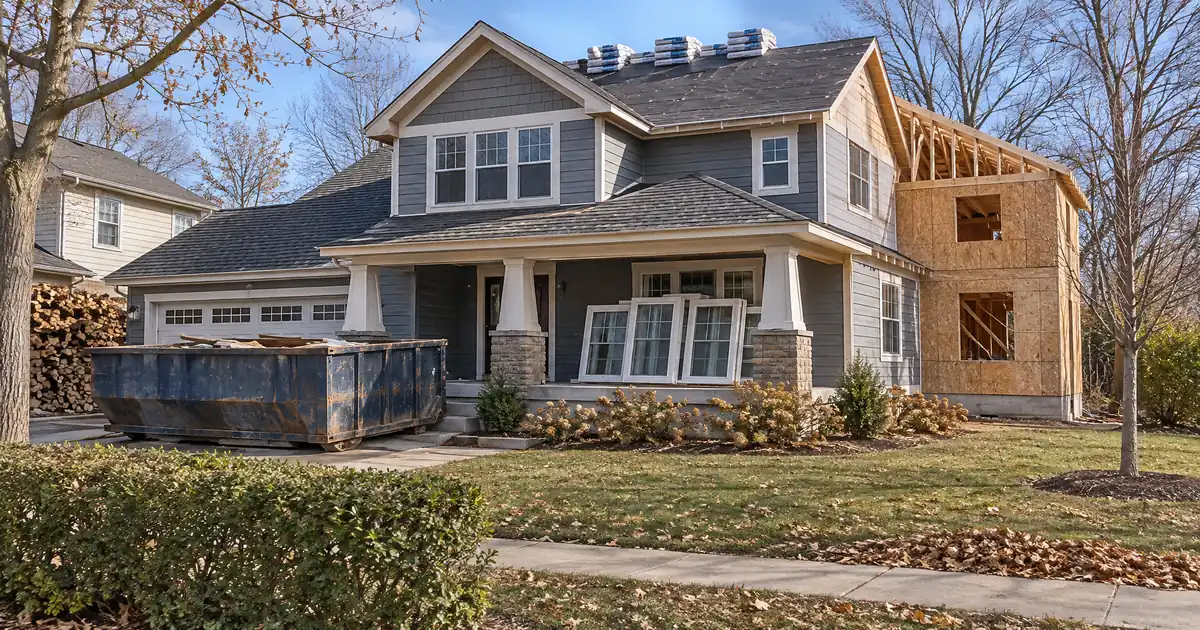
The Quick Read: No single provider is “top” for every investor, because the right wholesale lender depends on your property, your credit, and how you can prove the rental income. Finishing the rehab does not unlock a value-based cash-out by itself. Three gates decide the outcome: how long you have owned the property, what the lender’s own appraisal says, and whether your short-term rental income can be documented.
- Seasoning is the ownership clock. It runs from the date you took title, not the date the rehab ended.
- On short-term rental collateral, cash-out and refinance leverage top out around 70% LTV, subject to lender guidelines.
- Expect a 640+ credit score, about 12 months of hosting experience, and a 1.00 coverage floor on refinances.
- The lender orders the appraisal. Your own after-repair estimate does not set the loan.
- Clearing 1.00 coverage is not the same as positive cash flow.
Lendmire is a mortgage broker, not a lender. It works with a network of wholesale DSCR lenders. So this article does not rank companies. It explains what those lenders look for and how to match your file to the right program.
DSCR Cash-Out Calculator
Run the cash-out numbers in your market
Rate source: Freddie Mac 30-yr average via FRED® — Federal Reserve Bank of St. Louis · effective Nov 5, 2026
Prefilled with starting assumptions — enter your property’s value, balance, taxes, and insurance for a more accurate picture.
Program parameters update from Lendmire’s centralized guideline source. Taxes and insurance are editable estimates.
As of Nov 5, 2026 · General Freddie Mac market benchmark, not a Lendmire loan offer. Property value, balance, taxes, and insurance are editable estimates. Maximum loan-to-value varies by lender, program, property type, and seasoning. Not a Loan Estimate, approval, or commitment to lend. Program availability and eligibility are subject to lender guidelines, credit approval, property review, and underwriting.
What Does “Provider” Mean Here?
A provider is one of three things: a lender, a program inside that lender, or a broker who shops several lenders. Most investors fixate on the first and should care about the second.
Two lenders can both say “we do short-term rentals” and underwrite them very differently. One may accept platform payout history. Another may lean on a third-party market report. A third may fall back to long-term rent. That difference moves your loan size more than a headline leverage number does.
A broker’s job is to match your scenario to the program that fits it. Your property type, credit profile, leverage need, and documentation all feed that match. The best program for your situation is the one that underwrites your income the way your property actually earns it.
Can You Cash Out Right After the Rehab?
Usually not on appraised value. The cash-out clock is seasoning, which is the waiting period between buying a property and refinancing it. It starts at the title date. Rehab completion and lease signing do not start it.
Across most of our network, about 6 months of seasoning is the common expectation for a cash-out. Some lenders differ, and the written guideline decides. Forum chatter about 1-day or 3-month cash-outs is lender-specific, not a rule you can count on.
Inside the seasoning window, lenders commonly size the loan on the lower of your cost or the appraised value. After it, the appraisal governs. That flip is the whole reason timing matters. Cash-out sized on cost may barely cover your rehab capital. Cash-out sized on a strong appraisal can return it, with room to spare.
There is one exception worth knowing. If you are only paying off a hard-money or bridge loan, you can generally refinance right away. You just should not expect cash back. That is a payoff-only refinance, and seasoning is not the issue there.
Key Terms Defined
Seasoning: the time you have held title before a lender will size a cash-out on appraised value.
After-repair value (ARV): what the property is worth once the rehab is finished. Only the lender’s appraisal counts here, not your own estimate.
Cost basis: what you paid for the property plus documented rehab spending.
Payoff-only refinance: a refinance that retires your bridge or hard-money loan without returning cash to you.
Hosting history: a record of past short-term rental bookings, usually platform payouts and bank deposits.
DSCR (debt service coverage ratio): monthly rent divided by the full monthly housing payment, meaning principal, interest, taxes, insurance, and any HOA dues. The payment together is called PITIA.
LTV (loan-to-value): the loan amount as a share of the property’s value.
How Underwriting Treats This, Step by Step
Step 1: The title date starts the clock. Seasoning attaches to ownership, not to the old mortgage. If you bought cash and rehabbed, the clock still started at purchase.
Step 2: The value basis flips at the seasoning mark. Before it, expect sizing on the lower of cost or value. After it, the appraisal does the work.
Step 3: The lender orders the appraisal. It supplies value and a rent opinion. Self-pulled listing comps do not replace it. If the number comes in low, you can ask the appraiser to reconsider with better comparables.
Step 4: Two limits run at once. Leverage caps the loan against value. Coverage tests rent against PITIA. The smaller loan from the two tests governs. On short-term rental collateral, cash-out sits at up to 70% LTV, and refinance coverage starts at 1.00 for select programs. Subject to lender guidelines, the strongest files clear both tests: enough equity and enough rental coverage.
Step 5: Reserves and credit get checked. Reserves vary by lender, leverage, and loan size. Around 6 months of PITIA is common, and larger loans step up. A larger down payment or more equity never erases credit floors or reserve rules.
Step 6: Documents get assembled. Expect the recorded deed or title report, rehab scope and receipts, and income evidence. For a short-term rental, that means platform payouts and bank deposits or a third-party market report. If part of the property is leased long-term, add the lease and deposit proof. Gaps in that paperwork can hold up the file after a rehab, so gather it early.
Also remember the limit of the coverage test. DSCR compares rent to PITIA only. Repairs, vacancy, management, utilities, and capital expenses sit outside it. Passing 1.00 does not mean the property cash flows.
Why Short-Term Rental Income Is the Tricky Part
The standard appraisal rent form was built for monthly leases. On a one-unit property that is the 1007, and the 2-4 unit version is the 1025. The Fannie Mae Appraiser Update says the 1007 reports monthly market rent from monthly-leased comparables. It calls multiplying a nightly fee by 30 incorrect and says the form cannot estimate a nightly rate.
That creates a real problem for DSCR files. HousingWire reports that forcing short-term rental income onto the 1007 often produces artificially low coverage ratios. Class Valuation explains that appraisers use a separate narrative addendum for projected short-term rental income instead.
In practice, depending on the program, your income is proven one of four ways:
1. Hosting history from platform payouts and deposits.
2. A third-party market-data report.
3. An appraiser’s short-term rental analysis.
4. A fallback to long-term market rent.
The fallback can fail coverage even when your bookings are strong. This is why a fresh-out-of-rehab property with no booking history is hard to place. Most short-term rental programs want about 12 months of hosting experience. That can be your own record on other properties, so ask the lender how it counts experience.
This is also where choosing a program matters most. The same property can show very different coverage under a long-term-rent opinion versus documented nightly income. Match the program to how the property will actually be underwritten.
Which Path Fits Which Investor?
| Your situation | Likely path | Main risk |
|---|---|---|
| Bridge loan, inside seasoning | Payoff-only refinance | No cash back |
| Seasoned, strong hosting history | Cash-out at up to 70% LTV | Low appraisal |
| No booking history yet | Long-term-rent coverage | Coverage below floor |
| Bridge expires before seasoning | Extension or cash to close | Carrying cost |
Treat this as a framework, not a promise. Eligibility depends on lender guidelines, credit approval, and property review.
Where the General Rule Breaks
Delayed financing is narrow. It is an agency concept for contrast. It waives seasoning only for all-cash, arm’s-length purchases, and it caps you at your purchase basis rather than ARV. If a lien financed the purchase or rehab, it generally does not apply. DSCR programs offer something similar only where the lender’s own guideline does.
A property still under construction is not ready. Both the appraisal and the rent estimate depend on finished condition. Vacant and mid-rehab files usually wait.
A low appraisal shrinks proceeds. If value lands under your estimate, cash-out shrinks with it. In a bad case, rehab capital stays trapped in the deal.
The bridge can expire first. If the short-term loan matures before seasoning ends, your choices are a payoff-only refinance with a cash-out later, an extension, bringing cash to close, or waiting. Seasoning cannot be skipped for a cash-out, so the bridge term needs to outlast the rehab, the wait, the appraisal, and underwriting. Plan the refinance when you buy, not when the contractor leaves.
Form changes will not fix the core issue. HousingWire notes that UAD 3.6 will retire the legacy 1007. The mismatch between monthly rent and nightly income remains.
Worked Example: Three Appraisal Outcomes
Run the numbers on a finished short-term rental owned past seasoning, with a modeled 70% cash-out LTV. These inputs are assumptions, not market data. Leverage, reserves, and pricing vary by lender and program; the final terms follow the full file review.
- Appraisal at your estimate. Leverage sizes against full value. Coverage passes if documented income supports it. This is the clean case.
- Appraisal modestly below. The same 70% applies to a smaller value, so proceeds shrink. You may still repay the bridge but net less cash.
- Appraisal well below. The loan may barely retire the bridge, or fall short. You would bring cash to close or wait and reappraise.
In all three, coverage is a second test. If income is documented by hosting history, coverage may run comfortably above 1.00. If the lender falls back to long-term rent, the same property can drop under the floor. Some select lenders in the network offer coverage below 1.00 with leverage and terms adjusted, but that is a separate path with different terms.
Mistakes That Stall the Refinance
- Starting the seasoning count at rehab completion instead of the title date.
- Assuming your ARV sets the loan. The lender’s appraisal does.
- Multiplying nightly rates by 30 and expecting that to be accepted as rent.
- Skipping lease and deposit documentation.
- Letting the bridge term run shorter than the seasoning wait.
- Failing to order an itemized scope of work. Appraisers who never see the improvements list can undervalue them.
- Believing DSCR loans skip the appraisal. They do not.
An improvement may support a higher appraised value, depending on comps and underwriter review. Receipts help the appraiser see what changed, but they do not set the number.
Short-term rental rules can vary by city, county, HOA, and property type, so investors should confirm local rules before relying on projected rental income.
How a Broker Finds the Right Fit
A single lender gives you one set of overlays. A broker with a wholesale network can see many. Across the network, short-term rental purchase leverage tops out at 75%, while refinance and cash-out sit at up to 70%. Credit starts around 640, and loans run up to $3,000,000 on standard programs. Term structures start with the 30-year fixed, with 40-year and interest-only options through select lenders. Not offered: manufactured homes, log homes, and barndominiums.
Those are ranges, not promises. Every file is underwritten individually. Read Lendmire’s complete DSCR loans guide for the fundamentals, including how the income side is measured. DSCR loans are designed for non-owner-occupied investment properties. Because they are business-purpose investor loans, they are reviewed differently from a standard owner-occupied mortgage.
If you are buying or refinancing a rental property and want to see how the numbers work, Lendmire can help you compare DSCR loan options based on the property income, credit profile, leverage, and investor goals. Call 828-256-2183 or request a quote. DSCR programs are available in 41 markets, including Washington, D.C.
Frequently Asked Questions
Can I refinance a short-term rental the day the rehab ends?
You can generally refinance a hard-money or bridge loan right away, but expect no meaningful cash back. A value-based cash-out usually waits for seasoning, commonly about 6 months from the title date across the network. The lender’s written guideline decides.
Does finishing the rehab start the seasoning clock?
No. Seasoning runs from the date you took title. Rehab completion and lease signing do not move it. That is why planning the refinance at purchase matters more than timing it to the contractor’s final walkthrough.
How much can I borrow on a short-term rental cash-out?
On short-term rental collateral, cash-out typically tops out at up to 70% LTV, subject to lender guidelines. The loan must also clear a 1.00 coverage floor on refinances. The smaller amount from the two tests governs.
How do lenders count short-term rental income?
It depends on the program. Methods include hosting history, a third-party market report, an appraiser’s short-term rental analysis, or a fallback to long-term rent. The method you land in can change coverage and loan size substantially.
Does passing the coverage test mean the property cash flows?
No. DSCR compares rent to PITIA only. Repairs, vacancy, management, utilities, and capital expenses sit outside the calculation, so budget for them separately.
For the mechanics of pulling equity out of a rental property, see Lendmire’s guide to cash-out refinance on an investment property.
About Lendmire
Lendmire is a DSCR-focused mortgage brokerage, NMLS# 2371349, placing investor loans across 41 markets, including Washington, D.C. DSCR eligibility is generally reviewed by the lender around a property’s rental income rather than personal income documentation, which fits LLC-held rentals, self-employed investors, and portfolios scaling past conventional financed-property limits. Scotsman Guide named Lendmire a Top Mortgage Workplace in both 2025 and 2026.
Get Started
Ready to find the right loan for you?
See your offer in seconds. No credit pull, no obligation.
Informational only. Not a Loan Estimate, approval, or commitment to lend. Program availability and eligibility are subject to lender guidelines, credit approval, property review, and underwriting.
References
1. Fannie Mae Appraiser Update, June 2024
2. HousingWire: Short-term rentals are breaking the appraisal playbook
This article is part of Lendmire’s investment property cash-out refinance program — full qualification details, guidelines, and scenarios live on the program page.
Related reading: Short-Term Rental Cash-Out Rules for a Seasonal Rental You Also Use · Top Short-Term Rental Cash-Out Refinance Providers Before the Property Has Twelve Months · Short-Term Rental Cash-Out Refinance vs Long-Term Rental Loan at 75% Loan-to-Value
Brandon Miller
Founder & CEO, Mortgage Loan Originator, Lendmire LLC
- Mortgage Loan Originator · NMLS# 1129696 · Verify on NMLS Consumer Access
- North Carolina Real Estate Broker · License# 343312 · Verify on NCREC
- North Carolina Insurance Producer · License# 19053198 · Property, Casualty, Life, Health · Verify on NAIC SBS
- Lendmire LLC · Firm NMLS# 2371349 · Verify firm licensure
Disclosure information. Lendmire is a state-licensed mortgage brokerage under NMLS# 2371349. Lendmire is not a depository institution, direct lender, or financial advisor — all loans referenced are placed through wholesale lender partners and are subject to each lender's underwriting standards. This article is provided for general informational purposes and is not a commitment to lend, nor does it constitute financial, legal, or tax advice. Loan programs, terms, rates, and qualification standards change without notice and depend on borrower profile, property type, and the state in which the subject property is located. Equal Housing Opportunity provider. NMLS Consumer Access: nmlsconsumeraccess.org.