
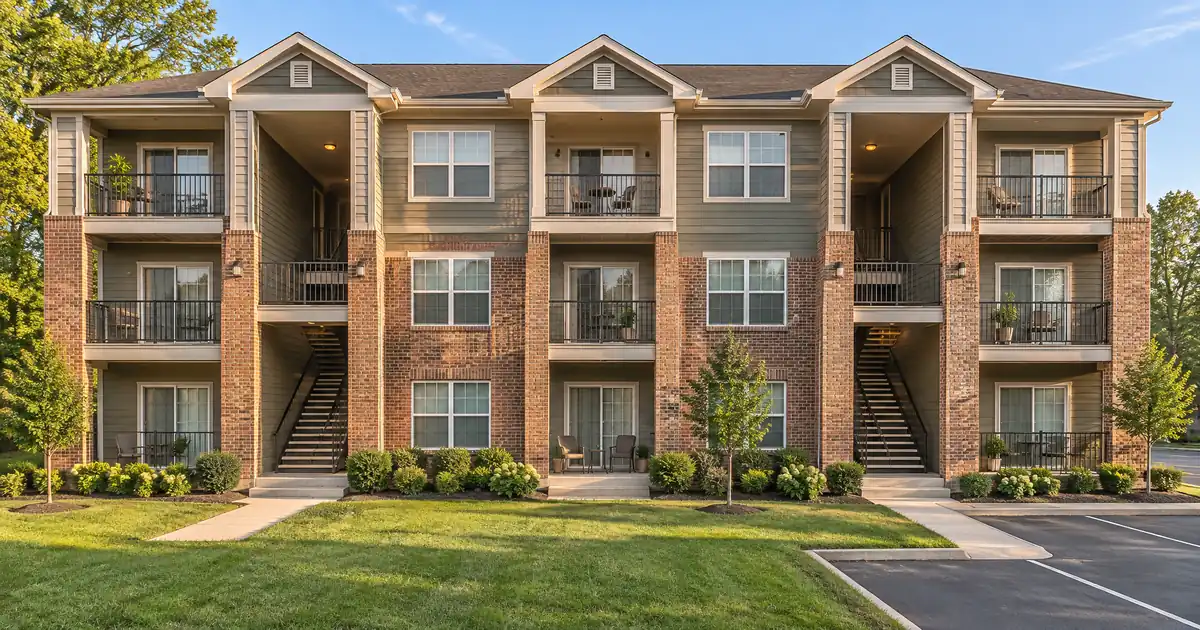
The Quick Read: A short-term rental cash-out refinance qualifies a building on booking history or a projection, while a long-term rental loan is reviewed on leases or appraiser market rent, and the better choice depends on which income the building can actually document. Both are business-purpose investor loans, reviewed subject to lender guidelines.
- Short-term rental (STR) cash-out tops out around 70% LTV on STR collateral. A standard long-term rental (LTR) cash-out tops out around 75% LTV across most of the network.
- STR files expect a 640+ score and about 12 months of hosting history. Most LTR programs want around 660.
- Coverage is rent-to-PITIA only. Clearing 1.00 is not the same as positive cash flow.
- Unit count matters. Two to four units usually run residential-style. Five or more usually run commercial-style.
- The appraisal tends to follow long-term rents either way, so STR upside sits in qualifying income, not value.
The honest answer on who each option is for: the STR cash-out fits an owner whose units already have a booking record that out-earns the lease market, and who accepts more paperwork and more variability for it. The long-term loan fits a building with leases or a rent roll, a simpler file, and a slightly higher leverage ceiling. Neither is “better.” They test different income, and the building has to pass whichever test it is given.
DSCR Cash-Out Calculator
Run the cash-out numbers in your market
Rate source: Freddie Mac 30-yr average via FRED® — Federal Reserve Bank of St. Louis · effective Nov 5, 2026
Prefilled with starting assumptions — enter your property’s value, balance, taxes, and insurance for a more accurate picture.
Program parameters update from Lendmire’s centralized guideline source. Taxes and insurance are editable estimates.
As of Nov 5, 2026 · General Freddie Mac market benchmark, not a Lendmire loan offer. Property value, balance, taxes, and insurance are editable estimates. Maximum loan-to-value varies by lender, program, property type, and seasoning. Not a Loan Estimate, approval, or commitment to lend. Program availability and eligibility are subject to lender guidelines, credit approval, property review, and underwriting.
Side-by-Side
The table below uses Lendmire’s network figures for the program parameters and published industry norms for the descriptive rows. It deliberately leaves out pricing and payment rows. Those live in the calculator.
| Factor | STR Cash-Out | LTR Loan |
|---|---|---|
| Review basis | Booking history or projection | Lease, rent roll, or market rent |
| Cash-out LTV ceiling | Around 70% on STR collateral | Around 75% on standard rentals |
| Credit score | 640+ expected | Around 660 on most programs |
| Coverage floor | 1.00 on refinances | 1.00 where select programs start |
| Experience | About 12 months of hosting history | No hosting history expected |
| Key documents | Payout statements, bookings, income report | Leases, rent schedule, rent roll |
Reserves deserve one more line. They are commonly around 6 months of PITIA, conservative rate-term files at modest leverage under $1,500,000 can see them waived, and larger loans typically step up to about 9 months. The mix of leverage, loan size, and transaction type moves that number. Many lenders also let cash-out proceeds count toward required reserves.
First, Classify the Building
Unit count decides which underwriting lens applies before income even enters the picture. Two- to four-unit buildings are generally underwritten residential-style: combined rent measured against the full housing payment (principal, interest, taxes, insurance, and any HOA). Appraisers on those files typically use the small residential income report, Form 1025, while one-unit rentals use the single-family rent schedule, Form 1007, per Fannie Mae’s Selling Guide. The citation covers the form names only, and agency rules do not govern DSCR loans.
Five or more units generally move to commercial-style review. There, coverage is typically measured on net operating income against annual debt service, and the file calls for a rent roll, a trailing twelve-month operating statement, and expense detail. The general definition of the ratio, and the higher benchmark ranges commercial lenders use, are laid out on Wikipedia’s debt service coverage ratio page. Gross-rent math that works on a fourplex can overstate coverage on a ten-unit building because operating expenses come out first.
Here’s the catch on STR in larger buildings: neutral guidance on five-plus-unit STR cash-outs is thin. Treat any figure promised for that case with caution, and expect a more individual review.
How Each Income Test Works
The LTR test. The rent used for lender review comes from an in-place lease or an appraiser’s market-rent opinion. Practitioners commonly see lenders credit the lower of the two. For a duplex through fourplex, the rent schedule from the appraisal does much of the work.
The STR test. The qualifying revenue comes from trailing booking history, or from a third-party projection where history is short. Platform payout statements and a bookings record are the core evidence. Projection tools produce modeled estimates built from nearby comparable listings. They are not verified host revenue. A projection is a starting point for a lender, not a promise of income.
Mixed buildings. A fourplex with one STR unit and three leased units is the awkward case. Some lenders test each unit on its own basis: STR income for the unit with booking history, lease or market rent for the rest. Others test the whole building on long-term rents first and look at STR income only if coverage falls short. Mixed models take more explanation in the file. Present a clear per-unit rent roll and say plainly which units operate as STR.
When the STR Cash-Out Is the Better Fit
The STR path earns its place when long-term rent understates what the building can produce.
- The booking record is real. Units have about 12 months of hosting history with platform statements to match. History is the strongest evidence and the cleanest file.
- STR-based coverage clears and LTR coverage does not. In a strong visitor market, booking revenue can lift the ratio past the long-term-rent number. That is the main reason to choose this route.
- Leverage needs are modest. STR cash-out runs around 70% LTV on STR collateral, so the owner is taking slightly less out than a standard rental allows.
- Local rules are settled. Short-term rental rules can vary by city, county, HOA, and property type, so investors should confirm local rules before relying on projected rental income.
- The owner can handle volatility. Booking income swings by season. A building that clears 1.00 in a good stretch can sit thin in a slow one. Terms depend on the lender’s guidelines, the property type, the leverage, and a full review of the credit profile.
Picture an owner of a fourplex where two units have a year of steady bookings and two are leased. The STR units may carry the coverage number, but the file needs per-unit statements, a rent schedule for the leased units, and a clear explanation of which income feeds the ratio. That is more work than a straight lease file, and it is the trade for the extra qualifying income.
The appraisal does not follow the income. Appraisers generally value a multifamily building on long-term rents, so running units as STR usually does not lift appraised value. The upside is in qualifying income, not in a bigger valuation. Lendmire’s piece Short-Term vs. Long-Term Rental Cash-Out Refinance on a BRRRR Rental After Rehab covers the single-property version of the same decision.
When the Long-Term Rental Loan Is the Better Fit
The LTR path fits when the building’s income is already on paper.
- Leases are in place. A rent roll with signed leases and an appraisal rent schedule gives the lender fewer open questions.
- Higher cash-out leverage matters. Standard rental cash-out reaches around 75% LTV across most of the network, five points above the STR ceiling. On a larger building, that gap matters.
- There is no hosting history. A newly converted or newly acquired building cannot show 12 months of bookings. Long-term rent sidesteps that requirement.
- The building is five units or more. Commercial-style review is built around leases, a rent roll, and operating statements. Adding STR income on top complicates a file that is already heavier.
- The owner wants a steadier income basis. Lease income does not swing with the calendar, so coverage is less exposed to a slow season. The exact numbers vary by lender and program and follow a full review of property, leverage, and credit.
Coverage of 1.00 is where these programs start, and stronger ratios open better pricing and leverage. Any file that falls short of that floor would need a different lender and a separate review, with leverage and terms adjusted, rather than the same program with a lower minimum.
A larger down payment on a purchase lowers the payment and can lift the ratio. It does not erase leverage caps, credit floors, reserve rules, or property eligibility. The same logic applies to a refinance: the strongest files clear both tests, enough equity and enough rental coverage.
Reading the Coverage Number Honestly
DSCR compares rent to PITIA. That is all. Repairs, vacancy, management, utilities, and capex sit outside the calculation. On an STR unit, cleaning, platform fees, furnishing, and utilities are heavier still, and none of them appear in the ratio. A building can clear 1.00 and still run thin after operating costs. Treat the ratio as a lender test, not a cash-flow forecast.
Two caps apply to every cash-out, and the lower one controls the loan. The first is the LTV tier: about 70% on STR collateral, about 75% on a standard rental. The second is rent coverage: how much debt the income can carry at the program’s floor. On a building with strong equity but modest rent, coverage binds. On a building with strong rent but thin equity, LTV binds. Seasoning is a third clock. About 6 months of ownership is the common expectation on cash-out, and it applies to the refinanced subject property.
Run a stress test before choosing. Remove one unit from the income, as if it sat vacant, and see whether the number still holds. Do it once on the STR basis and once on the LTR basis. If the STR version only works at full occupancy, the file is leaning on the best case.
Where Files Snag
Both paths need entity documents, a rent roll, an appraisal, insurance, and a title and ownership history. Vesting can be individual or in an LLC, subject to lender program eligibility. Beyond that:
- LTR files need leases and the appraisal rent schedule to agree. A lease well above market rent usually gets credited at the lower figure.
- STR files need payout statements that cover the full hosting period, and the income report should match them. A projection that is far above the booking record invites questions.
- Five-plus-unit files need the operating statement and expense detail, and a vacant-unit count that fits program limits.
- Converted units reset the clock. Moving a unit from lease to STR, or back, changes which income has a record. Lenders look at what the unit has actually done.
Conventional financing is rarely a fit for a multifamily STR. Conventional STR loans generally mean second-home occupancy and usually do not use projected rental income, so investors with multi-unit STR usually end up on the DSCR side. The business-purpose side of that is simple: DSCR loans are designed for non-owner-occupied investment properties, and they are reviewed differently from a standard owner-occupied mortgage. The complete DSCR loans guide walks through the program mechanics in full.
A few property types are not offered through the network’s DSCR programs at all: manufactured homes (single- and double-wide), log homes, and barndominiums. Loan sizes run up to $3,000,000 on standard programs (smaller balances available through select lenders). Above $2,500,000 the network generally holds to 30-year fixed structures. Extended terms and interest-only periods are available through select lenders.
The Verdict
Pick the income the building can prove. If units carry a real booking record, the market allows STR, and the owner accepts a lower leverage ceiling and a heavier file, the STR cash-out can qualify more income than leases would. If the building runs on leases, has no hosting history, or has five or more units, the long-term loan is the cleaner file with a higher leverage ceiling.
Mixed buildings can go either way. The practical move is to compute coverage both ways, find which cap binds, and stress-test one vacant unit. Whichever structure survives that test is the right one. Terms depend on lender guidelines, credit approval, and property review, and none of this is a commitment to lend.
If you are buying or refinancing a rental property and want to see how the numbers work, Lendmire can help you compare DSCR loan options based on the property income, credit profile, leverage, and investor goals. Reach the team at 828-256-2183 or request a quote.
Frequently Asked Questions
Can a multifamily building with no booking history use the STR path?
Generally not on booking history, since STR files expect about 12 months of hosting history. Some programs accept a third-party projection for short histories, but it is a modeled estimate and carries more scrutiny. Without a record, most owners fall back to the long-term rental basis, using leases or appraiser market rent.
Does passing the coverage test mean the building cash flows?
No. The ratio compares rent to PITIA only. Repairs, vacancy, management, utilities, and capex are outside it. STR units add cleaning, platform fees, and furnishing costs. A building can clear 1.00 and still run tight after real operating costs.
Will running units as STR raise the appraised value?
Usually not. Appraisers generally value multifamily on long-term rents, so STR operation does not typically lift the appraisal. The benefit is in qualifying income. Value and income are separate questions on these files.
Which cap limits my cash-out, equity or rent?
Whichever is lower. LTV caps the loan at about 70% on STR collateral or about 75% on a standard rental, while rent coverage caps how much debt the income supports. Thin equity with strong rent is LTV-bound. Strong equity with modest rent is coverage-bound.
Does unit count change the underwriting?
Yes. Two to four units typically run residential-style on combined rent against the full payment. Five or more typically run commercial-style on net operating income against debt service, with a rent roll and operating statement. Check unit count first.
A deeper walk-through of investment-property equity extraction lives in Lendmire’s guide to cash-out refinance on an investment property.
For current guidelines and terms, see Lendmire’s DSCR loan programs page.
About Lendmire
As a non-QM mortgage broker (NMLS# 2371349), Lendmire facilitates DSCR investor loans across 41 markets, including Washington, D.C. DSCR eligibility is generally reviewed around property-level rental income instead of personal income documentation, subject to lender guidelines, serving LLC-structured portfolios and self-employed borrowers who don’t fit conventional boxes. A two-time Scotsman Guide Top Mortgage Workplace (2025, 2026).
Get Started
Ready to find the right loan for you?
See your offer in seconds. No credit pull, no obligation.
Informational only. Not a Loan Estimate, approval, or commitment to lend. Program availability and eligibility are subject to lender guidelines, credit approval, property review, and underwriting.
References
2. Wikipedia – Debt Service Coverage Ratio
This article is part of Lendmire’s investment property cash-out refinance program — full qualification details, guidelines, and scenarios live on the program page.
Related reading: What Is a Short-Term Rental Cash-Out Refinance With a Minimum DSCR Requirement? · Where to Get a Short-Term Rental Cash-Out Refinance Before Applying to Check Rent Coverage · Where to Get a Short-Term Rental Cash-Out Refinance to BRRRR an Airbnb
Brandon Miller
Founder & CEO, Mortgage Loan Originator, Lendmire LLC
- Mortgage Loan Originator · NMLS# 1129696 · Verify on NMLS Consumer Access
- North Carolina Real Estate Broker · License# 343312 · Verify on NCREC
- North Carolina Insurance Producer · License# 19053198 · Property, Casualty, Life, Health · Verify on NAIC SBS
- Lendmire LLC · Firm NMLS# 2371349 · Verify firm licensure
Compliance and disclosures. Lendmire (NMLS# 2371349) is a licensed mortgage broker and is not a direct lender, depository institution, financial advisor, or tax professional. Content in this article is general market analysis and educational information — not financial, legal, or tax advice for any specific situation. Lendmire does not guarantee loan approval; every transaction is subject to underwriting by the funding lender. Mortgage pricing and loan program guidelines are subject to change at any time without notice and vary by borrower characteristics, property type, and state regulations. Lendmire complies with Equal Housing Opportunity. Licensure verification: NMLS Consumer Access.