
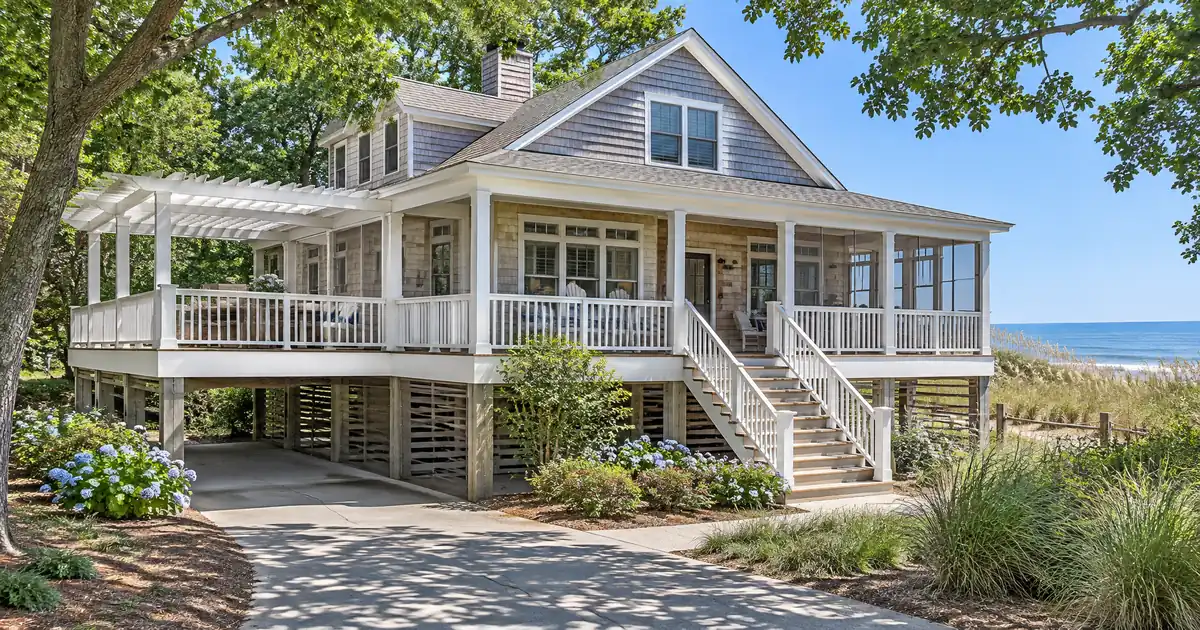
The Quick Read: The best program for your Airbnb depends on how a lender counts the rental’s income, how much equity the property holds, and how much hosting history you can show. Lendmire is a mortgage broker that matches each file to a wholesale DSCR lender whose rules fit the property.
- On short-term-rental collateral, cash-out refinances typically top out around 70% LTV, subject to lender guidelines.
- Most programs expect a credit score of about 640 or higher and roughly 12 months of hosting history.
- The coverage floor on a short-term-rental refinance is typically 1.00, and stronger ratios can open better terms.
- Proceeds are the smaller of what the equity allows and what the rental income can support.
- Hosting history, income method, and appraisal rent often matter more than the headline leverage number.
An Airbnb owner who wants cash out of a property has one question that matters most: which income number will the lender use? Two programs can look the same on paper and return very different proceeds on the same house. The sections below explain how the mechanics work, where the general rules break, and how to pick a fit.
DSCR Cash-Out Calculator
Run the cash-out numbers in your market
Rate source: Freddie Mac 30-yr average via FRED® — Federal Reserve Bank of St. Louis · effective Nov 12, 2026
Prefilled with starting assumptions — enter your property’s value, balance, taxes, and insurance for a more accurate picture.
Program parameters update from Lendmire’s centralized guideline source. Taxes and insurance are editable estimates.
As of Nov 12, 2026 · General Freddie Mac market benchmark, not a Lendmire loan offer. Property value, balance, taxes, and insurance are editable estimates. Maximum loan-to-value varies by lender, program, property type, and seasoning. Not a Loan Estimate, approval, or commitment to lend. Program availability and eligibility are subject to lender guidelines, credit approval, property review, and underwriting.
What Is a Short-Term Rental Cash-Out Refinance?
On a DSCR program, the loan is reviewed primarily on property-level rental income covering the payment, subject to lender guidelines. Personal W-2s and tax returns are not the center of the file.
The structure is simple. The new loan pays off the old lien. Whatever equity the lender allows you to take comes back as proceeds. Because the property is a business asset, these are non-owner-occupied investor loans, reviewed differently from a standard owner-occupied mortgage.
Short-term rental collateral is treated more carefully than a long-term rental. Income swings with seasons and bookings. Leverage is therefore lower: across most of the network, cash-out on short-term-rental collateral tops out at 70%, while a standard long-term rental cash-out reaches about 75%.
For the full framework behind these loans, the complete DSCR loans guide covers the basics.
How Does Underwriting Treat an Airbnb Step by Step?
Underwriting runs five tests in order: equity, appraisal, income, coverage, and file items. A short-term rental has to clear each one. A shortfall at any step reduces the loan or stops the file until it is fixed.
Step 1: The equity test. The lender applies a maximum LTV to the appraised value. On short-term-rental cash-out that is up to 70% on the strongest files. Your payoff balance comes out of that number first. What remains is the most you could take.
Step 2: The appraisal. One appraisal returns a value and a rent schedule. A one-unit property uses Form 1007, and a two-to-four-unit property uses Form 1025. Value reflects the real estate. Furniture and the business income do not enter the value conclusion, as McKissock notes in its discussion of short-term rental appraisals.
Step 3: The income method. This is where programs differ most. Some lenders use trailing platform history, matched to payout statements and bank deposits. Some use a market-data projection. Some fall back to the appraiser’s long-term market rent. A lender that wants hosting history will usually ask for about 12 months of it on a refinance.
Step 4: The coverage test. The ratio is qualifying income divided by the full monthly obligation: principal, interest, taxes, insurance, and any HOA dues. A cash-out raises the loan, which raises the payment, which lowers coverage. On a short-term-rental refinance, 1.00 is where the program starts. Stronger coverage may improve pricing and leverage.
Step 5: File items. Credit (typically 640 or higher on short-term rentals), reserves, entity vesting, title, and payoff all get reviewed. Reserves vary by lender, leverage, loan size, and transaction type. About six months of PITIA is common, and larger loans typically step up from there.
The final proceeds are the smaller of two numbers: the loan the equity allows and the loan the income supports. Many owners assume equity is the only limit. It often is not.
Why the Appraisal Rent Can Change the Outcome
The Form 1007 documents monthly market rent from long-term leases. It cannot document a nightly Airbnb rate. Fannie Mae’s appraiser guidance says the form uses comparables leased monthly and cannot estimate a nightly fee. It also says the lender decides how income is treated. DSCR loans are not agency products. The form is simply the tool most appraisers use.
Here is why that matters. A house that earns strong booking income can look weak on long-term rent comparables. Resort areas and higher-priced properties feel the gap most. If a program qualifies the file on the appraiser’s rent, coverage may fall short even though the Airbnb performs well.
Programs that accept platform history avoid this gap. That is a main reason the income method matters more than the leverage ceiling when you compare options. Ask which method a lender uses before an appraisal is ordered, not after.
A misconception worth clearing: nightly rate times thirty is not accepted as monthly rent. Neither is the 1007 proof of your Airbnb income. It documents lease rent, nothing more.
Structures and Variations That Exist
Several structures sit under the cash-out label, and each fits a different investor.
| Structure | Typical fit | Main tradeoff |
|---|---|---|
| Standard 30-year fixed | Investors who want stable terms | Highest payment of the group |
| Interest-only period | Investors prioritizing coverage | Balance stays flat during the period |
| 40-year extended term | Files that need a lower payment to clear coverage | Slower paydown |
| ARM | Investors planning a shorter hold | Payment can change |
The 30-year fixed is the spine of the network. Extended terms and interest-only periods are available through select lenders in the network. ARM structures exist for investors who want them. Loan sizes run roughly up to $3,000,000 on standard programs, and for balances above $2,500,000 the network generally holds to 30-year fixed structures. Balances below the standard-program minimum route through select lenders.
Coverage below 1.00 is a separate path. The short-term-rental refinance programs start at a 1.00 coverage ratio, and a different select-lender path takes coverage below 1.00 with leverage and terms adjusted. No-ratio structures are available only through select lenders, generally for borrowers who already own a primary residence. Neither the below-1.00 path nor the no-ratio path is the default, and both usually cost leverage.
Prepayment terms are another variable. Many DSCR loans carry them in the early years, and terms differ by lender. Check this before you compare proceeds.
A larger down payment on a purchase can lower the payment and lift coverage. It never erases leverage caps, credit floors, reserve rules, or property eligibility. The strongest files clear both tests: enough equity and enough rental coverage.
Where the General Rule Breaks
Short or no hosting history. If you bought the property recently or converted it from a long-term rental, you may not have 12 months of data. Some programs fall back to appraiser rent or reduce leverage. Others ask you to wait. Planning the timeline around history can matter more than shopping for a lower interest rate.
Seasonality. A refinance applied for after a slow stretch shows weaker trailing income. If your bookings peak in one season, the timing of your application changes the number the lender sees. Looking at a full twelve months helps.
Low appraisal rent. A file that clears on platform income can fail on lease comparables. The fix may be a program that uses booking history, a smaller loan, or a longer amortization through a select lender.
Seasoning. About six months of ownership is a common expectation on cash-out. A few exceptions exist for recent rehabs and delayed-financing situations. These depend on the lender.
One unit versus two to four. The appraisal form changes, and so can the income treatment. Confirm which applies before ordering.
Local rules. Short-term rental rules can vary by city, county, HOA, and property type, so investors should confirm local rules before relying on projected rental income. A cash-out loan does not fix a permit problem.
Ineligible property types. Manufactured homes (single- and double-wide), log homes, and barndominiums are not offered in the network’s DSCR programs.
A Worked Example: Equity Limit Versus Coverage Limit
Consider an Airbnb owner with a house worth $620,000 and an existing mortgage balance well below that. The investor has hosted for more than a year and holds a score above 700. Leverage on this Airbnb collateral is capped at 70% LTV. That cap sets the maximum loan. The payoff comes out of it, and the remainder is the most the equity can return. Terms depend on the lender’s guidelines, the property type, the leverage, and a full review of the credit profile.
Now run the coverage test. Suppose the program uses trailing platform income, and the new payment is covered at roughly 1.25x. The equity limit is the binding one. The investor receives what the 70% cap allows.
Change one input. The same investor lives in a market where lease comparables are low, and the lender uses appraiser rent. Coverage drops to something like 0.9x. Now the income test is the binding one. Options a lender would review include a smaller loan, a program that accepts platform history, or a select-lender path that goes below 1.00 with leverage and terms adjusted. Qualification stays subject to lender guidelines, credit approval, and property review.
These inputs are modeled assumptions, not market data. The point is the sequence. Equity sets the ceiling, and income decides whether you reach it.
One more caution. Clearing 1.00 is not the same as positive cash flow. The ratio compares rent to PITIA only. Repairs, vacancy, management, utilities, cleaning, and capital expenses sit outside the calculation. Model your real margin separately before pulling cash out.
Which Program Is Best for Your Situation?
The best program for your situation depends on four variables: income method, hosting history, the leverage you need, and how much of the proceeds you plan to use. Lenders in a wholesale network differ on each. A broker that shops several of them can match the file.
A practical checklist:
- Income method. Does the program accept platform payouts, a market-data projection, or only appraiser rent?
- Hosting history. Do you have about 12 months, and can you document it with statements and deposits?
- Leverage. Is the 70% LTV ceiling on Airbnb collateral enough for the amount you want?
- Credit. A 640 score is the short-term-rental floor. Higher scores can improve terms.
- Entity. Many investors hold the property in an LLC, subject to lender program eligibility.
- Prepayment and reserves. Compare these before you compare proceeds. The exact numbers vary by lender and program and follow a full review of property, leverage, and credit.
Fit matters more than the headline number. An investor with strong platform history and a modest appraisal rent does well with an income-based program. An investor with thin history but strong equity may do better waiting or accepting lower leverage. Lendmire arranges these loans through select lenders in its wholesale network, a DSCR financing platform across 41 markets, including Washington, D.C. If you want to see how the numbers work on a specific property, call 828-256-2183 or request a quote.
Business-Purpose Treatment
DSCR loans are designed for non-owner-occupied investment properties. Because they are business-purpose investor loans, they are reviewed differently from a standard owner-occupied mortgage. The CFPB’s examination procedures list credit extended primarily for a business or commercial purpose as exempt from Regulation Z. In practice, the file carries a business-purpose certification, and you should not plan to occupy the property.
What to Do With the Proceeds
Use the cash in a way that does not weaken the rental. Putting proceeds into another property with solid coverage is straightforward. Using them to cover the shortfall on an Airbnb that barely clears 1.00 is a warning sign. A higher loan means a higher payment, so pulling the maximum is not always wise.
Cash-out proceeds can often count toward reserves on the new loan, depending on the program. That helps files that are otherwise thin on liquid assets. Still, keep a real cushion for off-season months. A property that covers its payment on a peak-season average can strain in a slow quarter.
If you own several short-term rentals, cashing out more than one at a time raises cross-collateral and concentration risk. Staging the refinances can limit it.
Key Terms Defined
DSCR: The debt service coverage ratio, which compares a property’s rental income to its full monthly obligation of principal, interest, taxes, insurance, and HOA dues.
LTV: Loan-to-value, the loan amount as a percentage of the appraised value.
Seasoning: The length of time you have owned the property before a cash-out refinance is allowed.
Form 1007: The appraiser’s single-family rent schedule, which documents estimated monthly long-term market rent.
PITIA: Principal, interest, taxes, insurance, and association dues, the full monthly housing obligation.
Frequently Asked Questions
Can you cash-out refinance an Airbnb?
Yes, through DSCR programs built for investment property. On short-term-rental collateral, cash-out typically tops out around 70% LTV on the strongest files. Lenders usually expect a 640 or higher score and about 12 months of hosting history. Terms are subject to lender guidelines and property review.
Do I need tax returns or W-2s?
The file qualifies primarily on property-level rental income covering the payment, subject to lender guidelines. Personal income documents are not the center of the review. You still provide property income evidence, an appraisal, credit information, and entity and title items.
What if the appraisal rent comes in low?
Coverage can fall below 1.00 even when your bookings are strong. Options include a program that uses platform history, a smaller loan, or an extended-term structure through select lenders. Coverage below 1.00 is available through select lenders in the network, with leverage and terms adjusted.
Can I use an LLC?
Many investors hold short-term rentals in an LLC, subject to lender program eligibility. Vesting, title, and the borrower’s personal credit are reviewed as part of the file.
Does a passing coverage ratio mean the rental makes money?
No. The ratio measures rent against PITIA only. Vacancy, repairs, management, utilities, and capital expenses fall outside it, so model your true margin before deciding how much to pull out.
If you are buying or refinancing a rental property and want to see how the numbers work, Lendmire can help you compare DSCR loan options based on the property income, credit profile, leverage, and investor goals.
Investors weighing their equity options can start with Lendmire’s guide to cash-out refinance on an investment property.
About Lendmire
Lendmire (NMLS# 2371349) is a mortgage brokerage built around DSCR investor lending, with programs available in 41 markets, including Washington, D.C. DSCR lenders commonly evaluate rental-income coverage instead of personal income paperwork, a practical fit for LLC-owned and multi-property investors. Terms vary by lender, property, leverage, and program. Scotsman Guide named Lendmire a Top Mortgage Workplace in both 2025 and 2026.
Get Started
Ready to find the right loan for you?
See your offer in seconds. No credit pull, no obligation.
Informational only. Not a Loan Estimate, approval, or commitment to lend. Program availability and eligibility are subject to lender guidelines, credit approval, property review, and underwriting.
References
1. McKissock
2. Fannie Mae Appraiser Update, June 2024
3. CFPB TILA Examination Procedures
This article is part of Lendmire’s investment property cash-out refinance program — full qualification details, guidelines, and scenarios live on the program page.
Related reading: Best Short-Term Rental Cash-Out Refinance Program for an Existing Airbnb Property · DSCR Cash-Out Refinance Lenders on a Short-Term Airbnb Rental · Best DSCR Cash-Out Refinance Program on a Short-Term Airbnb Rental · Cash-Out Refinance for the 2-4 Unit Investor Tapping Equity · Best Short-Term Rental Cash-Out Refinance Program on an Airbnb With Less Than a Year
Brandon Miller
Founder & CEO, Mortgage Loan Originator, Lendmire LLC
- Mortgage Loan Originator · NMLS# 1129696 · Verify on NMLS Consumer Access
- North Carolina Real Estate Broker · License# 343312 · Verify on NCREC
- North Carolina Insurance Producer · License# 19053198 · Property, Casualty, Life, Health · Verify on NAIC SBS
- Lendmire LLC · Firm NMLS# 2371349 · Verify firm licensure
Legal disclosures. Lendmire (NMLS# 2371349) is a state-licensed mortgage brokerage that arranges financing through wholesale lender relationships. Lendmire is not a direct lender, depository institution, or registered financial advisor. The discussion above is general informational content about real estate financing — it is not financial, legal, or tax advice, and readers should consult licensed professionals for guidance on their individual circumstances. Loan inquiries are subject to lender underwriting; this article does not represent a commitment to lend. Loan terms, rates, and qualification standards vary by borrower, property, and state, and are subject to change at any time. Equal Housing Opportunity. NMLS Consumer Access: nmlsconsumeraccess.org.