
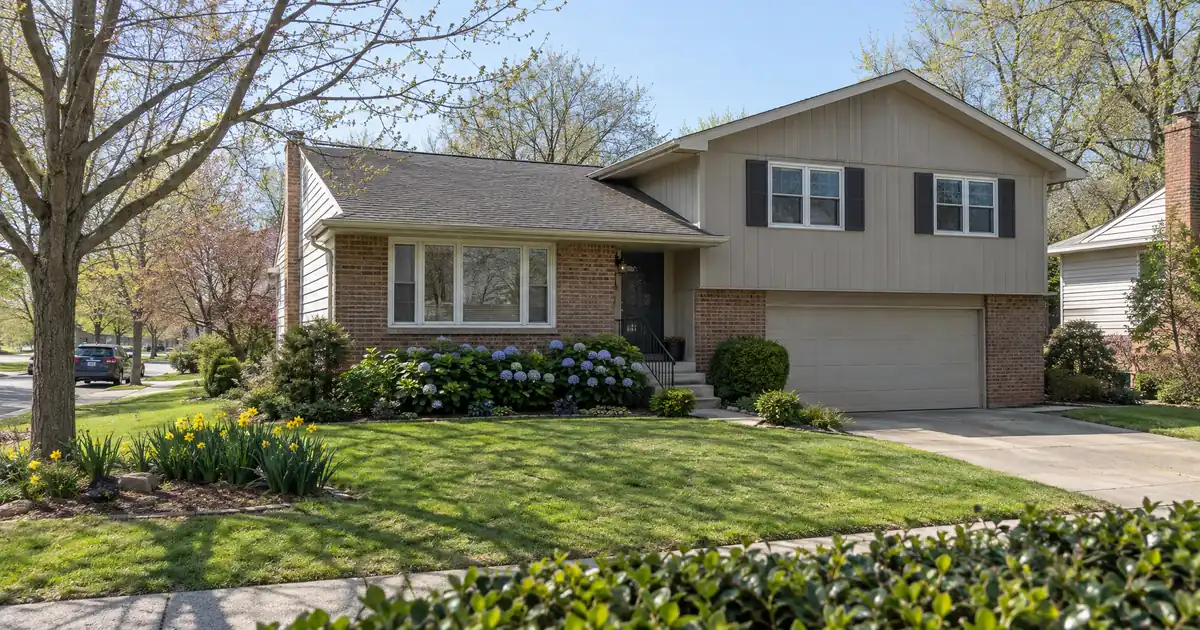
The Quick Read: Pooling means placing several rentals, short-term and long-term, under one note, so the lender tests the combined rent against the combined payment rather than approving each property as a separate loan. The structure sits outside the financed-property counts that cap agency lending, because it is one non-QM loan. The trade-off is that every property secures the whole debt, so one weak asset can affect all of them.
- One note secures up to 20 properties on the 30-year portfolio DSCR loan, and five or more properties or units on the rental portfolio term loan.
- Coverage is measured on the pool, so stronger properties can offset weaker ones, subject to lender guidelines.
- Airbnb income needs documented support, and each property still needs a lease or an appraiser-supported market rent.
- Pooling pays off for seasoned, long-hold rentals. It rarely helps cheap legacy debt or properties you plan to sell soon.
- Passing the coverage test is not the same as positive cash flow.
Investors usually hit the loan-count wall in one of two places. Some run into the agency cap on financed properties. Others simply tire of managing a dozen separate closings, payments, and insurance schedules. Pooling answers both problems, and it creates a few of its own. What follows is the full mechanic, step by step, with the places the general rule breaks.
What Does “One DSCR Loan” Actually Mean?
One DSCR loan means one note secured by several properties at once. The lender takes a lien on each asset, and each asset backs the entire balance. This is cross-collateralization. Here, “portfolio DSCR loan,” “blanket loan,” and “cross-collateralized loan” all name that same thing.
Contract language makes the mechanics concrete. Law Insider’s definition notes these provisions are also called dragnet, blanket, or spreader clauses. Its sample loan-agreement language shows the two effects that matter. A default under any one mortgage counts as a default under all of them. And each mortgage secures the single note as if one blanket lien covered every property.
One caution on vocabulary. A bank’s “portfolio loan” can mean only that the bank keeps the loan on its own books. That is a different sense of the word, and it says nothing about cross-collateral. The structures described here are wholesale non-QM DSCR loans arranged through select lenders in Lendmire’s network.
Three structures cover most real-world choices:
| Structure | Notes | Best for |
|---|---|---|
| Separate loans | One per property | Sell-soon or cheap legacy debt |
| Full pool | One note, all properties | Seasoned long-hold portfolios |
| Partial pool | Pool plus a few separate loans | Mixed hold horizons |
How Do Loan-Count Limits Work, and Why Doesn’t Pooling Hit Them?
The conventional limit is an agency policy on how many financed 1-4 unit properties one borrower can carry. It is not a DSCR rule. A pooled DSCR note is a single non-QM loan, so the borrower’s file is reviewed on the property income rather than on a count of mortgages.
That does not make the capacity unlimited. Lenders still set exposure limits, loan-size ceilings, and reserve expectations that grow with the balance. Across the network, the 30-year portfolio DSCR loan runs from $300,000 to $5,000,000 for 2 to 20 properties under one note, with larger balances on review. The rental portfolio term loan runs from $500,000 to $50,000,000 for five or more properties or units. Both are program ceilings, not quotes, and every file is underwritten individually.
Stacking separate DSCR loans is the other route past the count. It also has no inherent cap, and it keeps each property’s debt walled off. The choice between stacking and pooling is really a choice about risk and administration, covered below. For the broader picture of how these products fit together, the complete DSCR loans guide walks through the fundamentals.
The Two Pooled Structures
The network offers two distinct pooled products, and they suit different investors.
The 30-year portfolio DSCR loan. This covers 2 to 20 properties under one note. Leverage runs up to 80% of value on a purchase or a rate-and-term refinance, subject to lender guidelines. The coverage floor is 1.00, measured on the pool. Fixed and adjustable structures exist, and an interest-only period is available. Eligible types are single-family, 2-4 unit, condo, and townhome.
The rental portfolio term loan. This is for five or more rental properties or units. Leverage tops out at 75% of value. The terms are fixed at 3, 5, 7, or 10 years with a balloon at maturity. It comes in recourse and non-recourse versions. A non-recourse loan looks to the real estate, with recourse limited to carve-outs such as fraud and bankruptcy. A recourse loan carries a personal guarantee. This structure allows properties in several markets under one loan, and it is the only pooled structure that accepts small multifamily of five or more units. Prepayment follows a yield-maintenance schedule, which matters if you plan to exit early.
Credit expectations for pooled files typically start with a 640 floor, and some portfolio structures ask for 680 or 720. Some structures also require a special-purpose entity, usually an LLC, subject to program terms.
How Does the Lender Test a Mixed Pool?
The lender adds up the rent used for lender review from every property, adds up the full monthly obligation (principal, interest, taxes, insurance, and association dues), and divides one by the other. If the pooled number clears the program floor, the coverage test passes. That is why a strong property can carry a weaker one.
Run the logic with three properties and no dollar amounts. Say one Airbnb carries a discounted income figure that covers its own obligation at about 1.30x. Two long-term rentals on leases cover theirs at roughly 1.10x and 0.95x. The pool blends to somewhere above 1.00x, so the file can work even though one rental sits below 1.00 on its own. For a rental below 1.00 inside a pool, underwriting tests the pooled coverage, the leverage, and the terms. This is a pooled-coverage fact, not a separate sub-1.00 program.
Now weaken the Airbnb. If its documented income drops or a lender discounts it, the blend slips toward 1.00x and the whole file tightens. The same arithmetic that helps you also exposes you.
Some structures add a second test. They check each property against a minimum as well as the pool, which stops one strong asset from masking a weak one. Ask the lender whether the quote you receive includes a property-level overlay. Programs differ, and this is exactly the question that separates an approvable file from a surprise.
How Is Each Income Type Documented?
Every property needs support for its income. Short-term and long-term rentals use different evidence.
| Property type | Typical income support |
|---|---|
| Long-term, leased | Signed lease |
| Long-term, vacant | Appraiser market-rent schedule |
| Short-term, seasoned | Platform payout history |
| Short-term, thin history | Projection, discounted or dropped |
For long-term rentals, lenders use the lease or an appraiser’s market-rent opinion. For short-term rentals, across the network most programs want about 12 months of hosting history, and a projection from a market-data tool may fill gaps with a discount. A thin-history Airbnb may be valued at long-term rent instead, which lowers its contribution to the pool.
Third-party diligence filings show how a short-term file is typically assembled. One securitization loan-tape exhibit filed with the SEC lists an appraiser’s short-term-rental supplement, 12 months of platform history, and the lender’s DSCR worksheet as the supporting items. Treat that as context for what a diligence file looks like, not as a program guideline.
Short-term rental rules can vary by city, county, HOA, and property type, so investors should confirm local rules before relying on projected rental income. In a pool this matters more, because one non-compliant property can complicate the whole file. Keep the STR and long-term document sets organized separately for each address.
For standalone Airbnb files, short-term rental purchases typically run up to 75% LTV with a 1.00 coverage floor. Those figures belong to a loan on one rental, and the pooled structures above follow their own leverage ceilings.
Which Properties Belong in the Pool?
Strong, seasoned, long-hold properties belong in a pool. Cheap legacy debt, sell-soon properties, and anything with a shaky income story usually do not. The test is whether pooling improves your position or only adds exposure.
Consider the rental with a small existing payment. It probably clears coverage on its own. Pulling it into a pool adds cross-collateral exposure and a release price while adding little qualifying strength. That asset often stays on its own loan.
A reasonable checklist for inclusion:
- You plan to hold the property for the life of the loan.
- Its income is documented and its short-term rental use is permitted.
- Its title, insurance, legal description, and ownership are clean.
- It adds coverage or at least does not drag the pool down.
Ineligible property is not offered at all. Owner-occupied property, co-ops, mixed-use, and commercial property cannot sit in the pool. Manufactured and mobile homes are not reviewable on any of these programs.
Entities deserve a moment. If you hold properties in separate LLCs, re-titling can complicate a pool, and the entity walls get thinner once the properties share one lien. Subject to program terms, a single special-purpose entity may be required.
Risks and Exit: Where the Rule Breaks
The central risk is concentration. One default can reach every property, because each asset secures the whole note. Selling or refinancing a single property means working through the loan’s release terms, and cash-out flexibility on individual properties is more limited than with separate loans.
Release price. Partial releases, substitutions, and sales follow the loan documents. The release price runs above the property’s allocated balance, so it is not the same as your sale proceeds. The remaining portfolio must still cover its debt service after a release. Decide on release terms before closing, not after you have a buyer.
Recourse. Where the loan is recourse, the personal guarantee typically stays in place after a property is released. A non-recourse term loan changes that, with carve-outs.
Adding a property later. A new asset is a new underwriting event, with its own appraisal, title, and insurance review. Plan for it rather than assuming it slots in.
Seasonal markets. Beach and ski properties swing widely through the year, so a full year of history settles the income question better than a hot quarter.
Cash-out and seasoning. Cash-out on a pooled loan never exceeds 75% of the pooled value. Inside the first six months of ownership, the loan is also capped at 90% of total cost (purchase price plus documented improvements), and 100% of total cost from six to twelve months. The leverage ceiling still applies, and the loan is the lower of the two. After twelve months, the appraised value alone is the basis. A rate-and-term refinance is not subject to the cost-basis cap.
A word on practice. Across the file mixes that move through the network, pools of mixed short- and long-term rentals tend to stall on paperwork rather than math. A missing permit, a title mismatch on one address, or an insurance gap on a single property holds up the whole closing. Auditing every address before submission prevents most of that.
Pool or Stay Separate?
The decision turns on your hold horizon, your appetite for concentration, and how much administration you want to carry.
| Investor profile | Likely fit |
|---|---|
| Long-hold, 5+ rentals, simplicity | Pool |
| Selling one or two soon | Partial pool |
| Low-payment legacy loans | Keep separate |
| Mixed entities, many LLCs | Often separate |
Pooling gives you one underwriting, one closing, one payment, and one set of documents. It also lets stronger properties ride on weaker ones. Separate loans keep each property’s risk contained and make individual sales cleaner.
Here’s the honest toss-up. A portfolio of seasoned rentals with steady income often does better pooled. A portfolio with one or two properties you want to flip or refinance next year usually does better with those properties left out. Many investors land on a partial pool for exactly that reason.
A final reality check. DSCR compares rent to the full monthly obligation only. Clearing 1.00x is not positive cash flow. Repairs, vacancy, management, utilities, and capital expenses sit outside the calculation, and short-term rentals feel that gap most.
Key Terms Defined
Blanket loan: One note secured by several properties, so each property backs the whole debt.
Cross-collateralization: The arrangement in which every property in a pool secures the entire balance.
Cross-default: A rule that a default on one property counts as a default on all of them.
Release price: The amount you pay down to free one property from the pool, which runs above its allocated balance.
Pooled coverage: Total rent used for lender review divided by total monthly obligation across all properties in the pool.
Recourse: A loan structure where the borrower’s personal guarantee stands behind the debt.
Frequently Asked Questions
Can Airbnbs and long-term rentals share one DSCR loan?
Yes, subject to the program and the property. Each short-term rental needs documented income support, usually around 12 months of hosting history, and each long-term rental needs a lease or an appraiser-supported market rent. The lender then tests the combined coverage.
Does pooling get around the conventional limit on financed properties?
It sits outside it. That limit is an agency policy on 1-4 unit financed properties, and a pooled DSCR note is a single non-QM loan. The loan still has its own size ceilings, reserve expectations, and exposure limits.
What happens if one property in the pool underperforms?
Pooled coverage can absorb a weaker property as long as the combined number clears the program floor. If the lender also runs a property-level test, a weak asset can still cause trouble on its own, so ask about that overlay up front.
Can I sell one property without paying off the whole loan?
Usually through a partial release, which follows the loan documents. The release price runs above the property’s allocated balance, and the remaining portfolio must still cover its debt service.
Are there property types that cannot go in a pool?
Yes. Owner-occupied property, co-ops, mixed-use, and commercial property are ineligible. Manufactured and mobile homes are not reviewable on these programs. Small multifamily of five or more units is eligible only inside the rental portfolio term loan.
Where to Go From Here
If you are weighing a pool against separate loans, two related Lendmire pieces add detail. One explains how to bundle Airbnbs into a portfolio DSCR loan, and another covers whether a portfolio operator can use Airbnb income past loan-count limits.
Before you commit, confirm a few things with any lender: whether coverage is tested on the pool only or per property, how the release price is set, whether the loan is recourse, how prepayment works, and how adding a property later is handled.
If you are buying or refinancing a rental property and want to see how the numbers work, Lendmire can help you compare DSCR loan options based on the property income, credit profile, leverage, and investor goals. Reach the team at 828-256-2183 or request a quote through the Lendmire quote page. Lendmire is a mortgage broker arranging DSCR financing through select lenders in its wholesale network, across 41 markets including Washington, D.C. Qualification is subject to lender guidelines, credit approval, and property review, and nothing here is a commitment to lend.
About Lendmire
Lendmire — NMLS# 2371349 — is a mortgage brokerage specializing in DSCR investor loans, helping arrange financing across 41 markets, including Washington, D.C., through wholesale and investor-lending channels. The model centers on property-level rental income reviewed by the lender rather than W-2 documentation, subject to lender guidelines, suiting entity-owned and multi-property investors. Lendmire holds Scotsman Guide Top Mortgage Workplace recognition for 2025 and 2026.
Get Started
Ready to find the right loan for you?
In about 30 seconds you can review financing options available for your investment property. No commitment required.
Informational only. Not a Loan Estimate, approval, or commitment to lend. Program availability and eligibility are subject to lender guidelines, credit approval, property review, and underwriting.
References
1. Law Insider: cross-collateralization clause definition
2. Law Insider: cross-default and cross-collateralization clause samples
3. Onslow Bay ABS-15G loan-tape exhibit, SEC EDGAR
This article is part of Lendmire’s short-term rental loan program — full qualification details, guidelines, and scenarios live on the program page.
Related reading: Does Consolidating Rentals Into One DSCR Loan Mean Full Appraisals? · Can a DSCR Portfolio Loan Work When a Bank Caps Your Pool? · Can Out-of-State Investors Pool Low-Value Rentals in One DSCR Loan?
Brandon Miller
Founder & CEO, Mortgage Loan Originator, Lendmire LLC
- Mortgage Loan Originator · NMLS# 1129696 · Verify on NMLS Consumer Access
- North Carolina Real Estate Broker · License# 343312 · Verify on NCREC
- North Carolina Insurance Producer · License# 19053198 · Property, Casualty, Life, Health · Verify on NAIC SBS
- Lendmire LLC · Firm NMLS# 2371349 · Verify firm licensure
Legal disclosures. Lendmire (NMLS# 2371349) is a state-licensed mortgage brokerage that arranges financing through wholesale lender relationships. Lendmire is not a direct lender, depository institution, or registered financial advisor. The discussion above is general informational content about real estate financing — it is not financial, legal, or tax advice, and readers should consult licensed professionals for guidance on their individual circumstances. Loan inquiries are subject to lender underwriting; this article does not represent a commitment to lend. Loan terms, rates, and qualification standards vary by borrower, property, and state, and are subject to change at any time. Equal Housing Opportunity. NMLS Consumer Access: nmlsconsumeraccess.org.