How Long Do You Have To Be Self Employed To Get A Mortgage?
A shorter history — 12 to 24 months — can work if you’re doing the same job you did as a W-2 employee.

 Lendmire Research
A shorter history — 12 to 24 months — can work if you’re doing the same job you did as a W-2 employee.

– Closed-End Home Equity Loan: A lump-sum loan secured by home equity, repaid on a fixed schedule with no ability to redraw funds once it closes.

Using HELOC As Down Payment For Investment Property: what investors need to know about home-equity financing, from Lendmire.
The friction isn’t eligibility; it’s paperwork and how a lender chooses to read it.
– Bank statement loan: a loan or credit line qualified using deposit history from bank statements instead of W-2s or tax returns.

The specifics depend on your equity, your credit, and which lender’s guidelines fit the file. That’s the short version.

It lets an investor pull equity out without refinancing, or disturbing, the first mortgage at all.

– Underwriting still runs on the borrower’s personal credit, income, and DTI — not the property’s rent, which is the opposite of how a DSCR loan qualifies.

A lender may restrict how a business-purpose DSCR loan’s proceeds get used, but that’s a use-of-funds category, not a reinvestment order.
For a self-employed real estate investor, that third category is usually the one that actually gets a deal closed.

– Cash-out leverage tops out around 75% LTV across most of the network, regardless of how much higher a rate-and-term or purchase transaction might go.

Can You Get A Mortgage With 1099 Income — Yes. You qualify on documented income, just not the tax-return version.
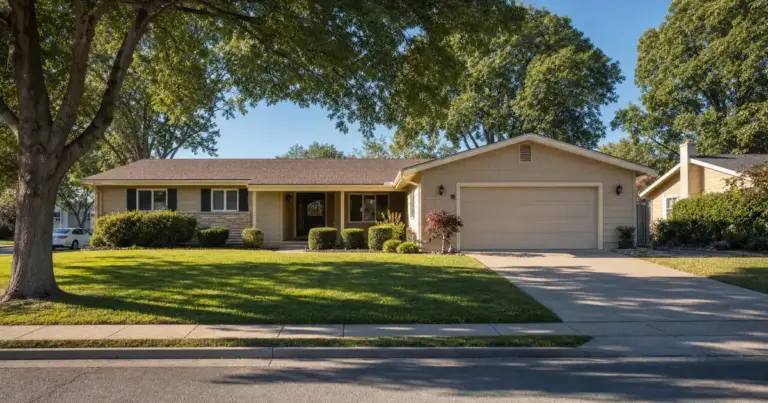
Helocs On Investment Properties — The Quick Read: Yes, they still exist, but the product looks nothing like the HELOC on a primary home.

It’s a non-QM product built for self-employed borrowers whose tax returns understate real cash flow.
1099 Looks Like Whenthe Mortgage Is In A Trust — The Quick Read: There usually isn’t one.