What Is A Forty-year DSCR Term For Rental Investors?

The point is cash flow: a lower monthly obligation raises the coverage ratio on the same rent roll.

 Lendmire Research
The point is cash flow: a lower monthly obligation raises the coverage ratio on the same rent roll.
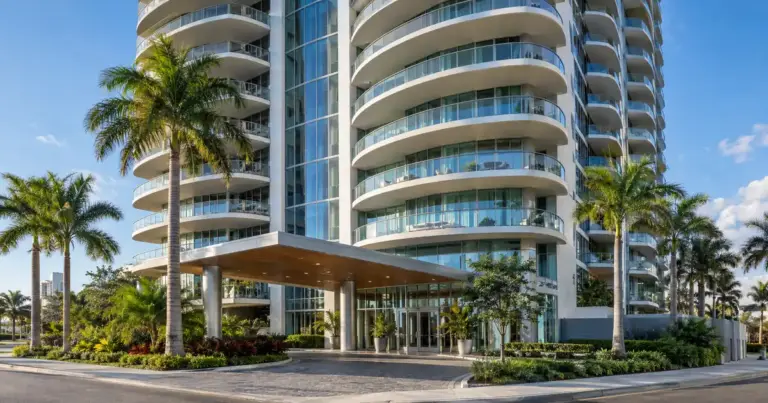
Fannie Mae and Freddie Mac won’t buy loans on buildings that operate like hotels, so those files never reach agency underwriting at all.

Buy a straight rental property and the loan can run on the property’s own income, sidestepping the client-concentration question almost entirely.

Sizes run from $300,000 to $30,000,000 across two wholesale channels, with leverage stepping down as the loan gets bigger.

Revocable trusts are close to a non-event for underwriting.

The default pattern across most portfolio files is one LLC per property, each with its own note secured only by that property.

It is not the seller’s asking rent, the investor’s projection, or even the signed lease amount.

Existing guest reservations do not transfer to a buyer — the trailing income record does. A calendar full of future reservations feels like proof of value.

Non-warrantable simply means the building fails one of those checks, not that the unit is unfinanceable.

Short-term rental income gets documented separately from the vesting question, usually at a discount to gross platform revenue.

It’s the legal foundation behind most DSCR financing on short-term rentals.

The trade-off is real: bigger loans mean lower leverage, tighter credit floors, and case-by-case underwriting above $4,000,000.

Weak properties can ride on strong ones.

An asset depletion mortgage converts liquid assets into a monthly qualifying income figure instead of relying on tax returns or pay stubs.

No single number “guarantees” approval — the file, the property, and local rules all matter.