Financing A Second Home In Coronado On Bank Statements

Underwriting looks at deposit history over 12 or 24 months rather than adjusted gross income.

 Lendmire Research
Underwriting looks at deposit history over 12 or 24 months rather than adjusted gross income.

Leverage steps down as the loan balance climbs, credit floors step up, and two appraisals become standard above $2,000,000.

This works for a primary residence, second home, or investment property.

Underwriters build income from 12 or 24 months of deposits, not a Schedule C.

In Los Altos Hills, the town’s licensing rule is built around owner-occupancy, which is a structural mismatch with a non-owner-occupied DSCR loan.

Reserves, appraisal count, and permitting status all move with loan size and property type, not with the calendar.

Above $4,000,000, every file gets reviewed case by case before submission.

DSCR stands for debt service coverage ratio.

Leverage steps down as the loan gets bigger, and anything past $4,000,000 goes through a case-by-case underwriting review before it’s even submitted.
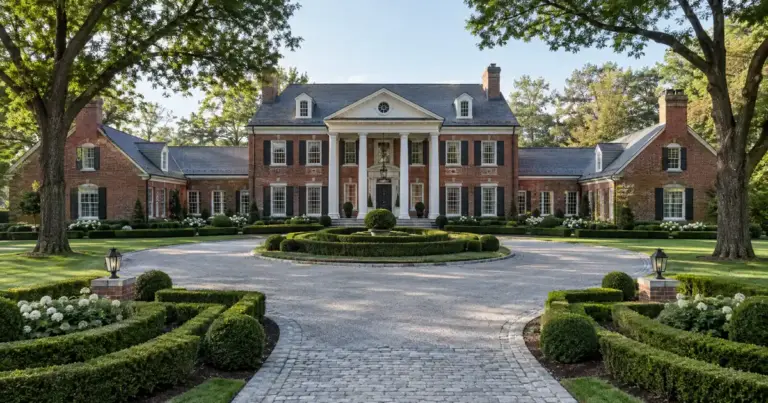
Leverage steps down as the loan gets bigger — roughly every million dollars — while credit floors and reserve documentation step up at the same time.

The two loan types run on different rulebooks entirely, and mixing them up after closing can cause real problems.

Sale prices in the area (MLSListings) push most acquisitions into the higher leverage tiers, where purchase financing typically tops out at 65-75%.

That single fact changes which income a lender can even look at, and it’s the piece most financing articles about this market skip entirely.

Above roughly $3.5 to $4 million, every file gets a case-by-case look before it moves forward.
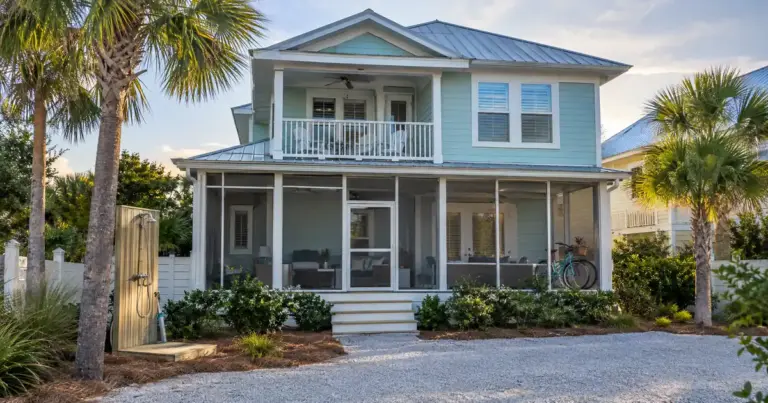
A lender divides eligible assets by a set number of months and treats the result as monthly income.