Super Jumbo Self-employed Mortgage: Complete Guide

Below that, most of what determines the outcome is credit depth, reserves, and which documentation path fits the borrower’s actual cash flow.

 Lendmire Research
Below that, most of what determines the outcome is credit depth, reserves, and which documentation path fits the borrower’s actual cash flow.

Jumbo Bank Statement Mortgage: Complete Guide — A jumbo bank statement mortgage lets a self-employed borrower buy or refinance a home

These non-QM programs run from $300,000 to $20,000,000, with leverage that steps down as the loan size climbs.

– “Super jumbo” is a lender-defined pricing tier, not a federal classification — it describes loans well above standard jumbo thresholds.
– HELOC (home equity line of credit): a revolving credit line secured by your property, typically drawn on during an interest-only period.
On a rental, underwriting checks the property’s rental income, not your paycheck.
Best Bank Statement HELOC Lenders: what borrowers need to know about bank-statement and self-employed financing, from Lendmire.

The appeal is real: private lending yields have long drawn investors who want income tied to real estate without the headaches of owning it.
They just swap the paperwork — verifying repayment with bank statements, asset accounts, or the property’s own rental income instead of a 1040.

Which bucket applies to you depends entirely on what the statements are being asked to prove.
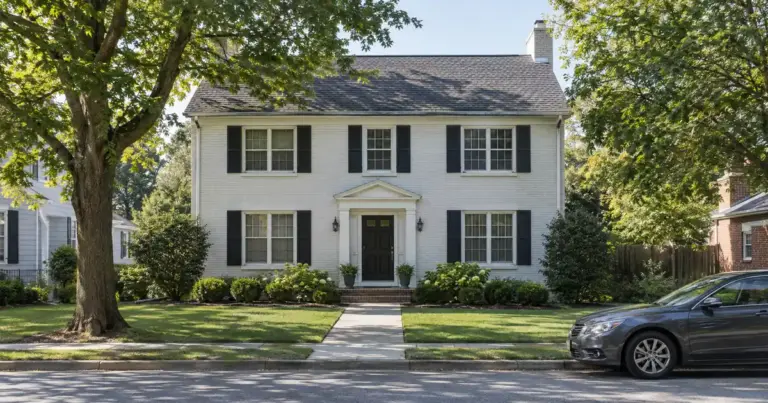
Big banks rarely offer the first two on investment property.
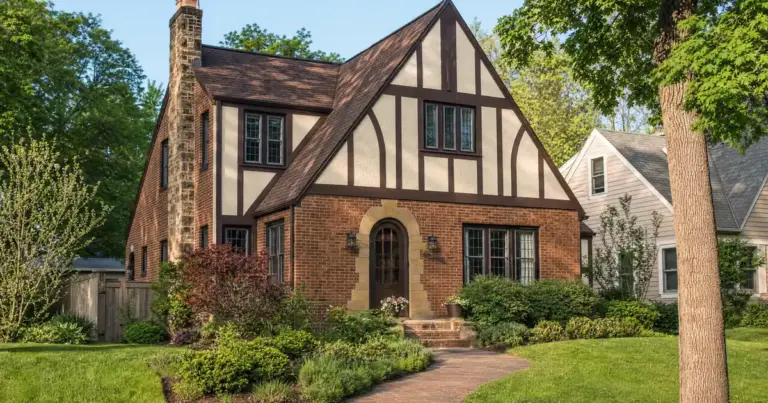
The lender is underwriting the deal and the collateral, not the borrower’s paycheck. That’s the short version.

Leverage on an owner-occupied purchase can run up to roughly 90% loan-to-value through select lenders, while investment-property cash-out tops out lower.
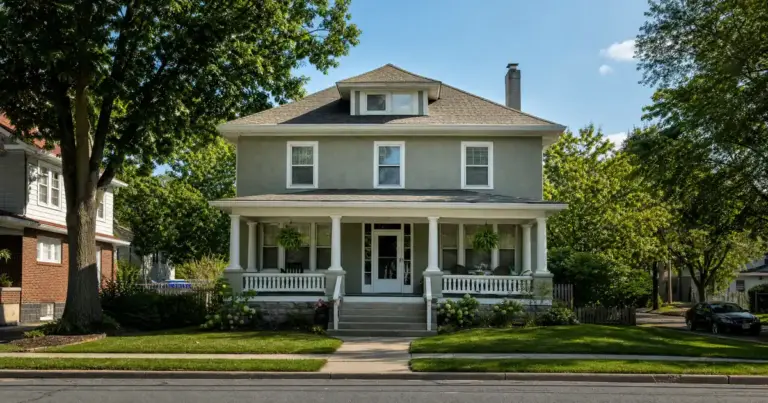
Self-employed investors who can’t clear that bar, or who’ve titled properties to an LLC, usually end up looking at a DSCR loan instead.

That’s the short version. The rest of this comes down to mechanics, who this actually works for, and where the risk sits.