Trust Vs Personal Title On A Bank Statement Loan For Asset-wealthy Retirees

Trust Vs Personal Title On A Bank Statement Loan For Asset-wealthy Retirees — Personal name closes cleaner and faster on the paperwork.

 Lendmire Research
Trust Vs Personal Title On A Bank Statement Loan For Asset-wealthy Retirees — Personal name closes cleaner and faster on the paperwork.

For a K-1 earner whose tax return understates real income, where you park your money changes your qualifying number dollar for dollar.

Loan size and property type are two separate gates — a strong coverage ratio doesn’t override either one.

It doesn’t, entirely. Loan size changes leverage, credit requirements, and — sometimes — whether non-recourse is even on the table.

The default path is simpler and needs no extra paperwork.
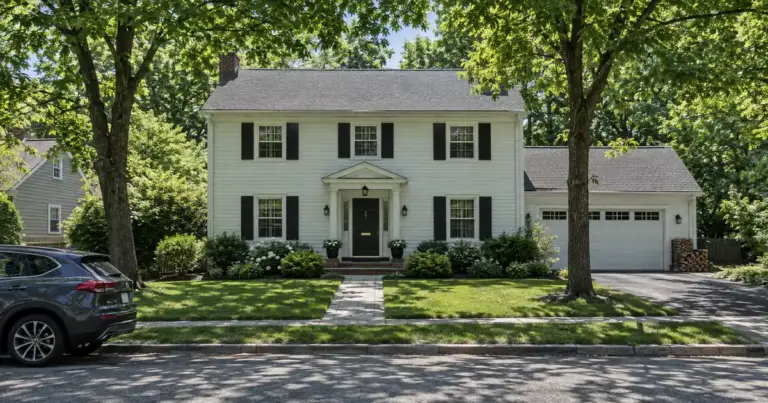
That test has nothing to do with how long they’ve owned the rental.

Non-recourse limits the lender to the collateral itself — except for a list of carved-out bad acts that flip the loan back to full recourse.

For an LLC portfolio holding both, the acreage property is usually the one you keep off a blanket note.

Most DSCR loans on 1-4 unit rentals are full recourse, trust or no trust.

A primary residence gets the strongest leverage and the most forgiving underwriting.

Single-family generally clears more leverage as loan size climbs.

They don’t. The loan program doesn’t care about acreage directly — DSCR underwriting is built around the property’s rental income, not lot geometry.

Non-recourse limits the lender’s remedy to the collateral itself, at least on paper.

Getting it right matters more than most borrowers realize.

The gap between the two paths is documentation and depth of review, not a hard cutoff written into federal rule.