
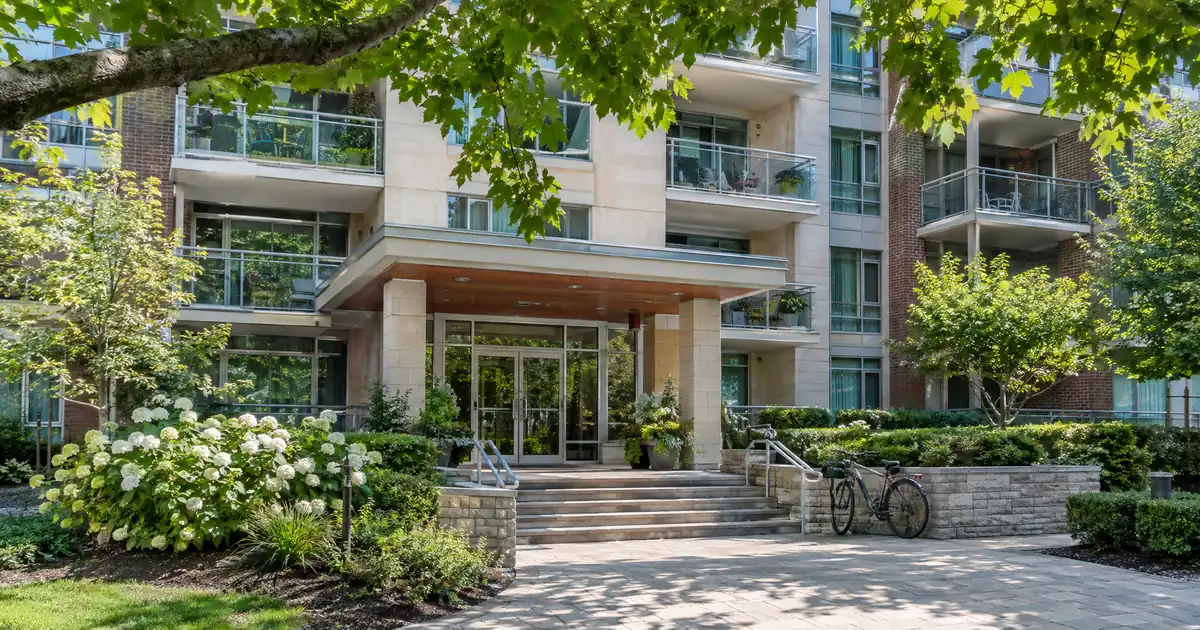
The Quick Read: Sometimes, but usually not as a straight yes: a beach condo run as a short-term rental can be refinanced with cash-out, and it may sit in a pooled loan when the building is a standard condo project, short-term renting is legal for that unit, and the pool’s combined coverage still clears the program floor, subject to lender guidelines.
- A hotel-style building with a front desk or mandatory rental pooling is generally not offered through standard DSCR short-term-rental programs.
- Short-term-rental cash-out tops out around 70% LTV, versus 75% for standard long-term rentals in the same pool.
- Lenders expect roughly 12 months of hosting history and a credit score of 640 or higher on short-term-rental files.
- The city and the HOA must both allow short-term renting, and a lender’s approval does not settle that question.
- Carving the condo out into its own loan is often cleaner than blanketing it.
What “Joining a Portfolio” Actually Means
A portfolio loan, also called a blanket or cross-collateralized loan, puts several rentals under one note. The 30-year portfolio DSCR loan covers 2 to 20 properties, with loan sizes from $300,000 to $5,000,000 and larger balances on review. Coverage is measured on the pool: total accepted rent against total debt service, with a 1.00 floor. A strong property can offset a weaker one. Every figure here varies by lender and program — guidelines, property type, leverage, and credit profile all apply.
Lenders define cross-collateralization as a clause that secures more than one obligation with the same collateral, per Law Insider’s dictionary entry. In practice, every property in the pool backs the whole note. Eligible types include single-family homes, 2-4 unit properties, condos and townhomes. A second structure, the rental portfolio term loan, serves five or more rentals under one loan with fixed terms and a balloon at maturity.
A cash-out refinance, in plain terms, is a new, larger mortgage that pays off the old one and converts equity to cash. The Corporate Finance Institute describes it that way. On a portfolio, cash-out never exceeds 75% of pooled value, and inside the first six months of ownership a seasoning rule caps it further.
The condo’s place in that pool is where the real questions start.
Gate One: Is the Building Eligible?
Most ordinary condo buildings are fine. The problem buildings are run like hotels. Across the wholesale network, a condotel or hotel-managed project, or one with mandatory rental pooling, is generally not offered through standard DSCR short-term-rental programs. Some narrower non-QM channels look at these buildings case by case, with tighter caps and more cash required.
The agency world draws a similar line. The Fannie Mae Selling Guide lists hotel or condotel operation and mandatory rental pooling among the traits of ineligible projects. DSCR programs do not follow agency rules, but the lines overlap enough that these buildings narrow the lender pool.
Here is the test brokers apply. Can the owner list, rent and manage the unit independently? If an operator controls occupancy, expect a decline or a much smaller menu.
Two points of nuance:
- Self-managed short-term rentals in a condo building are not automatically condotels. A beach building with no front desk and no rental program is a different property type from a hotel-run project.
- Non-warrantable is not a death sentence. An investor-heavy building or one with litigation changes which lenders look at the file. It does not bar DSCR investor loans.
| Condo type | What it means for pooling |
|---|---|
| Standard condo, self-managed STR | Often eligible, subject to lender guidelines |
| Non-warrantable (investor-heavy, litigation) | Narrower lender pool, case by case |
| Condotel, hotel-managed | Generally not offered on standard programs |
| Mandatory rental pool | Generally not offered on standard programs |
Gate Two: Is Short-Term Renting Legal Here?
Lender eligibility and legal operating status are two separate systems, and both must say yes. Short-term rental rules can vary by city, county, HOA, and property type, so investors should confirm local rules before relying on projected rental income.
The HOA is the usual trap at the beach. A declaration can bar short rentals even where the municipality permits them. Permission has to be documented for that specific unit, not assumed from the market. Before applying, pull the HOA rules, the rental policy and any permit paperwork, and read them against the lease terms you plan to offer.
Gate Three: How Short-Term Income Gets Counted
On a refinance, lenders want documented operating history. That means platform statements, bank deposits or property-manager statements covering about 12 months. Many programs count only a portion of gross revenue, with 80% of gross a common treatment on the short-term path, so the number that matters is the discounted one.
Seasonality cuts against beach owners here. The lender uses all twelve months, so a strong summer gets diluted by a slow winter. Investors who picture peak-season income as the underwriting basis are in for a surprise.
The appraisal adds a wrinkle. McKissock’s appraisal-education blog explains that Form 1007 documents monthly market rent, not nightly rent or business income, and that appraisers value the real property while the lender decides how income is counted. Form 1007 covers a one-unit property, including a condo unit. The appraisal sets value, which drives LTV. Multiplying a nightly rate by 30 and calling it market rent misuses the form and can distort coverage.
Then there is HOA dues. DSCR compares rent to PITIA only, which includes principal, interest, taxes, insurance and HOA dues. A beach building with heavy dues pulls the ratio down on the same income. Short-term-rental files carry a 1.00 coverage floor on both purchases and refinances, and stronger ratios open better pricing and leverage.
The Numbers That Bind
On short-term-rental collateral, cash-out tops out around 70% LTV. Standard long-term rentals in the same pool can reach 75%. Typical expectations on the short-term path include the following:
- a 640 credit score or higher, though portfolio structures can ask for 680 or 720
- about 12 months of hosting history
- a 1.00 coverage floor
- experience owning income property. These specifics are subject to lender guidelines and a full review of property, leverage, and credit.
Portfolio cash-out never exceeds 75% of pooled value, and the structure’s own ceiling still applies. Inside the first six months of ownership, the loan is also capped at 90% of total cost (purchase price plus documented improvements), and 100% of total cost from six to twelve months. The loan is the lower of the two tests. After twelve months, appraised value alone is the basis. A rate-and-term refinance is not subject to the cost-basis cap.
The practical result: the beach condo will often free up less equity per dollar of value than the long-term rentals beside it. Cash-out is limited by whichever test produces the smaller loan, equity or coverage. All of this is subject to lender guidelines, and every file is underwritten individually.
A Blended-Pool Scenario
Picture three properties under one note: a seasonal beach condo, a steady single-family rental on a 12-month lease, and an older duplex with thin margins. The single-family rental covers its share of debt service at roughly 1.4x. The duplex sits near 1.0x. The beach condo, once income is discounted and dues are in the payment, lands around 0.9x.
The pool is tested as a whole. If combined rents against combined debt service clear 1.00, the condo can sit inside. A property below 1.00 can sit in the pool when underwriting tests the pooled coverage, the leverage and the terms. The same math can reverse if the condo’s winter months drag the trailing figures down or the dues rise.
This is a modeled illustration, not a market fact. The point is the mechanism: averaging helps a weak asset and hurts a strong one.
What a Blanket Does to Your Risk
Pooling is not free. Because the pool is cross-collateralized, a default on the note puts every property at risk, not just the one that struggled. HOA assessments, fines that become liens, and a rule change at one building can reach the whole structure.
Selling one asset later follows the loan documents. Partial releases, substitutions and sales out of the pool are contract terms, not rights. The release price runs above the property’s allocated balance, and the remaining pool must still cover its debt service. A beach condo is often the first asset an owner wants to sell, so read the release language before signing.
One more point, and it is one brokers repeat often. Clearing 1.00 is not positive cash flow. Repairs, vacancy, management, utilities and capex all sit outside the calculation. A seasonal rental can pass at 1.00 and still run short in a slow quarter.
Lendmire’s piece Is One Portfolio Cash-Out Refinance Worth It for Five or More Rentals? covers the pooled-versus-separate tradeoff in more depth.
Blanket or Separate Loan for the Condo?
| Factor | Inside the blanket | Separate STR loan |
|---|---|---|
| Cash-out ceiling | Pool rules, STR lower | About 70% LTV on STR |
| Coverage test | Pooled, can be offset | Property alone |
| Risk | Cross-collateralized | Contained |
| Exit | Release terms apply | Sell or refinance alone |
The honest read: if the beach condo carries the weaker coverage, a separate short-term-rental cash-out keeps its income test, building risk and release question away from the long-term rentals. Pooling makes more sense when the condo is a minor piece and the rest of the pool is strong. For very large blankets, short-term-rental collateral usually isn’t the main collateral at all.
Second-home rules are a different product from an investor loan, and owner-occupied property is ineligible in these pools.
Documents to Pull First
- HOA declaration, rules, rental policy and recent financials
- The condo questionnaire, if the lender requests one
- City or county short-term-rental permit, where one applies
- Twelve months of platform statements or deposits
- Entity documents if the unit sits in an LLC, subject to lender program eligibility
- Current insurance and dues statements
Decision Tree: Include, Carve Out, or Pass
1. Hotel-managed or mandatory rental pool? Expect that standard programs won’t take it. Explore narrower channels or sell.
2. HOA or city bars short rentals? Stop. The income can’t be counted on.
3. Under 12 months of hosting history? Wait, or consider a purchase-style projection path where one applies.
4. Pool coverage clears with the condo included, and the rest of the pool is strong? Including it can work.
5. Condo weakens the pool? Carve it out into its own loan.
Manufactured homes, log homes and barndominiums fall outside these programs entirely.
For the broader mechanics, see Lendmire’s complete DSCR loans guide. Cash-out also adds debt against equity, a risk the CFPB has described as the added foreclosure exposure of turning other obligations into mortgage debt. Tax treatment varies; consult a qualified professional.
Key Terms Defined
Blanket (portfolio) loan: One note secured by several rentals, also called a cross-collateralized loan.
DSCR: Debt service coverage ratio, meaning rent divided by the monthly PITIA.
PITIA: Principal, interest, taxes, insurance and association dues.
Condotel: A condo project run like a hotel, often with a front desk or rental program.
Non-warrantable condo: A project that fails standard agency rules, so the loan goes to non-QM lenders.
Cross-collateralization: Pledging every property in the pool as security for the whole loan.
Frequently Asked Questions
Can I add the beach condo to an existing portfolio loan later?
Sometimes. Adding a property follows the loan documents and the lender’s terms, and the new asset must still keep the pool’s coverage at or above the floor. Many investors find a separate loan simpler for a short-term-rental condo.
Does one weak property sink the pool?
Not by itself. Coverage is measured on pooled rent against pooled debt service, so strong properties can offset weaker ones. Underwriting tests the pooled coverage, the leverage and the terms, and a deep shortfall can still push the pool under the floor.
Do I need hosting history?
On a refinance, yes: roughly 12 months of documented operating history is the common expectation. Purchases without history may rely on a market projection under certain programs.
Can I stay in the condo myself?
Owner-occupied property is ineligible in these pools. These are investment-property loans, so personal use should stay secondary to the rental purpose.
What if the HOA changes its rental rule after the loan funds?
The loan stays in place, but your income can fall if the rule restricts rentals. That is a real risk at beach buildings, so review the declaration and recent board minutes before you commit.
If you are buying or refinancing a rental property and want to see how the numbers work, Lendmire, a DSCR-focused mortgage broker working across 41 markets including Washington, D.C., can help you compare DSCR loan options based on the property income, credit profile, leverage, and investor goals. Call 828-256-2183 or request a quote. Programs are subject to lender guidelines and are not a commitment to lend.
A deeper walk-through of investment-property equity extraction lives in Lendmire’s guide to cash-out refinance on an investment property.
About Lendmire
A DSCR-focused mortgage broker, Lendmire (NMLS# 2371349) places investor financing across 41 markets — 40 states plus Washington, D.C. — with DSCR eligibility generally reviewed by the lender on property cash flow instead of tax returns, subject to lender guidelines. Scotsman Guide named Lendmire a Top Mortgage Workplace in 2025 and 2026.
Get Started
Ready to find the right loan for you?
In about 30 seconds you can review financing options available for your investment property. No commitment required.
Informational only. Not a Loan Estimate, approval, or commitment to lend. Program availability and eligibility are subject to lender guidelines, credit approval, property review, and underwriting.
References
1. Law Insider: Cross Collateralization Clause
2. Corporate Finance Institute: Cash Out Refinance
3. Fannie Mae Selling Guide B4-2.1-03: Ineligible Projects
4. McKissock Learning: Form 1007 and Short-Term Rental Appraisals
5. CFPB: Cash-Out Refinance Borrowers and Credit Scores
This article is part of Lendmire’s investment property cash-out refinance program — full qualification details, guidelines, and scenarios live on the program page.
Related reading: Portfolio DSCR Loan vs. a DSCR Loan on Every Rental · Can a DSCR Portfolio Cash-Out Fund Your Next Rental Down Payments? · Should a DSCR Investor Consolidate or Pick Where Each Cash-Out Goes?
Brandon Miller
Founder & CEO, Mortgage Loan Originator, Lendmire LLC
- Mortgage Loan Originator · NMLS# 1129696 · Verify on NMLS Consumer Access
- North Carolina Real Estate Broker · License# 343312 · Verify on NCREC
- North Carolina Insurance Producer · License# 19053198 · Property, Casualty, Life, Health · Verify on NAIC SBS
- Lendmire LLC · Firm NMLS# 2371349 · Verify firm licensure
Disclosure information. Lendmire is a state-licensed mortgage brokerage under NMLS# 2371349. Lendmire is not a depository institution, direct lender, or financial advisor — all loans referenced are placed through wholesale lender partners and are subject to each lender's underwriting standards. This article is provided for general informational purposes and is not a commitment to lend, nor does it constitute financial, legal, or tax advice. Loan programs, terms, rates, and qualification standards change without notice and depend on borrower profile, property type, and the state in which the subject property is located. Equal Housing Opportunity provider. NMLS Consumer Access: nmlsconsumeraccess.org.