
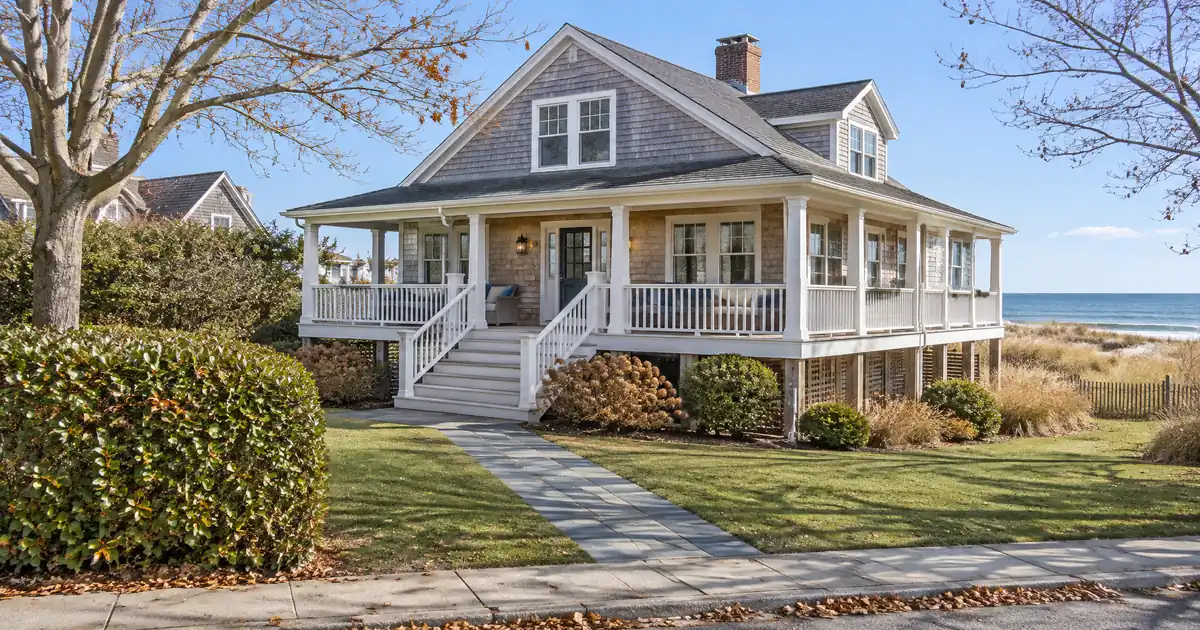
The Quick Read: The best program is the one whose income method, seasoning rule, and leverage cap fit your specific property and renovation plan. No single program wins for every investor. On short-term rental collateral, cash-out through Lendmire’s wholesale network generally tops out at 70% LTV, against 75% for standard long-term rentals, and the refinance is reviewed on the property’s rental income, subject to lender guidelines.
- Expect a 640+ credit score and about 12 months of hosting history on most files.
- Select programs start at a 1.00 DSCR on STR refinances, and stronger ratios open better terms.
- Heavy renovations usually need a bridge or rehab loan first. The cash-out refinance is the takeout.
- The appraisal sets the loan basis, not your renovation budget or projected after-repair value.
Investors usually ask which program to pick. A better question is which program matches the file. Lendmire is a mortgage broker, not a lender. It shops a wholesale network of DSCR lenders and matches the property to the program that fits.
DSCR Cash-Out Calculator
Run the cash-out numbers in your market
Rate source: Freddie Mac 30-yr average via FRED® — Federal Reserve Bank of St. Louis · effective Nov 5, 2026
Prefilled with starting assumptions — enter your property’s value, balance, taxes, and insurance for a more accurate picture.
Program parameters update from Lendmire’s centralized guideline source. Taxes and insurance are editable estimates.
As of Nov 5, 2026 · General Freddie Mac market benchmark, not a Lendmire loan offer. Property value, balance, taxes, and insurance are editable estimates. Maximum loan-to-value varies by lender, program, property type, and seasoning. Not a Loan Estimate, approval, or commitment to lend. Program availability and eligibility are subject to lender guidelines, credit approval, property review, and underwriting.
What an STR Cash-Out Refinance for Renovations Actually Is
Two different deals hide under this phrase, and the underwriting differs for each.
The first is an equity harvest. You own an operating short-term rental, you refinance, and you use the proceeds to renovate that property or fund work elsewhere. The loan is sized on current value and current income.
The second is a BRRRR-style exit. You buy and rehab with short-term money, then refinance into permanent debt. AirDNA’s BRRRR explainer describes the standard pattern: short-term loans to buy and renovate, then a refinance that replaces the short-term loan and pulls equity out for the next deal. It also notes that renovations on STRs can raise both value and rental income.
Both routes end in the same product, a DSCR cash-out refinance. That loan is reviewed primarily on property-level rental income covering the payment, subject to lender guidelines. The borrower’s tax returns and W-2s are not the center of the file. For the full product overview, see the complete DSCR loans guide.
How Underwriting Treats the File, Step by Step
Here is the order a lender’s review follows.
1. Income basis is chosen. For a short-term rental, programs draw from trailing host-platform statements matched to bank deposits, a third-party projection, an appraiser’s STR income analysis, or long-term market rent as a fallback. Which of these a program accepts, and how much it discounts the number, varies by lender. That variation is the main reason a broker comparing several programs matters.
2. The appraisal sets value. The loan is sized from the lender’s appraised value, not your after-repair estimate. The appraisal format matters too. Form 1007 measures long-term market rent only. Fannie Mae’s appraiser update says an appraiser must use monthly-lease comparables on that form and that it cannot estimate a nightly STR fee. McKissock likewise says business income is outside the 1007’s scope. These are appraisal-form facts, not DSCR rules. Ask early which appraisal format the program requires.
3. Seasoning is checked. Across most of the network, about 6 months of ownership is the common expectation before cash-out. Recording dates and the settlement statement document it.
4. Leverage is applied. STR cash-out sits at up to 70% LTV. A standard long-term rental cash-out tops out around 75%. STR collateral gets the lower cap because the income is more volatile. Leverage, reserves, and pricing vary by lender and program; the final terms follow the full file review.
5. Coverage is tested. DSCR is monthly rental income divided by the full monthly obligation: principal, interest, taxes, insurance, and any HOA dues. Cash-out raises the balance, so it raises the payment and lowers the ratio. Rent has to cover the new, larger obligation, not the old one. On STR refinances, 1.00 is where select programs start. Stronger ratios open better pricing and leverage.
6. Proceeds are applied. Any bridge or hard-money note gets paid off first, then closing costs. Only what remains reaches the borrower. That remainder is the real renovation budget.
Keep one point straight. Clearing 1.00 does not mean positive cash flow. DSCR compares rent to the housing payment only. Repairs, vacancy, management, utilities, and capital expenses sit outside the calculation.
Key Terms Defined
Cash-out refinance: A new loan that replaces the existing one and returns part of the equity as cash at closing.
DSCR: The property’s monthly rental income divided by its monthly principal, interest, taxes, insurance, and dues.
Seasoning: The minimum time you must have owned the property before a lender allows cash-out.
Hosting history: The record of rental activity on platforms like Airbnb or Vrbo, usually shown through statements and deposits.
LTV: The loan amount as a percentage of the appraised value.
Income Method Is the Real Dividing Line Between Programs
Some programs want trailing history, and on STR refinances about 12 months of hosting history is the typical expectation. Others accept an appraiser’s projected income analysis. Class Valuation describes the narrative addendum, a Short-Term Rental Projected Income Analysis with market-supported occupancy, that appraisers use because the 1007 cannot carry STR income. Still others lean on third-party projections with a haircut, since platforms like Airbnb and Vrbo do not publish booking data and projection tools build estimates from listing signals.
Practical effect: a property with strong trailing history but a mediocre appraisal analysis fits a trailing-statement program. A freshly renovated property with no history may fit better where projections count. The rule across the network is to match the income method to what you can document.
Where the General Rule Breaks
The standard path assumes an operating, rentable property. These cases break it.
Heavy renovation or distressed property. Lenders generally will not write a DSCR loan on a property that is mid-gut-rehab. You need a short-term rehab or bridge loan first. The DSCR cash-out refinance becomes the takeout once the property is finished, rentable, and producing income.
No hosting history after the rehab. If you finish work and have no booking record, a program that requires 12 months of history will not fit. Programs that accept appraisal-based income analysis may. Others need you to host first. Build the runway into the bridge loan term.
Ground-up construction. A construction loan comes first, then a DSCR refinance after completion.
Thin coverage. A larger payment can pull coverage under 1.00, which is where many select programs start. One fix is taking less cash-out, which lowers the new payment. Another is a separate select-lender path that accepts coverage below 1.00, with leverage and terms adjusted. That is a different program, not the same one with a lower floor.
Prepayment terms. Many DSCR loans carry a prepayment structure, often stepped over several years. If you may refinance or sell again within a year or two of the renovation, the structure matters as much as the leverage.
Ineligible property types. Manufactured homes (single- and double-wide), log homes, and barndominiums are not offered in these programs, however good the renovation plan.
Local rules. Short-term rental permits, licensing, and occupancy limits are set by the city or county and can change what a property may legally earn. Confirm that your permit is active and transferable before you plan a renovation around rental income, since lenders review the file with local rules in mind.
Matching Renovation Size to the Funding Path
| Project status | Typical path | Watch for |
|---|---|---|
| Cosmetic, property still operating | Direct STR cash-out | Seasoning, hosting history |
| Mid-scale, partial downtime | Cash-out after work, or bridge first | Income during downtime |
| Gut rehab, not rentable | Bridge or rehab loan, then DSCR takeout | Runway for seasoning and history |
| Ground-up build | Construction loan, then DSCR refinance | Appraisal on completion |
Runway is the planning variable. A bridge loan has to outlast the rehab, the booking history the program wants, seasoning, the appraisal, and review. A bridge sized to the rehab alone leaves no room if any of those steps runs long, and extension costs can follow. AirDNA’s explainer lists underestimated rehab costs and assuming the refinance will qualify as typical first-timer risks.
A Worked Example
Run the numbers this way, with modeled inputs rather than market data. Say an owner holds a stabilized STR, appraised at a value that supports a cash-out at 70% LTV. The existing loan balance sits well below that cap. Terms vary by lender guidelines, property type, leverage, credit profile, and full file review.
- The new loan is sized at up to 70% of the new appraised value.
- The existing mortgage is paid off from that new loan.
- Closing costs and any bridge note come out next.
- What remains is the renovation budget.
Now re-test coverage. The new, larger balance raises the monthly obligation. If rental income covers it at roughly 1.2x, the file sits comfortably above the 1.00 start point for STR refinances. If the larger payment drags the ratio toward 1.00, a smaller cash-out request can restore the cushion.
A larger down payment or lower leverage can lift the ratio, but it never erases the credit floor, reserve rules, or property eligibility. Strong files clear both tests: enough equity and enough rental coverage. Reserves vary by lender, leverage, and loan size, commonly around 6 months of PITIA, with larger loans stepping up.
Also keep appraisal logic straight. An improvement may support a higher appraised value, depending on comps and underwriter review. A renovation budget is not a guaranteed value lift. Fannie Mae’s Selling Guide shows how narrowly the 1007 is scoped, which is another reason to confirm the appraisal format before you plan the cash-out.
How to Judge a Program Against Your Property
Use this checklist when your broker lays programs side by side.
- Income method: trailing history, appraisal analysis, or projection, and any haircut.
- STR cash-out cap: typically up to 70% LTV on STR collateral.
- Seasoning: common expectation is about 6 months, and how it is measured.
- Credit floor: 640 on STR files, with stronger tiers for higher credit.
- Coverage floor: 1.00 on STR refinances for select programs.
- Prepayment structure: length and step-down.
- Term structure: 30-year fixed is the spine. Extended terms and interest-only periods exist through select lenders. ARMs are available too.
- Loan size: standard programs run to $3,000,000, and above $2,500,000 the network generally holds to 30-year fixed structures.
- Entity: LLC borrowing is possible, subject to lender program eligibility.
Documents to Gather, in Order
Start with the items that take longest to pull together.
1. Host-platform statements and matching bank deposits.
2. Rehab budget, receipts, and the settlement statement for the original purchase.
3. Entity documents if the property sits in an LLC.
4. STR-appropriate insurance evidence.
5. Local STR permit or registration evidence where required.
6. Any third-party income analysis you plan to submit.
Missing platform statements and unclear insurance are preventable gaps. Clean documentation does not guarantee approval, but it leaves fewer open items to review.
Frequently Asked Questions
Can I use an STR cash-out refinance to pay for a major renovation?
Yes, if the property is rentable and meets the program’s seasoning and income standards. Proceeds first pay off the existing loan and costs. The rest funds the work. A property that is not rentable during the rehab typically needs bridge financing first, with the refinance as the takeout.
How much can I pull out on a short-term rental?
Cash-out on STR collateral typically tops out at 70% LTV, versus about 75% for standard long-term rentals. The new appraised value sets the base. Your payoff, closing costs, and any bridge note come out of that amount before you see cash. Terms are subject to lender guidelines.
Will an appraisal capture my Airbnb income?
Not on the standard rent schedule form. Form 1007 measures monthly long-term rent only. Appraisers who handle STRs often add a narrative income analysis instead. Ask your broker which format the program accepts before ordering.
Do I need hosting history after finishing the renovation?
On most STR refinance files, about 12 months of hosting history is expected. Some programs accept appraisal-based projections instead. If you have no history yet, the bridge loan has to carry you through that period.
What if my coverage falls below 1.00 after the cash-out?
1.00 is where many select programs start. Taking less cash-out, which lowers the new payment, is the other common fix.
Next Step
If you are buying or refinancing a rental property and want to see how the numbers work, Lendmire can help you compare DSCR loan options based on the property income, credit profile, leverage, and investor goals. You can request a quote through Lendmire’s quote page or call 828-256-2183. Programs change, every file is underwritten individually, and nothing here is a commitment to lend.
A deeper walk-through of investment-property equity extraction lives in Lendmire’s guide to cash-out refinance on an investment property.
For current guidelines and terms, see Lendmire’s DSCR loan programs page.
About Lendmire
Lendmire (NMLS# 2371349), a non-QM mortgage broker serving investors in 41 markets including Washington, D.C., helps structure DSCR scenarios commonly evaluated around a property’s rental income rather than personal income paperwork, subject to lender guidelines. A Scotsman Guide Top Mortgage Workplace in 2025 and 2026, Lendmire places loans through wholesale investor lenders and is not a direct lender.
Get Started
Ready to find the right loan for you?
See your offer in seconds. No credit pull, no obligation.
Informational only. Not a Loan Estimate, approval, or commitment to lend. Program availability and eligibility are subject to lender guidelines, credit approval, property review, and underwriting.
References
2. Fannie Mae Appraiser Update, June 2024
3. McKissock
5. Fannie Mae Selling Guide B4-1.2-01
This article is part of Lendmire’s investment property cash-out refinance program — full qualification details, guidelines, and scenarios live on the program page.
Related reading: Banks That Offer a Short-Term Rental Cash-Out Refinance With No Income Verification · Top Short-Term Rental Cash-Out Refinance Providers to Maximize Cash Out
Brandon Miller
Founder & CEO, Mortgage Loan Originator, Lendmire LLC
- Mortgage Loan Originator · NMLS# 1129696 · Verify on NMLS Consumer Access
- North Carolina Real Estate Broker · License# 343312 · Verify on NCREC
- North Carolina Insurance Producer · License# 19053198 · Property, Casualty, Life, Health · Verify on NAIC SBS
- Lendmire LLC · Firm NMLS# 2371349 · Verify firm licensure
Compliance and disclosures. Lendmire (NMLS# 2371349) is a licensed mortgage broker and is not a direct lender, depository institution, financial advisor, or tax professional. Content in this article is general market analysis and educational information — not financial, legal, or tax advice for any specific situation. Lendmire does not guarantee loan approval; every transaction is subject to underwriting by the funding lender. Mortgage pricing and loan program guidelines are subject to change at any time without notice and vary by borrower characteristics, property type, and state regulations. Lendmire complies with Equal Housing Opportunity. Licensure verification: NMLS Consumer Access.