
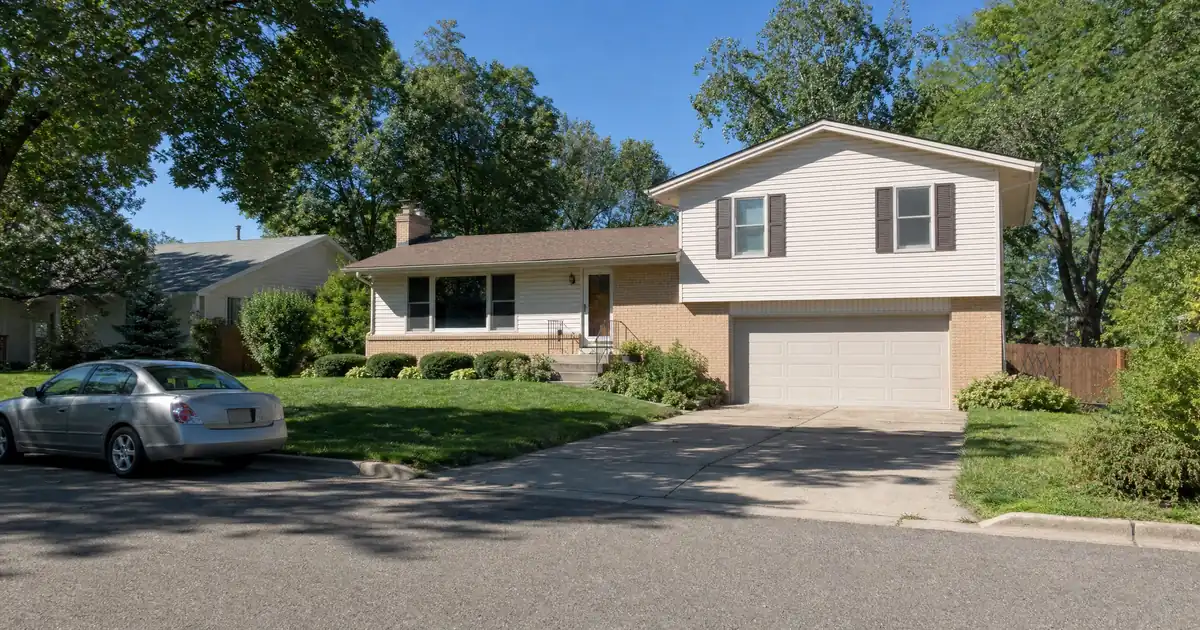
The Quick Read: A cash-out refinance on a rental property pays off the existing loan with a new, larger one and hands the investor the difference in cash — but investment-property cash-out runs on tighter rules than a primary-residence refinance. Across DSCR and other non-QM lending, cash-out leverage typically tops out around 75% loan-to-value, roughly six months of ownership seasoning is the common expectation, and the property’s rent — not the borrower’s paycheck — has to cover the new payment. The math, the paperwork, and the risk all shift the moment a property stops being a home and starts being a business asset.
DSCR Cash-Out Calculator
Run the cash-out numbers in your market
Rate source: Freddie Mac 30-yr average via FRED® — Federal Reserve Bank of St. Louis · effective Jul 30, 2026
Prefilled with starting assumptions — enter your property’s value, balance, taxes, and insurance for a more accurate picture.
Program parameters update from Lendmire’s centralized guideline source. Taxes and insurance are editable estimates.
As of Jul 30, 2026 · General Freddie Mac market benchmark, not a Lendmire loan offer. Property value, balance, taxes, and insurance are editable estimates. Maximum loan-to-value varies by lender, program, property type, and seasoning. Not a Loan Estimate, approval, or commitment to lend. Program availability and eligibility are subject to lender guidelines, credit approval, property review, and underwriting.
Key Terms Defined
Before the mechanics, a few terms of art worth pinning down:
DSCR (debt-service coverage ratio): the number a lender gets by dividing the property’s monthly rent by its full monthly housing payment. A ratio at or above 1.00 means rent covers the payment; below 1.00 means it doesn’t.
PITIA: the full monthly housing obligation — principal, interest, taxes, insurance, and any association dues — used as the denominator in the DSCR calculation.
LTV (loan-to-value): the new loan amount expressed as a percentage of the property’s appraised value. A lower LTV means more equity has to stay in the deal.
Seasoning: the length of time an investor has to own a property before a lender will refinance it for cash out. It exists to prevent a borrower from inflating value on paper and pulling cash out the same week they bought.
Cash-out refinance (vs. Rate-and-term): a rate-and-term refinance just replaces the existing loan, often to adjust the payment or structure. A cash-out refinance replaces the loan with a bigger one and sends the investor the difference — which is why lenders price and cap it differently.
Reserves: liquid funds, expressed in months of PITIA, an investor has to show on top of the down payment or existing equity, proving the file can absorb a vacancy or a slow month.
Business-purpose loan: financing for a property the borrower does not occupy. Because the loan funds a rental rather than a home, it’s reviewed on the property’s income rather than the borrower’s pay stubs.
How the Refinance Actually Works, Step by Step
A cash-out refinance on a rental moves through the same six gates on nearly every file, and skipping ahead never actually works — a strong DSCR and low leverage won’t save a file that’s short on reserves.
Step 1 — Purpose gets classified first. Every file is sorted as rate-and-term or cash-out before anything else happens, because that single label sets the LTV ceiling and whether a seasoning clock even applies. A property with no existing lien — including one bought outright in cash — is automatically treated as a full cash-out the moment a dollar is disbursed. There’s no discount version for a free-and-clear property; every dollar out the door is proceeds.
Step 2 — An appraisal sets value; rent gets its own documentation. An appraiser establishes the market value that becomes the LTV denominator. On the rental-income side, agency lenders lean on a comparable-rent schedule (Fannie Mae’s Form 1007 for single-unit properties, or a comparable operating statement for two-to-four unit buildings) to support a market-rent opinion. DSCR underwriting borrows the same documentation convention — a supported rent figure, not a guess — even on loans that will never sit on an agency’s books.
Step 3 — DSCR gets calculated. Qualifying monthly rent divided by PITIA produces the coverage ratio. This single number substitutes for a debt-to-income calculation and is the core of how the file gets approved.
Step 4 — Credit, coverage, and seasoning jointly set the leverage. Purchases generally get the most leverage a program offers. Cash-out gets capped meaningfully lower across almost every non-QM lender, because pulling equity out of a property carries more risk than financing a new acquisition or simply repricing existing debt. Across the wholesale network Lendmire places files through, cash-out leverage typically tops out around 75% LTV, with roughly six months of ownership seasoning expected before that leverage opens up.
Step 5 — Documentation gets verified. Because this is a business-purpose loan, the file substitutes a lease or rent roll and an appraisal-based rent opinion for W-2s and tax transcripts. The property qualifies primarily on its rental income covering the payment, subject to lender guidelines — not on the borrower’s personal income documentation.
Step 6 — Underwriting reconciles the whole picture. DSCR, LTV, credit, title, and reserves get checked together, not in isolation. A file can be strong on four of five factors and still get pended on the fifth — reserves are the one investors most often underestimate. Across the network, most files budget around six months of PITIA in reserves; loans above roughly $1,500,000 commonly step up to closer to nine months, while a conservative rate-and-term file at modest leverage under that threshold can sometimes see reserves waived entirely.
For a walkthrough of what a lender actually asks for at each stage, Lendmire’s guide on how to cash-out refinance an investment property breaks the checklist down further, and the complete DSCR loans guide covers how the property-income qualification model works from the ground up.
What Structures Actually Exist
The 30-year fixed is the spine of this market, but it isn’t the only option. Extended 40-year terms and interest-only periods are available through select lenders in the network, and adjustable-rate structures exist for investors who specifically want them — none of these change the underlying DSCR math, but they can shift how the payment behaves against a given rent figure. Loan sizes on standard cash-out programs typically run up to around $3,000,000; above roughly $2,500,000, the network generally holds to 30-year fixed structures rather than the more exotic terms.
Short-term rentals get their own lane. STR cash-out refinances generally cap closer to 70% LTV, want a credit score around 640 or better, and expect roughly 12 months of hosting history or comparable platform data before that income counts toward the ratio. The mechanics otherwise mirror a long-term rental file — same seasoning logic, same appraisal-plus-rent-documentation approach — just with tighter leverage and a higher credit bar. Lendmire’s comparison of rate-and-term versus cash-out DSCR refinances walks through how STR income typically gets treated on the file.
One hard line worth knowing early: manufactured homes (both single- and double-wide), log homes, and barndominiums fall outside these DSCR programs entirely. That’s not a “harder to finance” situation — it’s simply not offered through this channel, and an investor holding one of these property types should plan on a different financing path from the start.
Where the General Rule Breaks: Edge Cases
All-cash buyers don’t have to wait out the full clock. An investor who paid cash for a property can typically access a delayed-financing exception rather than waiting the standard seasoning period. The payout is still capped — usually at the lower of the current appraised value at the applicable cash-out LTV, or the amount actually invested (purchase price plus receipted improvement costs) — so it’s a shortcut on timing, not a loophole around the leverage cap. This is the mechanic that makes the BRRRR strategy (buy, rehab, rent, refinance, repeat) work at any real pace.
Inherited or legally-awarded property skips the clock too. If a borrower acquired a property through inheritance, or through a divorce or separation settlement, the ownership-seasoning requirement typically doesn’t apply. The logic holds across both agency and non-QM underwriting: seasoning exists to prevent value manipulation, not to punish someone who didn’t choose their acquisition timeline.
Free-and-clear doesn’t mean special treatment — it means automatic cash-out. A rental with no mortgage on it still gets refinanced under the same cash-out rules; there’s no reduced-scrutiny category because nothing is being paid off. Every dollar disbursed counts as proceeds, full stop.
Coverage below 1.00 isn’t automatically dead — but it isn’t free either. Select lenders in the network will consider a property that doesn’t clear a 1.00 coverage ratio, typically in exchange for a stronger credit tier, reduced maximum leverage, and larger reserves. A no-ratio option is available for DSCR below 1.00 with stronger credit or higher down payment; qualification on that path rests on credit and equity rather than a rent-coverage calculation.
“No seasoning” is rarely actually free. Apart from property acquired through inheritance or a divorce or separation settlement, a true zero-seasoning cash-out refinance without any compensating restriction essentially doesn’t exist in this market. Programs advertised as no-seasoning typically pair that flexibility with lower maximum leverage, a higher credit floor, or a heavier reserve requirement than a standard seasoned file carries. In those cases the seasoning gets traded for something else on the file — it isn’t waived for nothing.
Proceeds generally need to stay investment-related. Program guidelines commonly expect cash-out proceeds to fund property improvements, a down payment on another rental, or payoff of other investment-related debt — not personal credit cards or personal tax liens. Property titled in an LLC can typically use the same programs, subject to lender program eligibility, though the entity structure gets reviewed alongside the borrower’s personal credit.
Is Pulling the Cash Out the Right Move?
Picture a rental now appraised well above its remaining payoff. At a 75% LTV ceiling, the new loan amount is capped off that appraised value — but how much of that gap actually turns into cash in hand depends on whether the resulting payment still clears an acceptable coverage ratio, not just on how much equity is sitting there on paper. A property with rent that clears comfortably above 1.00x can usually pull more cash out at the same leverage cap than one hovering right at the line; a bigger down payment or more built-up equity lowers the payment and can lift the ratio, but it never overrides the LTV ceiling, the credit floor, or the reserve requirement on its own. The strongest files clear both tests at once — enough equity and enough rental coverage — rather than leaning on one to cover for the other.
It’s worth separating “clears 1.00” from “cash flows.” A DSCR of 1.00 means rent covers PITIA — nothing more. Repairs, vacancy stretches, property management fees, utilities, and capital expenditures all sit outside that ratio, so a file that clears 1.00 or even 1.20 can still run tight once the real costs of owning the property show up. That distinction matters more at refinance time than at purchase, since a cash-out increases the loan balance and, usually, the payment against the same rent roll.
| Option | Typical LTV Ceiling | Is reviewed on | Best Fit |
|---|---|---|---|
| DSCR cash-out refi | ~75% | Property rent vs. PITIA | Pulling equity for the next deal |
| DSCR rate-and-term refi | Higher than cash-out | Property rent vs. PITIA | Restructuring existing debt, no cash out |
| HELOC / home equity loan | Set by lender, often lower | Borrower income/credit (consumer product) | Smaller draws, owner-occupants mainly |
Investor demand for this kind of financing isn’t a niche question. Investor purchase activity held at roughly 30% of all single-family purchases through the end of 2025, according to Cotality’s Home Investor Report, and a market source notes that share hit a record in the first half of the same year, driven mostly by small-scale, “mom and pop” investors rather than institutional buyers. That’s the buyer profile most likely to need property-income-based financing rather than a conventional, W-2-driven refinance.
Because this is a business-purpose loan on a rental rather than a home, it’s reviewed differently than a standard owner-occupied mortgage from the start — the file is built around the property’s income, not the borrower’s paycheck. Tax treatment can depend on how the funds are used and how the property is held; investors should keep clear records and speak with a qualified tax professional before relying on any deduction.
If the numbers on a specific property need running, Lendmire (NMLS# 2371349) arranges DSCR cash-out refinancing through select lenders across a wholesale network covering 40 states plus Washington, D.C. — 41 markets total — and can be reached at 828-256-2183 or through a pricing quote request to compare leverage, coverage, and reserve scenarios against a specific rent roll.
Loan approval is never guaranteed, and nothing here is a commitment to lend. Every scenario described here is subject to lender approval and to borrower, property, and program guidelines that can change. This article is general information, not financial, legal, or tax advice.
Frequently Asked Questions
Does a cash-out refinance on a rental work the same as one on a primary home?
No — it’s classified as a business-purpose loan rather than a consumer mortgage, and it’s reviewed on the property’s rent rather than the borrower’s income. Leverage typically caps lower than a primary-residence cash-out, seasoning windows are program-specific instead of tied to agency rules, and documentation runs through a lease or rent schedule instead of pay stubs.
How much equity can actually come out?
It depends on the appraised value, the remaining payoff, the property’s DSCR, and the applicable LTV ceiling — typically around 75% for cash-out — together, not any single factor alone. A property with rent comfortably above a 1.00 coverage ratio generally has more room to pull cash than one sitting right at the line, even at identical leverage.
Can an investor cash-out refinance a property they own free and clear?
Yes — a mortgage-free rental refinance is automatically treated as a full cash-out the moment funds are disbursed, since there’s no existing loan to net against. There’s no reduced-scrutiny category for this; it follows the standard cash-out leverage rules like any other rental refinance.
What happens if the DSCR comes in below 1.00 at refinance time?
Select lenders in the network will still consider it, typically in exchange for a stronger credit profile, reduced leverage, and larger reserves rather than a rejection outright.
Do FHA or VA cash-out programs apply to an investment property?
Generally no — those government-backed cash-out programs are built around owner-occupancy, so a pure rental almost always routes through a conventional investor refinance or a DSCR program instead.
For how equity extraction works on an investment property, see cash-out refinance on an investment property.
About Lendmire
A DSCR-focused mortgage broker, Lendmire (NMLS# 2371349) places investor financing across 41 markets — 40 states plus Washington, D.C. — with DSCR eligibility generally reviewed by the lender on property cash flow instead of tax returns, subject to lender guidelines. Scotsman Guide named Lendmire a Top Mortgage Workplace in 2025 and 2026.
Get Started
Ready to find the right loan for you?
In about 30 seconds you can review financing options available for your investment property. No commitment required.
Informational only. Not a Loan Estimate, approval, or commitment to lend. Program availability and eligibility are subject to lender guidelines, credit approval, property review, and underwriting.
References
1. Form 1007
2. Cotality — Home Investor Report Q4 2025
This article is part of Lendmire’s investment property cash-out refinance program — full qualification details, guidelines, and scenarios live on the program page.
Related reading: Cash Out Refinance For Investment · No Credit Cash Out Refinance On Rental Property · Refinance Options for Underwater Investment Property
Brandon Miller
Founder & CEO, Mortgage Loan Originator, Lendmire LLC
- Mortgage Loan Originator · NMLS# 1129696 · Verify on NMLS Consumer Access
- North Carolina Real Estate Broker · License# 343312 · Verify on NCREC
- North Carolina Insurance Producer · License# 19053198 · Property, Casualty, Life, Health · Verify on NAIC SBS
- Lendmire LLC · Firm NMLS# 2371349 · Verify firm licensure
Required disclosures. Lendmire (NMLS# 2371349) operates as a licensed mortgage broker, not a direct lender or depository. The discussion in this article is general in nature and should not be relied upon as financial, legal, or tax advice — every investment scenario is unique and should be reviewed by a qualified professional. Any loan inquiry is subject to lender underwriting, and this article is not a commitment to lend or a guarantee of approval. Mortgage rates, loan terms, and program guidelines vary by borrower, property, and state, and may change without notice. Equal Housing Opportunity. Verify licensure at NMLS Consumer Access.