
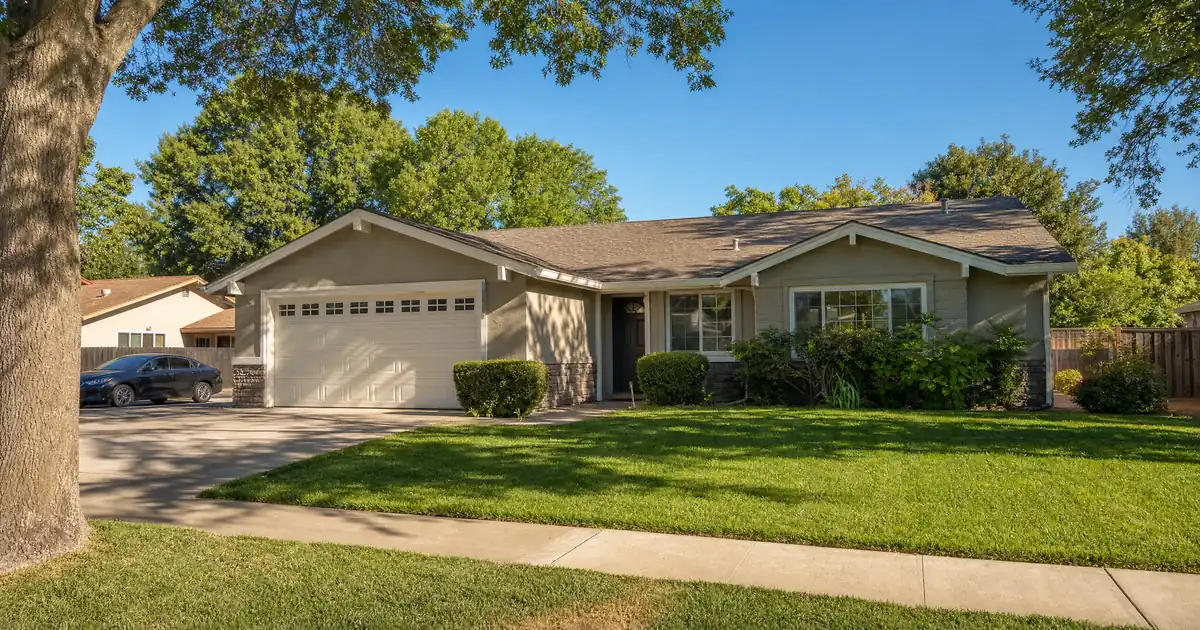
The Quick Read: Non-owner-occupied cash-out refinance lenders are non-QM and DSCR lenders who pull equity out of a rental property based on what the property earns, not what the owner earns on a paycheck. Location doesn’t change the mechanics — a lender underwriting a rental in Los Angeles applies the same leverage caps, seasoning rules, and coverage math it applies to a rental anywhere else in the country. Across most programs in Lendmire’s wholesale network, cash-out leverage tops out around 75% loan-to-value, ownership seasoning runs about six months, and the rent needs to cover the payment at roughly a 1.00 coverage ratio or better. The property carries the file. The borrower’s W-2 barely enters the conversation.
That last point trips people up, so it’s worth sitting with before going further. A search for “non-owner-occupied cash-out refinance lenders in Los Angeles” usually assumes the city changes the answer. It doesn’t. Underwriting guidelines live at the lender/program level. A duplex generating rent in one metro underwrites the same way as a duplex generating comparable rent in another, once the appraiser and the rent schedule are in hand. What changes by market is the rent-to-price ratio itself — and that’s a math input, not a rule change.
Key Terms Defined
Non-owner-occupied property — a home the titleholder does not live in; it’s rented to a tenant or sits vacant awaiting one, which is what makes it a business-purpose asset instead of a personal residence.
Cash-out refinance — a new loan that pays off the existing mortgage and hands the owner the remaining equity in cash, as opposed to a rate-and-term refinance that just replaces the existing loan with minimal money back.
DSCR (debt-service coverage ratio) — the number a lender gets by dividing the property’s monthly rent by its full monthly housing payment (principal, interest, taxes, insurance, and any HOA dues, together known as PITIA); a ratio at or above 1.00 means the rent covers the payment.
Seasoning — the minimum length of time a lender wants the borrower to have owned the property before it will refinance it, protecting against rapid equity-stripping schemes.
LTV (loan-to-value) — the loan amount expressed as a percentage of the property’s appraised value; a lower LTV means more equity is left in the deal after closing.
Reserves — liquid savings, expressed in months of PITIA, that a lender wants to see in the borrower’s accounts as a cushion beyond the down payment or cash-out proceeds.
Key Takeaways
- Occupancy status — not location — is what makes a loan a “non-owner-occupied” cash-out refinance and shifts it into business-purpose, DSCR-style underwriting.
- Cash-out leverage across most of Lendmire’s wholesale network holds near a 75% LTV ceiling, generally with about six months of ownership seasoning first.
- Qualification centers on the property’s rent covering its payment (DSCR), not the owner’s personal income documents.
- A 1.00 coverage ratio is a floor for select programs, not a universal minimum — some lenders will look below it with compensating structure, and stronger ratios buy better leverage and pricing.
- Property type, credit score, loan size, and reserves all move together in underwriting — a strong file on three factors can still get re-priced by a weak fourth.
What Actually Makes a Refinance “Non-Owner-Occupied”
The dividing line is simple: does the owner live there? If not, the loan is treated as business-purpose financing tied to a rental asset, and it’s underwritten around the property’s income rather than the borrower’s.
DSCR loans are designed for non-owner-occupied investment properties. Because they are business-purpose investor loans, they are reviewed differently from a standard owner-occupied mortgage — the appraisal establishes what the home is worth, and a separate rent opinion establishes what it can earn, and those two figures do the heavy lifting that a personal debt-to-income calculation would do on a primary-residence refinance.
Trade coverage of the non-QM space backs up how mainstream this has become. A DSCR loan is described industry-wide as a non-qualified mortgage product for investment properties that looks primarily at whether the property’s rental income covers the mortgage payment, rather than at the borrower’s personal income documentation, according to Scotsman Guide. That single design choice is why an investor with strong rental income but thin traditional personal-income documentation can often refinance a rental property when a conventional lender would decline the same borrower on paper income alone.
Credit quality data pushes back on the assumption that non-owner-occupied, income-property lending is automatically riskier paper. Scotsman Guide’s reporting on the space found the average non-QM borrower carried a 776 FICO score and an average 75% loan-to-value on recent originations — numbers virtually indistinguishable from conventional, owner-occupied production (Scotsman Guide). These aren’t distressed borrowers cutting corners; they’re investors who prefer to qualify on the deal instead of digging up two years of returns. These specifics are subject to lender guidelines and a full review of property, leverage, and credit.
How Underwriting Actually Treats the File, Step by Step
the deal works through a defined sequence, and each step narrows what the next step can do — a strong appraisal doesn’t rescue weak coverage, and strong coverage doesn’t rescue a credit score below a lender’s floor.
Step one: loan-purpose classification. The lender first decides whether this is a limited/rate-and-term refinance (little to no cash back) or a true cash-out refinance where proceeds go to the owner. That classification sets the leverage ceiling for everything downstream.
Step two: business-purpose confirmation. Because the property is rented and not owner-occupied, the loan sits outside the consumer-mortgage disclosure framework that governs a primary-residence refinance. Regulators treat the stated business purpose as one factor among several — including the borrower’s occupation, involvement in managing the property, and the size of the transaction — rather than a single box to check (Consumer Financial Protection Bureau).
Step three: the appraisal and the rent opinion run separately. An appraiser establishes market value the same way on any refinance. On a DSCR file, that appraiser (or a comparable rent schedule) also produces a market-rent figure. Value and rent are two independent numbers — one doesn’t inflate the other, and the lender makes the final call on what rent actually counts toward qualification.
Step four: the coverage math. Lenders compare the qualifying monthly rent to the full monthly payment — principal, interest, taxes, insurance, and HOA — to produce the DSCR. Underwriting practice across the non-QM channel is to use the lower of two figures where a short-term rental is involved: trailing twelve-month rental income or the appraiser’s comparable long-term market rent, never the more optimistic number (Scotsman Guide).
Step five: documentation substitutes property income for personal income. A lease, rent roll, or the appraiser’s rent opinion stands in for W-2s, tax transcripts, and a personal debt-to-income calculation. The loan is reviewed primarily on property-level rental income covering the payment, subject to lender guidelines — not on the borrower’s paycheck.
Step six: the file gets reconciled as a whole. Leverage, coverage, credit, title, and reserves are weighed together. A property that clears coverage easily but sits with a borrower below a lender’s credit floor, or without enough reserve cushion for the loan size, can still get re-priced or declined on that one weak link.
Cash-Out Leverage, Seasoning, and Coverage — By Scenario
Program specifics shift by property type and strategy, even within the same lender network. Here’s how the pieces typically line up:
| Scenario | Leverage Ceiling | Seasoning | DSCR Floor | Credit Floor |
|---|---|---|---|---|
| Standard non-owner-occupied cash-out | ~75% LTV | ~6 months | ~1.00 | 620, most want 660+ |
| Short-term rental cash-out | ~70% LTV | ~6 months + 12 mo. Hosting history | ~1.00 | 700+ typical |
| Higher-leverage purchase (for contrast) | up to 85% LTV | N/A (purchase) | ~1.00 | 700+ typical |
These are typical ranges drawn from select programs across Lendmire’s wholesale network, not universal terms — every lender in the network sets its own overlays, and final eligibility depends on the property, the borrower, and the specific program.
The Structures and Variations That Actually Exist
Cash-out DSCR financing isn’t one product with one setting — it’s a menu, and where an investor lands on that menu depends on credit, coverage, and property type.
Term structure. The spine of the market is the 30-year fixed loan. Beyond that, select lenders in the network offer 40-year amortization and interest-only periods for investors who want to stretch the payment down and lift coverage, and adjustable-rate structures exist for investors who specifically want them. None of these change the leverage or seasoning rules above — they change the shape of the payment, which in turn changes the DSCR.
Coverage below 1.00. Select lenders in the network will look at files that don’t clear a 1.00 ratio on their own, but leverage and terms adjust to compensate — expect a lower LTV, added reserves, or other offsetting strength in the file. A no-ratio option is available for DSCR below 1.00 with stronger credit or higher down payment; qualification on that path rests on credit and equity rather than a rent-coverage calculation.
Short-term rentals. Cash-out on a short-term rental generally caps lower than a standard long-term rental — around 70% LTV — and comes with its own credit and history bar: a 640+ score and roughly twelve months of hosting history are the common expectations, alongside the same 1.00 coverage floor. Short-term rental rules can vary by city, county, HOA, and property type, so investors should confirm local rules before relying on projected rental income for qualification purposes.
Loan size. Standard programs across the network run roughly up to $3,000,000. Above about $2,500,000, the network generally expects a 30-year fixed structure rather than interest-only or adjustable options. Smaller balances route through a narrower set of lenders in the network rather than the full standard menu.
Reserves. Reserve requirements move with leverage, loan size, and transaction type. A common expectation is around six months of PITIA in reserves; conservative rate-and-term files at modest leverage and under roughly $1,500,000 can sometimes see reserves waived, while loans above that size typically step up to closer to nine months.
Property eligibility. Standard one-to-four-unit rentals, condos, and small multifamily are the bread and butter of this space. Manufactured homes — both single- and double-wide — along with log homes and barndominiums, are not offered through these DSCR programs. That’s a property-type exclusion, not a “harder to finance” caveat; investors holding those property types need a different financing path entirely.
Lendmire’s DSCR loan requirements page walks through how these pieces fit together at the program level, and the full complete DSCR loans guide goes deeper on qualification mechanics for readers who want the long version.
Where the General Rule Breaks: Edge Cases
The 75% LTV / six-month-seasoning framework above is the general rule — but several situations bend it, and knowing which ones apply can change how an investor times a refinance. Terms vary by lender guidelines, property type, leverage, credit profile, and full file review.
Delayed financing after an all-cash purchase. An investor who bought a rental in cash can often refinance sooner than the standard seasoning window would suggest, but the new loan amount is typically anchored to the lower of the appraised value at the applicable leverage or the documented purchase cost — not full appreciated value — until standard seasoning has actually run. It’s a separate path, not a shortcut version of the same rule.
LLC or trust ownership. Where a property was held by an LLC the borrower controls, or by a revocable trust where the borrower is the primary beneficiary, time held in that entity can sometimes count toward the seasoning clock — though whether a given lender extends that courtesy, and what title mechanics it requires at closing, varies. Program eligibility for LLC-titled deals depends on the individual lender’s overlays.
Co-owner buyouts run the opposite direction. When one owner is buying out a partner rather than pulling fresh equity, some frameworks actually want longer joint-ownership history, not shorter — because equity is transferring between owners, not being extracted new.
State overlays. The standard program carries no state overlay. Connecticut, Florida, Illinois, and New Jersey purchase transactions follow the same limits as everywhere else: up to 80% LTV (85% by exception), with loan amounts up to $3,000,000. Individual lender overlays may be tighter, but those are lender-driven, not federal rules.
Short-term rentals and the rent form. The rent-comparison forms lenders and appraisers lean on were built around monthly lease comparables, not nightly rates — which is exactly why underwriting practice defaults to the lower, more conservative of the two rent figures rather than the higher one.
Anyone comparing this to what a bank down the street offers on an investment property should start by looking at what conventional lenders offer on non-owner-occupied cash-out refinances as a reference point, and readers weighing DSCR against a hard-money bridge exit might find a comparison of hard money and cash-out refinancing useful, even though that comparison is framed around a different metro.
What the Investor Decision Looks Like in Practice
The decision usually isn’t “can I qualify” — it’s “how much leverage and what pricing tier do I land in,” and that comes down to which side of the coverage line the property sits on. An investor whose rent clears comfortably past 1.00 is negotiating from strength: better leverage, more program choices, and access to interest-only or extended-term structures if the cash flow strategy calls for it. An investor whose rent sits close to or under that line is choosing between accepting lower leverage, adding reserves, or waiting for a rent increase before refinancing.
Files that come in tight on this ratio are common, and it’s worth being blunt about what clearing 1.00 does and doesn’t mean. A DSCR at or above 1.00 means the rent covers the mortgage payment — it does not mean the property is cash-flow positive. Repairs, vacancy, property management, utilities, and capital expenditures all sit outside that calculation. An investor pulling cash out at exactly 1.00 coverage should budget those costs separately, not assume the ratio already accounts for them.
Across files like these, a pattern shows up consistently: investors who bring their rent roll and a fresh comparable-rent estimate to the conversation early, rather than waiting for the appraisal to surprise them, tend to land in a better leverage tier because the file gets structured around the right number from the start rather than re-negotiated after the fact.
Bigger down payments and stronger equity positions help, but they don’t override the two gates that matter most: enough loan-to-value cushion and enough rental coverage. A borrower sitting on 40% equity but with rent that doesn’t clear the coverage floor is still working from a weaker negotiating position than one at 75% LTV with rent clearing 1.25x or better. The strongest files clear both tests at once. Exact terms depend on the lender’s guidelines, property type, leverage, and a full review of the borrower’s file.
For investors deciding whether to refinance now or wait, Lendmire’s guide to investment property refinancing, including cash-out refinancing a rental property without showing income, covers the documentation side of that timing question in more depth.
Tax treatment can depend on how the funds are used and how the property is held; investors should keep clear records and speak with a qualified tax professional before relying on any deduction.
Lendmire (NMLS# 2371349) arranges DSCR cash-out refinancing for rental property investors through a wholesale network of lenders spanning 40 states plus Washington, D.C. — 41 markets total. Loan approval is never guaranteed, and nothing here is a commitment to lend. Every scenario described here is subject to lender approval and to borrower, property, and program guidelines, which vary and change over time. This article is general information, not financial, legal, or tax advice.
Frequently Asked Questions
Does the property need to be located in a specific city or state to qualify for a non-owner-occupied cash-out refinance?
No — the underwriting rules described here apply the same way regardless of where the rental sits, with the exception of a handful of state-specific overlays. States like Connecticut, Florida, Illinois, and New Jersey carry tighter leverage or loan-size caps on top of the general framework, but the core mechanics — rent covering the payment, seasoning, reserves — don’t change by geography.
Can I get a non-owner-occupied cash-out refinance if my personal income is thin on paper?
Often, yes — that’s the entire point of a DSCR structure. Qualification runs primarily on the property’s rental income covering the payment rather than traditional personal-income documentation or W-2s, subject to lender guidelines, so a self-employed investor with strong rents and thin taxable income can still be a strong candidate.
How soon after buying a rental property can I do a cash-out refinance?
Typically around six months of ownership, though delayed financing after an all-cash purchase can shorten that timeline in some cases. Investors who bought with cash or a hard-money bridge and want to recycle capital sooner should ask specifically about delayed-financing structures rather than assuming the standard seasoning window applies.
What happens if my rent doesn’t quite cover the full payment?
Select lenders in Lendmire’s network will still review files below a 1.00 coverage ratio, but leverage typically drops and terms adjust to compensate for the shortfall — it isn’t a flat decline.
Are short-term rentals treated the same as long-term rentals for cash-out purposes?
No — short-term rental cash-out generally caps lower, around 70% LTV, and typically expects a stronger credit profile plus about twelve months of hosting history before the property’s income counts fully. Short-term rental rules can also vary by city, county, and HOA, so confirming local restrictions matters before counting on projected nightly income.
For how equity extraction works on an investment property, see cash-out refinance on an investment property.
About Lendmire
Lendmire, NMLS# 2371349, is a non-QM mortgage broker serving real estate investors in 41 markets, including Washington, D.C., through DSCR investor loan programs. Qualification is generally reviewed around the subject property’s rental income, not the borrower’s W-2 history — a practical fit for LLC-titled portfolios and self-employed investors. All scenarios remain subject to lender review and program guidelines. Lendmire has earned two consecutive Scotsman Guide Top Mortgage Workplace recognitions (2025, 2026).
Get Started
Ready to find the right loan for you?
In about 30 seconds you can review financing options available for your investment property. No commitment required.
Informational only. Not a Loan Estimate, approval, or commitment to lend. Program availability and eligibility are subject to lender guidelines, credit approval, property review, and underwriting.
References
1. Scotsman Guide — Reach Real Estate Investors by Becoming an Expert in These Loans
2. Scotsman Guide — Which Groups Are Driving Non-QM Lending?
3. Consumer Financial Protection Bureau — Regulation Z, §1026.3 Exempt Transactions
4. Scotsman Guide — Invest in Your Future
This article is part of Lendmire’s cash-out refinance program — full qualification details, guidelines, and scenarios live on the program page.
Related reading: Los Angeles Cash Out Refinance Investment Property Banks · Cash Out Refinance Investment Property in Los Angeles · Cash Out Refinance Investment Property California
Guides: Cash-Out Refinance in Los Angeles, CA · Cash-Out Refinance in California
Brandon Miller
Founder & CEO, Mortgage Loan Originator, Lendmire LLC
- Mortgage Loan Originator · NMLS# 1129696 · Verify on NMLS Consumer Access
- North Carolina Real Estate Broker · License# 343312 · Verify on NCREC
- North Carolina Insurance Producer · License# 19053198 · Property, Casualty, Life, Health · Verify on NAIC SBS
- Lendmire LLC · Firm NMLS# 2371349 · Verify firm licensure
Important disclosures. Lendmire (NMLS# 2371349) is a licensed mortgage brokerage. Lendmire is not a direct lender, depository institution, or financial advisor. All loan inquiries are subject to lender underwriting; this article does not constitute a commitment to lend. Rates, terms, and program guidelines are subject to change without notice and vary by borrower profile, property type, and state. Information in this article is general in nature and is not financial, legal, or tax advice. Equal Housing Opportunity. NMLS Consumer Access: nmlsconsumeraccess.org.