Fix-and-flip Loan Complete Guide
Terms typically run 6 to 18 months, credit floors start around 620, and the strongest leverage goes to investors with a track record of finished projects.

Terms typically run 6 to 18 months, credit floors start around 620, and the strongest leverage goes to investors with a track record of finished projects.
Investors who understand which tier applies to their deal walk into underwriting with realistic expectations instead of guesses.
– Hard money underwriting starts with the property and the plan, not the paycheck.

The property’s rent doesn’t drive approval on this particular product — the borrower’s own credit and income do.
Get those three differences straight and the rest of the product makes sense fast.

Small capital doesn’t disqualify you, but it does put you in a lower leverage tier until you build a track record. The real barrier isn’t the paperwork.
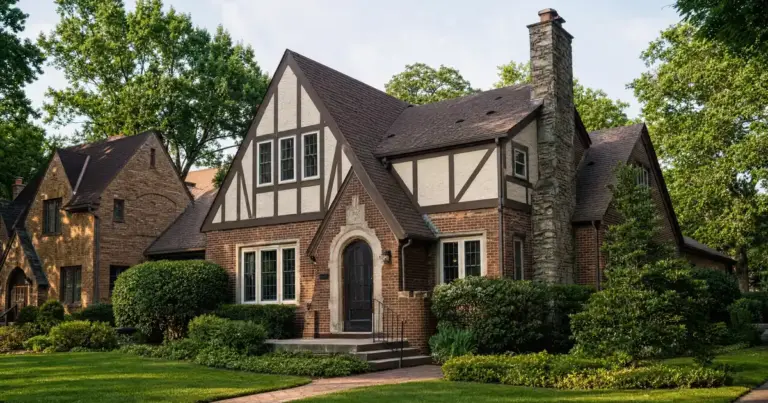
Guide To Finding Private Money For Real Estate Deals: what investors need to know about hard money financing, from Lendmire.

It’s used to buy, rehab, or bridge a property that isn’t stabilized enough for a bank or long-term rental loan yet.
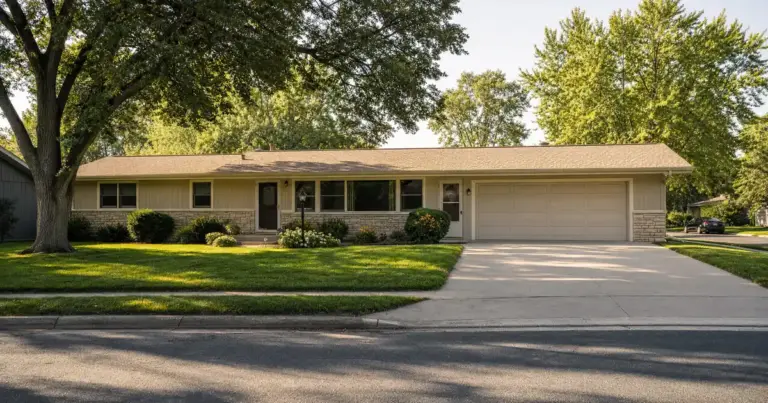
First-time investors usually land in the lower leverage tiers rather than getting shut out entirely.
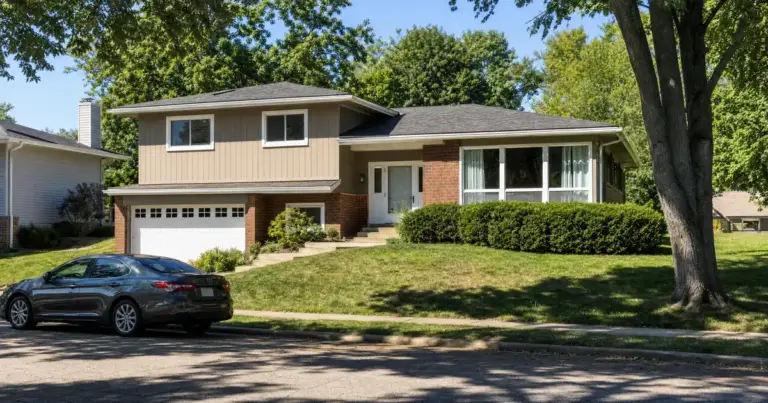
Underwriting runs on the deal, not the borrower’s résumé: the property, the renovation scope, and the exit plan matter more than a completed-flip count.

Lenders care about what the deal is worth today and what it’s worth after repairs, not your tax returns.
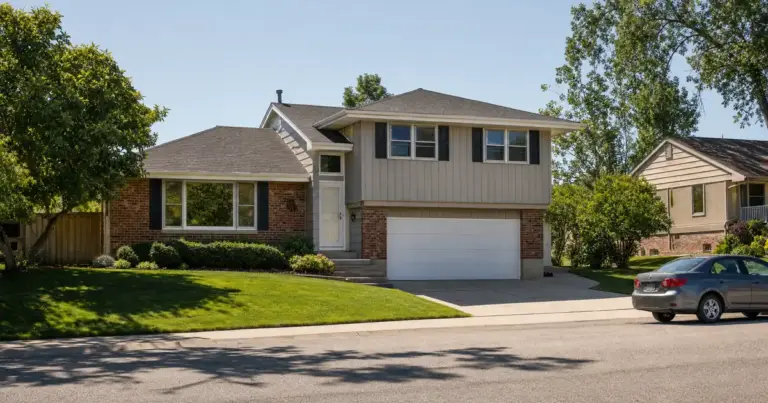
It’s underwritten primarily on the property, the deal, and the exit plan — not on your W-2s or debt-to-income ratio.
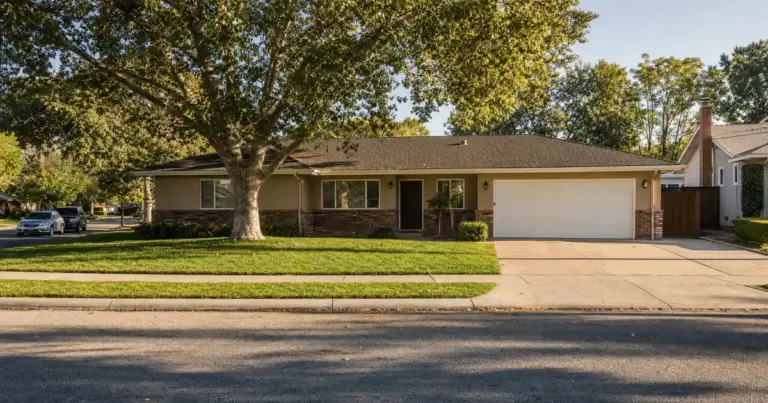
The lender underwrites the deal — the property, the plan, the exit — not the borrower’s pay stubs.
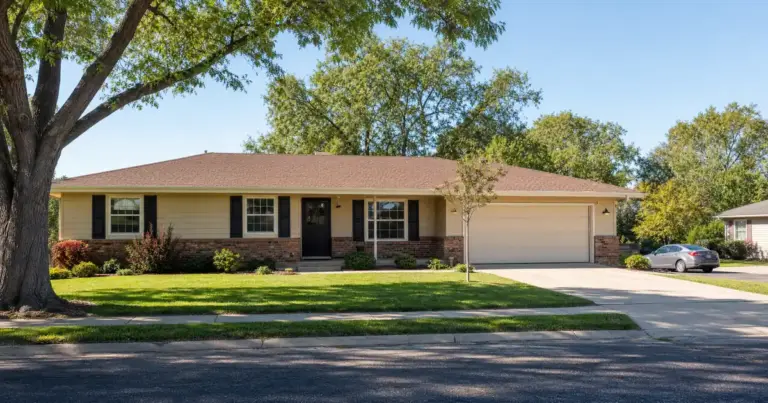
This piece breaks down what Freddie Mac’s actual rule says, how DSCR cash-out underwriting works in practice, and exactly where the two rulebooks diverge.

How Much Equity For Cash Out Refinance: what borrowers need to know about cash-out refinancing, from Lendmire.