Complete Guide For An Interest-only DSCR Loan On Short-term Rental Properties
It works because DSCR loans are underwritten as business-purpose loans, reviewed on what the property earns rather than what the borrower earns.

It works because DSCR loans are underwritten as business-purpose loans, reviewed on what the property earns rather than what the borrower earns.

Condo status (warrantable, non-warrantable, or condotel) doesn’t block this structure; it just changes leverage and pricing tiers.

Complete Guide For A Interest-Only DSCR Loan On Single-Family Properties — An interest-only DSCR loan lets an investor pay only interest

Complete Guide For A No-Ratio DSCR Loan On Short-Term Rental Properties — A no-ratio loan skips the rent-to-payment test.
No-ratio means exactly what it sounds like: the lender doesn’t calculate rent against the payment at all. Not a lower bar. No bar.

A ratio of 1.00 means the rent covers the payment exactly; above 1.00 means there’s cushion.

Rent divided by the payment produces the ratio; clear it, and the file moves forward on the strength of the property.
The rest of this guide walks through the mechanics, the variations, and the places where the general rule breaks.
Getting the distinction right before applying saves a file from stalling mid-underwrite.
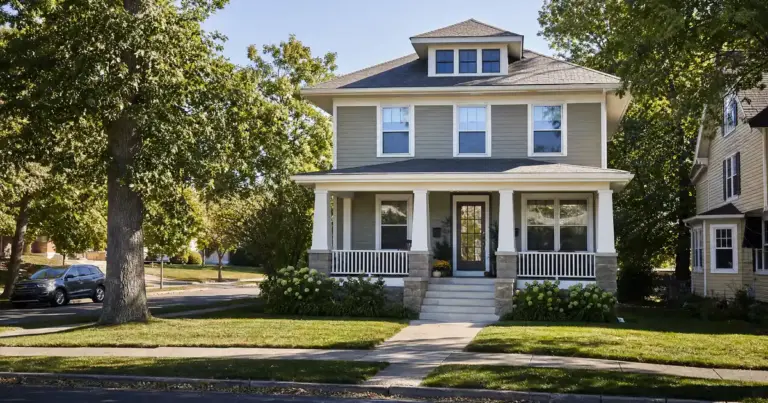
The real skill isn’t finding a lender — it’s understanding how the underwriting works well enough to vet any lender against it.
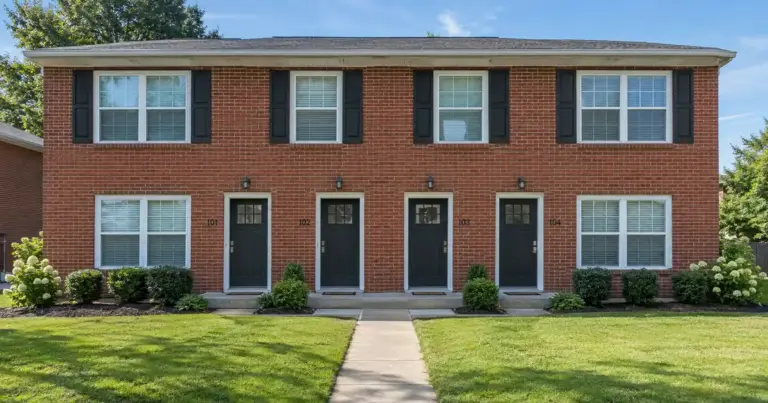
– 2-4 unit properties use a different appraisal form than single-family rentals — one that combines valuation and rental income into a single report.

It’s a real, select-lender path, not a marketing term, and it exists alongside standard DSCR programs that still require rent to cover the payment.

The underwriting math just adds HOA or condo association dues to the usual payment stack before comparing it against rent.
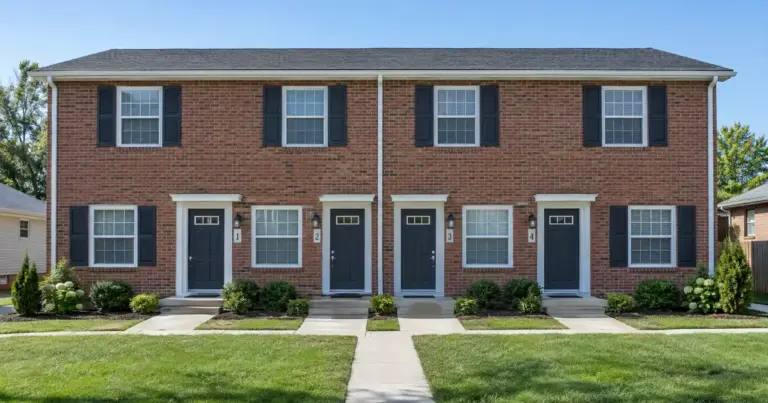
– A 2-4 unit DSCR loan uses one blended payment (PITIA) against combined rent from every unit in the building — not a separate loan per unit.
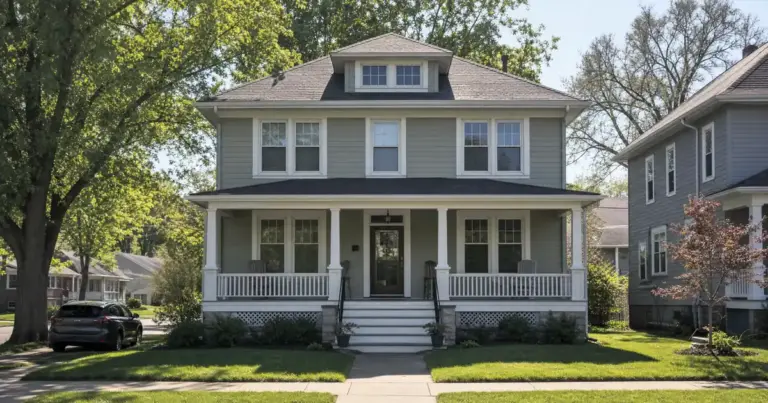
The tradeoff shows up in two places: the DSCR math on the new payment, and any prepayment penalty still ticking on the old loan.