Acreage Vs Standard Lot On A Luxury DSCR Loan Across An LLC Portfolio

For an LLC portfolio holding both, the acreage property is usually the one you keep off a blanket note.

For an LLC portfolio holding both, the acreage property is usually the one you keep off a blanket note.
Most DSCR loans on 1-4 unit rentals are full recourse, trust or no trust.
Single-family generally clears more leverage as loan size climbs.
They don’t. The loan program doesn’t care about acreage directly — DSCR underwriting is built around the property’s rental income, not lot geometry.
Non-recourse limits the lender’s remedy to the collateral itself, at least on paper.
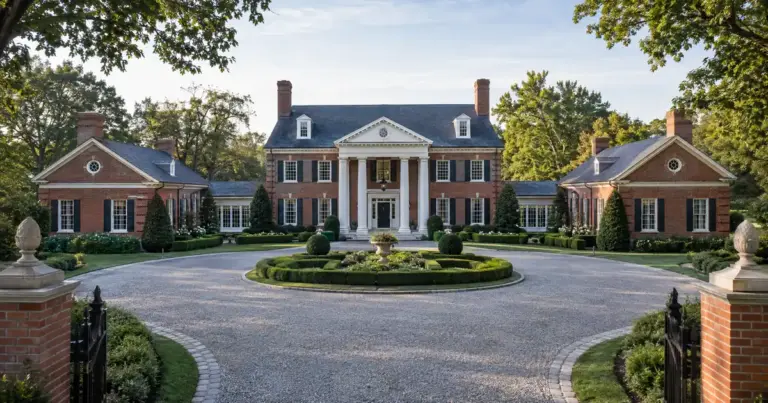
Neither path is “better” across the board. The right one depends on what the property actually earns and what the borrower can bring to the table.
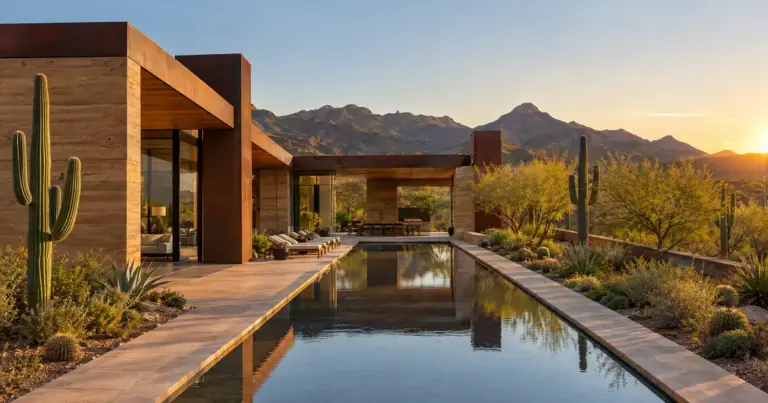
A no-ratio DSCR loan skips that rent-to-payment test and leans on credit score, equity, and reserves instead.
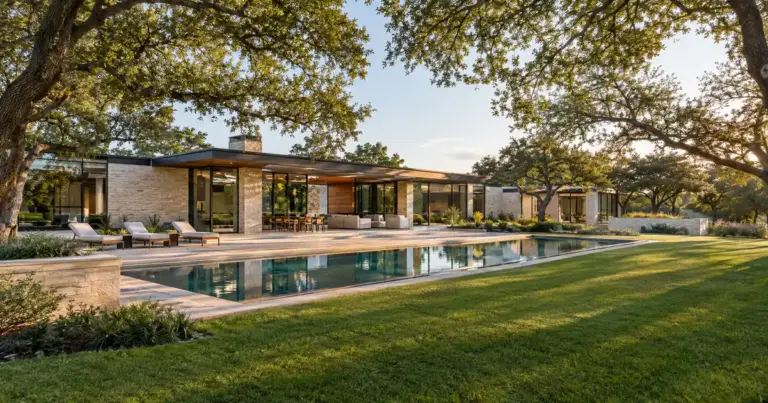
A seasoned file — most programs in Lendmire’s wholesale network look for around six months of title ownership — lets the appraisal govern outright.

Family trusts buy rental property for reasons that don’t always match a typical investor’s playbook.
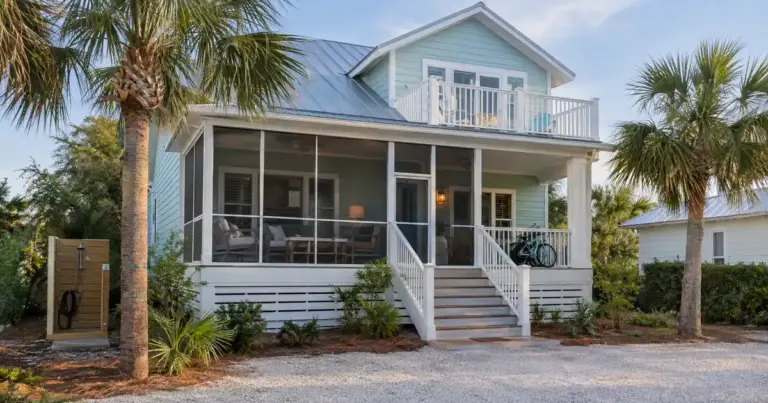
Below-one means the income falls short of the payment, and the file qualifies instead on credit, equity, and reserves.
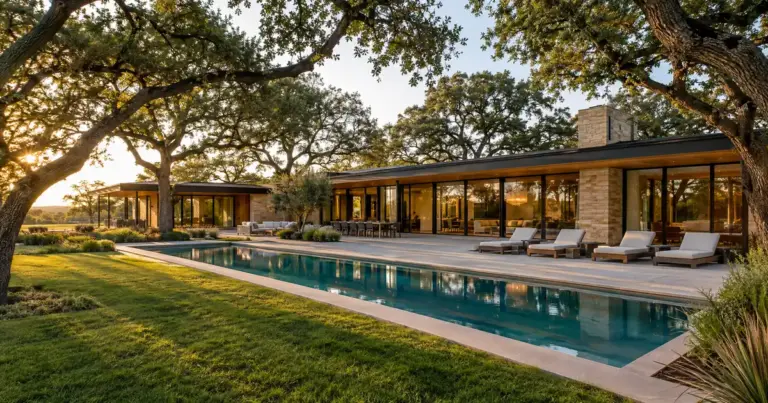
For an LLC holding several properties, the choice also touches cross-collateralization, reserves, and how fast the whole book can scale.
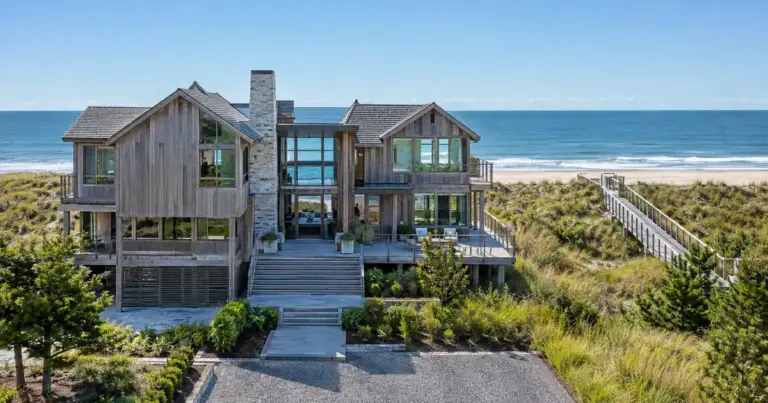
New Build Vs Existing Rental On A Luxury Short-term DSCR: what investors need to know about large-balance DSCR financing, from Lendmire.
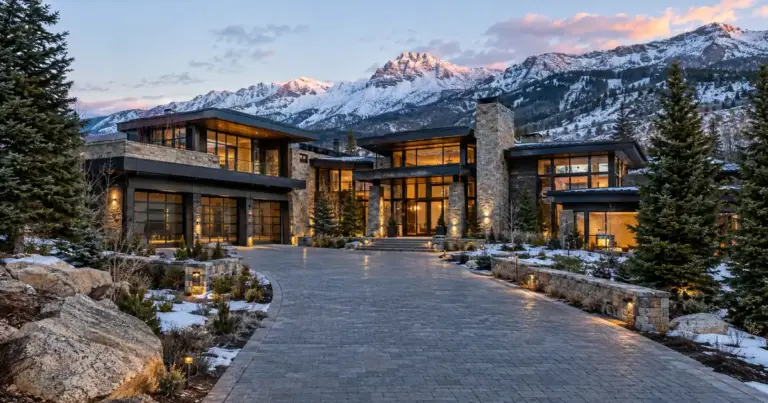
That single gap changes leverage, appraisal risk, and how tight the file needs to be before it goes to underwriting.
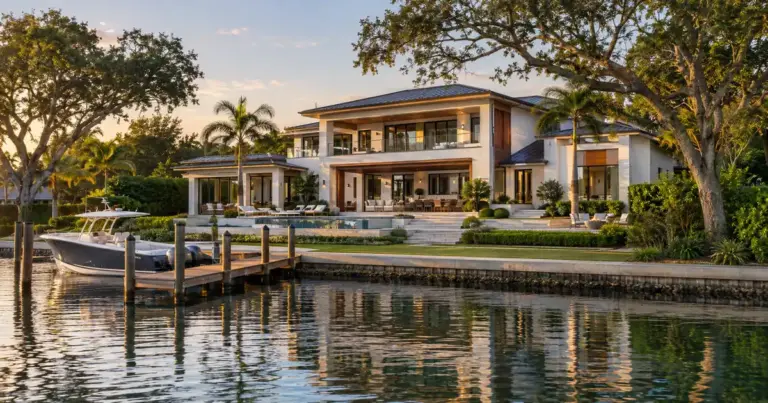
New Build Vs Existing Rental DSCR — A trust can hold either property type, but the two paths don’t underwrite the same.
Neither of these is a term you’ll find in any regulation.