Luxury Investment Property DSCR Loan: Complete Guide

Leverage steps down as the balance climbs, credit requirements tighten, and cash-out access narrows.

Leverage steps down as the balance climbs, credit requirements tighten, and cash-out access narrows.

This guide walks through the mechanics, the size ladder, the structural variations, and the specific points where the general rule breaks.

The mechanics below walk through exactly what shifts, where, and why — just the underwriting logic.
The appeal is real: private lending yields have long drawn investors who want income tied to real estate without the headaches of owning it.
They just swap the paperwork — verifying repayment with bank statements, asset accounts, or the property’s own rental income instead of a 1040.
Big banks rarely offer the first two on investment property.
The lender is underwriting the deal and the collateral, not the borrower’s paycheck. That’s the short version.
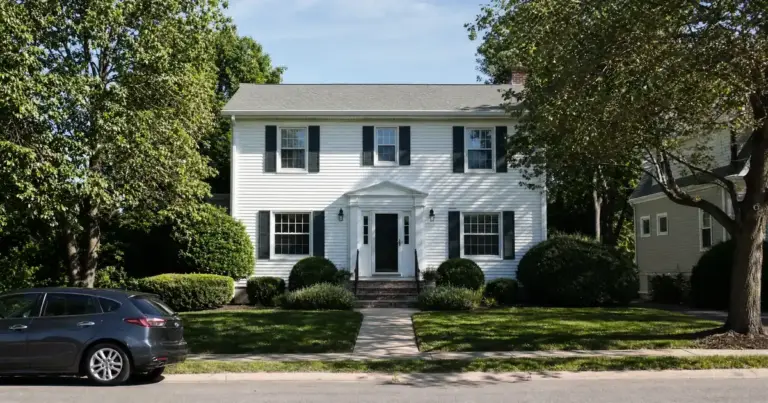
Terms typically run 6-18 months, payments are interest-only, and the loan comes due in one balloon payment when you sell or refinance.

Big banks routinely decline lines on non-owner-occupied property regardless of how strong the file looks, which is the real gap these programs fill.
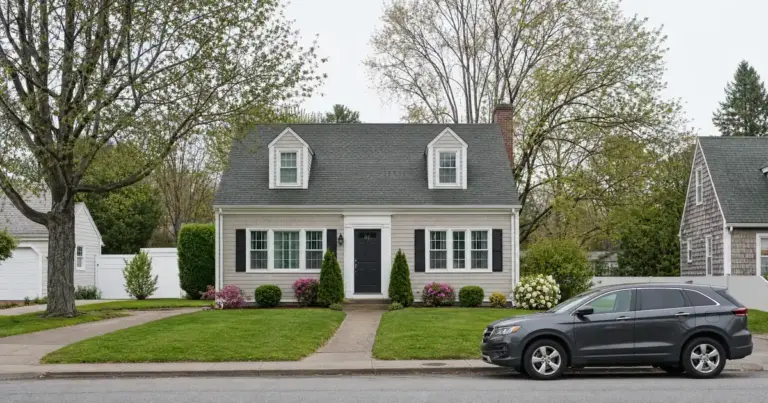
How To Qualify For A Hard Money Loan — Qualification runs on the deal, not the borrower’s paycheck.
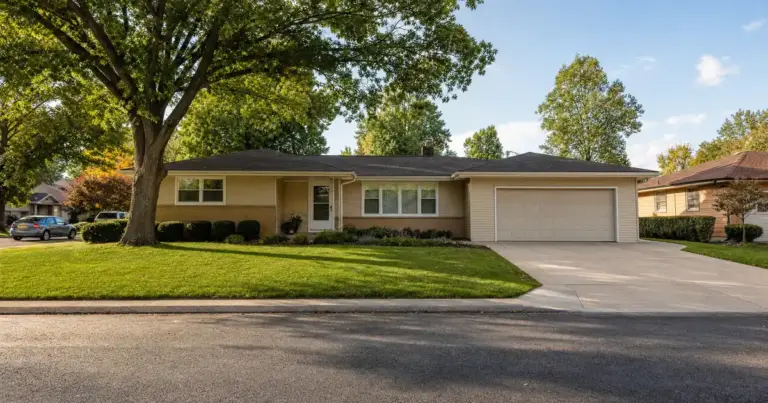
HELOC From Primary Deducted From Rental Income From Investment — The answer splits into two separate tracks.
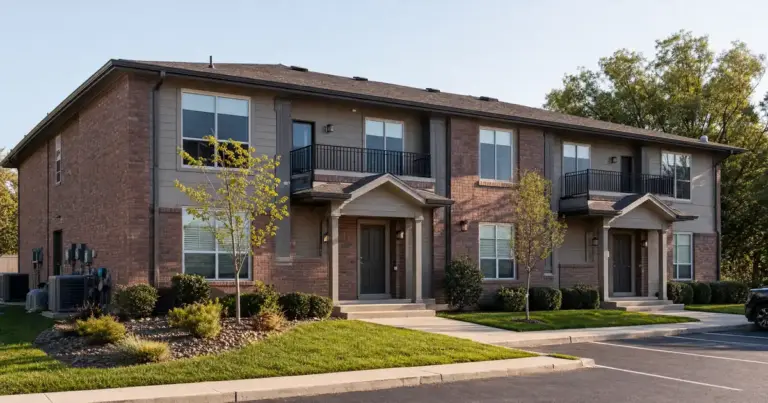
This guide walks through the mechanics, the qualification standards, and where the standard rulebook actually breaks down.

Compare a DSCR HELOC vs 1099-only loan for borrowers holding title in an LLC. See which fits your rental, with Lendmire.
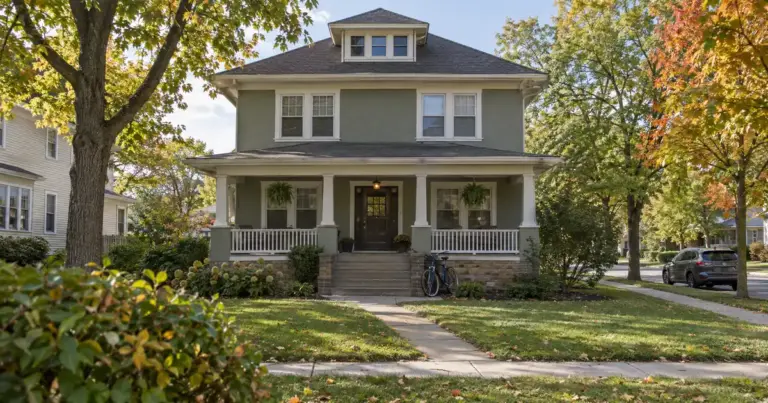
See DSCR HELOC vs 1099-only loan for a cash-out on a rental, and which fits your file. Lendmire helps investors compare both.
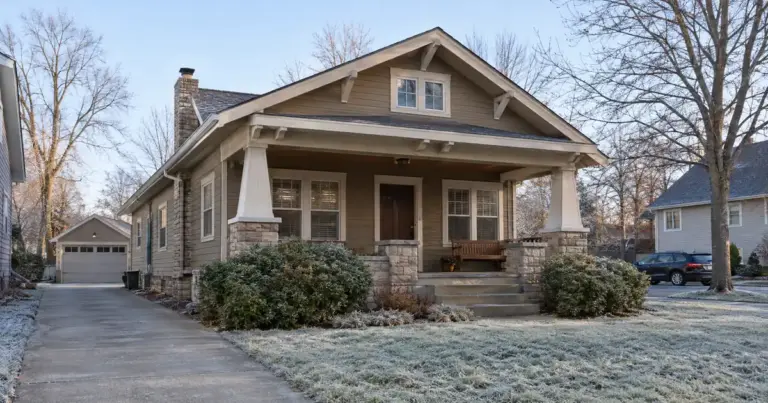
Choosing a DSCR HELOC vs 1099-only loan for a first rental property? Lendmire compares who each fits and what each file needs.