Hard Money Exit Loans: How The Payoff Is Sized On The Appraisal And The Rent

One appraisal sets two limits. The appraised value caps the loan through the program’s maximum LTV. The appraiser’s market rent sets the coverage ratio.

One appraisal sets two limits. The appraised value caps the loan through the program’s maximum LTV. The appraiser’s market rent sets the coverage ratio.

Missing the maturity date is a default even when every interest payment was on time.

Most files land at 75%-80% loan-to-value, with select high-leverage programs reaching 85% for borrowers around a 700 credit score.

Jersey Shore Vacation Rental Loans — These are DSCR loans built around a property’s rental income instead of your W-2 or tax returns.
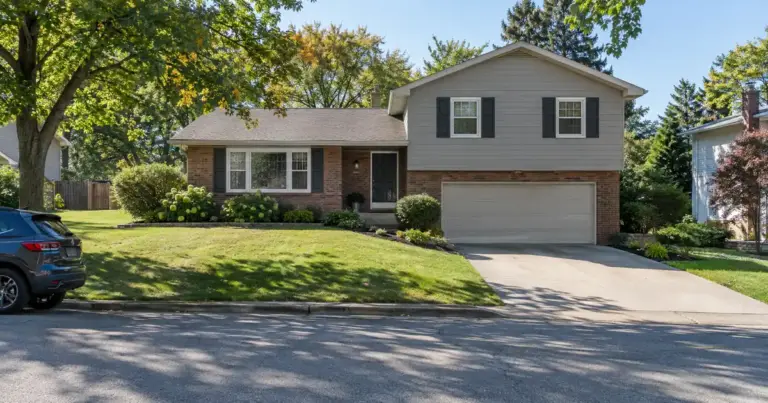
Most files land at a 75% loan-to-value ceiling on the new appraised value, after roughly six months of ownership seasoning.

That blended math can rescue a property that would fall short by itself.

Leverage steps down as the loan gets bigger, credit requirements go up, and reserve cushions grow.

Qualification runs on the property’s rent covering the payment, not the investor’s tax returns.

Shore towns and city condos get treated very differently underneath the same DSCR math.

Neither “jumbo” nor “super jumbo” is a federal category. There’s no agency line that draws it.

Super Jumbo DSCR Loan Use The Old Lease — Neither figure automatically wins.

The credit never touches the rent-based math that actually qualifies the loan. It only reduces the cash you bring to the table.

Big banks and agency lenders won’t touch them, because Fannie Mae specifically excludes hotel-operated projects from its buying rules.

The catch: the new loan is capped at the lower of the appraised value at the applicable leverage tier, or what the retiree actually paid.

Lenders don’t automatically reject these files.