How Lenders Calculate Blended Coverage On A DSCR Portfolio Loan?

That single number — the blended DSCR — is what gets tested against the lender’s minimum, not each property’s own ratio.

That single number — the blended DSCR — is what gets tested against the lender’s minimum, not each property’s own ratio.
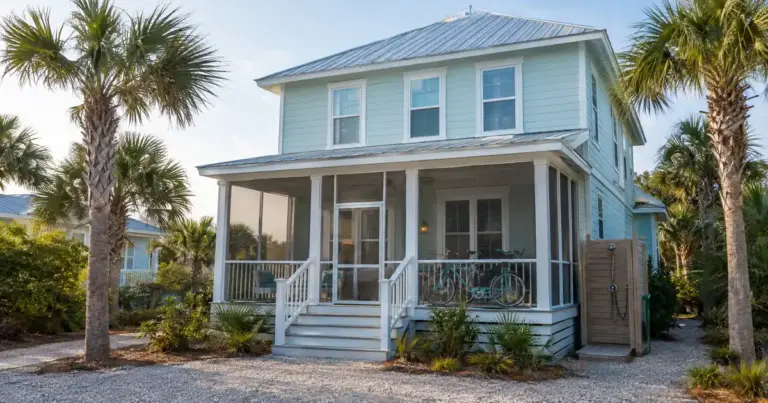
Get that stack right and the loan is priced off a track record, not a guess.

Some select programs will look at the property sooner if the buyer paid cash and can document the purchase.

On most standard programs, that floor sits at 1.00 — meaning rent has to at least equal the full monthly payment.
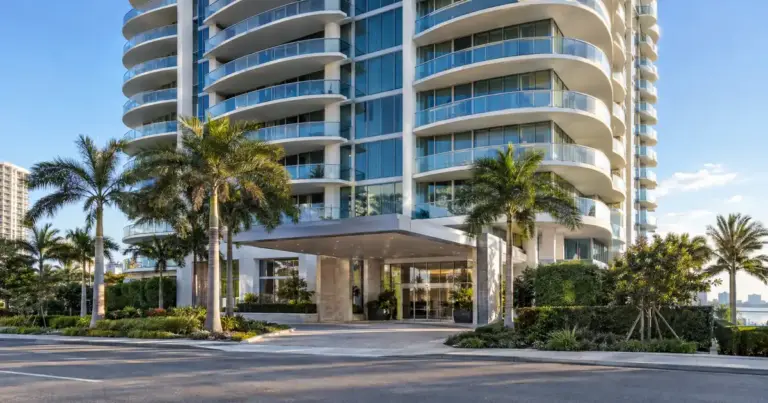
The loan qualifies on whether the unit’s rent covers its monthly payment — not on your personal income, and not on agency condo-approval rules.

Pulling Cash Out Of A $3M Dscr Rental Loan — A $3 million rental sits right on top of a real leverage cliff.
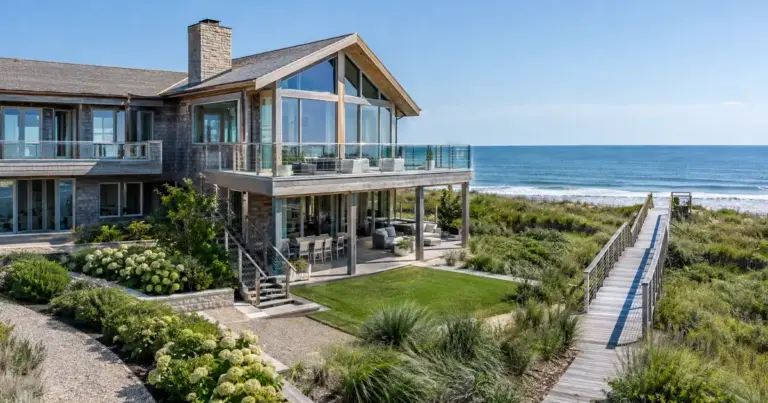
Amortizing fits owners who want equity building from day one and can carry the full payment year-round.

Reserves And Leverage On A $2M DSCR Portfolio Loan — A $2M portfolio sits right at a program inflection point.

Below $1 million, cash-out commonly runs to 75% loan-to-value on standard rental collateral with a 660 credit floor.
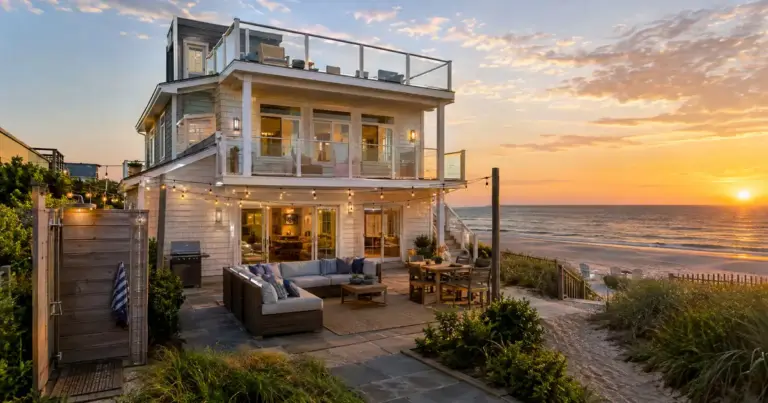
Coverage matters, but so does documented booking history — twelve months of it, on most files.
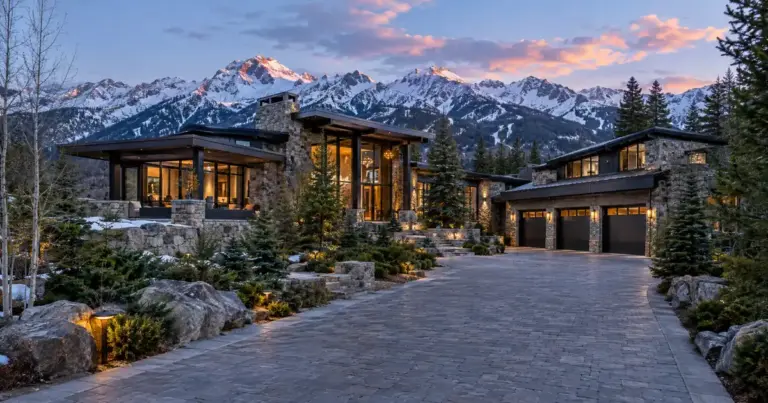
Investors shopping a $1M luxury short-term rental usually walk in assuming the math works the same way it did on their last $400,000 duplex. It doesn’t.

DSCR loans sit outside that framework entirely — the file is underwritten on unit-level rental income and project collateral risk, not GSE checklists.
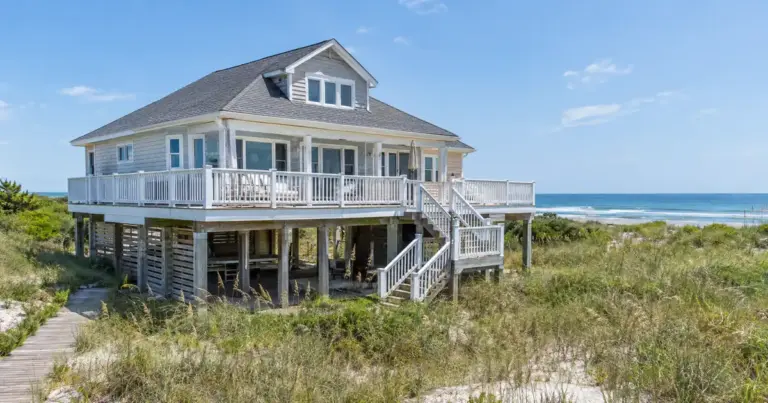
Reserves generally run six months of PITIA on the subject property, doubling to twelve months for a borrower with no prior landlord history.

Short-term Rental DSCR Loan Requirements When Permit Limits Apply — Permit legality gets checked before rental income ever enters the math.

The mechanics below explain why, and what the workaround options actually look like.