Leverage And Reserves A $3M DSCR Rental Loan Requires
Reserves generally run six months of PITIA on the subject property, doubling to twelve months for a borrower with no prior landlord history.

Reserves generally run six months of PITIA on the subject property, doubling to twelve months for a borrower with no prior landlord history.

Short-term Rental DSCR Loan Requirements When Permit Limits Apply — Permit legality gets checked before rental income ever enters the math.

The mechanics below explain why, and what the workaround options actually look like.
It sits right at the top edge of standard DSCR programs and the entry point of what practitioners call “super jumbo” territory.

Cash-Out Rules On A $6M Super Jumbo DSCR — At this loan size, cash-out isn’t tight — it’s gone.
At this loan size, leverage steps down, credit expectations climb, and the underwriting math still runs on one number — does the rent cover the payment.
Cash-out Refinance On A $1M Short-term Rental DSCR Loan: what investors need to know about large-balance DSCR financing, from Lendmire.
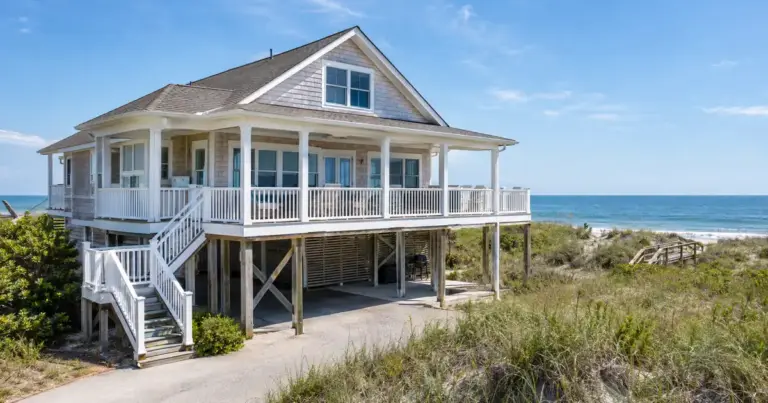
DSCR loans are designed for non-owner-occupied investment properties.

Loan amounts on this property type typically top out around $1,500,000, with leverage capped tighter than a standard rental.
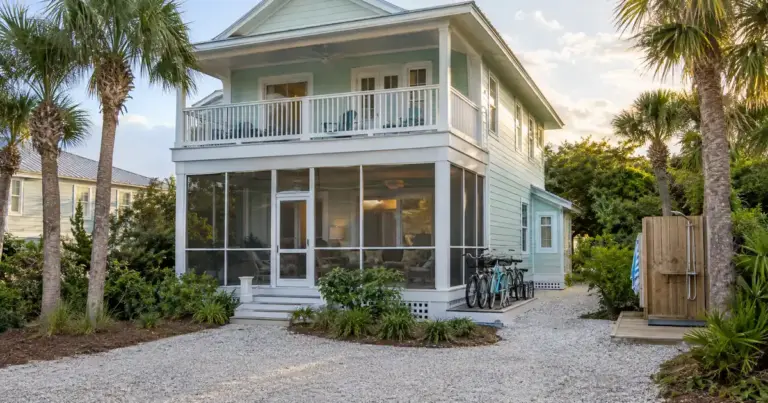
Two independent appraisals replace one. Reserve math gets stricter for first-time investors.

Credit, reserves, entity paperwork, and — above a certain size — a second appraisal round out the file.
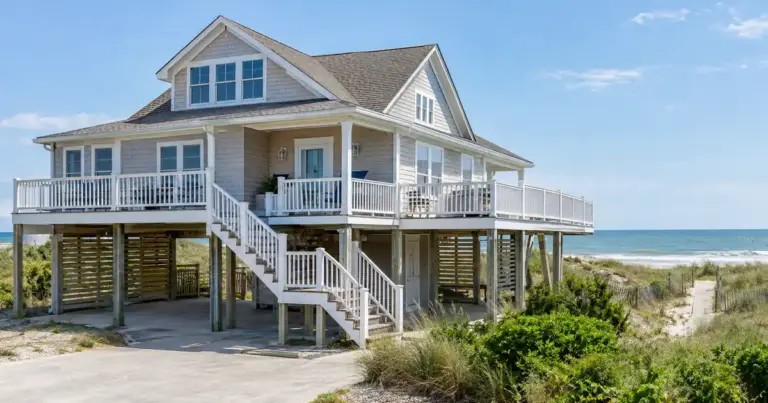
Reserves typically run six months of PITIA on the subject property, doubling to twelve if the investor has no prior landlord history.

Leverage steps down, credit floors rise, second appraisals become standard, and cash-out disappears entirely above $3 million.

The right pick depends on whether the bottleneck is the borrower’s documentation or the property’s income story.

Pricing and available terms vary by lender, borrower profile, property type, and full underwriting review.