
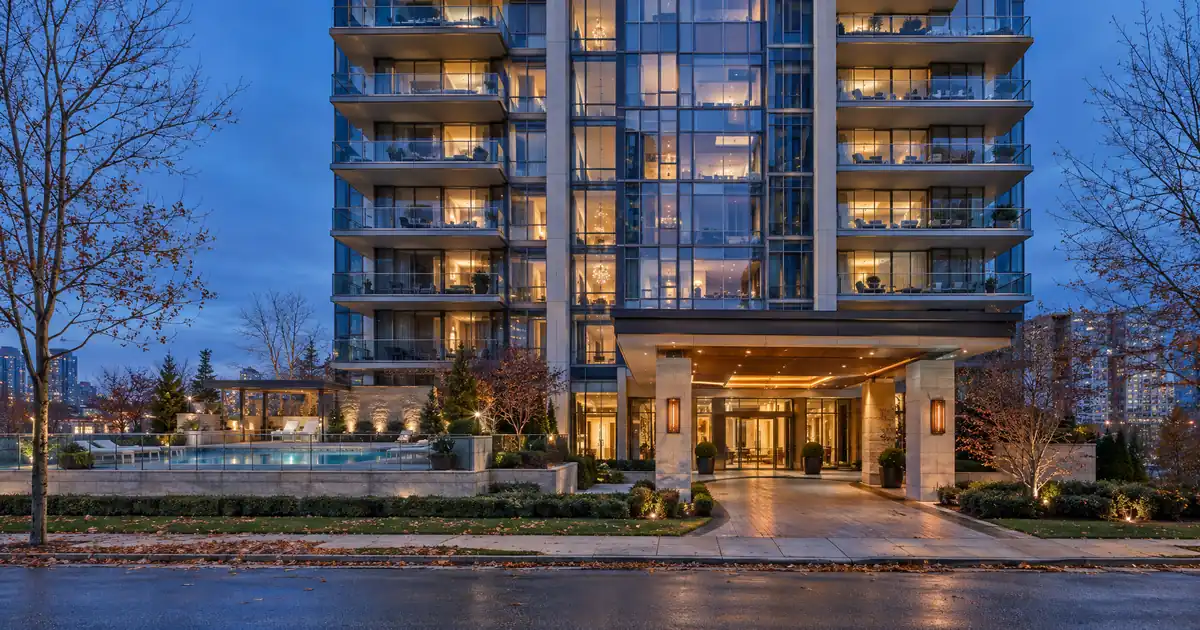
The Quick Read: You challenge a low value by working out whether the value, the rent, or both came in short, then filing a written reconsideration of value through the lender or broker with closed, same-building comparable sales and documented factual errors. Non-warrantable status describes the project, not the unit, so it changes lender overlays and comp scarcity rather than what the unit is worth.
- A reconsideration request goes through the lender or broker, never to the appraiser directly.
- On a purchase, the loan is sized off the lower of price or appraised value, so a low value cuts leverage dollar for dollar.
- Same-building closed sales are the strongest evidence on a condo report.
- A reconsideration can come back revised, held, or sent to a second appraisal. Nothing about it is guaranteed.
- Through select wholesale programs, a non-warrantable condo typically tops out at 75% LTV and $1,500,000, subject to underwriting.
Most files that go wrong here go wrong the same way. The investor argues the value feels low instead of showing a documented error. This piece walks the process from the first read of the report to the fallback options, and it sits inside Lendmire’s complete DSCR loans guide for the wider program picture.
DSCR Calculator
Run the numbers in your market
Rate source: Freddie Mac 30-yr average via FRED® — Federal Reserve Bank of St. Louis · effective Oct 15, 2026
Prefilled with starting assumptions — enter your own rent or nightly figures, taxes, insurance, and HOA for a more accurate picture.
Program parameters update from Lendmire’s centralized guideline source. Taxes and insurance are editable estimates.
As of Oct 15, 2026 · General Freddie Mac market benchmark, not a Lendmire loan offer. Rent, nightly rate, occupancy, taxes, and insurance are editable estimates. Short-term rental figures are estimates only and vary significantly by season, property type, management approach, and local short-term-rental rules — confirm local regulations before relying on them. Qualifying income for short-term rentals varies by program — some use appraisal market rent, others use documented STR history or projections — and is confirmed in underwriting. Not a Loan Estimate, approval, or commitment to lend. Program availability and eligibility are subject to lender guidelines, credit approval, property review, and underwriting.
Key Terms Defined
Reconsideration of value (ROV): A written request, sent through the lender, asking the appraiser to reassess the report based on possible errors or new information.
Non-warrantable condo: A condo whose project fails agency-style eligibility checks, such as heavy investor concentration or active litigation. The label belongs to the building.
Form 1073: The individual condo unit appraisal report, with the comps, adjustments and unit data.
Lower-of rule: On a purchase, the lender finances a percentage of the lesser of contract price or appraised as-is value.
Coverage ratio (DSCR): Monthly rent divided by the full monthly obligation, including principal, interest, taxes, insurance and HOA dues.
What a Low Appraisal Does to a DSCR File
A low value on a DSCR purchase shrinks the loan. It can also lower the coverage number if the rent conclusion is low too. Those are two separate problems and they need two separate diagnoses.
On a purchase, the loan is a percentage of the lower of price or appraised value. A value 10% under the price at a 75% LTV tier cuts the loan by 7.5% of the price, which Lendmire’s page on purchase LTV limits walks through. The investor then covers that gap in cash, renegotiates, or contests the number. On a refinance, the appraisal is the value basis, so a wrongly low figure cuts proceeds and can follow the property into later refinances. Terms depend on the lender’s guidelines, the property type, the leverage, and a full review of the credit profile.
The DSCR appraisal does two jobs in one report: it sets value and it sets market rent. Most programs use the lower of the lease or the market rent. A rent schedule error can hurt as much as a value error, and HOA dues sit in the denominator of the coverage math. So read the whole report, not just the value line.
Diagnose the Miss First
Sort the problem before you write anything. The evidence you need depends on which number is wrong.
| Miss | What it changes | What to check |
|---|---|---|
| Value only | Loan size, cash to close | Comps, adjustments, unit facts |
| Rent only | Coverage ratio, leverage tier | Rent schedule, dues, lease terms |
| Both | Loan size and coverage | Full report, then re-run both |
A smaller loan can lift the coverage ratio as a side effect, since the debt is lower. That is not a win. It means the file may still clear on coverage while the investor needs more cash. Run both numbers on the revised value before deciding how hard to push.
Why Non-Warrantable Condos Pull Low Values
The label does not make the unit worth less. It makes the comp pool thinner and the appraiser’s job harder. Reasons a project lands there include investor concentration and litigation.
Three things tend to pull value down on these buildings:
- Few same-building sales. The appraiser reaches for comps in other projects that are not truly similar.
- Sales that pre-date or reflect the project problem. A distressed sale during litigation can anchor the whole report.
- A narrower resale buyer pool. Non-warrantable units sell to fewer buyers, and the appraiser may discount for it.
Condotels are the extreme case. They sell less often, so appraisers lean more on income valuation than comps, and a comp-based challenge is harder to win. Appraisers also disagree. Two appraisers can value the same condo differently, and comp selection, not unit measurement, is usually what moves the number.
Audit the Report Line by Line
Start with the Form 1073. The sales comparison should use recent closed sales relative to the effective date. Where the building has recent sales, check that the appraiser used them before reaching for comps in other projects.
Work this checklist:
| Item | Common error |
|---|---|
| Unit size | Measured from inside walls; check against records |
| Bed/bath count | Miscounted or missing a room |
| Floor, view, orientation | Not adjusted, or adjusted the wrong way |
| Upgrades | Renovation not captured |
| HOA dues | Wrong amount in the report |
| Concessions | Seller credits misread |
| Comp selection | Outside-project comps when same-building sales exist |
| Rent schedule | Market rent below supportable comps |
Factual errors and comp selection are the two grounds that work. Typical factual errors are miscalculated square footage or a wrong room count. Typical comp problems are unsuitable comparable properties. Anything outside those two buckets is opinion, and opinion rarely moves a report.
Build the Condo Comp Package
Use a hierarchy. Same-building, same-line closed sales come first. Competing projects come second, with a written reason each one competes for the same buyers. Wider comps come last, and only when the first two are empty.
Rules for every comp:
- Closed sales only. No active or pending listings.
- Closed on or before the report’s effective date.
- Same floor band, view and layout where possible, with the differences spelled out.
- One line per comp explaining why it is better than the one the appraiser used.
Add an upgrade list with receipts, an executed contract, and a unit-feature comparison grid. For a building with a known problem, add the building budget, reserve status and sales history so the lender can see what is and is not priced into the unit. Keep the package short. A handful of strong sales beats a long list of weak ones.
Evidence That Works vs. Fails
| Works | Fails |
|---|---|
| Closed same-building sales | Active or pending listings |
| Corrected square footage with records | Contract price as sole proof |
| Permits, invoices, photos of upgrades | Emotional arguments |
| Written rationale per comp | Naming a target value |
| One consolidated submission | Long lists of weak comps |
Contract price is evidence of what a buyer agreed to pay. It does not prove value on its own.
How to File the Reconsideration
The process is lender-driven. The credit-union regulator’s consumer page on challenging an appraisal says to ask the lender for an ROV, and that the request can ask the appraiser to correct errors and consider additional appropriate property information, including more comparable properties.
1. Get the full report. Read the unit data, comps and adjustments, plus the rent schedule.
2. Sort errors from comp issues. Label each problem as a fact error or a comp selection issue.
3. Build the package. Closed same-building sales, upgrade proof, corrected facts, and a one-line rationale per comp.
4. Send it in writing through the broker. The broker passes it to the wholesale lender, which routes it to the appraisal desk. Never contact the appraiser directly, and never lead with a target value.
5. Wait for the lender’s review. The outcome is a revised value, a held value, or a second appraisal ordered by the lender.
Here is the catch. The interagency ROV guidance, issued by the Fed, CFPB, FDIC, NCUA and OCC, describes how regulated institutions may build reconsideration processes. It is not a right a borrower holds on every loan, and how much of it reaches a business-purpose DSCR file depends on the lender. Across the wholesale network, most programs have some review path, but the specifics differ. Many lenders limit the number of requests, and a request does not oblige the lender to go back to the original appraiser.
Expect most appraisal reports to hold unless there is a clear error or strong new data. Because a reconsideration is never certain to change the outcome, it is safest to plan as if the original value may stand.
DSCR vs. conventional financing
There are two common ways to finance an investment property, and they qualify you differently — here’s how investors weigh them.
Why investors choose it
- Qualifies on the property’s rental income — no personal tax returns, W-2s, or pay stubs needed to document income.
- No personal debt-to-income ceiling to clear, so existing mortgages and obligations don’t cap your borrowing the same way.
- Can be closed in an LLC, keeping the property inside a business entity.
- Built for scaling — not held to the limit on number of financed properties that conventional financing applies.
- Underwriting centers on the deal: generally qualifies when the rent covers the payment, a 1.00x coverage ratio being a common baseline (confirmed in underwriting).
- Designed specifically for investment property, including long-term and, where the program allows, short-term rentals.
Where it’s strong
- Often the lowest ongoing financing cost for a buyer who fully qualifies on personal income — a fit for a first property or a cost-first purchase.
Trade-offs for investors
- Requires full personal income documentation and must fit within a debt-to-income limit — salary, existing debts, and other mortgages all count.
- Typically held in your personal name rather than a business entity.
- Caps how many financed properties you can carry, which can become a ceiling as a portfolio grows.
- Evaluates you as a borrower as much as the property, which usually means more paperwork.
How investors usually choose: a first or single property often optimizes for the lowest financing cost; portfolio builders often optimize for leverage, vesting in an LLC, and scaling past conventional caps. The right answer depends on your goals, the property, and current guidelines — both paths run through select lenders in Lendmire’s wholesale network, with eligibility and terms confirmed in underwriting.
Worked Examples
Run the numbers on three versions of the same file. Assume a condo purchase at a stated price in the 75% tier, which is the ceiling for non-warrantable condos through select programs, subject to underwriting.
Value-only miss. The appraisal lands 8% under price and rent holds. The loan, sized at 75% of the lower number, shrinks by 6% of the price. Coverage stays near where it was, perhaps a touch higher because the debt is smaller. The investor’s question is cash: bring the gap, renegotiate, or contest. A same-building comp that the appraiser skipped is the usual lever.
Rent-only miss. Value matches price, but market rent comes in low, and the lender uses the lower of lease or market rent. Coverage might drop from roughly 1.15x to near 1.00x. Leverage can step down if coverage falls under the full-leverage tier. Select programs review coverage between 0.75 and 0.99 at reduced leverage, where LTV and terms adjust, subject to underwriting. The fix is rent comps and a corrected dues figure, not value comps.
Both miss. Value is low and rent is low. The loan shrinks and coverage tightens. Do not file two scattered requests. Send one consolidated package covering both, and re-run the file at the revised value and rent before deciding how much cash to add.
A better lease does not fix a low rent conclusion. The lender uses supported rent, not offered rent.
If the Reconsideration Fails
| Option | Best when | Watch for |
|---|---|---|
| Renegotiate price | Seller has room, contract allows | Contingency and notice deadlines |
| Add cash for the gap | Deal still pencils at lower leverage | Reserves also need funding |
| Second appraisal | Lender allows it, clear comp dispute | Cost, and the second number may not be higher |
| Accept lower loan | Coverage clears at the smaller balance | Thin cash after closing |
| Exit under contingency | Gap is too large | Earnest money terms |
Reserves matter here. Typical programs ask for 6 months on the subject property, 12 for first-time investors, and a bigger cash contribution to cover a value gap eats into what is available. Cash-out proceeds never satisfy reserves on the larger loans. Review the contract’s appraisal contingency before anything else, because deadlines may run while the reconsideration is open. No reliable timing exists for how long a review takes, so do not build your contract dates around a guess.
Purchase vs. Refinance
On a purchase, the gap lands on the investor’s cash. On a refinance, a low value cuts proceeds or the payoff cushion. Cash-out on a standard rental runs to 75% LTV up to $1,000,000, and stepped lower above that, while non-warrantable condos cap at 75% and $1,500,000 overall. A wrongly low refinance value is worth contesting because it can set the basis for later moves. The exact numbers vary by lender and program and follow a full review of property, leverage, and credit.
Edge Cases Where the Playbook Bends
- Thin comp pool. If the building has almost no sales, you may need a competing-project comp with a written justification. Expect resistance.
- Condotel collateral. Income valuation drives the number, so comps carry less weight. Condotels run to 75% purchase and 65% refinance, up to $1,500,000, subject to underwriting.
- Distressed same-building sales. Document that they reflect the project problem or a forced sale, not the unit.
- Large balances. Above $2,000,000, two appraisals are required, so a dispute can be a dispute between two reports.
Prevent It Before the Appraisal Is Ordered
- Pull the same-building sales history yourself and hand it to the lender with the order.
- Give the appraiser an upgrade list and receipts at inspection.
- Confirm the HOA dues and any special assessments in writing.
- Have a lease or rent comps ready for the rent schedule.
- Set a Plan B for price or cash before the report lands.
Frequently Asked Questions
Can I file more than one reconsideration request?
It depends on the lender. Many limit it to one consolidated request, so send everything at once. A second appraisal, where the lender allows it, is a separate path and not a repeat of the same request.
Does non-warrantable status mean a lower value?
No. The label describes the project’s eligibility, such as investor concentration or litigation. It affects overlays and how many comps exist, but the unit’s value still rests on sales, condition and features.
Can I contact the appraiser myself?
No. The request goes through the lender or broker in writing. Direct contact is one of the common mistakes that gets a request set aside.
What if the building has almost no recent sales?
Use the best closed same-building sales, then competing-project sales with a written reason each competes for the same buyers. Expect a harder review, and plan for a price or cash fallback.
Can a broker file the request for me?
Yes. In a broker-to-lender chain, the broker submits your package to the wholesale lender, which decides whether the appraiser revises. Outcomes are never guaranteed, and each file is underwritten individually.
If you are buying or refinancing a high-balance rental property and want to see how the numbers work, Lendmire can help you compare super jumbo DSCR loan options based on the property income, the loan balance, credit profile, leverage, and investor goals. Call 828-256-2183 or request a quote. Tax treatment varies; consult a qualified professional.
For current guidelines and terms, see Lendmire’s super jumbo DSCR loan programs page.
Lendmire’s self-employed mortgages page presents both super jumbo programs, bank statement and DSCR, side by side.
About Lendmire
A non-QM mortgage broker (NMLS# 2371349), Lendmire arranges DSCR financing for real estate investors in 41 markets — 40 states plus Washington, D.C. Because deals are underwritten primarily on property cash flow rather than personal income documentation, the structure suits self-employed buyers and entity-owned portfolios. Lendmire places loans through wholesale investor lenders; it is not a direct lender. Scotsman Guide named Lendmire a Top Mortgage Workplace in both 2025 and 2026.
Get Started
Ready to find the right loan for you?
In about 30 seconds you can review financing options available for your investment property. No commitment required.
Informational only. Not a Loan Estimate, approval, or commitment to lend. Program availability and eligibility are subject to lender guidelines, credit approval, property review, and underwriting.
References
1. MyCreditUnion.gov: How to Challenge a Home Appraisal
This article is part of Lendmire’s super jumbo DSCR loan program — full qualification details, guidelines, and scenarios live on the program page.
Related reading: Does STR Exposure Make a Luxury Condo Non-Warrantable for DSCR Financing? · How to Qualify for a Super Jumbo DSCR Loan for Tower Buyers in Non-Warrantable Buildings · IO vs Amortizing DSCR on a Non-Warrantable Luxury Condo
Brandon Miller
Founder & CEO, Mortgage Loan Originator, Lendmire LLC
- Mortgage Loan Originator · NMLS# 1129696 · Verify on NMLS Consumer Access
- North Carolina Real Estate Broker · License# 343312 · Verify on NCREC
- North Carolina Insurance Producer · License# 19053198 · Property, Casualty, Life, Health · Verify on NAIC SBS
- Lendmire LLC · Firm NMLS# 2371349 · Verify firm licensure
Legal disclosures. Lendmire (NMLS# 2371349) is a state-licensed mortgage brokerage that arranges financing through wholesale lender relationships. Lendmire is not a direct lender, depository institution, or registered financial advisor. The discussion above is general informational content about real estate financing — it is not financial, legal, or tax advice, and readers should consult licensed professionals for guidance on their individual circumstances. Loan inquiries are subject to lender underwriting; this article does not represent a commitment to lend. Loan terms, rates, and qualification standards vary by borrower, property, and state, and are subject to change at any time. Equal Housing Opportunity. NMLS Consumer Access: nmlsconsumeraccess.org.