
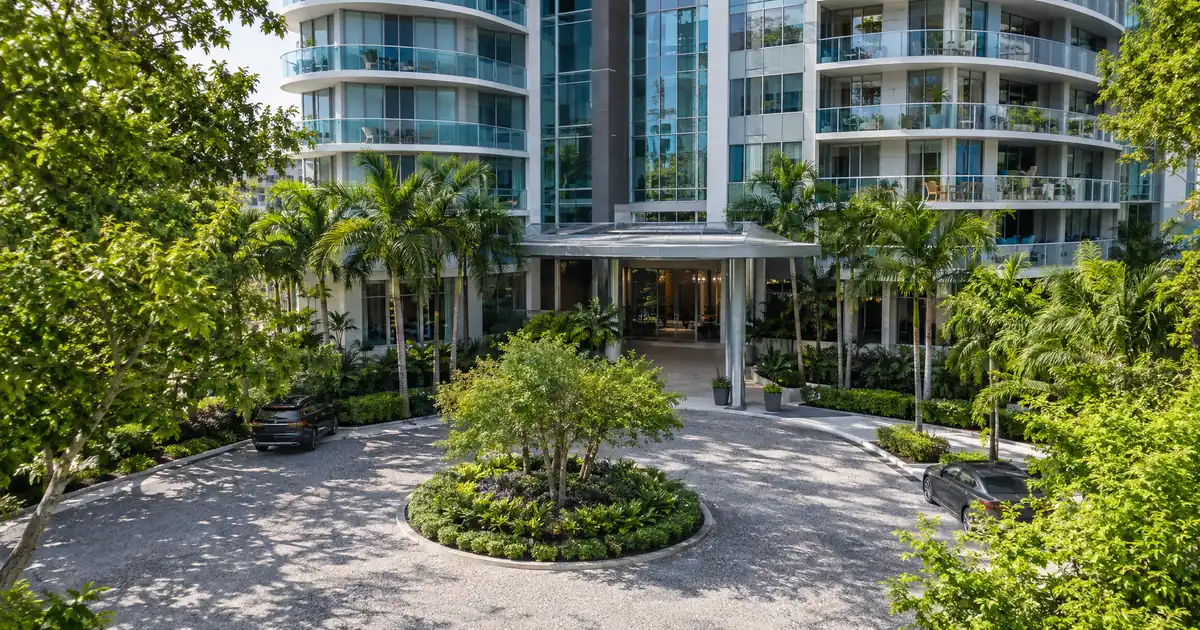
The Quick Read: A supportable appraisal on a non-warrantable condo is built from two separate opinions: market value, which sets leverage, and market rent, which sets the coverage ratio. On super jumbo files, the appraiser must also address the building itself, and two appraisals are required above $2,000,000, subject to underwriting.
- Non-warrantable is a label on the building, not on the borrower or the unit.
- Through select wholesale programs, non-warrantable condos run to 75% leverage and $1,500,000, subject to underwriting.
- Above $2,000,000 two appraisals are required, so a file at that size needs a different structure than the non-warrantable ceiling allows.
- Association dues sit in the monthly obligation, so the rent conclusion matters more on a luxury condo.
- The packet you hand the appraiser decides most of what comes back. The exact numbers vary by lender and program and follow a full review of property, leverage, and credit.
Key Terms Defined
Non-warrantable condo: a unit in a project that fails agency tests, such as heavy single-entity ownership, too much commercial space, or high delinquency.
Super jumbo: a loan balance above the standard program’s $3,000,000 stop, which a separate ladder carries up to $10,000,000 for qualified investors.
Market value: the appraiser’s opinion of what the unit would sell for. It sets the loan-to-value ratio.
Market rent: the appraiser’s opinion of monthly rent from a rent schedule. It sets the numerator of the coverage ratio.
Project analysis: the appraiser’s review of the building’s finances, assessments, amenities and sales activity.
DSCR Calculator
Run the numbers in your market
Rate source: Freddie Mac 30-yr average via FRED® — Federal Reserve Bank of St. Louis · effective Oct 15, 2026
Prefilled with starting assumptions — enter your own rent or nightly figures, taxes, insurance, and HOA for a more accurate picture.
Program parameters update from Lendmire’s centralized guideline source. Taxes and insurance are editable estimates.
As of Oct 15, 2026 · General Freddie Mac market benchmark, not a Lendmire loan offer. Rent, nightly rate, occupancy, taxes, and insurance are editable estimates. Short-term rental figures are estimates only and vary significantly by season, property type, management approach, and local short-term-rental rules — confirm local regulations before relying on them. Qualifying income for short-term rentals varies by program — some use appraisal market rent, others use documented STR history or projections — and is confirmed in underwriting. Not a Loan Estimate, approval, or commitment to lend. Program availability and eligibility are subject to lender guidelines, credit approval, property review, and underwriting.
What “Non-Warrantable” Means for a DSCR File
A project that fails is non-warrantable. DSCR loans are not agency products, so the label does not end the file. It turns the project into a collateral-risk question for the investor lender.
The label also moves. Fannie Mae’s Lender Letter LL-2026-03 retired the 50% investor-concentration limit for established projects under full review, though the presale requirement for new projects remains. Lenders can still keep their own investor caps. A building can drift out of non-warrantable status with no change in the building at all.
Across the wholesale network, the pattern is consistent: the project drives which program a file lands in, and the appraisal is where that project risk gets priced into value.
Why the Appraisal Carries More Weight Here
A low value cuts the loan amount, and the investor funds the gap. A low rent conclusion cuts coverage. Both hit at once on a luxury condo, because dues can be a large share of the monthly obligation.
Coverage is monthly rent divided by the full monthly obligation: principal, interest, taxes, insurance and association dues. Dues are not netted from rent. Coverage of 1.00 earns full leverage. Coverage from 0.75 to 0.99 is a real path through select programs to $2,000,000, but LTV and terms adjust, subject to underwriting.
Non-warrantable condos also resell harder, because buyers have trouble financing them, as Enact’s explainer on non-warrantable condominiums notes. Appraisers know it, and they treat the project carefully.
Step-by-Step: Building the Appraisal
1. Classify the collateral
Decide first whether the asset is one condo unit, a two-to-four unit condo building, or a condotel. That choice sets the forms and the program. Condotels sit in their own overlay tier, with 75% on a purchase and 65% on a refinance, up to $1,500,000 and $250,000 cash-in-hand, subject to underwriting.
2. Pick the right forms
For a single condo unit, Fannie Mae’s Selling Guide lists Form 1073, the individual condominium unit report, built on interior and exterior inspection. The rent schedule is Form 1007 on a single unit. A two-to-four unit condo building uses Form 1025.
McKissock, an appraiser-education outlet, says Form 1007 covers single-family and condominium investment units, so a condo unit can carry a rent schedule alongside its Form 1073 report. McKissock also explains why short-term rentals fit the form poorly.
3. Make the appraiser address the project
The appraiser should report the project name, assessments including special assessments, property rights, and the common elements and amenities. That is agency practice, used here as a format, not a DSCR rule.
Give the appraiser the HOA budget, reserve picture, special assessment notices and questionnaire answers up front. A unit in a poorly run building can appraise below the same floor plan nearby.
4. Control the comparable set
Comps decide value. The preference order is same building first, then similar nearby buildings. Adjustments cover floor level, view, parking, finishes and corner versus interior position. Sales from outside the neighborhood need an explanation.
Hand over prior sales in the building, floor plans, the unit’s sales history and a list of upgrades. Skip vague claims. Documented closed sales are what hold up.
5. Add the super jumbo layer
Above $2,000,000, two separate appraisals are required, subject to underwriting. That matters on condos because value swings with floor, view and in-building comps. The lower value generally controls leverage when two opinions differ. Expect a second fee on the file.
6. Reconcile the rent side
The rent opinion should come from the rent schedule, not from a tenant’s offer or a nightly projection. If it undershoots the modeled number, the ratio moves with it.
What the Appraiser Needs to See
| Item | Why it matters | Who supplies it |
|---|---|---|
| HOA budget and reserves | Project strength | Borrower or broker |
| Special assessment notices | Value drag | Management |
| Prior in-building sales | Best comps | Borrower or broker |
| Floor plans and upgrades | Adjustment support | Borrower |
| Lease or rent evidence | Rent schedule support | Borrower |
Comp Tiers and Their Risk
| Comp source | Strength | Adjustment risk |
|---|---|---|
| Same building | Strongest | Low |
| Similar nearby project | Acceptable | Moderate |
| Adjacent or dissimilar project | Weak | High, needs explanation |
Where the Ceiling Gets Tight
The network figures create a real tension. Non-warrantable condos reach 75% and $1,500,000 through select programs, subject to underwriting. The two-appraisal rule applies above $2,000,000. A non-warrantable unit priced well above the non-warrantable ceiling is a different file from a warrantable one. Do not assume super jumbo non-warrantable condos are generally available. Confirm the project’s status and the program ceiling before ordering anything.
For warrantable towers, the ladder is wider. See Lendmire’s piece How to Build a Tower Condo Appraisal Package for Super Jumbo DSCR. The complete DSCR loans guide covers the base program.
Edge Cases
Condotels. Agencies list them as ineligible. In the network they get a restricted overlay tier. Because they sell less often, appraisers lean on income-based valuation over comps.
Short-term rentals. Form 1007 is a poor fit. Qualifying income on these files is documented operating history at a discount to gross rent, and permission to operate is documented per property. Short-term rental rules can vary by city, county, HOA, and property type, so investors should confirm local rules before relying on projected rental income.
Thin in-building sales. In boutique buildings, the appraiser goes to other buildings. That means bigger adjustments and more uncertainty.
Status changes. If the HOA fixes the failing criteria, the building can be reclassified.
DSCR vs. conventional financing
There are two common ways to finance an investment property, and they qualify you differently — here’s how investors weigh them.
Why investors choose it
- Qualifies on the property’s rental income — no personal tax returns, W-2s, or pay stubs needed to document income.
- No personal debt-to-income ceiling to clear, so existing mortgages and obligations don’t cap your borrowing the same way.
- Can be closed in an LLC, keeping the property inside a business entity.
- Built for scaling — not held to the limit on number of financed properties that conventional financing applies.
- Underwriting centers on the deal: generally qualifies when the rent covers the payment, a 1.00x coverage ratio being a common baseline (confirmed in underwriting).
- Designed specifically for investment property, including long-term and, where the program allows, short-term rentals.
Where it’s strong
- Often the lowest ongoing financing cost for a buyer who fully qualifies on personal income — a fit for a first property or a cost-first purchase.
Trade-offs for investors
- Requires full personal income documentation and must fit within a debt-to-income limit — salary, existing debts, and other mortgages all count.
- Typically held in your personal name rather than a business entity.
- Caps how many financed properties you can carry, which can become a ceiling as a portfolio grows.
- Evaluates you as a borrower as much as the property, which usually means more paperwork.
How investors usually choose: a first or single property often optimizes for the lowest financing cost; portfolio builders often optimize for leverage, vesting in an LLC, and scaling past conventional caps. The right answer depends on your goals, the property, and current guidelines — both paths run through select lenders in Lendmire’s wholesale network, with eligibility and terms confirmed in underwriting.
What a Miss Looks Like
Run the numbers on a purchase priced at $1,400,000 with leverage modeled at 75%. If the appraisal comes in lower, the loan amount drops with the value, and the investor covers the difference in cash. If the rent conclusion also lands under the modeled number, coverage that looked near 1.20x may slip toward 1.00x, where leverage and terms can change. That is a modeled assumption, not a market figure.
The fix is documentation, not argument. Ask for appraisal reconsideration with recent in-building closings, a corrected unit description, and condition support. Wrong-type comps and unsupported adjustments are the usual failure points.
Practical Prep
1. Confirm the building’s status and the program tier before ordering.
2. Pull the HOA documents and questionnaire early.
3. Assemble in-building sales, floor plans and upgrade records.
4. Ask for an appraiser with condo and project experience.
5. Compare value and rent conclusions against the model to confirm the deal still works.
Credit, reserves and size matter alongside the appraisal. Typical network guidance is a 660 floor, 700 above $3,000,000, and six months of reserves on the subject property, subject to underwriting. Interest-only runs to 120 months up to 75% on qualifying files. Lendmire’s look at cash-out proceeds on a non-warrantable condo covers the refinance side.
If you are buying or refinancing a high-balance rental property and want to see how the numbers work, Lendmire can help you compare super jumbo DSCR loan options based on the property income, the loan balance, credit profile, leverage, and investor goals. Reach the team at 828-256-2183. Tax treatment varies; consult a qualified professional.
Frequently Asked Questions
Does a non-warrantable condo disqualify a DSCR loan?
No. It moves the file onto a specialty track with its own limits. Through select wholesale programs, non-warrantable condos run to 75% leverage and $1,500,000, subject to underwriting. Final terms depend on the lender’s guidelines, the property type, and the borrower’s complete credit picture.
Which appraisal forms apply to a condo?
Form 1073 covers a single condo unit, with Form 1007 as the rent schedule.
Why are two appraisals required at super jumbo size?
Above $2,000,000, two appraisals are required, subject to underwriting. Condo value moves with floor, view and in-building sales, so a second opinion tests it. The lower value generally controls leverage.
What if the appraisal comes in low?
The loan amount falls with the value, and the investor funds the gap. A documented reconsideration request with recent in-building sales is the standard response.
Is a short-term rental appraised differently?
Yes. Form 1007 fits poorly. Income is documented operating history at 80% of gross, or the appraisal’s short-term-rent analysis on a purchase, subject to underwriting.
Lendmire’s self-employed mortgages page presents both super jumbo programs, bank statement and DSCR, side by side.
About Lendmire
Lendmire is a non-QM mortgage brokerage (NMLS# 2371349) arranging DSCR investor loans in 41 markets, including Washington, D.C. DSCR eligibility is generally reviewed around property-level rental income rather than personal income, subject to lender and program guidelines, a fit for self-employed investors and LLC-owned portfolios. Lendmire was recognized as a Scotsman Guide Top Mortgage Workplace in 2025 and 2026.
Get Started
Ready to find the right loan for you?
In about 30 seconds you can review financing options available for your investment property. No commitment required.
Informational only. Not a Loan Estimate, approval, or commitment to lend. Program availability and eligibility are subject to lender guidelines, credit approval, property review, and underwriting.
References
1. Fannie Mae Lender Letter LL-2026-03
2. Enact MI: what makes a condominium non-warrantable
3. Fannie Mae Selling Guide B4-1.2-01
4. McKissock: Form 1007 and short-term rentals
This article is part of Lendmire’s super jumbo DSCR loan program — full qualification details, guidelines, and scenarios live on the program page.
Related reading: How a Private-Bank Client Can Challenge a Low Super Jumbo DSCR Appraisal · How Much Can You Borrow With a 40-Year Super Jumbo DSCR Loan? · Can an LLC Get a Super Jumbo DSCR Loan?
Brandon Miller
Founder & CEO, Mortgage Loan Originator, Lendmire LLC
- Mortgage Loan Originator · NMLS# 1129696 · Verify on NMLS Consumer Access
- North Carolina Real Estate Broker · License# 343312 · Verify on NCREC
- North Carolina Insurance Producer · License# 19053198 · Property, Casualty, Life, Health · Verify on NAIC SBS
- Lendmire LLC · Firm NMLS# 2371349 · Verify firm licensure
Compliance and disclosures. Lendmire (NMLS# 2371349) is a licensed mortgage broker and is not a direct lender, depository institution, financial advisor, or tax professional. Content in this article is general market analysis and educational information — not financial, legal, or tax advice for any specific situation. Lendmire does not guarantee loan approval; every transaction is subject to underwriting by the funding lender. Mortgage pricing and loan program guidelines are subject to change at any time without notice and vary by borrower characteristics, property type, and state regulations. Lendmire complies with Equal Housing Opportunity. Licensure verification: NMLS Consumer Access.