
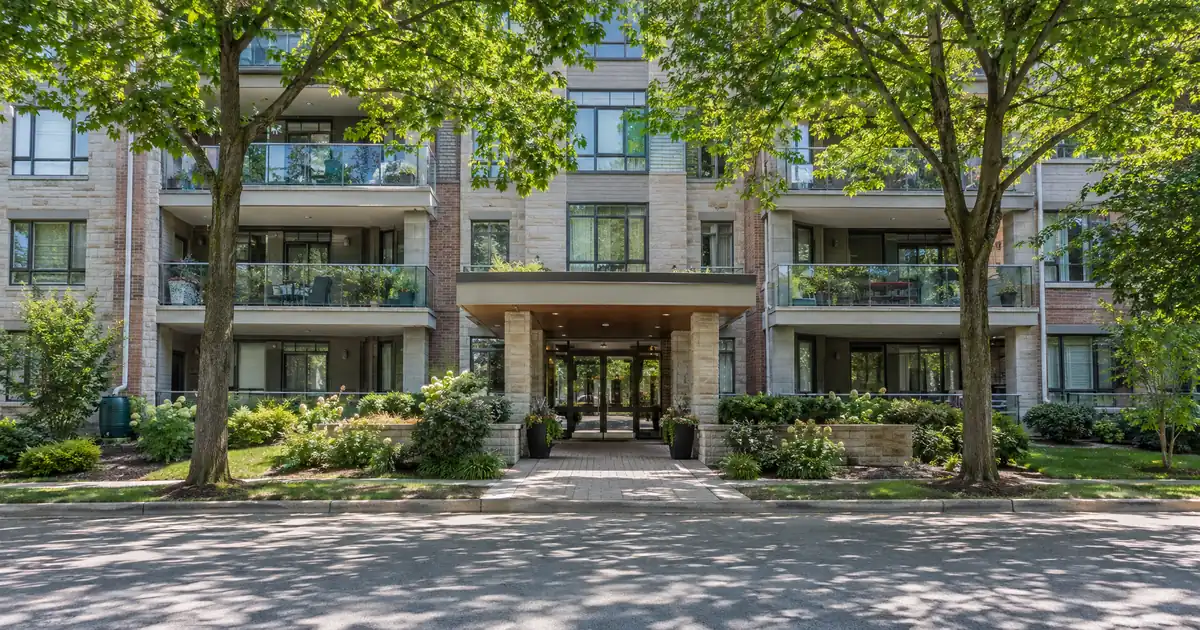
The Quick Read: Usually yes for both, but for different reasons: a condotel typically needs its own loan track because hotel-style operation puts it in specialty review, while a rural cabin usually fits the standard or short-term-rental DSCR program and instead needs its own insurance policy and closer income and property scrutiny. “Policy” can mean a loan program or an insurance policy, so this article answers both. DSCR (debt service coverage ratio) compares a property’s rent to its monthly payment, and that test is the same on both property types.
- A condotel is usually a specialty-review file, and eligibility varies from lender to lender.
- A rural cabin usually runs through the standard or short-term-rental DSCR program.
- Log homes and barndominiums are not offered in the network’s DSCR programs, and no insurance policy changes that.
- A homeowner’s policy generally does not cover a rented property, so both types need rental-grade coverage.
- Clearing 1.00 on coverage is a qualification test, not proof of positive cash flow.
Key Terms Defined
Condotel: a condo unit inside a hotel-style building with a front desk, housekeeping, and a reservation system, usually tied to a rental program.
PITIA: principal, interest, taxes, insurance, and association dues, the full monthly obligation that rent is measured against.
Non-warrantable condo: a condo project that fails agency-backed lending rules for reasons such as litigation, thin reserves, or too many investor-owners. A condotel is one kind, but not the only kind.
Master policy: the association’s insurance on the building itself.
HO-6: the unit owner’s policy covering interior finishes, contents, and personal liability inside a condo unit.
Endorsement: an add-on to an existing policy that extends it to a new use, such as short-term renting.
Loss of rents: coverage that replaces rental income while a covered loss makes the property unrentable.
Declarations page: the summary page of a policy showing who is insured, what is covered, the limits, and the dates. Lenders review it.
DSCR Calculator
Run the numbers in your market
Rate source: Freddie Mac 30-yr average via FRED® — Federal Reserve Bank of St. Louis · effective Oct 15, 2026
Prefilled with starting assumptions — enter your own rent or nightly figures, taxes, insurance, and HOA for a more accurate picture.
Program parameters update from Lendmire’s centralized guideline source. Taxes and insurance are editable estimates.
As of Oct 15, 2026 · General Freddie Mac market benchmark, not a Lendmire loan offer. Rent, nightly rate, occupancy, taxes, and insurance are editable estimates. Short-term rental figures are estimates only and vary significantly by season, property type, management approach, and local short-term-rental rules — confirm local regulations before relying on them. Qualifying income for short-term rentals varies by program — some use appraisal market rent, others use documented STR history or projections — and is confirmed in underwriting. Not a Loan Estimate, approval, or commitment to lend. Program availability and eligibility are subject to lender guidelines, credit approval, property review, and underwriting.
Why Does a Condotel Land in Its Own Loan Track?
A condotel almost always lands in specialty review because the standard rulebook for agency-backed condo loans excludes it. DSCR loans are not agency products, so those rules do not bind a DSCR lender. They explain why most condotels end up in non-QM (non-qualified mortgage) lending instead.
Here is the contrast. The Fannie Mae Selling Guide lists projects managed and operated as a hotel or motel as ineligible, even when units are individually owned. The Fannie Mae Condo Status Finder says the same about projects that run as hotels or manage daily or short-term rentals. That is the whole role of agency material here: it tells you why a conventional buyer cannot take the unit, and why the buyer pool at resale is smaller.
Across the wholesale network, condotel handling varies. Some lenders exclude them outright. Others take them with leverage adjusted and reserves raised. That is why the lender pool, not the ratio, often decides whether the deal works at all.
The deciding variable is who controls occupancy. A unit the owner controls can look like an ordinary condo investment with a few building issues. A unit locked into a mandatory rental pool is different, because the investor does not control the asset or the schedule.
What the Lender Reads
Expect three document sets on a condotel file.
- The condo declaration sets the rules of the building.
- The hotel management or rental-program agreement sets how the operator rents the unit and splits revenue. Whether the pool is mandatory or opt-in matters a great deal.
- Association financials and insurance show whether the building is healthy and adequately covered.
Income usually comes from the operator’s statements rather than a lease. Rental-pool splits are commonly described as around half to the owner, and LegalClarity’s explainer on how condotels work notes the effective owner share is often lower once deductions come out before the split. Qualifying income follows the documented figure, not the brochure yield.
Does a Rural Cabin Need a Separate Loan Product?
No. A rural cabin usually runs through the standard DSCR program, or the short-term-rental program if it hosts nightly guests. The ratio is the same: rent divided by PITIA. Nothing about being rural creates a distinct loan category.
The friction sits in three other places. Eligible structure comes first. Frame-built cabins, A-frames, and lake houses are the normal profile. Log homes, manufactured homes (single- and double-wide), and barndominiums are not offered in these programs. A policy will not rescue an ineligible build, so check the structure before anything else.
Income evidence comes second. On a long-term rental, a lease or the appraiser’s rent schedule carries the file. On a short-term rental, programs look at platform payouts, property-manager statements, and bank deposits tied to the property. On a purchase, a third-party market projection can fill the gap. Across the network, short-term-rental files typically expect a credit score around 640 or higher and roughly 12 months of hosting history. Both are subject to lender guidelines.
Appraisal support comes third. The Form 1007 rent schedule measures monthly market rent. McKissock, an appraiser education provider, notes that it documents monthly rent for single-family homes, not nightly rent or business income, and that the lender decides which income counts. Class Valuation, an appraisal management firm, adds that nightly pricing, seasonal demand, and volatile occupancy do not fit on that form. In thin rural markets, with few comparable sales and rentals, both value and income are harder to support.
Leverage follows the rental type. On a standard rental purchase, most files land at 75%–80% LTV, and select high-leverage programs reach 85% LTV with roughly a 700+ score. On short-term-rental collateral, a purchase tops out at 75% LTV. Short-term-rental refinances run around 70%, and short-term-rental cash-out tops out at 70%. A standard-rental cash-out tops out around 75%. Lendmire’s complete DSCR loans guide covers the full program picture.
One more screen matters: use. A cabin the owner mostly uses personally is a poor fit for a business-purpose DSCR loan. A cabin refinanced into DSCR must be treated as a non-owner-occupied rental. Short-term rental rules can vary by city, county, HOA, and property type, so investors should confirm local rules before relying on projected rental income.
When Does a Condotel or Rural Cabin Need a Dedicated Policy?
On the insurance side, both property types need rental-grade coverage rather than a standard homeowner’s policy. Beyond that, the layers differ. A condotel splits coverage between the building and the unit. A cabin needs one full policy built for its rental use and its location.
Start with why a homeowner’s policy fails. Lemonade’s landlord-versus-homeowners explainer says a standard policy may not cover rental-related incidents when you rent short-term. It adds that you may need a short-term-rental endorsement or a separate policy. Many investors learn that after a claim, not before.
A dwelling fire policy is the cheaper-looking alternative, but it has gaps. Obie’s comparison of dwelling fire and landlord policies says dwelling fire does not provide personal liability or contents coverage. A landlord policy adds those. FBIA’s explainer notes that dwelling fire also does not replace rent lost during repairs. That matters for a rental, because rent is the numerator in your coverage ratio.
| Layer | Condotel | Rural cabin |
|---|---|---|
| Building coverage | Association master policy | Your own policy |
| Interior and contents | Your HO-6 | Your own policy |
| Liability | HO-6 plus operator terms | Landlord or STR policy |
| Loss of rents | Check the program | Add it by policy or endorsement |
| Common snag | Unclear master/unit split | Carrier appetite in remote areas |
The master-and-unit split on a condotel is verified through the project documents, and no single standard governs it. Treat the building’s insurance adequacy as part of the lender’s project review. Also ask who carries guest liability when a rental pool operates your unit. The answer sits in the management agreement.
Rural cabins add a different set of snags. Distance from fire response, access roads, seasonal vacancy, and water exposure all affect whether a carrier writes the policy and on what terms. Flood and wind are often separate coverages, so ask about them early.
Undisclosed rental use is the quiet risk. If the policy was written for a personal-use cabin and you host guests, a claim can be disputed. That endangers both you and the collateral, which is why the lender wants the policy to match the actual use.
Endorsement or Dedicated Policy: How to Choose
An endorsement fits when the carrier already insures the property and will extend it to rental use with liability and loss of rents included. A dedicated landlord or short-term-rental policy fits when the carrier will not endorse, when guests stay nightly, or when the endorsement leaves gaps. The lender’s question is simple: does the policy match the actual use?
| Your situation | Likely route |
|---|---|
| Long-term tenant in a cabin | Landlord policy |
| Nightly guests, owner never on site | Dedicated STR or vacation-rental policy |
| Condotel in owner-controlled use | HO-6 plus the association master policy |
| Condotel in a mandatory rental pool | HO-6 plus operator terms; read the agreement |
| Mixed personal and rental use | Disclose both uses; may change the loan path |
For deeper reading, Lendmire’s piece STR Endorsement vs Commercial Policy for a Rural Cabin DSCR Loan goes further on that choice.
In practice, the stronger files on rural cabins come in with a bound policy quote before the offer, not at closing. Short-term-rental files in markets with few comparable listings often stall on income support, not on insurance. Quote first, then make the offer.
DSCR vs. conventional financing
There are two common ways to finance an investment property, and they qualify you differently — here’s how investors weigh them.
Why investors choose it
- Qualifies on the property’s rental income — no personal tax returns, W-2s, or pay stubs needed to document income.
- No personal debt-to-income ceiling to clear, so existing mortgages and obligations don’t cap your borrowing the same way.
- Can be closed in an LLC, keeping the property inside a business entity.
- Built for scaling — not held to the limit on number of financed properties that conventional financing applies.
- Underwriting centers on the deal: generally qualifies when the rent covers the payment, a 1.00x coverage ratio being a common baseline (confirmed in underwriting).
- Designed specifically for investment property, including long-term and, where the program allows, short-term rentals.
Where it’s strong
- Often the lowest ongoing financing cost for a buyer who fully qualifies on personal income — a fit for a first property or a cost-first purchase.
Trade-offs for investors
- Requires full personal income documentation and must fit within a debt-to-income limit — salary, existing debts, and other mortgages all count.
- Typically held in your personal name rather than a business entity.
- Caps how many financed properties you can carry, which can become a ceiling as a portfolio grows.
- Evaluates you as a borrower as much as the property, which usually means more paperwork.
How investors usually choose: a first or single property often optimizes for the lowest financing cost; portfolio builders often optimize for leverage, vesting in an LLC, and scaling past conventional caps. The right answer depends on your goals, the property, and current guidelines — both paths run through select lenders in Lendmire’s wholesale network, with eligibility and terms confirmed in underwriting.
How Does the Premium Change Your Coverage Ratio?
Insurance sits inside PITIA, so a higher premium lowers coverage. A move from a thin policy to a full landlord or short-term-rental policy raises the denominator without touching rent. The modeled example below uses assumed ratios, not market data.
| Modeled scenario | Coverage before upgrade | After full rental coverage |
|---|---|---|
| Cabin, long-term lease | About 1.15x | About 1.08x |
| Condotel unit, after dues and operator split | About 1.10x | About 0.97x |
The cabin still clears 1.00, just with less room. The condotel slips under it. Here is what that means. A 1.00 ratio is the floor on select programs, not a standard across the board. A separate select-lender path takes coverage below 1.00 with leverage and terms adjusted. Eligibility depends on lender guidelines, credit profile, reserves, and property review.
A bigger down payment can help, because a smaller loan lowers the monthly obligation and lifts the ratio. It does not erase leverage caps, credit floors, reserve rules, or property eligibility. Most programs want credit around 660, a 620 floor exists in parts of the network, and 700+ opens the strongest leverage tiers. Reserves commonly run around 6 months of PITIA, and loans above $1,500,000 typically step up to about 9 months. Loan sizes run up to $3,000,000 on standard programs. These ranges are typical, not guaranteed, and every file is underwritten individually.
A final reminder. Clearing 1.00 is not positive cash flow. Cleaning, platform fees, utilities, management, vacancy, and repairs all sit outside the ratio. The ratio is a qualification test, not a profit forecast.
What to Line Up Before the Offer
Work in this order.
1. Confirm the structure and use. Check that the build type is eligible and that the property is truly a rental, not a personal retreat.
2. Quote the insurance before you offer. Get a rental-grade quote, plus flood or wind where relevant, and plug the premium into the ratio.
3. Collect income evidence. Gather leases, payout statements, manager reports, or the operator’s rental-pool statements.
4. For a condotel, request the project package. Ask for the declaration, the management agreement, the association financials, and the master policy.
5. At closing, show the declarations page. It should name the right insured, address, and dates, and reflect the actual rental use.
Resale deserves a thought too. A hotel-style or mandatory-rental structure narrows your buyer pool, because agency-backed buyers cannot finance it. Plan your exit before you buy. Tax treatment varies; consult a qualified professional.
Frequently Asked Questions
Is a landlord policy enough for a rural cabin?
Often yes on a long-term rental, but not always on a nightly rental. Short-term guests usually call for a vacation-rental policy or a carefully worded endorsement. The lender wants the coverage to match the actual use.
Can the HOA master policy stand in for my own coverage on a condotel?
No. The master policy covers the building, while your HO-6 covers interior finishes, contents, and liability. A lender reviews both layers, along with the association’s financial health.
Does a policy fix an ineligible cabin?
No. Log homes, manufactured homes, and barndominiums are not offered in the network’s DSCR programs, and insurance does not change that. Confirm the structure type before you spend money on quotes or appraisals.
What if no carrier will write the cabin?
Remote location, fire-response distance, and seasonal vacancy can narrow carrier choices. Try an independent agent who can shop several carriers, and ask about vacancy clauses. If no rental-grade coverage is available, the deal usually does not close, so find that out before the offer.
Can I use my personal bank statements instead of rental income?
No. DSCR qualifies primarily on property-level rental income covering the payment, subject to lender guidelines. The property’s own booking deposits can help document rent, but your personal deposits do not stand in for it.
Next Step
If you are buying or refinancing a rental property and want to see how the numbers work, Lendmire can help you compare DSCR loan options based on the property income, credit profile, leverage, and investor goals.
About Lendmire
Lendmire (NMLS# 2371349) is a DSCR-focused mortgage broker that helps arrange investor financing across 41 markets, including Washington, D.C., through wholesale and investor-lending channels. DSCR eligibility is generally reviewed by the lender around the property’s rental income rather than personal income documentation, subject to lender guidelines — which works for self-employed investors, LLC operators, and portfolios above four financed properties. Scotsman Guide named Lendmire a Top Mortgage Workplace in both 2025 and 2026.
Get Started
Ready to find the right loan for you?
In about 30 seconds you can review financing options available for your investment property. No commitment required.
Informational only. Not a Loan Estimate, approval, or commitment to lend. Program availability and eligibility are subject to lender guidelines, credit approval, property review, and underwriting.
References
1. Fannie Mae Selling Guide: Ineligible Projects
2. Fannie Mae Condo Status Finder
3. LegalClarity: How a Condotel Works for Owners and Investors
4. McKissock: Form 1007 and Short-Term Rental Appraisals
5. Class Valuation: Why Form 1007 Can’t Be Used for Short-Term Rentals
6. Lemonade: Landlord vs. Homeowners Insurance
7. Obie: Dwelling Fire vs. Landlord Policy
8. FBIA: Landlord Insurance vs. Dwelling Fire Coverage
This article is part of Lendmire’s DSCR loan program — full qualification details, guidelines, and scenarios live on the program page.
Related reading: How to Shop Airbnb Insurance Before a DSCR Refinance · How to Requalify a Condo on DSCR After a Dues or Insurance Jump · Can You Switch DSCR Lenders When the Terms Change Late?
Brandon Miller
Founder & CEO, Mortgage Loan Originator, Lendmire LLC
- Mortgage Loan Originator · NMLS# 1129696 · Verify on NMLS Consumer Access
- North Carolina Real Estate Broker · License# 343312 · Verify on NCREC
- North Carolina Insurance Producer · License# 19053198 · Property, Casualty, Life, Health · Verify on NAIC SBS
- Lendmire LLC · Firm NMLS# 2371349 · Verify firm licensure
Disclosures. The information presented in this article is general market commentary, not financial, legal, or tax advice. Lendmire is a mortgage brokerage (NMLS# 2371349) — not a direct lender or depository institution — and loan placement is subject to lender underwriting. Nothing in this content represents a commitment to lend. Loan terms, pricing, and program availability vary based on borrower qualifications, property characteristics, and state of subject property, and are subject to change at any time. Lendmire complies with Equal Housing Opportunity requirements. Consumer access: nmlsconsumeraccess.org.