
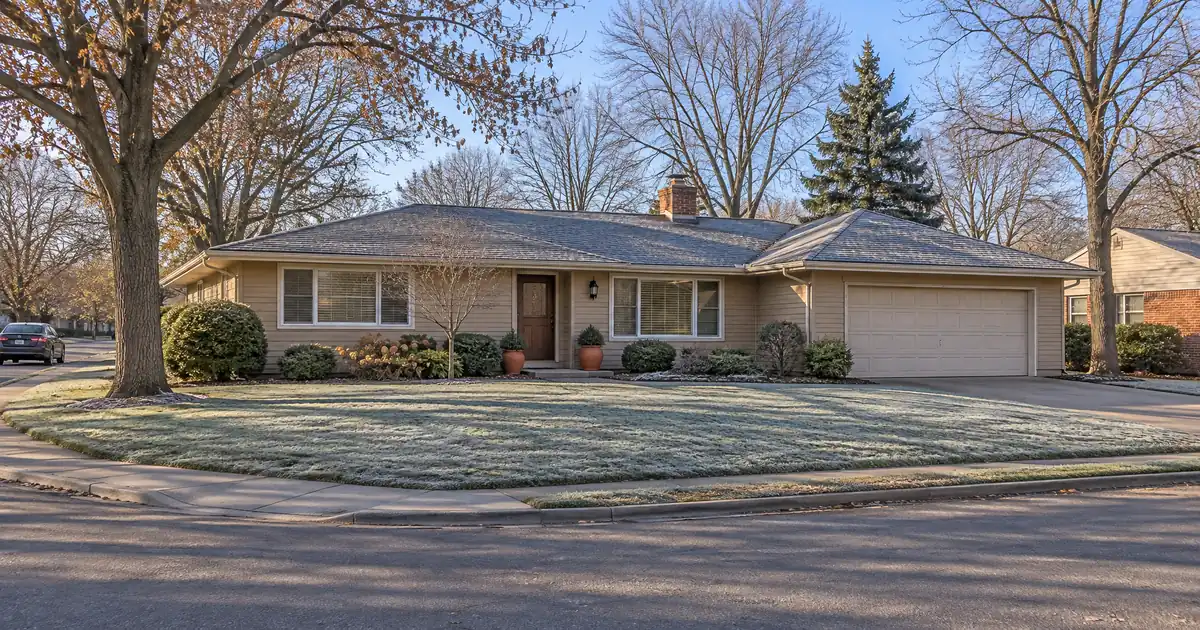
The Quick Read: Tenancy by the entirety is a title issue, not an underwriting category. The loan is reviewed primarily on property-level rental income covering the payment, subject to lender guidelines, but the lien still has to attach to the whole property, which means both spouses sign the security instrument.
- Cash-out tops out around 75% LTV on a standard rental, with about 6 months of ownership seasoning.
- Coverage starts at 1.00 on select programs, measured as rent against PITIA.
- Reserves are commonly about 6 months of PITIA, stepping up to about 9 months above $1,500,000.
- Moving the property into an LLC usually ends the entireties title, so that decision belongs with an attorney before the loan.
This is an explainer for married investors, and for the advisors who work with them, who hold a rental this way and want equity out. Lendmire is a broker. It arranges DSCR financing through select lenders in its wholesale network across 41 markets, including Washington, D.C. The broader mechanics live in the complete DSCR loans guide.
DSCR Cash-Out Calculator
Run the cash-out numbers in your market
Rate source: Freddie Mac 30-yr average via FRED® — Federal Reserve Bank of St. Louis · effective Nov 5, 2026
Prefilled with starting assumptions — enter your property’s value, balance, taxes, and insurance for a more accurate picture.
Program parameters update from Lendmire’s centralized guideline source. Taxes and insurance are editable estimates.
As of Nov 5, 2026 · General Freddie Mac market benchmark, not a Lendmire loan offer. Property value, balance, taxes, and insurance are editable estimates. Maximum loan-to-value varies by lender, program, property type, and seasoning. Not a Loan Estimate, approval, or commitment to lend. Program availability and eligibility are subject to lender guidelines, credit approval, property review, and underwriting.
Key Terms Defined
Tenancy by the entirety (TBE): a form of ownership available only to married couples, where the spouses hold the whole property together with a right of survivorship. Nolo’s legal encyclopedia describes it as passing to the survivor without probate.
DSCR: the property’s monthly rent divided by its monthly PITIA (principal, interest, taxes, insurance, and any HOA dues).
Cash-out refinance: a new loan that pays off the old one and returns the extra equity as cash at closing.
Note vs. lien: the note is the promise to repay. The lien (a deed of trust or mortgage) is the claim against the property that secures that promise. Different people can sign each.
What Does Tenancy by the Entirety Change About a DSCR Cash-Out?
It changes who signs, not how the file qualifies. The ratio, the leverage cap, the credit tier and the reserves are all read the same way as on any rental. What shifts is the title work and the signing table.
Under TBE, neither spouse can encumber the property alone. A lien signed by one spouse would not reach the whole property. So the lender needs both spouses on the security instrument, even if only one is the borrower or guarantor.
That is also why the property’s rent carries the file. A stronger co-borrower’s credit can matter for the score tier and the guaranty. It does not fix weak property coverage.
Can a Lender Require Both Spouses to Sign?
On the lien, yes, when state law requires it. On the note, generally no. Federal credit rules bar a lender from requiring the signature of an applicant’s spouse on a credit instrument when the applicant qualifies alone. The CFPB’s Regulation B page states that rule and applies it to guarantors too.
There is a secured-credit exception. Under 12 CFR 1002.7, a creditor may require a spouse’s signature on any instrument that state law makes necessary to create a valid lien or pass clear title. For entireties property, that is the deed of trust or mortgage.
A spouse who signs only the lien is not automatically a borrower or guarantor. The official interpretations allow a legend beside that signature stating that it grants a security interest and creates no personal liability.
| Setup | Signs the note | Signs the guaranty | Signs the lien |
|---|---|---|---|
| Individual borrower, TBE title kept | One or both spouses | Not usually needed | Both spouses |
| LLC borrower, title moved to LLC | The LLC | Guarantor (often one spouse) | LLC, by its signer |
| One spouse as borrower, both on title | Borrowing spouse | Not usually needed | Both spouses |
Lender and title preferences differ. Treat the table as the common pattern, not a promise.
How Underwriting Treats the File, Step by Step
1. Confirm how title is vested. Pull the vesting deed and title commitment. Deed wording drives the result. In states that recognize TBE, a deed to a married couple often creates it by presumption. In states that don’t, the same language reads as a joint tenancy or tenancy in common, per Nolo’s joint ownership guide.
2. Choose the borrower structure. An individual borrower can keep TBE title. An LLC borrower means the property must be deeded into the LLC first. Subject to lender program eligibility, entity borrowers are common on DSCR files.
3. Run the property-level test. Rent used for lender review comes from the lease or the appraisal’s rent schedule (Form 1007 for single-family, Form 1025 for 2-4 units). The ratio is rent over PITIA. Select programs start at 1.00. Stronger coverage opens better leverage and pricing.
4. Check the leverage and seasoning. Cash-out on a standard rental tops out around 75% LTV, with about 6 months of ownership measured from title recording. A short-term rental cash-out is capped lower, at 70%. Final terms depend on the lender’s guidelines, the property type, and the borrower’s complete credit picture.
5. Confirm credit and reserves. Credit tiers across the network run from a 620 floor up through 660, 680 and 700. Reserves commonly sit around 6 months of PITIA, and about 9 months above $1,500,000. Loan sizes run up to $3,000,000 on standard programs.
6. Assemble the closing package. That means the vesting deed, title commitment, both spouses’ signatures on the security instrument (with a no-personal-liability legend where applicable), the note and guaranty from whoever is borrower and guarantor, and an entity package if an LLC is used.
7. Settle the signing sequence. The new loan pays off the old note, and the deed and lien are recorded. Lender and title company should agree on the order before anyone sits at the table. If both spouses can’t attend, a power of attorney may be needed.
Equity available depends on rent used for lender review, PITIA, reserves and the 75% ceiling. It is not a guaranteed cash figure.
Where Does the Math Land for a Couple on Entireties Title?
Consider an investor couple holding a duplex as tenants by the entirety, owned well past the seasoning period. They want cash out at 75% LTV with one spouse as borrower. Say the appraisal’s rent schedule supports coverage in the low-1.2 range against the new payment. Each figure is subject to lender guidelines and a complete review of property type, leverage, and credit.
Coverage above 1.00 clears the floor for select programs. The file then turns on equity at the 75% ceiling, credit tier and reserves. Both spouses still sign the lien. The non-borrowing spouse’s income never enters the file.
Now run a weaker version: coverage just under 1.00. Select lenders in the network offer sub-1.00 paths, with leverage and terms adjusted. That is a different program from the 1.00-floor path, not the same loan with a lower number.
Clearing 1.00 also isn’t positive cash flow. Repairs, vacancy, management, utilities and capex sit outside the ratio.
Keep Entirety Title or Move to an LLC?
This is the real decision, and the loan is secondary to it. Keeping TBE title preserves survivorship and, in many states, some protection from one spouse’s separate creditors. Moving to an LLC gives the entity structure many DSCR investors expect, but a TBE property conveyed into an LLC usually ends the entireties title on that parcel. Under TBE, both spouses must join in the deed.
| Factor | Keep TBE, individual borrower | LLC vesting |
|---|---|---|
| Title | Stays entireties | Moves to the LLC |
| Lien signers | Both spouses | LLC signer |
| Guaranty | Usually not needed | Guarantor needed |
| Entity paperwork | None | Formation and operating documents |
| Legal review | Recommended | Strongly recommended |
Some practitioners point to holding the LLC membership interest itself by the entirety, as Alper Law describes for Florida. That is attorney territory. A broker can explain how the loan treats each structure, not which one protects you better.
Where the General Rule Breaks
The state doesn’t recognize TBE. Not every state does, and TBE isn’t available in community-property states. A deed that says tenants by the entirety may be read as a joint tenancy. The lender’s title work will show what the state actually created.
Divorce. In North Carolina, the statute vests a conveyance to spouses as tenants by the entirety and converts the property to a tenancy in common on divorce. A spouse leaving title does not leave the old loan. Only a payoff, refinance or assumption with release does that. A cash-out refinance is the usual payoff tool.
Pledging the property can weaken the protection. A loan signed by both spouses is a joint debt, reachable by joint creditors, while creditors of only one spouse generally cannot reach entireties property. The cash-out itself doesn’t erase TBE, but the new lien is a joint obligation.
Creditor reach varies by state. Nolo notes that some states let a creditor collect one spouse’s debt from the whole property, while others require both spouses to be liable. Courts may also reach entireties property when titling was part of a scheme to avoid creditors.
Owner-occupancy. DSCR loans are for non-owner-occupied, business-purpose property. If either spouse will live in the home, it needs a different product.
Ineligible property. Manufactured homes (single- and double-wide), log homes and barndominiums are not offered through these programs, whatever the title.
DSCR vs. conventional financing
There are two common ways to finance an investment property, and they qualify you differently — here’s how investors weigh them.
Why investors choose it
- Qualifies on the property’s rental income — no personal tax returns, W-2s, or pay stubs needed to document income.
- No personal debt-to-income ceiling to clear, so existing mortgages and obligations don’t cap your borrowing the same way.
- Can be closed in an LLC, keeping the property inside a business entity.
- Built for scaling — not held to the limit on number of financed properties that conventional financing applies.
- Underwriting centers on the deal: generally qualifies when the rent covers the payment, a 1.00x coverage ratio being a common baseline (confirmed in underwriting).
- Designed specifically for investment property, including long-term and, where the program allows, short-term rentals.
Where it’s strong
- Often the lowest ongoing financing cost for a buyer who fully qualifies on personal income — a fit for a first property or a cost-first purchase.
Trade-offs for investors
- Requires full personal income documentation and must fit within a debt-to-income limit — salary, existing debts, and other mortgages all count.
- Typically held in your personal name rather than a business entity.
- Caps how many financed properties you can carry, which can become a ceiling as a portfolio grows.
- Evaluates you as a borrower as much as the property, which usually means more paperwork.
How investors usually choose: a first or single property often optimizes for the lowest financing cost; portfolio builders often optimize for leverage, vesting in an LLC, and scaling past conventional caps. The right answer depends on your goals, the property, and current guidelines — both paths run through select lenders in Lendmire’s wholesale network, with eligibility and terms confirmed in underwriting.
Common Misconceptions
Myth: only the borrowing spouse needs to sign. In TBE states, neither spouse can encumber the property alone. The lender can require the signature state law makes necessary.
Myth: federal rules mean the lender can’t ask the spouse to sign anything. The bar covers the note and credit instrument. It doesn’t cover the lien signature when state law requires it.
Myth: a spouse who signs the lien is a guarantor. Signing the security instrument is not the same as becoming a borrower, and a spouse who signs only the lien is not automatically a guarantor either.
Myth: a stronger spouse’s credit fixes weak coverage. The ratio compares only rent to PITIA.
Myth: every state has TBE. Not so. Recognition varies by state, and counts differ by source, so confirm your state with the title company.
Pre-Closing Checklist
- Vesting deed and title commitment in hand
- Borrower structure decided (individual or LLC), with attorney input on any title move
- Lease or appraisal rent schedule supporting the coverage ratio
- At least 6 months of ownership measured from title recording
- Reserves documented
- Both spouses available to sign the lien, or a power of attorney arranged
- Lender and title company aligned on the signing order
Frequently Asked Questions
Do both spouses have to sign a DSCR cash-out on an entireties rental?
Usually both sign the deed of trust or mortgage, because state law makes that signature necessary to bind the whole property. Only the borrower signs the note, and a guarantor signs the guaranty. A spouse who signs only the lien can carry a legend stating the signature creates no personal liability.
Can one spouse be the sole borrower while both stay on title?
Often yes, since the file qualifies primarily on property-level rental income covering the payment, subject to lender guidelines. Both spouses still sign the lien. Credit tier is read from the borrower and any guarantor.
Does a cash-out refinance end tenancy by the entirety?
The loan itself doesn’t change how title is held. Deeding the property into an LLC to use an entity borrower usually does. Ask an attorney before any deed is signed.
What leverage and seasoning apply to a standard rental held this way?
Cash-out tops out around 75% LTV on a standard rental, with about 6 months of ownership. Title form doesn’t change either number. Short-term rental cash-out is capped at 70%. Leverage, reserves, and pricing vary by lender and program; the final terms follow the full file review.
What if we divorce after the cash-out closes?
TBE converts to a tenancy in common in states like North Carolina. Both spouses remain on the loan until it is paid off, refinanced or assumed with a release.
A deeper walk-through of investment-property equity extraction lives in Lendmire’s guide to cash-out refinance on an investment property.
For current guidelines and terms, see Lendmire’s DSCR loan programs page.
About Lendmire
As a non-QM mortgage broker (NMLS# 2371349), Lendmire facilitates DSCR investor loans across 41 markets, including Washington, D.C. DSCR eligibility is generally reviewed around property-level rental income instead of personal income documentation, subject to lender guidelines, serving LLC-structured portfolios and self-employed borrowers who don’t fit conventional boxes. A two-time Scotsman Guide Top Mortgage Workplace (2025, 2026).
Get Started
Ready to find the right loan for you?
See your offer in seconds. No credit pull, no obligation.
Informational only. Not a Loan Estimate, approval, or commitment to lend. Program availability and eligibility are subject to lender guidelines, credit approval, property review, and underwriting.
References
1. Nolo – Tenancy by the Entirety and Probate Avoidance
2. CFPB – Regulation B §1002.7
4. Nolo – Joint Property Ownership
5. Alper Law – TBE for Florida Real Estate
This article is part of Lendmire’s investment property cash-out refinance program — full qualification details, guidelines, and scenarios live on the program page.
Related reading: How to Qualify and Apply for a DSCR Cash-Out Refinance When the Appraisal Comes in Low · DSCR Cash-Out Refinance vs Selling a Rental to Fund a Sabbatical · How to Plan and Use a DSCR Cash-Out Refinance to Pay for a Rehabilitation of the Property
Brandon Miller
Founder & CEO, Mortgage Loan Originator, Lendmire LLC
- Mortgage Loan Originator · NMLS# 1129696 · Verify on NMLS Consumer Access
- North Carolina Real Estate Broker · License# 343312 · Verify on NCREC
- North Carolina Insurance Producer · License# 19053198 · Property, Casualty, Life, Health · Verify on NAIC SBS
- Lendmire LLC · Firm NMLS# 2371349 · Verify firm licensure
Legal disclosures. Lendmire (NMLS# 2371349) is a state-licensed mortgage brokerage that arranges financing through wholesale lender relationships. Lendmire is not a direct lender, depository institution, or registered financial advisor. The discussion above is general informational content about real estate financing — it is not financial, legal, or tax advice, and readers should consult licensed professionals for guidance on their individual circumstances. Loan inquiries are subject to lender underwriting; this article does not represent a commitment to lend. Loan terms, rates, and qualification standards vary by borrower, property, and state, and are subject to change at any time. Equal Housing Opportunity. NMLS Consumer Access: nmlsconsumeraccess.org.