
The Quick Read: A DSCR cash-out is built to fund your rental business, and a gift to your daughter is a personal use of money. The two do not line up cleanly, so waiting and funding the gift from savings or other liquid funds is usually the safer path. A cash-out refinance can still make sense when the cash goes to your next property and the gift comes from somewhere else.
- A DSCR cash-out is a business-purpose investor loan, and personal gifts weaken that footing.
- Leverage limits and a seasoning period both apply, so the equity you can reach is capped.
- The cash you net is smaller than the gross pull, after the payoff, costs, and reserves.
- A bigger loan means a bigger payment, which lowers your coverage ratio.
- Your daughter’s lender will want a gift letter and a clean paper trail. The exact numbers vary by lender and program and follow a full review of property, leverage, and credit.
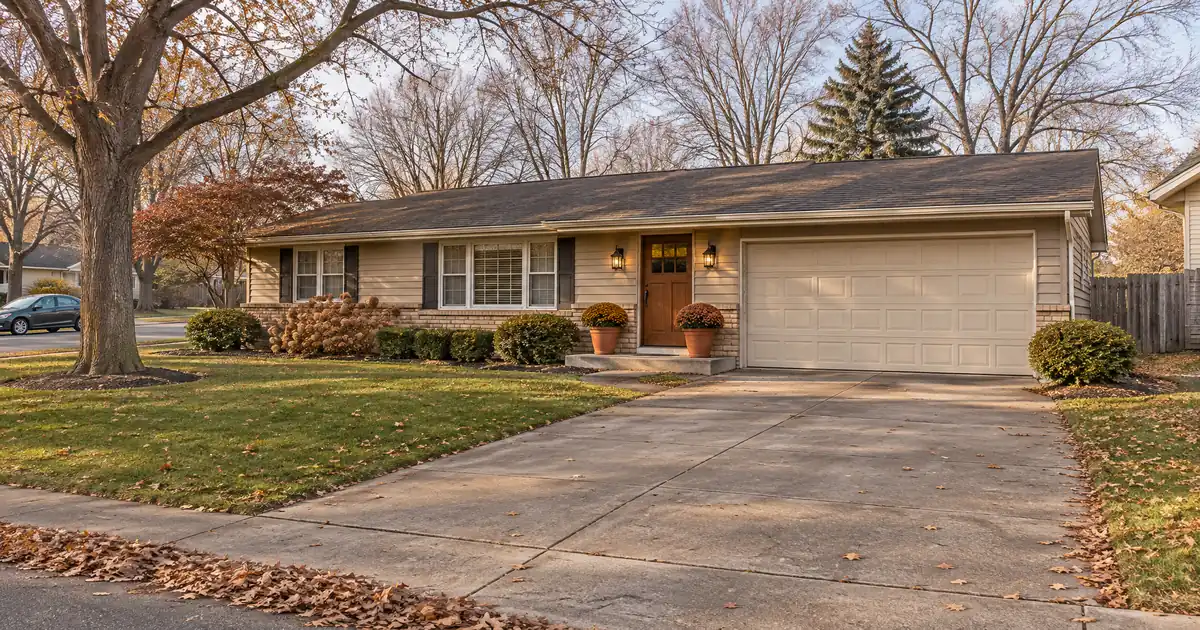
Picture a parent with a paid-down rental and a daughter who just found a house she wants. The equity is sitting right there. The pull is strong. This piece referees both choices: pulling equity now, or waiting and funding the gift another way.
DSCR Cash-Out Calculator
Run the cash-out numbers in your market
Rate source: Freddie Mac 30-yr average via FRED® — Federal Reserve Bank of St. Louis · effective Nov 5, 2026
Prefilled with starting assumptions — enter your property’s value, balance, taxes, and insurance for a more accurate picture.
Program parameters update from Lendmire’s centralized guideline source. Taxes and insurance are editable estimates.
As of Nov 5, 2026 · General Freddie Mac market benchmark, not a Lendmire loan offer. Property value, balance, taxes, and insurance are editable estimates. Maximum loan-to-value varies by lender, program, property type, and seasoning. Not a Loan Estimate, approval, or commitment to lend. Program availability and eligibility are subject to lender guidelines, credit approval, property review, and underwriting.
The Honest Answer: Who Each Option Is For
Cash-out now is for the parent whose rental has real equity, strong coverage, and a clear business use for the proceeds. Waiting is for the parent whose main goal is the gift itself, or whose coverage margin is thin.
Here is the catch. The loan and the gift live in different worlds. DSCR loans are designed for non-owner-occupied investment properties. Because they are business-purpose investor loans, they are reviewed differently from a standard owner-occupied mortgage. Money from that loan is expected to go back into the rental business.
Waiting costs time, and time has a price when your daughter is competing for a home. But a rushed cash-out on a thin file can cost you more than the delay. This is a genuine toss-up for some families. The deciding factors are how much coverage you have to spare and whether you have other liquid funds.
Side-by-Side
The DSCR Cash-Out Now column reflects programs placed through Lendmire’s wholesale network of DSCR lenders. The Wait and Fund the Gift column describes how a gift generally works across the industry, based on published norms. Both vary by lender and file.
| Factor | DSCR Cash-Out Now | Wait and Fund the Gift |
|---|---|---|
| Review basis | Property rent vs. PITIA | Donor’s own savings and assets |
| Documentation | Appraisal, lease, use-of-funds statement | Donor funds trail, gift letter |
| Property types | Eligible rentals only | Not tied to your rental |
| Entity vesting | Personal or LLC, subject to lender program eligibility | Not applicable |
| Leverage | Around 75% LTV cap on standard rentals | No loan on your side |
| Seasoning | About 6 months of ownership | None |
| Reserves | Commonly around 6 months PITIA | Your own cushion stays intact |
| Timeline | Tied to refinance process steps | Depends on how soon savings are available |
| Effect on coverage | Larger loan lowers the ratio | No change |
How a DSCR Cash-Out Actually Works
A DSCR cash-out refinance replaces your current loan with a larger one and pays you the difference. DSCR stands for debt service coverage ratio. It compares the property’s monthly rent to its full monthly payment of principal, interest, taxes, insurance, and any HOA dues (together called PITIA). The loan is reviewed primarily on property-level rental income covering the payment, subject to lender guidelines.
Across the wholesale network, cash-out tops out around 75% LTV on standard rentals. LTV is loan-to-value: the loan balance divided by the property’s value. About 6 months of seasoning is the common expectation. Seasoning is the waiting period between buying a property and refinancing it, measured from title recording. Final terms depend on the lender’s guidelines, the property type, and the borrower’s complete credit picture.
The minimum coverage on standard programs is 1.00, meaning rent equals PITIA. A separate select-lender path takes coverage below 1.00, with leverage and terms adjusted. Stronger ratios open better leverage. Credit matters too. A 620 floor exists in parts of the network, most programs want around 660, and 700 or higher unlocks the strongest tiers. Standard programs run up to $3,000,000, and every figure here is subject to lender guidelines. For the full picture, see the complete DSCR loans guide.
One more thing. Clearing 1.00 is not the same as positive cash flow. DSCR compares rent to PITIA only. Repairs, vacancy, management, utilities, and capital expenses sit outside the calculation.
What You Actually Net
The gross pull is not your cash. The new loan first pays off the old one. Then closing costs come out. Then reserves, commonly around 6 months of PITIA, with about 9 months on loans above $1,500,000. What remains is the cash you can use.
Run the numbers this way, with no dollar figures, just the sequence. Take the value, apply a 75% ceiling, subtract the existing balance, subtract costs, and subtract any reserve requirement. If your daughter’s down payment target is larger than what is left, the cash-out falls short. Check this before the appraisal, not after it. Leverage, reserves, and pricing vary by lender and program; the final terms follow the full file review.
Equity available depends on rent used for lender review, PITIA, reserves, and the leverage ceiling. It is not a guaranteed cash figure.
The Business-Purpose Problem
This is the heart of the comparison. A rental refinance is treated as business-purpose because the property is a rental. Federal truth-in-lending procedures list credit extended primarily for a business, commercial, or agricultural purpose as an exempt transaction. The classification rests on how the money is used, not on the LLC wrapped around the property.
Handing proceeds to a daughter for her home is a personal use. Borrowers typically sign a business-purpose affidavit and often a use-of-funds statement. One check cannot honestly be described as all business if part of it pays personal costs. A mixed draw can put the file’s footing at risk.
A DSCR cash-out is not designed to be gifted straight to a child, and treating it that way invites trouble. That is not a legal opinion. It is a reason to talk with a qualified attorney or tax professional before you try it. Tax treatment varies; consult a qualified professional.
When DSCR Cash-Out Is the Better Fit
Cash-out wins in a few specific situations.
- The cash funds your own next rental. This is the cleanest use. The proceeds stay inside the business, and your gift comes from other liquid funds.
- Your coverage has room to spare. A larger loan raises the payment. If you start near 1.00, the bigger loan may push you under it or limit future cash-out capacity.
- You have a documented business reason. A daughter who co-owns a rental with you, or a properly documented business arrangement, is a different structure from a gift. It needs real substance. It is not a workaround.
- You are not planning to refinance again soon. Most DSCR loans carry a prepayment structure. A one-off refinance for a single gift can be costly if you refinance again early.
When Waiting Is the Better Fit
Waiting wins more often than parents expect.
- The gift is the whole goal. If the money has no business use, fund it from savings, sale proceeds, or accumulated rent cash flow. No new loan, no new prepayment clock, no new payment.
- Your coverage margin is thin. A bigger loan can squeeze coverage and shrink what you can do later.
- The cash-out would fall short anyway. After payoff, costs, and reserves, the net may not reach her target.
- You want to keep leverage flexible. Waiting preserves your equity for the next acquisition, which is where a cash-out belongs.
The cost of waiting is real. Your daughter may lose a house or face competing offers. That cost belongs on the scale. It just does not usually outweigh the risk of a mismatched loan.
What Your Daughter’s Lender Will Want
Whatever route funds the gift, her lender sets its own rules. If she buys a primary residence, Fannie Mae’s guide on personal gifts shows the usual contrast. Gifts may be used on a principal residence or second home. They are not allowed on an investment property. The same page requires a signed gift letter.
A gift letter typically states the amount, says no repayment is expected, and names the donor with address, phone, and relationship. As MGIC explains, acceptable donors usually include relatives by blood, marriage, adoption, or legal guardianship, and not anyone tied to the builder, agent, or another interested party. Parents typically qualify.
If your daughter buys a rental of her own, her lender’s DSCR gift rules differ, and some require the borrower to contribute own funds first. Her lender sets those terms.
A gift is not a loan. If you expect repayment, call it a loan and disclose it. A loan papered as a gift is a problem.
DSCR vs. conventional financing
There are two common ways to finance an investment property, and they qualify you differently — here’s how investors weigh them.
Why investors choose it
- Qualifies on the property’s rental income — no personal tax returns, W-2s, or pay stubs needed to document income.
- No personal debt-to-income ceiling to clear, so existing mortgages and obligations don’t cap your borrowing the same way.
- Can be closed in an LLC, keeping the property inside a business entity.
- Built for scaling — not held to the limit on number of financed properties that conventional financing applies.
- Underwriting centers on the deal: generally qualifies when the rent covers the payment, a 1.00x coverage ratio being a common baseline (confirmed in underwriting).
- Designed specifically for investment property, including long-term and, where the program allows, short-term rentals.
Where it’s strong
- Often the lowest ongoing financing cost for a buyer who fully qualifies on personal income — a fit for a first property or a cost-first purchase.
Trade-offs for investors
- Requires full personal income documentation and must fit within a debt-to-income limit — salary, existing debts, and other mortgages all count.
- Typically held in your personal name rather than a business entity.
- Caps how many financed properties you can carry, which can become a ceiling as a portfolio grows.
- Evaluates you as a borrower as much as the property, which usually means more paperwork.
How investors usually choose: a first or single property often optimizes for the lowest financing cost; portfolio builders often optimize for leverage, vesting in an LLC, and scaling past conventional caps. The right answer depends on your goals, the property, and current guidelines — both paths run through select lenders in Lendmire’s wholesale network, with eligibility and terms confirmed in underwriting.
Gift Tax in One Paragraph
A gift above the annual exclusion generally requires a filing, not a tax bill. Federal gift tax rules set an annual exclusion per recipient and a much larger lifetime basic exclusion amount, and those figures are adjusted over time, so check the current Form 709 instructions before relying on any number. Married couples can split gifts, which requires Form 709.
A Quick Decision Gate
| Question | Leans Cash-Out | Leans Wait |
|---|---|---|
| Does the cash fund your next rental? | Yes | No |
| Is coverage comfortably above your program’s floor? | Yes | Barely |
| Will the net cover the gift target after costs? | Yes | Unclear |
| Could you refinance again within a couple of years? | No | Yes |
| Do you have other liquid funds for the gift? | Yes | No |
Mostly left column means cash-out may fit, with the gift funded separately. Mostly right means waiting is the cleaner call.
The Verdict
Cash-out and waiting are not equal rivals. A DSCR cash-out is a tool for your rental business. A gift to your daughter is a family decision. Mixing them creates classification risk, a thinner coverage ratio, and a prepayment clock, all to solve a timing problem.
For most parents, the balanced answer is this: use cash-out for the next investment, fund the gift from other money, and talk to a tax professional first. If the daughter’s deadline is tight and no other funds exist, the honest conversation is with a lawyer or tax advisor, not a shortcut.
If you are buying or refinancing a rental property and want to see how the numbers work, Lendmire can help you compare DSCR loan options based on the property income, credit profile, leverage, and investor goals. Lendmire is a broker arranging financing through select lenders in its wholesale network, across 41 markets including Washington, D.C. Not a commitment to lend.
Key Terms Defined
- DSCR: the debt service coverage ratio, which compares a property’s monthly rent to its full monthly payment.
- PITIA: principal, interest, taxes, insurance, and association dues, the full monthly obligation on a property.
- LTV: loan-to-value, the loan balance divided by the property’s value.
- Seasoning: the waiting period a lender wants before you refinance a recently bought property.
- Gift letter: a signed statement that money is a gift, with no repayment expected.
- Business-purpose loan: a loan made primarily for a commercial use, such as owning a rental.
Frequently Asked Questions
Can I use DSCR cash-out money to help my daughter buy a home?
Not cleanly. The loan is a business-purpose investor loan, and a gift for her residence is a personal use. You sign a business-purpose statement at the refinance, and using proceeds personally can weaken that classification. Talk with a qualified attorney or tax professional before trying it.
How much of the cash-out do I actually keep?
Less than the gross pull. The payoff, closing costs, and reserves come out first. Cash-out tops out around 75% LTV on standard rentals, and reserves commonly run around 6 months of PITIA. Equity available is not a guaranteed figure.
Does a bigger loan hurt my coverage ratio?
Yes. A larger loan raises the monthly payment, so rent covers it by a smaller margin. If you start near 1.00, you may land under it. Select lenders in the network offer paths below 1.00, with leverage and terms adjusted.
Do I owe tax if I give my daughter a large gift?
Usually not right away. Amounts above the annual exclusion generally require Form 709 reporting and reduce your lifetime exemption. Consult a qualified professional for your situation.
What if my daughter is buying an investment property instead?
Her lender’s rules differ from a primary residence purchase. Some DSCR programs allow family gifts with a borrower contribution first, while conventional guidelines bar gifts on investment property. She should ask her lender early.
For how equity extraction works on an investment property, see Lendmire’s guide to cash-out refinance on an investment property.
About Lendmire
Lendmire — NMLS# 2371349 — is a mortgage brokerage specializing in DSCR investor loans, helping arrange financing across 41 markets, including Washington, D.C., through wholesale and investor-lending channels. The model centers on property-level rental income reviewed by the lender rather than W-2 documentation, subject to lender guidelines, suiting entity-owned and multi-property investors. Lendmire holds Scotsman Guide Top Mortgage Workplace recognition for 2025 and 2026.
Get Started
Ready to find the right loan for you?
See your offer in seconds. No credit pull, no obligation.
Informational only. Not a Loan Estimate, approval, or commitment to lend. Program availability and eligibility are subject to lender guidelines, credit approval, property review, and underwriting.
References
1. CFPB Truth in Lending Act exam procedures
2. Fannie Mae Selling Guide B3-4.3-04, Personal Gifts
3. MGIC, Structuring Mortgage Loans Using Gift Funds
This article is part of Lendmire’s investment property cash-out refinance program — full qualification details, guidelines, and scenarios live on the program page.
Related reading: DSCR Cash-Out Requirements When You’re Unemployed and Have No Pay Stubs · How to Qualify and Apply for a DSCR Cash-Out Refinance Without Bringing Cash to Closing · DSCR Cash-Out Refinance vs Selling a Rental to Fund a Sabbatical
Brandon Miller
Founder & CEO, Mortgage Loan Originator, Lendmire LLC
- Mortgage Loan Originator · NMLS# 1129696 · Verify on NMLS Consumer Access
- North Carolina Real Estate Broker · License# 343312 · Verify on NCREC
- North Carolina Insurance Producer · License# 19053198 · Property, Casualty, Life, Health · Verify on NAIC SBS
- Lendmire LLC · Firm NMLS# 2371349 · Verify firm licensure
Disclosures. The information presented in this article is general market commentary, not financial, legal, or tax advice. Lendmire is a mortgage brokerage (NMLS# 2371349) — not a direct lender or depository institution — and loan placement is subject to lender underwriting. Nothing in this content represents a commitment to lend. Loan terms, pricing, and program availability vary based on borrower qualifications, property characteristics, and state of subject property, and are subject to change at any time. Lendmire complies with Equal Housing Opportunity requirements. Consumer access: nmlsconsumeraccess.org.