
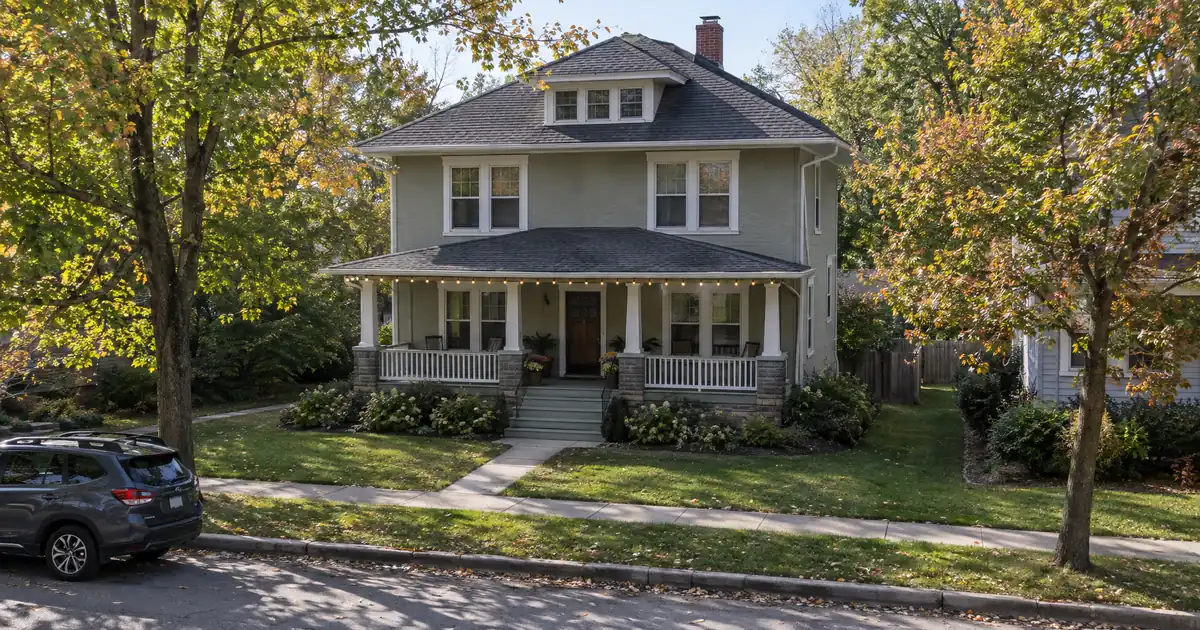
The Quick Read: A modular rental on land you own can work for a DSCR loan when three things are true: the home was built under a state modular code, it sits on a permanent foundation, and the home and land are one piece of real property under a clean recorded deed. Lenders check those gates before they ever calculate coverage. Eligibility stays subject to lender guidelines, credit approval, and property review.
- Classification decides everything. A state modular insignia points to a modular home. A HUD label points to a manufactured home, which falls outside these programs.
- Foundation is proof, not appearance. Expect permits, final inspection, and a certificate of occupancy.
- Title must be clean. One vesting deed, no open mechanic’s liens, and a title search that matches the survey.
- Coverage comes last. Typical purchase leverage runs 75%-80% LTV, and 1.00 is where select programs start. Final terms depend on the lender’s guidelines, the property type, and the borrower’s complete credit picture.
Most investors assume the hard part of a modular rental is the rent math. It isn’t. The hard part is paperwork that proves what the house is. This guide walks through that proof in order, step by step, and shows where files tend to stall. Lendmire is a DSCR-focused mortgage broker that arranges these loans through select lenders in its wholesale network across 41 markets, including Washington, D.C.
DSCR Calculator
Run the numbers in your market
Rate source: Freddie Mac 30-yr average via FRED® — Federal Reserve Bank of St. Louis · effective Oct 15, 2026
Prefilled with starting assumptions — enter your own rent or nightly figures, taxes, insurance, and HOA for a more accurate picture.
Program parameters update from Lendmire’s centralized guideline source. Taxes and insurance are editable estimates.
As of Oct 15, 2026 · General Freddie Mac market benchmark, not a Lendmire loan offer. Rent, nightly rate, occupancy, taxes, and insurance are editable estimates. Short-term rental figures are estimates only and vary significantly by season, property type, management approach, and local short-term-rental rules — confirm local regulations before relying on them. Qualifying income for short-term rentals varies by program — some use appraisal market rent, others use documented STR history or projections — and is confirmed in underwriting. Not a Loan Estimate, approval, or commitment to lend. Program availability and eligibility are subject to lender guidelines, credit approval, property review, and underwriting.
Modular, Manufactured, Panelized: What Is the Difference?
The deciding question is which code the home was built under. How permanent the home looks doesn’t matter.
A modular home is built in sections in a factory, then trucked to the lot and set on a foundation. Each module typically gets a state insignia from the state where it was built, under that state’s modular building program, per ModularHomes.fyi. A manufactured home is different. It carries a red HUD certification label on each transportable section.
Why does that matter to a lender? Manufactured homes (single- and double-wide), log homes, and barndominiums are not offered in the DSCR programs across our network. A modular home built to state code is a separate property type. So the first job is proving which one you have.
| Factor | Modular | Manufactured |
|---|---|---|
| Built under | State modular code | HUD code |
| Label | State insignia | Red HUD label |
| Foundation | Permanent, set by local code | Not offered in these programs |
| Typical title status | Real property | Often starts as personal property |
| DSCR network treatment | Reviewed as a property type | Not offered |
Panelized and kit homes are a third category, built on site from factory-made panels. They follow local building code like a site-built home, so they are reviewed that way.
How Lenders Read the Data Plate
Look at the plate inside the home. A plate that mentions HUD anywhere marks a manufactured home. A modular plate may instead show a state modular label number, a third-party certification number, design loads, and the inspecting agency. The North Carolina Office of State Fire Marshal publishes a memo with these clues. It reflects one state’s practice, so treat it as an example, not a national rule.
Appearance fools people. Brick skirting, a pitched roof, and a porch tell a lender nothing. It can also be a shock to a seller who believes the home is modular when the lender and appraiser decide it is manufactured, as ModularHome.org notes. That reclassification can end a deal that had strong rent and strong equity.
Foundation Rules: What the File Needs to Show
A modular home is placed on a permanent foundation: a slab, crawl space, or full basement. There is no chassis to remove.
For a modular, underwriters usually look for this proof:
- Building permit and final inspection. These show the foundation met local code.
- Certificate of occupancy. This shows the home is finished and habitable.
- State insignia photos and the manufacturer’s data plate. These prove classification.
- Foundation certification. Some lenders ask for one; others rely on the inspection record.
One caution on borrowed standards. HUD’s Permanent Foundations Guide for Manufactured Housing, cited in a HUD USER review, is a manufactured-housing benchmark. It does not govern a modular foundation, which follows local building code. If a lender asks for it on a true modular, say so politely and send the permit trail instead.
Title Rules: From Land Deed to Real Property
Modular homes are generally treated as real property once installed, according to a Colorado title-industry explainer. That is why a modular on owned land usually skips the “de-titling” step a manufactured home needs. Don’t assume it, though. Confirm it on the recorded documents.
Here is the sequence a clean file follows:
1. Own the land free and clear of surprises. A title search checks the legal description, easements, liens, and vesting.
2. Set the home and finish the foundation tie-in and utilities.
3. Record any required update so the land and home read as one parcel. Recording rules vary by state and county.
4. Buy title insurance. The lender’s policy protects the lender’s first-position lien. The owner’s policy protects you, as BatchData explains.
Closing files should not include a HUD Manufacturer’s Certificate of Origin used as a vehicle-style title. If one shows up, that is a classification red flag.
Common title problems on modular sets include unreleased mechanic’s liens, improper recording of the installation, and a foundation placed over a lot line, per Mile High Title Guy. A survey catches the lot-line issue early.
The Lien Trap on Factory-Built Homes
Modules are built and often paid for off-site. That creates lien exposure. Suppliers or contractors can file liens against the property even for work done off-site, according to another Colorado title explainer. Deadlines vary by state. A Utah title company notes that contractors there can still file liens after you close, per Prospect Title. That is one state’s rule, not a national one.
Practical safeguards:
- Collect lien waivers from every contractor and supplier.
- Order a survey.
- Ask your title company about extended or gap mechanic’s lien coverage.
Title insurance also does not cover construction defects. It covers title defects, lien priority, access, legal description, and vesting. A cracked foundation is a builder problem, not a title claim.
Vesting: Personal Name or LLC?
Many investors want the rental in an LLC. That is common, and it is allowed subject to lender program eligibility. The trap is timing. If you move the land into an LLC after the home is set, you may trigger new title work and recorded transfers, and any existing loan could have a transfer clause. Decide the vesting before you apply, and have the land and home titled the same way on the final deed.
If a construction or bridge loan is still open on the property, plan for its payoff at the DSCR closing. The payoff and lien releases need to line up in the title commitment.
Appraisal and Rent Support
Modular homes are generally appraised on the same form as site-built homes, per Prefab.com. Rentals add a rent schedule. Comparable sales can be thin, because modular sales are fewer and are sometimes not labeled correctly in the MLS, as a county appraisal district blog observes. That blog is older, so read it as a general caution.
Thin comps raise a practical risk: a low appraisal can cut the loan amount even when the rent is fine. Ask the builder for the insignia photos and contract details, and give the appraiser every document that proves the home is modular.
Then the DSCR Math
Only after the gates clear does the coverage test matter. DSCR divides monthly rent by the full housing payment: principal, interest, taxes, insurance, and any association dues. Our complete DSCR loans guide covers the formula in depth.
Across our network, most purchase files land at 75%-80% LTV (loan-to-value, the loan as a share of the home’s value). Cash-out refinances top out around 75% LTV on standard rentals. Credit floors start at 620 in parts of the network, most programs want about 660, and 700+ opens the strongest leverage. Reserves, meaning cash left after closing, commonly run about 6 months of PITIA (the full payment including taxes and insurance), stepping up to about 9 months above $1,500,000. All of this is subject to lender guidelines.
Coverage works like this: 1.00 is where many select programs start. A separate select-lender path accepts coverage below 1.00, with leverage and terms adjusted. Stronger ratios open better pricing and leverage.
Remember what the number does not say. Clearing 1.00 is not positive cash flow. Repairs, vacancy, management, utilities, and capex all sit outside the calculation.
Where the General Rule Breaks
On-frame modulars. Some modular homes are built on a steel frame. How a given lender treats on-frame units varies, so check before you pay for an appraisal.
CrossMod units. A CrossMod still has a steel chassis and HUD label. That makes it a manufactured home, not a modular. It is not offered in these programs.
Odd data plates. Some plates read “Approved Modular Unit” or use an HUD-style layout. These are low-authority signals. The cure is a manufacturer or state-agency letter confirming classification.
Park models and ADUs. Park model RVs are generally treated as vehicles or personal property. A detached off-site-built ADU follows state or local building code and is real property. Eligibility of either as collateral depends on the program.
Wrong county records. County property records can label a home incorrectly. If yours does, fix it before application.
DSCR vs. conventional financing
There are two common ways to finance an investment property, and they qualify you differently — here’s how investors weigh them.
Why investors choose it
- Qualifies on the property’s rental income — no personal tax returns, W-2s, or pay stubs needed to document income.
- No personal debt-to-income ceiling to clear, so existing mortgages and obligations don’t cap your borrowing the same way.
- Can be closed in an LLC, keeping the property inside a business entity.
- Built for scaling — not held to the limit on number of financed properties that conventional financing applies.
- Underwriting centers on the deal: generally qualifies when the rent covers the payment, a 1.00x coverage ratio being a common baseline (confirmed in underwriting).
- Designed specifically for investment property, including long-term and, where the program allows, short-term rentals.
Where it’s strong
- Often the lowest ongoing financing cost for a buyer who fully qualifies on personal income — a fit for a first property or a cost-first purchase.
Trade-offs for investors
- Requires full personal income documentation and must fit within a debt-to-income limit — salary, existing debts, and other mortgages all count.
- Typically held in your personal name rather than a business entity.
- Caps how many financed properties you can carry, which can become a ceiling as a portfolio grows.
- Evaluates you as a borrower as much as the property, which usually means more paperwork.
How investors usually choose: a first or single property often optimizes for the lowest financing cost; portfolio builders often optimize for leverage, vesting in an LLC, and scaling past conventional caps. The right answer depends on your goals, the property, and current guidelines — both paths run through select lenders in Lendmire’s wholesale network, with eligibility and terms confirmed in underwriting.
Problem and Fix
| What the lender flags | How to fix it |
|---|---|
| No insignia or plate photos | Get a manufacturer or state letter |
| No certificate of occupancy | Finish inspection and obtain it |
| Open mechanic’s lien | Collect waivers, record releases |
| Home not tied to land title | Record the required update |
| Foundation over a lot line | Survey, then cure with the neighbor |
| HUD label on the home | Property type is not offered |
Walkthrough: Land to Loan
Picture an investor who owns an acre outright and buys a two-section modular. The builder supplies insignia photos and the data plate. The county issues the permit, inspects the foundation, and grants a certificate of occupancy. The investor collects lien waivers, orders a survey, and records the deed update. A title company issues a lender’s policy and an owner’s policy.
Now the lender runs coverage. Say the appraiser’s rent schedule supports rent that covers the payment at roughly 1.2x. At 75% LTV on a purchase-style valuation, that file is reviewed on its merits. It still faces credit, reserve, and appraisal review. Nothing here is approved until a lender says so. Each figure is subject to lender guidelines and a complete review of property type, leverage, and credit.
For the paperwork side in more detail, see Lendmire’s piece How to Document a Modular Rental on Owned Land for a DSCR Loan.
When It Won’t Work
If the home carries a HUD label, it is manufactured, and it will not fit these DSCR programs no matter how solid the foundation is. A permanent foundation does not turn an HUD-code home into a modular. If the classification is murky and can’t be documented, the property may not be eligible. In that case, a different property or a different loan type is the honest answer.
Key Terms Defined
Modular home: A factory-built home set on a permanent foundation and built to state or local building code.
Manufactured home: A factory-built home built to the federal HUD code, carrying a red HUD label.
Insignia: The state label showing a module passed a state modular program.
Vesting: How the deed names the owner, such as a person or an LLC.
Mechanic’s lien: A claim by a contractor or supplier who says they weren’t paid for work on the property.
PITIA: Principal, interest, taxes, insurance, and association dues, the full monthly housing payment.
Frequently Asked Questions
Can a modular home qualify for a DSCR loan?
Often yes, when it is built under a state modular code, sits on a permanent foundation, and is real property on owned land. It is reviewed as a property type, and eligibility depends on lender guidelines, credit, and the appraisal. Manufactured homes are not offered in these programs.
Do I need to de-title a modular home?
Usually not. Modular homes are generally treated as real property once installed. Still, confirm that the land and home read as one parcel on the recorded deed, because recording rules vary by state and county.
What leverage should I expect on a modular rental?
On most files, purchases run 75%-80% LTV and cash-out refinances top out around 75% LTV. Select lenders may adjust leverage and terms for a modular. Every file is underwritten individually.
Can I hold the property in an LLC?
Yes, subject to program terms. Settle the vesting before you apply, so the final deed matches the loan documents and you avoid extra transfers.
Does a bigger down payment fix a foundation or title problem?
No. More equity can lift coverage, but it never erases property eligibility rules, credit floors, or reserve requirements. Strong files clear both tests: enough equity and enough rental coverage. Leverage, reserves, and pricing vary by lender and program; the final terms follow the full file review.
If you are buying or refinancing a rental property and want to see how the numbers work, Lendmire can help you compare DSCR loan options based on the property income, credit profile, leverage, and investor goals. Reach the team at 828-256-2183 or request a quote.
Tax treatment varies; consult a qualified professional.
The cleanest modular file is the one where every document is in hand before the appraiser arrives.
For current guidelines and terms, see Lendmire’s DSCR loan programs page.
About Lendmire
A DSCR-focused mortgage broker, Lendmire (NMLS# 2371349) places investor financing across 41 markets — 40 states plus Washington, D.C. — with DSCR eligibility generally reviewed by the lender on property cash flow instead of tax returns, subject to lender guidelines. Scotsman Guide named Lendmire a Top Mortgage Workplace in 2025 and 2026.
Get Started
Ready to find the right loan for you?
In about 30 seconds you can review financing options available for your investment property. No commitment required.
Informational only. Not a Loan Estimate, approval, or commitment to lend. Program availability and eligibility are subject to lender guidelines, credit approval, property review, and underwriting.
References
1. ModularHomes.fyi – codes and labels
2. NC Office of State Fire Marshal – Factory Built Home ID memo
4. HUD USER – Review of Manufactured Housing Installation Standards
5. Colorado title-industry explainer
6. BatchData – title insurance on new construction
8. Mile High Title Guy – modular multifamily
9. Prospect Title – new-construction title
10. Prefab.com
11. County appraisal blog – manufactured vs modular
This article is part of Lendmire’s DSCR loan program — full qualification details, guidelines, and scenarios live on the program page.
Related reading: Can a DSCR Lender Reconsider the Value of a Rural Rental Appraisal? · DSCR Rent Rules for an Airbnb Switching to Long-Term Rental · How Much Each Lever Lifts a DSCR on a Furnished Rental
Brandon Miller
Founder & CEO, Mortgage Loan Originator, Lendmire LLC
- Mortgage Loan Originator · NMLS# 1129696 · Verify on NMLS Consumer Access
- North Carolina Real Estate Broker · License# 343312 · Verify on NCREC
- North Carolina Insurance Producer · License# 19053198 · Property, Casualty, Life, Health · Verify on NAIC SBS
- Lendmire LLC · Firm NMLS# 2371349 · Verify firm licensure
Disclosure information. Lendmire is a state-licensed mortgage brokerage under NMLS# 2371349. Lendmire is not a depository institution, direct lender, or financial advisor — all loans referenced are placed through wholesale lender partners and are subject to each lender's underwriting standards. This article is provided for general informational purposes and is not a commitment to lend, nor does it constitute financial, legal, or tax advice. Loan programs, terms, rates, and qualification standards change without notice and depend on borrower profile, property type, and the state in which the subject property is located. Equal Housing Opportunity provider. NMLS Consumer Access: nmlsconsumeraccess.org.