
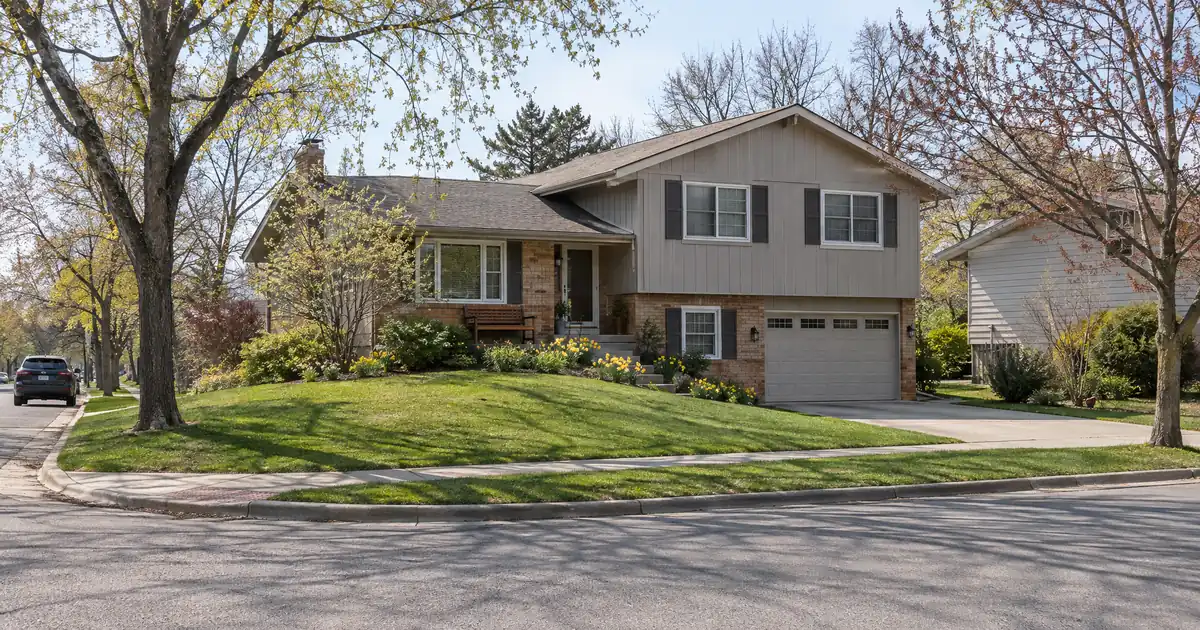
The Quick Read: Rent-ready means a tenant could move in tomorrow without repairs: working systems, no safety defects, and a property that is legal to rent. No regulator writes this definition for DSCR loans. Each lender sets its own standard, and the appraiser’s condition findings are how the file proves it.
- Vacancy alone is not the problem on a purchase. Unrentable condition is.
- With no lease, the appraiser’s market rent is the rent figure in the ratio.
- Utilities need to be on so the appraiser can confirm the systems work.
- A “subject-to” appraisal means repairs must be finished and re-inspected first.
- If the property needs real work, the usual path is a short-term rehab loan first, then a DSCR refinance.
You are looking at a vacant house, duplex, or fourplex. You want to know what a DSCR lender will call “ready.” Fair question, because the answer decides whether your appraisal comes back clean or comes back with a repair list.
DSCR Calculator
Run the numbers in your market
Rate source: Freddie Mac 30-yr average via FRED® — Federal Reserve Bank of St. Louis · effective Oct 15, 2026
Prefilled with starting assumptions — enter your own rent or nightly figures, taxes, insurance, and HOA for a more accurate picture.
Program parameters update from Lendmire’s centralized guideline source. Taxes and insurance are editable estimates.
As of Oct 15, 2026 · General Freddie Mac market benchmark, not a Lendmire loan offer. Rent, nightly rate, occupancy, taxes, and insurance are editable estimates. Short-term rental figures are estimates only and vary significantly by season, property type, management approach, and local short-term-rental rules — confirm local regulations before relying on them. Qualifying income for short-term rentals varies by program — some use appraisal market rent, others use documented STR history or projections — and is confirmed in underwriting. Not a Loan Estimate, approval, or commitment to lend. Program availability and eligibility are subject to lender guidelines, credit approval, property review, and underwriting.
This article walks through the definition, who decides, how the file handles it step by step, and where lenders differ. It draws on how files move across Lendmire’s wholesale network, a set of DSCR lenders the brokerage places loans with. DSCR means debt service coverage ratio: the property’s rent divided by its monthly housing obligation. The complete DSCR loans guide covers the basics.
Key Terms Defined
Rent-ready: A property a tenant could occupy now, with working systems and no health or safety defects.
Market rent: The rent an appraiser estimates the property would earn, based on comparable rentals nearby.
PITIA: Principal, interest, taxes, insurance, and any association dues. It is the monthly obligation in the DSCR formula.
As-is appraisal: A report that values and rates the property in its current condition.
Subject-to appraisal: A report that assumes specified repairs get finished. A completion check follows.
Condition rating: The appraiser’s C1 through C6 score of the property’s physical state.
What Does Rent-Ready Mean to a DSCR Lender?
Rent-ready is a functional test, not a cosmetic one. Could a tenant live here safely today? If yes, the property usually passes. If a system is dead, a safety item is broken, or the home is not habitable, it usually does not.
The reason is simple. A DSCR loan qualifies primarily on property-level rental income covering the payment, subject to lender guidelines. That income has to be believable. A house that cannot be rented next week cannot support a rent number.
Vacancy by itself is not the disqualifier. A turnkey vacant purchase is routine across most programs we place files with. Think of a clean single-family home with fresh paint, working systems, and no lease yet. The appraiser’s market rent stands in for the lease.
Who Decides?
Three people touch the question, and they do not always agree.
| Who | What they decide |
|---|---|
| Appraiser | Condition rating, repair flags, market rent |
| Underwriter | Whether the report supports the loan |
| Lender overlay | The program’s own condition cutoff |
The appraiser sees the property first. The underwriter reads the report against the program’s rules. The lender’s own overlay sets the line. That last piece is why the same house can pass with one lender and stall with another. Across the network, the strictest programs want a clean condition story. A few are more flexible on dated finishes.
How the Appraisal Documents It
Appraisers use a common vocabulary here, borrowed from the agency world. DSCR loans are not agency loans, but the forms and scales are familiar and useful.
For a single-family home, the rent opinion usually comes on a rent schedule. Freddie Mac’s Form 1000, which matches Fannie Mae’s Form 1007, gives the appraiser a grid of comparable rentals and a final reconciliation of market rent. It also asks for comments on the rent range, vacancy, and trends. For a two-to-four unit property, the equivalent is Form 1025, which carries rent per unit.
For contrast, Fannie Mae’s Selling Guide requires Form 1007 on one-unit investment properties when rental income is used to qualify. That is agency practice. DSCR lenders borrowed the form, not the rulebook.
The condition rating works the same way. Appraisers score a property from C1 to C6. Per the agency condition and quality rating definitions, ratings describe physical condition on an absolute basis, not relative to neighbors. A C6 means the home is not suitable for occupancy, such as one with an active roof leak.
Here is the catch. No universal cutoff exists for DSCR files. Each program picks its own line on the scale. Ask your loan officer what the program wants before you order the appraisal.
The Step-by-Step Path on a Vacant Purchase
1. Contract. You sign a purchase contract on a vacant property. No lease is needed on a purchase.
2. Appraisal ordered. The appraiser gets the rent schedule form along with the value report.
3. Inspection. Utilities should be on. The appraiser needs to run the systems and confirm they work.
4. Condition and repair flags. The appraiser rates the property and notes health, safety, or habitability defects.
5. Rent set. With no lease, market rent is the only rent figure. DSCR is that rent divided by PITIA.
6. Underwriting. The lender reviews the appraisal, entity documents if the property sits in an LLC (subject to lender program eligibility), reserve statements, insurance, title, and a business-purpose statement.
7. Outcome. The appraisal is either as-is and clean, or subject-to repairs.
With a lease in place, many programs use the lower of lease rent or market rent. That is a common convention, not a universal rule. An above-market lease will not lift your ratio.
Cosmetic vs. Disqualifying
The line is simpler than most investors fear. Worn finishes are tolerable. Missing function is not.
| Usually tolerable | Usually a problem |
|---|---|
| Dated cabinets and fixtures | Missing kitchen or bathroom |
| Worn paint or carpet | No working heat or HVAC |
| Scuffed floors | Active roof or plumbing leaks |
| Older but working appliances | Utilities off or unavailable |
| Tired landscaping | Mold, pests, broken windows |
| Aging systems still working | Missing smoke detectors or handrails |
The gray zone is “functional but tired.” A water heater at the end of its life still works. A roof with years left but obvious wear still sheds water. Appraisers and lenders differ most on exactly these items. Expect a case-by-case call.
Rent-ready is a habitability and safety test. Fresh paint does not offset a missing system.
DSCR vs. conventional financing
There are two common ways to finance an investment property, and they qualify you differently — here’s how investors weigh them.
Why investors choose it
- Qualifies on the property’s rental income — no personal tax returns, W-2s, or pay stubs needed to document income.
- No personal debt-to-income ceiling to clear, so existing mortgages and obligations don’t cap your borrowing the same way.
- Can be closed in an LLC, keeping the property inside a business entity.
- Built for scaling — not held to the limit on number of financed properties that conventional financing applies.
- Underwriting centers on the deal: generally qualifies when the rent covers the payment, a 1.00x coverage ratio being a common baseline (confirmed in underwriting).
- Designed specifically for investment property, including long-term and, where the program allows, short-term rentals.
Where it’s strong
- Often the lowest ongoing financing cost for a buyer who fully qualifies on personal income — a fit for a first property or a cost-first purchase.
Trade-offs for investors
- Requires full personal income documentation and must fit within a debt-to-income limit — salary, existing debts, and other mortgages all count.
- Typically held in your personal name rather than a business entity.
- Caps how many financed properties you can carry, which can become a ceiling as a portfolio grows.
- Evaluates you as a borrower as much as the property, which usually means more paperwork.
How investors usually choose: a first or single property often optimizes for the lowest financing cost; portfolio builders often optimize for leverage, vesting in an LLC, and scaling past conventional caps. The right answer depends on your goals, the property, and current guidelines — both paths run through select lenders in Lendmire’s wholesale network, with eligibility and terms confirmed in underwriting.
Pre-Appraisal Readiness Checklist
Fix the cheap items before the appraiser walks through. They are the ones that trigger a subject-to report.
- Utilities on: power, water, and gas where applicable.
- Smoke and carbon monoxide detectors installed.
- Handrails and railings secure.
- Windows intact and latching.
- No active leaks under sinks, at the roof, or around the water heater.
- Heat and cooling run when tested.
- Kitchen and bath fully functional.
- No debris, pest signs, or visible mold.
- Rent comps pulled, so you know what the rent schedule should support.
Worked Scenarios
These are modeled examples, not market data.
The clean vacant single-family. Fresh paint, working systems, utilities on. The appraiser rates the condition well and supports market rent with comparable rentals. This is the textbook vacant purchase. The remaining question is whether the coverage ratio clears the program’s floor. 1.00 is where many select programs start. A separate select-lender path takes coverage below 1.00 with leverage and terms adjusted.
The missing appliances and dead heat. The house looks decent, but the furnace does not run. The appraiser flags it and writes the report subject-to repair. You fix the furnace, document it, and the appraiser re-inspects. The deal works, but your timeline stretches and your carrying costs run in the meantime.
The mid-rehab shell. Open walls, no kitchen, half the floors up. This does not fit a DSCR loan. It is not rentable, so there is no credible rent. The usual path is short-term rehab financing, then a DSCR refinance once the work is complete and the property is reappraised.
The partly vacant fourplex. Two units leased, two empty. Some programs substitute market rent for the empty units. Others count only leased units, which can cut coverage sharply. Treat this as program-specific and ask before you go under contract.
Purchase vs. Refinance vs. Partial Vacancy
| Situation | Typical treatment |
|---|---|
| Vacant purchase | Market rent from the appraisal, if turnkey |
| Vacant refinance | Varies: some accept market rent, some want a lease |
| Partly vacant 2–4 unit | Varies by program |
Vacant refinances do not work like vacant purchases. On a refinance, some programs want a signed lease before they will proceed. Others accept a rent-ready vacant property on market rent. Vacant multifamily refinance units must generally be rent-ready. On cash-out refinances, leverage tops out around 75% LTV across most of the network, and about 6 months of seasoning is the common expectation.
Short-term rentals run on a different track. The agency rent form is built around monthly rent, not nightly projections. Short-term rental programs typically want about 12 months of hosting history, so a vacant property with no track record is a harder fit. Short-term rental rules can vary by city, county, HOA, and property type, so investors should confirm local rules before relying on projected rental income.
If It Isn’t Rent-Ready
You have three options.
Cure it before closing. Negotiate repair credits or seller repairs for small items. Finish the work, document it with invoices and photos, and have the appraiser confirm completion. That completion step is typically a Form 1004D, which Fannie Mae’s form list identifies as the appraisal update and completion report.
Use a rehab loan first. If the work is substantial, short-term rehab financing gets the property to rentable condition. Then you refinance into DSCR financing. This is the standard BRRRR route. For a related situation, see Lendmire’s piece How a DSCR Lender Reads Rent on a Recently Converted Rental Property.
Walk away. Sometimes the repair bill and carrying costs erase the deal. That is a legitimate answer.
What Passing Does and Doesn’t Mean
Clearing the ratio is not the same as positive cash flow. DSCR compares rent to PITIA only. Repairs, vacancy, management, utilities, and capex sit outside the calculation. A vacant property is exactly where those costs bite first.
The rent opinion is the lever. On a vacant purchase there is no lease to argue with, so the appraiser’s figure sets the ratio. Condition feeds that opinion because the form adjusts for age and condition. Check rent comps before you go under contract, not after.
A bigger down payment can lift the ratio by shrinking the payment. It does not erase the property condition test, credit floors, reserve rules, or leverage caps. Typical purchase leverage runs 75%–80% LTV on most files, and select programs reach higher. Credit floors start around 620 in parts of the network, most programs want about 660, and 700-plus opens the strongest tiers. Reserves commonly run about 6 months of PITIA, stepping up to about 9 months on loans above $1,500,000. All of it is subject to lender guidelines. Not offered at all: manufactured homes, log homes, and barndominiums.
Common Mistakes
- Assuming vacant means ineligible. On a purchase, turnkey vacant is routine.
- Ordering the appraisal with utilities off.
- Skipping cheap safety fixes that trigger a subject-to report.
- Believing a high rent hope will beat the appraiser’s comps.
- Treating a mid-rehab property as a DSCR candidate.
- Assuming every lender uses the same condition cutoff.
Questions to Ask Your Lender First
- What condition rating or condition standard does the program accept?
- Do you require utilities on at the appraisal?
- On a refinance, do you need a lease, or will market rent work?
- How do you count empty units in a 2–4 unit building?
- What happens if the appraisal comes back subject-to?
If you are buying or refinancing a rental property and want to see how the numbers work, Lendmire can help you compare DSCR loan options based on the property income, credit profile, leverage, and investor goals. Call 828-256-2183 or request a quote. Tax treatment varies; consult a qualified professional.
Frequently Asked Questions
Does a vacant property qualify for a DSCR loan?
Often yes on a purchase, if the property is turnkey. The appraiser’s market rent replaces a lease in the ratio. Vacant refinances are less uniform, so ask the program first. Qualification is subject to lender guidelines, credit approval, and property review.
Will the appraiser fail the property for paint and flooring?
Generally no. Worn finishes are cosmetic. Missing systems, active leaks, and safety defects are what trigger repair conditions or a poor condition rating.
Do utilities need to be on?
Typically yes. The appraiser has to confirm that heat, plumbing, and electrical work. Turning them on before the visit avoids a subject-to report.
Can I move in temporarily?
No. DSCR loans are designed for non-owner-occupied investment properties. Because they are business-purpose investor loans, they are reviewed differently from a standard owner-occupied mortgage.
Why did another lender accept a different standard?
The appraisal vocabulary is shared, but the pass line is not. That is why a broker who sees many programs can match a property to the right one.
About Lendmire
As a non-QM mortgage broker (NMLS# 2371349), Lendmire facilitates DSCR investor loans across 41 markets, including Washington, D.C. DSCR eligibility is generally reviewed around property-level rental income instead of personal income documentation, subject to lender guidelines, serving LLC-structured portfolios and self-employed borrowers who don’t fit conventional boxes. A two-time Scotsman Guide Top Mortgage Workplace (2025, 2026).
Get Started
Ready to find the right loan for you?
In about 30 seconds you can review financing options available for your investment property. No commitment required.
Informational only. Not a Loan Estimate, approval, or commitment to lend. Program availability and eligibility are subject to lender guidelines, credit approval, property review, and underwriting.
References
1. Freddie Mac Form 1000 / Fannie Mae Form 1007
2. Fannie Mae Selling Guide B4-1.2-01
This article is part of Lendmire’s DSCR loan program — full qualification details, guidelines, and scenarios live on the program page.
Related reading: How a Founder Uses IO Paydowns to Shrink a DSCR Reset · Does a DSCR Lender Use IO or Amortizing Payments on a 2-4 Unit Rental? · Can a Luxury Condo Buyer Get One DSCR Lender for Four Tower Units?
Brandon Miller
Founder & CEO, Mortgage Loan Originator, Lendmire LLC
- Mortgage Loan Originator · NMLS# 1129696 · Verify on NMLS Consumer Access
- North Carolina Real Estate Broker · License# 343312 · Verify on NCREC
- North Carolina Insurance Producer · License# 19053198 · Property, Casualty, Life, Health · Verify on NAIC SBS
- Lendmire LLC · Firm NMLS# 2371349 · Verify firm licensure
Compliance and disclosures. Lendmire (NMLS# 2371349) is a licensed mortgage broker and is not a direct lender, depository institution, financial advisor, or tax professional. Content in this article is general market analysis and educational information — not financial, legal, or tax advice for any specific situation. Lendmire does not guarantee loan approval; every transaction is subject to underwriting by the funding lender. Mortgage pricing and loan program guidelines are subject to change at any time without notice and vary by borrower characteristics, property type, and state regulations. Lendmire complies with Equal Housing Opportunity. Licensure verification: NMLS Consumer Access.