
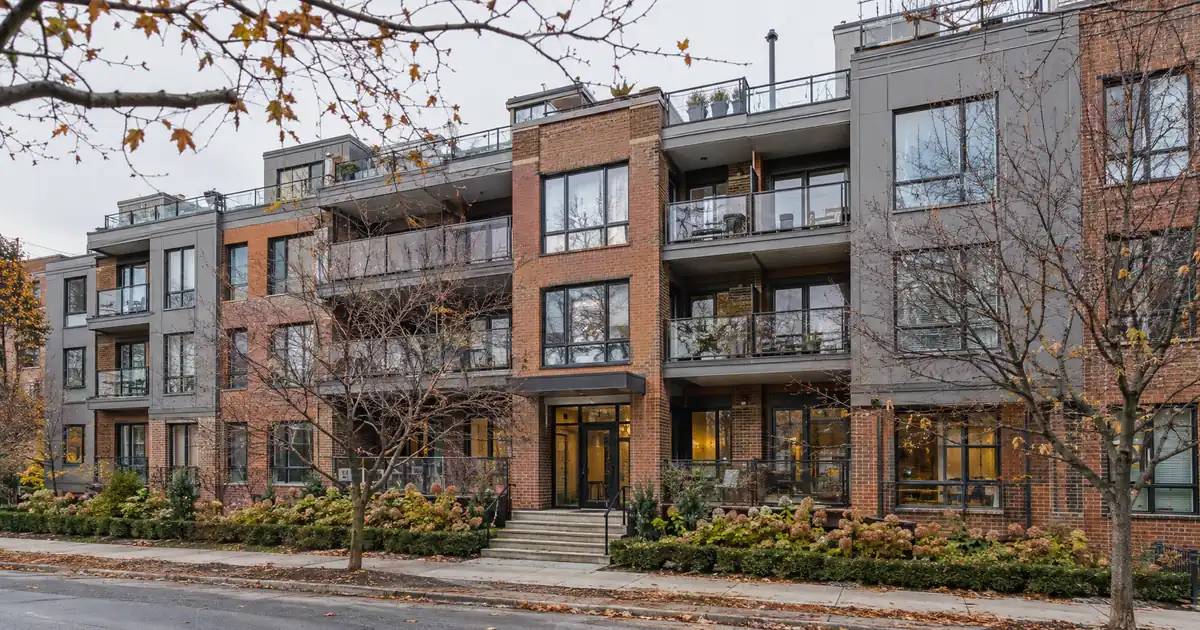
The Quick Read: A portfolio DSCR lender underwrites each condo on its own rent against its own full monthly obligation, association dues included. It then adds a second layer: how much of the building you will own, and how much total debt the lender will carry in that one project. Each added unit moves both numbers, so the third condo in a building is a different conversation than the first. Lenders set these limits themselves, so they vary from file to file.
- The lender reviews the building (finances, litigation, investor mix), not just your unit.
- Total exposure to one project is usually a dollar limit, not a unit count.
- A blanket loan pools coverage across units. Separate loans keep each unit on its own footing.
- Building status can change mid-deal, so sequence your purchases with that in mind.
What Is a Portfolio DSCR Lender, and Why Does It Matter Here?
A portfolio DSCR lender sets its own rules for condo projects and keeps its own risk limits. It does not need a building to match a standard agency checklist. That flexibility is why condos with heavy investor ownership can still be financed. It is also why the lender watches its own concentration closely.
Across the wholesale network Lendmire works with, the pattern repeats. Most programs treat the condo project as part of the risk. The unit’s rent is only half the file.
Key Terms Defined
- DSCR: The ratio of a property’s monthly rent to its full monthly housing obligation.
- PITIA: Principal, interest, taxes, insurance, and association dues, the obligation in the DSCR denominator.
- Portfolio lender: A lender that sets its own guidelines and manages its own exposure instead of following one outside standard.
- Warrantable condo: A project that meets conventional-agency eligibility standards for ownership mix, finances, and litigation.
- Non-warrantable condo: A project that misses those standards. It is a financing label, not a verdict on the building’s quality.
- Single-entity concentration: The share of a building’s units owned by one person or related entities.
- Blanket note: One loan that covers several properties under a single note.
- Exposure limit: The most a lender will hold in one building or with one borrower, usually in dollars.
How the Lender Reads One Unit
A single condo is a simple test. Take the rent the unit supports, then divide by principal, interest, taxes, insurance, and HOA dues. The result is the coverage ratio.
Dues matter more than new investors expect. They sit inside the denominator, so a high-dues building can pull a unit’s coverage down even when the rent looks strong. Across our network, most programs want to see 1.00 or better on the unit, and that is a floor for specific programs rather than a universal standard. Stronger ratios generally open better pricing and leverage.
Clearing 1.00 does not mean the unit cash-flows. Repairs, vacancy, management, utilities, and capital costs sit outside the calculation.
For a purchase, most files land at 75%–80% LTV on an investment property, subject to lender guidelines. Credit floors start near 620 in parts of the network, most programs want around 660, and 700 or higher opens the strongest leverage tiers. Reserves commonly run about six months of PITIA, with a step up to about nine months on larger loans.
What Changes When You Own Several Units in One Building
The unit test does not change. Everything around it does. Each added unit raises two things in the lender’s view: your share of the project and the project’s investor mix.
Picture an investor who already owns one unit and is buying a second in the same building. The lender asks what the borrower and related entities would own after closing. It also asks what its own total balance in the project would be.
As the share grows, a lender can respond in several ways:
- Lower the allowed leverage on the new unit.
- Add conditions to the approval.
- Limit its total exposure to that one building.
- Decline the additional unit.
A practitioner source notes that some non-QM lenders worry about risk concentration and may cap how many units they finance in one community, with larger communities the hardest (Abundance99). Treat that as a pattern, not a rule. The limit is usually a combined dollar ceiling, and it binds before a unit count does.
Here is where a broker earns its place. One lender may stop at a dollar ceiling in your building while a second lender in the network still has room. Splitting units across lenders is a common way to stay under each one’s limit.
The Building Gets Its Own Review
Before the unit itself matters, the lender reviews the project. It sends an HOA questionnaire that covers ownership mix, finances, litigation, rental activity, and development status. A document set typically follows: the budget, reserve study, meeting minutes, litigation disclosure, and delinquency data. The HOA Guide walks through the questionnaire items that flag a project and lists the condo-hotel and rental-pool triggers.
Factors that usually decide the outcome:
- The reason the project is non-warrantable, if it is.
- How well the reserves are funded.
- The type of litigation. Structural or safety suits are the hard stop, while routine matters are often workable.
- Delinquency rates on dues.
- Rental-pool or condo-hotel features.
- The unit’s coverage after dues.
Order the questionnaire early, before you commit to a second or third unit. The answers may change as your ownership share rises.
Why Agency Tests Don’t Decide a Portfolio Lender’s Policy
Conventional agency rules are a reference point for DSCR lenders, not a rulebook. Still, the two worlds overlap in how they describe concentration.
Fannie Mae’s lender letter on investor concentration retired the 50% investment-property limit for established projects under full review on investor loans. That limit never governed DSCR loans. It does change one thing: some buildings once flagged only for investor mix may now be agency-eligible. Check that before assuming a building needs non-QM financing.
The single-owner tests are a separate matter. A Michigan community association law blog reports that a 5–20 unit project allows a single investor no more than 2 units under agency-style tests. A 21-plus unit project caps a single investor at 20% of units. The same post notes that individual lenders remain free to keep or set their own concentration rules. A GoverningDocs analysis separates the investor cap from the single-entity rule and warns against confusing them.
Why should a DSCR borrower care? Your future buyer may use agency financing. Heavy ownership by one investor can make resale financing harder, even when your own lender is comfortable. Concentration is an exit issue, not just an approval issue.
Separate Loans or One Blanket Note?
You can finance several condos in one building as separate loans or under one blanket note. The right choice depends on your exit plan and on how uneven the units are.
For a blanket, the portfolio structure covers 2 to 20 properties under one note. Loan size runs from $300,000 to $5,000,000, with leverage up to 80% of value on a purchase or rate-and-term refinance. Coverage is measured on the pool. Condos are an eligible property type. For five or more units, a rental portfolio term loan exists at $500,000 and up, with leverage up to 75% of value. All figures are program ceilings, subject to lender guidelines.
| Factor | Separate loans | Blanket note |
|---|---|---|
| Coverage test | Each unit alone | Pooled across units |
| Weak unit | Stands on its own | Can be offset by stronger units |
| Cross-default | Usually none | One default affects the pool |
| Release on sale | Sell one, pay that loan | Follows release terms |
| Paperwork | Many files | One file |
| Best fit | Mixed exits, lender splits | Hold plan, uniform units |
The blanket has a catch. Pooled coverage can hide a weak unit, but that is exactly what the lender tests. A unit below 1.00 can sit in a pool, but pooled coverage, leverage, and terms are what underwriting tests, subject to underwriting. The remaining pool must still cover its debt after any release. For other cash-out and refinance angles, Lendmire’s piece Is One Portfolio Cash-Out Refinance Worth It for Five or More Rentals? covers that decision.
If you plan to sell units one at a time, separate loans keep that simple. If you plan to hold all of them, a blanket may cut the paperwork. Cash-out on a portfolio loan tops out at 75% of pooled value.
A Worked Example
Say an investor buys three condos in one building. These are modeled ratios, not market data. After dues, the first unit covers at roughly 1.3x, the second at roughly 1.1x, and the third at roughly 0.9x.
- Separate loans: Units one and two clear on their own. Unit three needs a select-lender path below 1.00, with leverage and terms adjusted, or a different structure.
- Blanket note: The pool lands near 1.1x, which clears a 1.00 pooled floor. The third unit is carried by the others, but pool leverage and terms still go through underwriting, and the third unit still counts toward your share of the building.
- The decision point: Look at the building’s investor mix before unit three. If your third unit pushes your share or the lender’s exposure past a limit, the coverage math stops mattering.
The stronger play is often to buy units one and two first, order the questionnaire, then decide on unit three with the building’s actual numbers in hand. It depends on how long you plan to hold. A short hold favors separate loans.
Sequencing and Checklist
Order matters when you add units one at a time.
1. Pull the questionnaire first. Do it before you commit to a purchase.
2. Close the strongest unit first. It establishes your file and the lender’s comfort with the building.
3. Rerun the building review for each additional unit. Your share changes the answers.
4. Budget for each file. Each loan needs its own down payment, closing costs, and reserves. Multiple units also mean multiple tax bills and insurance policies.
5. Ask the lender about its building exposure limit in dollars. Do this before the second unit.
Where the General Rule Breaks
- Condo-hotels and mandatory rental pools. Many lenders treat them as a separate, tighter category.
- Structural litigation. This is the most likely trigger for a decline.
- Status flips mid-deal. New litigation, a reserve shortfall, or a special assessment can turn a building non-warrantable before closing.
- Mixed-use buildings. Mixed-use property is not eligible in the portfolio pool.
- Owner-occupied units. An owner-occupied unit is also not eligible in the pool.
- Short-term rentals. Rules vary by city, county, HOA, and property type, so confirm local rules before relying on projected rental income.
- Resale. Owning many units can make your own exit harder, even if your loans were approved.
Frequently Asked Questions
Can a DSCR lender finance more than one condo in the same building?
Often yes, subject to lender guidelines. Each unit is tested on its own rent against its own obligation, and the lender also reviews the project and its own total exposure. Some lenders limit how much they will hold in one building. A broker can split the units across lenders.
Does the lender look at the whole building or just my unit?
Both. The lender reviews the building through an HOA questionnaire and supporting documents. Ownership mix, reserves, litigation, and delinquencies can all affect the approval, the leverage, or the terms.
Do agency single-owner limits apply to my DSCR loan?
Not directly. Those tests govern loans sold to agencies. A portfolio lender sets its own exposure policy. The tests still matter indirectly, because they can affect your buyer’s financing when you sell.
Can a blanket note hide a weak condo?
It can offset one in the pooled coverage. Underwriting still tests pooled coverage, leverage, and terms, and the remaining pool must cover its debt after any release. A unit below 1.00 can sit in a pool, subject to underwriting.
What leverage and credit should I expect?
On most purchase files, 75%–80% LTV on an investment property is typical, with a credit floor around 620 in parts of the network. Most programs want around 660, and 700 or higher opens the strongest tiers. Reserves commonly run about six months of PITIA, and select programs adjust these. Everything is subject to lender guidelines.
Next Steps
If you are buying or refinancing a rental property and want to see how the numbers work, Lendmire can help you compare DSCR loan options based on the property income, credit profile, leverage, and investor goals. Lendmire is a broker arranging financing through select lenders in its wholesale network across 41 markets, including Washington, D.C. For the full program picture, start with the complete DSCR loans guide. Lenders in the network decide eligibility, and nothing here is a commitment to lend.
Buildings with a handful of investors and well-funded reserves are the ones a portfolio lender wants more of, so the building’s profile can decide how many units you can add.
For current guidelines and terms, see Lendmire’s DSCR loan programs page.
About Lendmire
Lendmire — NMLS# 2371349 — is a DSCR and non-QM mortgage brokerage with investor loan programs in 41 markets, including Washington, D.C. DSCR eligibility is commonly reviewed by the lender around property-level rent rather than personal income documentation, subject to lender guidelines, and the brokerage helps arrange financing for LLC-owned portfolios beyond conventional financed-property limits. Recognized by Scotsman Guide as a Top Mortgage Workplace in 2025 and 2026.
Get Started
Ready to find the right loan for you?
In about 30 seconds you can review financing options available for your investment property. No commitment required.
Informational only. Not a Loan Estimate, approval, or commitment to lend. Program availability and eligibility are subject to lender guidelines, credit approval, property review, and underwriting.
References
1. Abundance99: non-warrantable condos
2. The HOA Guide: condo questionnaire
3. Fannie Mae lender letter on investor concentration
4. Michigan Community Association Law Blog: condominium lending guidelines
5. GoverningDocs analysis of agency condo rules
This article is part of Lendmire’s DSCR loan program — full qualification details, guidelines, and scenarios live on the program page.
Related reading: How to Mix Houses, Duplexes and Condos in One DSCR Loan · How a DSCR Lender Calculates Coverage on a Whole Portfolio · Keeping Ten Conventional Mortgages vs. a Portfolio DSCR Loan
Brandon Miller
Founder & CEO, Mortgage Loan Originator, Lendmire LLC
- Mortgage Loan Originator · NMLS# 1129696 · Verify on NMLS Consumer Access
- North Carolina Real Estate Broker · License# 343312 · Verify on NCREC
- North Carolina Insurance Producer · License# 19053198 · Property, Casualty, Life, Health · Verify on NAIC SBS
- Lendmire LLC · Firm NMLS# 2371349 · Verify firm licensure
Disclosure information. Lendmire is a state-licensed mortgage brokerage under NMLS# 2371349. Lendmire is not a depository institution, direct lender, or financial advisor — all loans referenced are placed through wholesale lender partners and are subject to each lender's underwriting standards. This article is provided for general informational purposes and is not a commitment to lend, nor does it constitute financial, legal, or tax advice. Loan programs, terms, rates, and qualification standards change without notice and depend on borrower profile, property type, and the state in which the subject property is located. Equal Housing Opportunity provider. NMLS Consumer Access: nmlsconsumeraccess.org.