
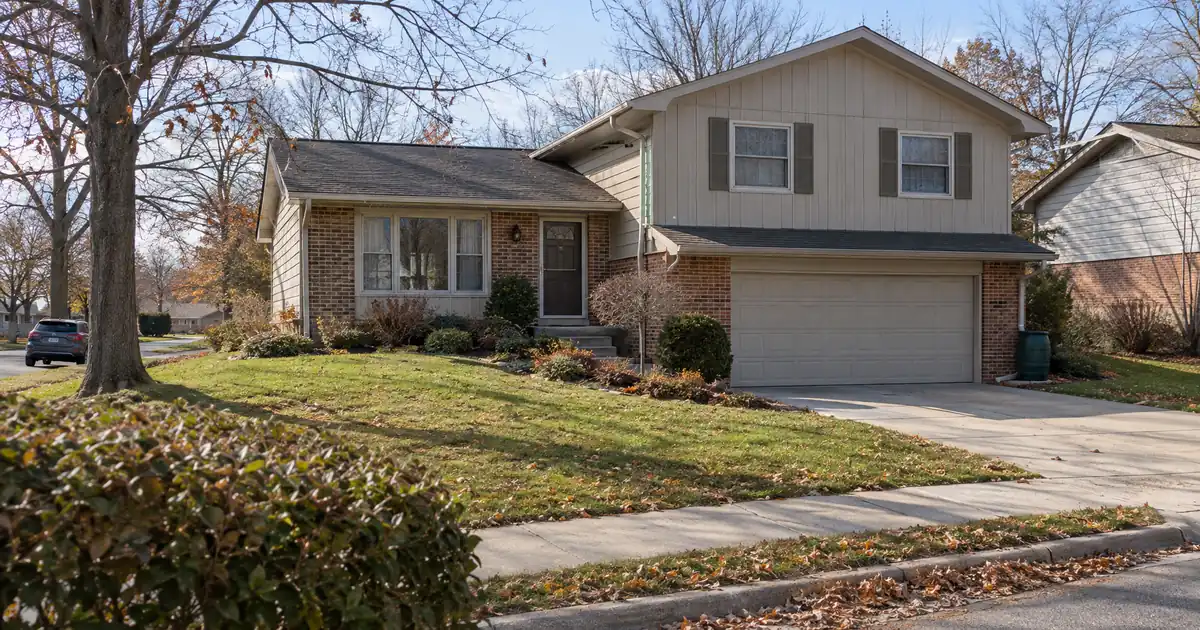
The Quick Read: An FHA house hack is the owner-occupant route, built for buying a two- to four-unit building you will live in, while a DSCR loan is the investor route, built for a rental you will not occupy, so many first-time investors use them in sequence rather than choosing one. FHA qualifies you mainly on your personal income and credit. A DSCR loan is reviewed primarily on property-level rental income covering the payment, subject to lender guidelines.
- Plan to live in the building? FHA is the loan to price first.
- Buying a pure rental? DSCR is the loan built for it.
- A DSCR loan cannot finance the home you live in.
- FHA usually works for one principal residence at a time.
- Many investors house hack with FHA first, then buy later rentals with DSCR.
Key Terms Defined
House hack: buying a small multi-unit building, living in one unit, and renting the others to help cover housing costs.
DSCR (debt service coverage ratio): the property’s monthly rent divided by its full monthly obligation. The lender checks whether the rent covers the payment.
PITIA: principal, interest, taxes, insurance, and association dues. It is the full monthly obligation that DSCR compares against rent.
Owner-occupied: you live in the property as your main home.
DSCR Calculator
Run the numbers in your market
Rate source: Freddie Mac 30-yr average via FRED® — Federal Reserve Bank of St. Louis · effective Oct 15, 2026
Prefilled with starting assumptions — enter your own rent or nightly figures, taxes, insurance, and HOA for a more accurate picture.
Program parameters update from Lendmire’s centralized guideline source. Taxes and insurance are editable estimates.
As of Oct 15, 2026 · General Freddie Mac market benchmark, not a Lendmire loan offer. Rent, nightly rate, occupancy, taxes, and insurance are editable estimates. Short-term rental figures are estimates only and vary significantly by season, property type, management approach, and local short-term-rental rules — confirm local regulations before relying on them. Qualifying income for short-term rentals varies by program — some use appraisal market rent, others use documented STR history or projections — and is confirmed in underwriting. Not a Loan Estimate, approval, or commitment to lend. Program availability and eligibility are subject to lender guidelines, credit approval, property review, and underwriting.
Side-by-Side
The table below shows the structural differences. The FHA column reflects published industry norms. The DSCR column reflects typical ranges across the network of select lenders Lendmire works with.
| Factor | FHA House Hack | DSCR Loan |
|---|---|---|
| Occupancy | You live there | Non-owner-occupied only |
| Review basis | Your income, credit, debts | Property rent vs. PITIA |
| Documentation | Full personal income file | Property-level file, credit, assets |
| Property types | Small multi-unit, 2–4 units | Investment 1–4 units; manufactured, log, barndominium not offered |
| Entity vesting | Individual borrower | Individual or LLC, subject to program terms |
| Insurance layer | FHA mortgage insurance | None from FHA |
| Leverage | Low down payment by design | 75%–80% LTV on a purchase, typically |
| Reserves | Rules vary by unit count | About 6 months PITIA; about 9 above $1.5M |
| Repeat use | Usually one principal residence at a time | No FHA-style one-at-a-time limit |
Leverage terms vary by lender, credit profile, and property. Qualification is subject to lender guidelines, and none of this is a commitment to lend.
What Does an FHA House Hack Actually Require?
An FHA house hack requires that you move in and stay. HUD’s FHA guidance says at least one borrower must occupy the property as a principal residence within 60 days of signing. The borrower must also intend to stay for at least one year.
That rule shapes everything else. You are the credit story. The lender looks at your income, your credit, and your other debts. Rent from the other units helps, but only in a limited way. Your own unit’s rent does not count toward qualifying income, and the other units’ rent is reduced for vacancy and upkeep.
Three- and four-unit buildings add a harder test. The net rent, after that reduction, generally has to cover the full housing payment. Duplexes usually skip that test, so your personal income carries more weight there.
FHA loans also carry mortgage insurance in two layers. The FDIC’s summary of the FHA 203(b) program explains that premiums are paid both up front and monthly. Treat that as a cost layer to weigh with a loan officer. It does not appear on the DSCR side.
How a DSCR Loan Works for a Rental
DSCR flips the question. Instead of asking whether you earn enough, the lender asks whether the property earns enough. The ratio is monthly rent divided by PITIA.
Most programs in Lendmire’s wholesale network treat 1.00 as where select programs start, meaning rent roughly equals the full payment. Stronger ratios tend to open better pricing and leverage. A separate select-lender path takes coverage below 1.00, with leverage and terms adjusted.
Here is how the typical ranges look across the network:
- Purchase leverage: most files land at 75%–80% LTV on an investment property purchase.
- Cash-out refinance: tops out around 75% LTV on a standard rental.
- Credit: a 620 floor exists in parts of the network. Most programs want around 660, and 700 or higher unlocks the strongest leverage.
- Loan size: up to $3,000,000 on standard programs.
- Reserves: commonly about 6 months of PITIA, stepping up to about 9 months above $1,500,000.
Run a modeled example. Say a duplex’s rent comfortably covers its full obligation at roughly 1.2x. That ratio shows the rent carrying the payment with room to spare. It does not show the property is profitable.
Clearing 1.00 is not positive cash flow. Repairs, vacancy, management, utilities, and capital expenses sit outside the calculation. A larger down payment can lift the ratio, but it never erases leverage caps, credit floors, reserve rules, or property eligibility. The strongest files clear both tests: enough equity and enough rental coverage.
Many DSCR programs also carry a prepayment penalty that steps down over time. Terms vary by lender, so ask before you commit. For the full program picture, see Lendmire’s complete DSCR loans guide.
Why You Can’t Mix the Two
DSCR loans are designed for non-owner-occupied investment properties. Because they are business-purpose investor loans, they are reviewed differently from a standard owner-occupied mortgage. That is why the loan can’t be bent to fit the building you live in.
The reverse is also true. FHA is meant for a home you will occupy, and the HUD guidance above bars using its insurance as a vehicle for buying investment properties. Misstating your occupancy to get either loan is a serious problem for the file and for you.
If you plan to live in one unit, the question is settled. Look at FHA or another owner-occupant loan. If you are on the fence about moving in, decide before you apply.
When an FHA House Hack Is the Better Fit
FHA is the better fit when you want to live in the building and need to keep cash low. A first-time buyer can learn landlording with a tenant paying part of the housing cost.
It tends to work best when:
- You will actually live in a two- to four-unit building for at least a year.
- You have steady, documentable income and manageable debts.
- Your savings are modest, and a low down payment matters more than long-term flexibility.
- You want your first landlord experience to be in the building you live in.
The tradeoffs are real. You carry insurance layers that DSCR does not have. You are underwritten on your personal profile, so high debts or irregular income can hurt. And you generally use FHA for one principal residence at a time, so a house hack can occupy your FHA eligibility for a while.
Self-employed buyers often hit friction here because the full personal-income file is demanding. Lendmire’s piece FHA vs Bank Statement vs DSCR for a 2-4 Unit House-Hack covers that angle.
When a DSCR Loan Is the Better Fit
DSCR is the better fit when the property is purely an investment. It suits the buyer who already has a place to live and wants rental income without a personal-income review.
It tends to work best when:
- You will not live in the property.
- Your traditional personal-income documentation understates your real income, or your debts are high relative to income.
- You want to hold the property in an LLC, subject to lender program eligibility.
- You plan to buy more than one rental over time.
- The property has strong rent relative to its price.
The tradeoffs are different. You typically need more down payment than FHA asks for, because most files land at 75%–80% LTV on a purchase. You need reserves. A prepayment penalty can affect a later sale or refinance. A DSCR file still reviews your credit, your assets, and an appraisal with a rent schedule, so it is not a no-paperwork loan. It runs on the property’s income rather than on a personal income review.
The Common Path: FHA First, DSCR After
For many first-time investors, the question is not which loan but which comes first. A common path runs like this:
1. Buy a two- to four-unit building with FHA and live in one unit.
2. Learn the landlord side while a tenant helps with the housing cost.
3. Move out after meeting your occupancy commitment.
4. Use DSCR for the next non-owner-occupied rental purchase.
This path has a risk. Your first building has to hold up as a rental after you move out, and your finances have to support the next purchase. If the rent barely covers the payment, a later refinance or the next purchase may need more equity or more reserves than you expect. Plan for that before you buy.
A Balanced Verdict
The two loans answer different questions. If you want to live in the building, FHA is the loan to pursue, and DSCR is not available for that purchase. If you want a pure rental and already have housing, DSCR is the loan built for it.
Neither is better in the abstract. FHA rewards the buyer with documentable income and limited cash. DSCR rewards the buyer with equity, credit, and a property whose rent carries its own weight. If you have neither the cash nor the credit for either, the honest answer may be to wait and build the file first.
Next Step
If you are buying or refinancing a rental property and want to see how the numbers work, Lendmire can help you compare DSCR loan options based on the property income, credit profile, leverage, and investor goals. Lendmire is a broker arranging financing through select lenders in its wholesale network, across 41 markets including Washington, D.C.
Frequently Asked Questions
Can I use a DSCR loan for my first house hack?
No, not if you will live in the property. DSCR loans are for non-owner-occupied investment properties. If you plan to occupy a unit, look at an owner-occupant loan such as FHA. Once you move out and buy another property to rent, DSCR becomes the relevant option.
Can I use FHA for a rental I won’t live in?
No. FHA is an owner-occupant program, and HUD’s guidance requires you to move in and stay for at least a year. It also bars using FHA insurance as a way to acquire investment properties. A pure rental purchase belongs on the DSCR side.
Does an FHA house hack use up my FHA eligibility?
It can, for a time. FHA generally insures one principal residence at a time, with limited exceptions. That is one reason investors move to DSCR for later purchases. Confirm your situation with a loan officer before assuming an exception applies.
Can I put a DSCR property in an LLC?
Often, subject to lender program eligibility. DSCR lenders generally allow vesting in an individual’s name or in an LLC. An FHA loan, by contrast, is made to an individual who occupies the home.
Which should I choose if I am self-employed?
It depends on your documentation and your plans. FHA needs a full personal income file, which can be hard with variable income. DSCR qualifies primarily on property-level rental income, but it only works for a property you won’t live in. If you want to live in the building, compare owner-occupant options with a loan officer first.
About Lendmire
Lendmire (NMLS# 2371349) is a mortgage brokerage built around DSCR investor lending, with programs available in 41 markets, including Washington, D.C. DSCR lenders commonly evaluate rental-income coverage instead of personal income paperwork, a practical fit for LLC-owned and multi-property investors. Terms vary by lender, property, leverage, and program. Scotsman Guide named Lendmire a Top Mortgage Workplace in both 2025 and 2026.
Get Started
Ready to find the right loan for you?
In about 30 seconds you can review financing options available for your investment property. No commitment required.
Informational only. Not a Loan Estimate, approval, or commitment to lend. Program availability and eligibility are subject to lender guidelines, credit approval, property review, and underwriting.
References
1. HUD FHA Answers: How does FHA define owner occupant
2. FDIC Affordable Mortgage Lending Guide: FHA 203(b) Mortgage Insurance Program
This article is part of Lendmire’s DSCR loan program — full qualification details, guidelines, and scenarios live on the program page.
Related reading: Staying With a DSCR Lender That Sold Your Loan vs Using a Broker · How to Get a DSCR Loan on Your First Rental After a Bank Said No · How a DSCR Lender Counts ADU Income for a First-Time Airbnb Host
Brandon Miller
Founder & CEO, Mortgage Loan Originator, Lendmire LLC
- Mortgage Loan Originator · NMLS# 1129696 · Verify on NMLS Consumer Access
- North Carolina Real Estate Broker · License# 343312 · Verify on NCREC
- North Carolina Insurance Producer · License# 19053198 · Property, Casualty, Life, Health · Verify on NAIC SBS
- Lendmire LLC · Firm NMLS# 2371349 · Verify firm licensure
Compliance and disclosures. Lendmire (NMLS# 2371349) is a licensed mortgage broker and is not a direct lender, depository institution, financial advisor, or tax professional. Content in this article is general market analysis and educational information — not financial, legal, or tax advice for any specific situation. Lendmire does not guarantee loan approval; every transaction is subject to underwriting by the funding lender. Mortgage pricing and loan program guidelines are subject to change at any time without notice and vary by borrower characteristics, property type, and state regulations. Lendmire complies with Equal Housing Opportunity. Licensure verification: NMLS Consumer Access.