
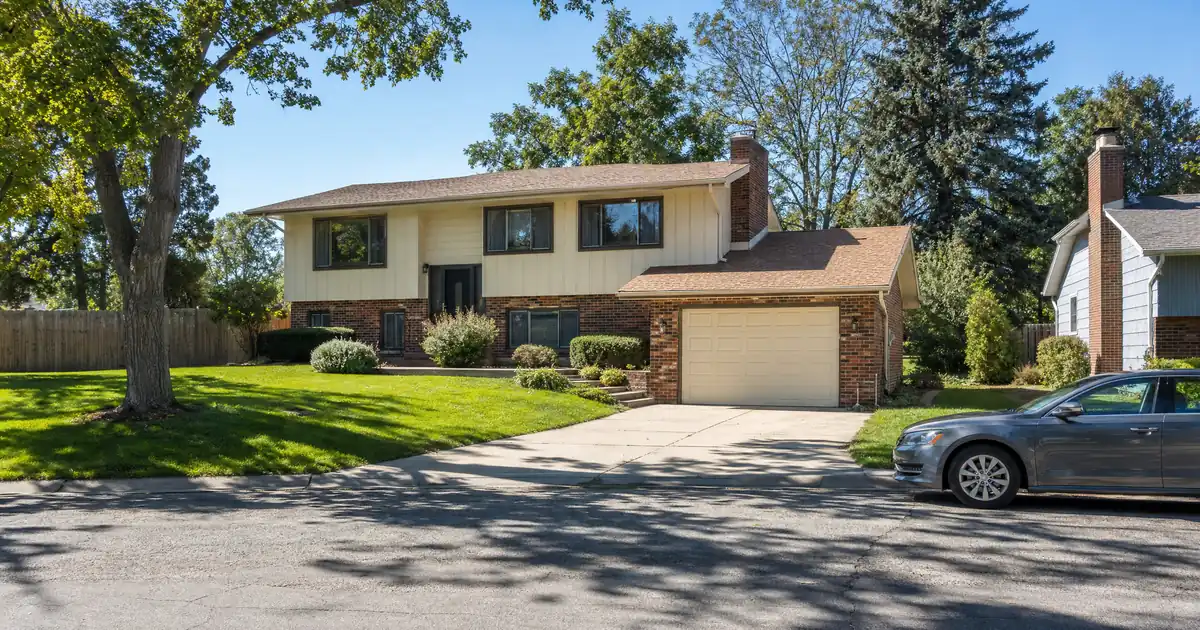
From One Rental To Three Using Cash Out Refinances — The Quick Read: A cash-out refinance replaces the loan on a rental you already own. The new loan is sized to the property’s current value. The gap between your old loan balance and the new loan comes back to you in cash. Run that once, and the cash can fund a down payment on a second property. Run it again — on either property, once each one clears seasoning and its rent-to-payment test — and you can fund a third purchase with equity you already built. You won’t need new savings. This is a repeatable mechanic, not a guarantee. It only works when the numbers on the property actually support it.
Key takeaways:
DSCR Cash-Out Calculator
Run the cash-out numbers in your market
Rate source: Freddie Mac 30-yr average via FRED® — Federal Reserve Bank of St. Louis · effective Aug 13, 2026
Prefilled with local estimates — enter your property’s value, balance, taxes, and insurance for a more accurate picture.
Program parameters update from Lendmire’s centralized guideline source. Taxes and insurance are editable estimates.
As of Aug 13, 2026 · General Freddie Mac market benchmark, not a Lendmire loan offer. Property value, balance, taxes, and insurance are editable estimates. Maximum loan-to-value varies by lender, program, property type, and seasoning. Not a Loan Estimate, approval, or commitment to lend. Program availability and eligibility are subject to lender guidelines, credit approval, property review, and underwriting.
- A cash-out refinance on a rental typically caps around 75% loan-to-value once the property clears seasoning. That’s tighter than the leverage available on a purchase.
- Most lenders in the DSCR space want roughly six months of ownership before pricing a refinance off current value instead of the original purchase price.
- The property has to clear a rental-coverage test first. That means rent measured against the full monthly obligation. Only then will a lender approve the new loan amount.
- Scaling from one rental to three usually means running this cycle more than once. Reserve requirements tend to grow as the portfolio does.
- The strategy depends on equity AND cash flow together. Plenty of one without the other stalls the next purchase.
Key Terms Defined
Cash-out refinance — a new loan on a property you already own. It’s sized larger than the payoff on your existing loan. The difference gets paid to you at closing.
Rate-and-term refinance — a refinance that changes the loan’s structure without pulling any cash out. It’s a different transaction type with different leverage limits.
LTV (loan-to-value) — the loan amount as a percentage of the property’s value. A 75% LTV ceiling means the new loan can’t exceed three-quarters of what the property appraises for. Every figure here varies by lender and program. Guidelines, property type, leverage, and credit profile all play a part.
DSCR (debt service coverage ratio) — monthly rent divided by the property’s full monthly obligation. A ratio at or above 1.00 means the rent covers that obligation on paper. Below 1.00 means it doesn’t.
PITIA — principal, interest, taxes, insurance, and any association dues. Together they form the payment a lender tests rent against.
Seasoning — the amount of time a lender wants you to hold title before it will refinance based on the property’s current value instead of what you originally paid.
Business-purpose loan — financing made to an investor for a rental or commercial use rather than a personal residence. That’s why these loans move through underwriting differently than a typical home mortgage.
Reserves — cash left in the bank after closing, measured in months of PITIA. A lender wants this held as a cushion against vacancy or an unexpected repair.
How a Cash-Out Refinance Actually Turns One Rental Into Three
The mechanic is simpler than the marketing around it makes it sound. You own a rental. Its loan balance sits below what the property is now worth. A lender orders a new appraisal. It sizes a new loan against that current value, up to its leverage ceiling. It pays off your old loan and sends you the remainder at closing. That remainder becomes the down payment on your next property.
Two gates decide whether that first move even happens: seasoning and coverage. Seasoning is the clock a lender runs before it will lend against appraised value instead of your original purchase price. Investor education site BiggerPockets built much of its content library around exactly this kind of refinance-and-repeat strategy. It describes seasoning as the length of time an owner has to hold a property before a lender will size a loan off what it’s worth today rather than what was originally invested. On most DSCR cash-out files, that clock runs around six months of ownership before a refinance prices off current value.
Coverage is the second gate. On a refinance, the rent figure a lender uses isn’t whatever number you write on the application. For a single-family rental, it comes from the appraiser’s Fannie Mae Form 1007 rent schedule. That’s built from comparable rental properties in the area. For a two-to-four-unit property, the equivalent exhibit is Fannie Mae Form 1025. DSCR lenders borrow these same appraisal forms even though the loan itself isn’t an agency product. It’s simply the established way to document market rent. Lenders across the wholesale network Lendmire places files with lean on the same exhibits.
Once that documented rent clears the coverage floor a program requires, and the property has seasoned, the loan gets sized against the lower of appraised value or the leverage ceiling. The cash difference funds your next purchase. That’s the entire engine behind moving from one door to two, and eventually three.
The Sequential Play: Property 1 to Property 2 to Property 3
Here’s a modeled walkthrough. It’s not a market data point, just numbers built to show how the sequence works. Every figure below is an assumption for illustration. Actual leverage, coverage, and proceeds on any real file depend on the property, the borrower, and the lender.
| Stage | Property | Value at This Stage | Cash-Out LTV Ceiling | Modeled Coverage Ratio | What Happens |
|---|---|---|---|---|---|
| 1 — Refinance | Original rental (purchased at $180,000) | Appraises at $250,000 | 75% | ~1.15x | Proceeds fund down payment on Property 2 |
| 2 — Purchase | Second rental | Purchased at $210,000 | Purchase leverage, not cash-out | ~1.10x | Portfolio grows to two doors |
| 3 — Refinance | Original rental, refinanced again after new seasoning | Appraises at $265,000 | 75% | ~1.20x | Proceeds fund down payment on Property 3 |
| 4 — Purchase | Third rental | Purchased at $195,000 | Purchase leverage, not cash-out | ~1.12x | Portfolio reaches three doors |
The property that started the cycle can be refinanced more than once. A property already financed with a DSCR cash-out loan can be refinanced again with another cash-out. It just needs to clear seasoning and coverage requirements again at the time of the new request. Each refinance gets evaluated fresh, against current rent and current appraised value, not the terms of the original loan. Nothing about the first refinance locks in the terms of the second.
Which property funds the second refinance — Property 1 again, or Property 2 instead — usually comes down to which one appreciated more and which one’s rent kept pace best. That’s a question worth running against Lendmire’s complete DSCR loans guide before you assume either property is ready.
What Decides How Much Equity You Can Actually Pull
Four things gate the size of every cash-out refinance in this sequence: the LTV ceiling, the coverage floor, your credit tier, and reserves. All four move together, not independently.
On most DSCR cash-out files, leverage tops out around 75% LTV once seasoning clears. That’s tighter than the 80% ceiling available on a purchase — and in select high-leverage programs, up to 85%. Coverage on standard programs typically starts at a 1.00 DSCR floor. That’s a starting point for select programs, not a universal rule. Stronger ratios generally open better leverage. Credit tiers work the same way. A 620 floor exists in parts of the network. Most programs want something closer to 660. A score of 700 or higher tends to unlock the strongest leverage available. Reserves generally run around six months of PITIA on standard files. That steps up toward nine months once the loan amount clears roughly $1,500,000. Figures like these are typical ranges from select lenders in Lendmire’s wholesale network. They’re not fixed numbers every program applies the same way.
A larger down payment lowers the payment and can lift the coverage ratio. But it never overrides these other gates. The strongest files in this kind of sequence clear both tests at once — enough equity to hit the LTV ceiling, and enough rent to clear the coverage floor. Here’s a common surprise: a property that’s equity-rich after years of appreciation, but whose rent hasn’t kept pace. The equity is there. The coverage isn’t. The refinance stalls until one of the two moves.
DSCR loans are designed for non-owner-occupied investment properties. They’re business-purpose investor loans, not owner-occupied mortgages, so they’re reviewed under a different framework. The Consumer Financial Protection Bureau draws this distinction directly in its own lending regulations. That’s the reason DSCR underwriting can qualify a file primarily on the property’s rental income covering the payment, rather than personal income documentation, subject to lender guidelines.
Where the Cycle Breaks: Risks and What Can Go Wrong
Buying three rentals off one property’s equity works right up until one link in the chain doesn’t hold. And the most common failure points aren’t exotic.
Appraisal risk sits at the top of the list. The whole sequence assumes each refinance appraises where the investor expects. If Property 1 doesn’t come in high enough, the available equity shrinks. The down payment on Property 2 shrinks with it — sometimes below what’s needed to close.
Reserve compounding is the second issue, and investors underestimate it most. Reserves get checked per file. But a lender reviewing a third refinance or purchase also looks at the investor’s total obligations across all financed properties. An investor holding three rentals needs enough liquidity behind all three, not just the one being refinanced. That math gets tighter with every door added, not looser.
Coverage compression is the third risk. Rising insurance and tax costs eat into the DSCR calculation the same way a rent shortfall does. A property that cleared 1.15x two years ago can drift toward 1.00x without the rent changing at all — simply because the rest of the payment grew. Clearing 1.00 is also not the same thing as positive cash flow. Repairs, vacancy, management fees, and capital expenses all sit outside the DSCR math. A file that clears the ratio can still lose money in a bad month.
Property eligibility matters here too. Manufactured homes — single- or double-wide — along with log homes and barndominiums fall outside DSCR programs across the network. If one of the three properties in a planned sequence is one of these types, that stage of the plan doesn’t work through this financing path at all.
And risk stacks sequentially. Say Property 2 underperforms — a vacancy that runs long, or a rent that comes in below the appraiser’s comparable rent schedule. That can weaken the investor’s overall reserve and coverage picture. It can be enough to slow or block the refinance that was supposed to fund Property 3.
Who This Strategy Fits — and Who It Doesn’t
This is fundamentally a small-investor tool. That lines up with who actually owns the country’s rental housing. CNBC’s coverage of national investor data found that individuals owning ten properties or fewer account for more than 90% of the market. Large institutional investors get most of the attention, but they own far less. Industry research firm SitusAMC puts a similar number on it: institutions make up only about 5% of single-family rental investors. 82% are owners holding fewer than ten properties. That’s the population a six-month seasoning clock and a 75% LTV ceiling matter to most. These are investors without institutional credit lines who need to recycle the same dollar of equity to fund the next purchase. Final terms depend on lender guidelines, property type, leverage, and the borrower’s complete credit picture.
This fits an investor who bought at least one rental below market, or in a market with real appreciation. It fits someone who has kept rent close to current market levels and can carry reserves across a growing number of financed properties. It fits someone comfortable running the numbers property by property, rather than assuming equity alone is enough.
It doesn’t fit an investor whose only rental has thin equity. It doesn’t fit someone whose rent has fallen behind the market. It doesn’t fit someone who needs the cash from a refinance to cover reserves rather than fund a purchase outright. And it doesn’t fit anyone counting on a fast turnaround. Each refinance in the sequence has to clear seasoning and a fresh appraisal on its own timeline. That timeline is set by the lender’s underwriting, not the investor’s plans.
Repeat Cash-Outs, Sub-1.00 Files, and Blanket Loans
A property already financed with a DSCR loan isn’t locked out of a second cash-out down the line. It just needs to clear seasoning and coverage again — evaluated against current rent and current value, not the original loan’s terms.
Investors don’t always need a coverage ratio above 1.00 to refinance. Sub-1.00 DSCR cash-out options exist through select lenders in the network. But leverage and terms adjust. Expect a higher credit floor and reduced LTV compared with a file that clears the standard coverage bar. Options narrow further as the ratio drops. No-ratio cash-out structures run through select lenders as a separate path, generally for borrowers who already own a primary residence. If a property’s numbers fall that far short, that path isn’t available.
Investors holding two or three properties sometimes ask about a single blanket loan across the portfolio instead of refinancing each one individually. Individual DSCR refinances remain the more common structure across the network Lendmire places files with. That’s largely because each property’s own value and coverage can drive its own terms, rather than tying multiple properties together under one loan. Whether a blanket structure makes sense for a given portfolio depends heavily on the specific properties and lender. This is a conversation worth having directly, rather than assuming one approach fits every investor.
For anyone weighing whether this sequence makes sense for a specific rental, Lendmire’s guides on using a cash-out refinance to grow a rental portfolio, cashing out one rental to buy another, and using a cash-out refinance to buy investment property each walk through a piece of this mechanic in more depth.
Tax treatment on any of these refinances can depend on how the proceeds are used and how the property is titled. This is not tax advice. Investors should keep clear records and speak with a qualified, licensed tax professional before relying on any deduction or treatment described here.
If you’re trying to figure out whether your current rental has enough equity and enough rental coverage to fund the next purchase, Lendmire can help you compare DSCR loan options. That comparison looks at the property’s income, your credit profile, target leverage, and where your portfolio is headed. Lendmire (NMLS# 2371349) arranges DSCR investor loans through a wholesale network spanning 40 states plus Washington, D.C. Closings involving LLC-titled entities remain subject to program eligibility on a lender-by-lender basis. Investors can reach the team at 828-256-2183 or request a quote directly.
This article is general information about how DSCR cash-out refinances work. It is not legal or tax advice. Nothing here should be read as a substitute for individualized guidance. Investors should consult a qualified, licensed attorney or CPA about their own situation before acting on any strategy described here. Loan approval is never guaranteed, and nothing here is a commitment to lend. Every scenario described is subject to lender approval and current borrower, property, and program guidelines.
Frequently Asked Questions
Does the delayed-financing exception change this strategy for cash buyers?
Yes, for a specific case: an investor who bought a rental outright with no mortgage isn’t necessarily stuck waiting out a full seasoning period. The delayed-financing exception waives the time requirement, but not the value discipline. The new loan still typically gets sized conservatively against the lower of appraised value or documented purchase cost. It remains subject to lender review and program guidelines. This is not legal or tax advice; confirm treatment with a qualified professional before relying on it.
Should each property be refinanced individually, or does a blanket loan make more sense once you own three?
Individual refinances are the more common path across the DSCR network Lendmire works with. That’s mainly because each property’s own value and rent can drive its own terms. A blanket structure across multiple properties is a different conversation with different tradeoffs. Whether it fits depends on the specific properties, lender, and investor goals.
How long does the full one-to-three cycle typically take?
There’s no fixed timeline. It depends on how quickly each property appreciates, how quickly rents rise, and how fast each stage clears seasoning. Most programs expect roughly six months of ownership before a cash-out refinance prices off current value. So the cycle unfolds over years rather than months. Each stage has to clear its own coverage and appraisal review before moving forward.
What happens if one of the properties underperforms partway through the plan?
It can slow or stall the next stage. A property with a longer-than-expected vacancy, or rent that comes in below the appraiser’s comparable rent schedule, weakens the investor’s overall reserve and coverage picture. Lenders review that picture across the whole portfolio, not just the file in front of them.
Can each rental in this sequence close in an LLC instead of a personal name?
Often, yes. DSCR programs generally support entity-titled closings, subject to program eligibility and lender guidelines. Investors who want each property held in a separate LLC for liability reasons should confirm ahead of each stage that the specific lender and program in use support that structure. Speak with a qualified attorney about the legal and tax implications of entity titling before deciding — this article does not provide legal or tax advice on that choice.
A deeper walk-through of investment-property equity extraction lives in cash-out refinance on an investment property.
About Lendmire
Lendmire is a non-QM mortgage brokerage (NMLS# 2371349) arranging DSCR investor loans in 41 markets, including Washington, D.C. DSCR eligibility is generally reviewed around property-level rental income rather than personal income, subject to lender and program guidelines. That makes it a fit for self-employed investors and LLC-owned portfolios. Lendmire was recognized as a Scotsman Guide Top Mortgage Workplace in 2025 and 2026.
For the mechanics of pulling equity out of a rental property, see cash-out refinance on an investment property.
Lendmire’s Top Mortgage Workplace recognition is documented by Scotsman Guide 2025 Top Mortgage Workplace and Scotsman Guide 2026 Top Mortgage Workplace.
Get Started
Ready to find the right loan for you?
In about 30 seconds you can review financing options available for your home or investment property. No commitment required.
Informational only. Not a Loan Estimate, approval, or commitment to lend. Program availability and eligibility are subject to lender guidelines, credit approval, property review, and underwriting.
References
1. BiggerPockets — BRRRR Method Guide
2. Fannie Mae — Form 1007, Single-Family Comparable Rent Schedule
3. Fannie Mae — Form 1025, Small Residential Income Property Appraisal Report
4. CNBC — Home Sales: Investors Make Up Highest Share of Buyers in 5 Years
5. SitusAMC — Single-Family Rental Market Continues to Grow, Led by Small Investors
This article is part of Lendmire’s investment property cash-out refinance program — full qualification details, guidelines, and scenarios live on the program page.
Related reading: Cash Out Refinance Real Estate Investing · How a Cash Out Refinance Investment Property Works · Can You Cash Out Refinance A Vacation Rental?
Brandon Miller
Founder & CEO, Mortgage Loan Originator, Lendmire LLC
- Mortgage Loan Originator · NMLS# 1129696 · Verify on NMLS Consumer Access
- North Carolina Real Estate Broker · License# 343312 · Verify on NCREC
- North Carolina Insurance Producer · License# 19053198 · Property, Casualty, Life, Health · Verify on NAIC SBS
- Lendmire LLC · Firm NMLS# 2371349 · Verify firm licensure
Legal disclosures. Lendmire (NMLS# 2371349) is a state-licensed mortgage brokerage that arranges financing through wholesale lender relationships. Lendmire is not a direct lender, depository institution, or registered financial advisor. The discussion above is general informational content about real estate financing — it is not financial, legal, or tax advice, and readers should consult licensed professionals for guidance on their individual circumstances. Loan inquiries are subject to lender underwriting; this article does not represent a commitment to lend. Loan terms, rates, and qualification standards vary by borrower, property, and state, and are subject to change at any time. Equal Housing Opportunity. NMLS Consumer Access: nmlsconsumeraccess.org.