
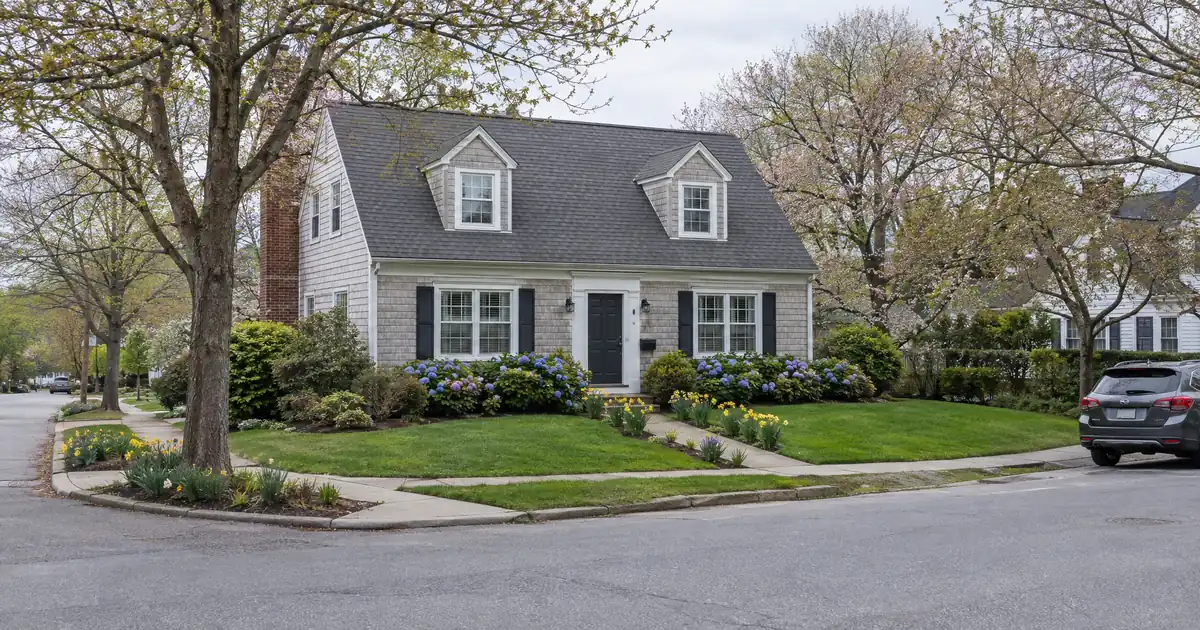
The Quick Read: A DSCR cash-out refinance on a divorce-awarded rental replaces the old joint mortgage with one new loan in the keeper’s name, sized to pay off the old balance, fund the equity owed to the ex, and cover closing costs, with the loan qualifying primarily on property-level rental income covering the payment, subject to lender guidelines. The buyout counts as cash-out, so payoff plus buyout plus costs has to fit under the leverage ceiling. Until the old loan is paid off, your ex usually stays liable on it.
- Rental only. The property must be a true non-owner-occupied rental. If you plan to live there, it is a different loan.
- The ceiling is the limit. Cash-out on a standard rental tops out at 75% LTV across most of the network, and the buyout counts toward it.
- Seasoning applies. Expect about 6 months of ownership, measured from title recording. Ask how the lender treats awarded property before you record anything.
- Credit and reserves still count. Most programs want around a 660 score, a 620 floor exists in parts of the network, and 700+ opens the strongest tiers. Reserves commonly run about 6 months of PITIA.
- Coverage starts at 1.00. That is where many select programs begin. A separate select-lender path goes below 1.00, with leverage and terms adjusted.
Does a Divorce-Awarded Rental Qualify for a DSCR Cash-Out?
Usually yes, if three things are true. The property is a rental, the rent covers the new payment, and the combined loan fits under the cash-out leverage cap. Your divorce does not disqualify the file. It just adds paperwork and a sizing problem.
DSCR Cash-Out Calculator
Run the cash-out numbers in your market
Rate source: Freddie Mac 30-yr average via FRED® — Federal Reserve Bank of St. Louis · effective Oct 29, 2026
Prefilled with starting assumptions — enter your property’s value, balance, taxes, and insurance for a more accurate picture.
Program parameters update from Lendmire’s centralized guideline source. Taxes and insurance are editable estimates.
As of Oct 29, 2026 · General Freddie Mac market benchmark, not a Lendmire loan offer. Property value, balance, taxes, and insurance are editable estimates. Maximum loan-to-value varies by lender, program, property type, and seasoning. Not a Loan Estimate, approval, or commitment to lend. Program availability and eligibility are subject to lender guidelines, credit approval, property review, and underwriting.
Start with occupancy. DSCR loans are designed for non-owner-occupied investment properties. Because they are business-purpose investor loans, they are reviewed differently from a standard owner-occupied mortgage. If you will move into the awarded property, it falls into the owner-occupied lane, where lenders look hard at personal income. Neither the paperwork nor the pricing carries over from a DSCR file.
Next comes the rent test. The lender divides the property’s monthly rent by its full monthly obligation: principal, interest, taxes, insurance, and any association dues. That obligation is called PITIA. A result of 1.00 means the rent equals the payment. On most files, 1.00 is where select programs start. Stronger coverage opens better pricing and leverage. A separate select-lender path accepts coverage below 1.00, with leverage and terms adjusted.
Here is the part that matters most after a divorce. The loan is reviewed primarily on property-level rental income covering the payment, subject to lender guidelines. A drop in household income matters less than it would on a conventional loan. A self-employed keeper with uneven income faces the same test as anyone else. Your ex’s income no longer helps you, though, and your own credit and reserves still get reviewed.
Passing 1.00 also does not mean the property makes money. The test compares rent to PITIA only. Repairs, vacancy, management, utilities, and capital expenses sit outside it. After a buyout the new loan is usually larger than the old one, so check cash flow on your own, apart from the lender’s number.
Property type matters too. Single-family homes and small multifamily buildings are the usual fits. Manufactured homes, log homes, and barndominiums are not offered in the network’s DSCR programs.
For the full program picture, see Lendmire’s complete DSCR loans guide.
Key Terms Defined
DSCR (debt service coverage ratio): The property’s monthly rent divided by its full monthly payment. It measures whether the rent covers the loan.
PITIA: Principal, interest, taxes, insurance, and association dues. This is the full payment the rent is measured against.
Cash-out refinance: A new loan that pays off the old one and returns extra money. In a divorce, that extra money often goes to the departing spouse.
LTV (loan-to-value): The new loan as a percentage of the property’s appraised value.
Seasoning: The ownership period a lender wants before allowing a cash-out. On most files in the network it is about 6 months, measured from title recording.
Quitclaim deed: A deed that moves one person’s ownership interest to another. It changes who owns the property. It does not change who owes the loan.
Release of liability: Written or practical removal of a person’s responsibility on a loan. Paying off the old loan does this automatically.
Reserves: Liquid funds a lender wants you to hold after closing. They are counted in months of PITIA.
Why the Decree Alone Does Not Take Your Ex Off the Loan
A divorce decree divides property between the two of you. It does not rewrite your contract with the lender. If both names are on the old note, both of you owe it until it is paid off or formally released.
The Consumer Financial Protection Bureau’s research on post-divorce mortgage problems documents how homeowners run into servicer obstacles after a divorce. These include pressure to refinance when they wanted to assume the loan. That research focuses on owner-occupied homes. It is useful context here because the joint-liability problem is the same on a rental.
A federal statute adds a second layer. The due-on-sale law codified at 12 U.S.C. § 1701j-3 lets lenders call a loan when a property is transferred without consent. Its exemptions stop the old lender from doing that on certain transfers, including one that results from a divorce decree, legal separation, or property settlement. The protection covers residential property with fewer than five units. Confirm the exact wording with your attorney.
Read that protection narrowly. It keeps the old lender from demanding payment because title moved. It does not release your ex, and it does not create a new loan for you. A building with five or more units falls outside it entirely.
That is why a quitclaim alone does not solve anything. It moves title only. If you sign your ex off the deed and the old loan stays in place, your ex is on the hook for a property they no longer own. The usual fix is a payoff refinance in the keeper’s name alone.
How the Buyout Counts Against the Cash-Out Limit
Whatever you owe your ex goes into the new loan, so it counts toward the cash-out ceiling. The new loan must cover three things: the old mortgage payoff, the buyout, and closing costs. If the total exceeds the old payoff, the extra is cash-out. The file is then priced and limited as a cash-out.
The settlement decides what you owe. The loan decides only what you can pay with it. Those two numbers do not always match.
Here is the arithmetic in percentages of appraised value. These are modeled assumptions, not market data. Assume a 50/50 split of equity and closing costs of roughly 3% of value.
Scenario one: the buyout does not fit.
- Old mortgage payoff: 45% of value.
- Equity: 55% of value, so the ex’s half is 27.5%.
- Closing costs: 3% of value.
- Total new loan: 75.5% of value, just over the 75% ceiling on a standard rental.
Scenario two: the buyout fits.
- Old mortgage payoff: 40% of value.
- Equity: 60% of value, so the ex’s half is 30%.
- Closing costs: 3% of value.
- Total new loan: 73% of value, under the 75% ceiling on a standard rental.
The first file is a small miss, and small misses have fixes. You can bring cash, trade another asset in the settlement, or stage part of the payout. You can also wait for value or rent to rise. If the collateral is a short-term rental, the cash-out ceiling drops to 70% LTV, so the gap gets wider. Final terms depend on the lender’s guidelines, the property type, and the borrower’s complete credit picture.
One more point on classification. If your ex is paid from other assets and the new loan only pays off the old one with no cash back at closing, the file is a payoff-only refinance. That carries a higher ceiling, up to 85% LTV on an investment property. Settlement wording can push a file toward one side or the other. An itemized line tying the equity payment to the property reads very differently from a lump-sum award across all assets. Ask your lender how it will classify your documents before the decree is final. Each figure is subject to lender guidelines and a complete review of property type, leverage, and credit.
What About Seasoning After a Divorce Award?
The common expectation for a cash-out is about 6 months of ownership, measured from title recording. Programs across the network handle awarded property differently. The practical questions are which date starts the clock and what value the loan is sized on. Some lenders use current appraised value, and others lean on the original purchase price during the early months.
If you were already on title during the marriage, ask whether removing your ex’s name restarts the clock. Lenders differ on this too. Get the answer before you record anything.
Deed First, Refinance First, or Same Day?
Same-day coordination is the cleanest path. The deed and the new loan fund together, so the old note is paid off at the moment your ex’s name leaves title. Your ex is never left liable on a loan for property they no longer own.
| Order | What happens | Main risk |
|---|---|---|
| Deed first | Ex leaves title, then you refinance | Ex stays on the old note |
| Refinance first | You apply while both names are on title | Ex must still sign at closing |
| Same closing | Deed and payoff happen together | Needs tight coordination |
Where possible, deliver the quitclaim at or after the refinance closing. If your ex insists on leaving title earlier, put the refinance deadline and a fallback sale date in writing.
Step by Step: From Decree to Closing
1. Confirm the property is a rental. If you will live there, stop and switch loan types.
2. Put the buyout in writing. Value the property, subtract liens, and apply the agreed share. The underwriter will want the figure in the decree or settlement agreement.
3. Check coverage. Compare current rent to the full PITIA the new, larger loan would carry.
4. Size the loan. Add payoff, buyout, and costs, then test the total against the 75% ceiling on a standard rental.
5. Order the appraisal. It sets value and market rent. Appraisers use Form 1007 for single-family rent schedules and Form 1025 for 2-4 unit income analysis.
6. Gather documents. Expect to provide:
- The divorce decree or marital settlement agreement.
- The buyout agreement, if separate.
- A lease or other rent evidence.
- The old loan’s payoff statement.
- A title commitment showing how title is vested.
- Credit and reserve documentation.
- Entity documents, if you are closing in an LLC.
7. Coordinate the closing. The ex signs the deed at the same closing where the old loan is paid off.
Credit is where many people underestimate the file. The lender reviews your score, not your ex’s, if you apply alone. The old joint loan’s payment history still shows on your report, though. On reserves, programs vary by lender, leverage, and loan size. About 6 months of PITIA is common, and loans above $1,500,000 typically step up to about 9 months.
DSCR vs. conventional financing
There are two common ways to finance an investment property, and they qualify you differently — here’s how investors weigh them.
Why investors choose it
- Qualifies on the property’s rental income — no personal tax returns, W-2s, or pay stubs needed to document income.
- No personal debt-to-income ceiling to clear, so existing mortgages and obligations don’t cap your borrowing the same way.
- Can be closed in an LLC, keeping the property inside a business entity.
- Built for scaling — not held to the limit on number of financed properties that conventional financing applies.
- Underwriting centers on the deal: generally qualifies when the rent covers the payment, a 1.00x coverage ratio being a common baseline (confirmed in underwriting).
- Designed specifically for investment property, including long-term and, where the program allows, short-term rentals.
Where it’s strong
- Often the lowest ongoing financing cost for a buyer who fully qualifies on personal income — a fit for a first property or a cost-first purchase.
Trade-offs for investors
- Requires full personal income documentation and must fit within a debt-to-income limit — salary, existing debts, and other mortgages all count.
- Typically held in your personal name rather than a business entity.
- Caps how many financed properties you can carry, which can become a ceiling as a portfolio grows.
- Evaluates you as a borrower as much as the property, which usually means more paperwork.
How investors usually choose: a first or single property often optimizes for the lowest financing cost; portfolio builders often optimize for leverage, vesting in an LLC, and scaling past conventional caps. The right answer depends on your goals, the property, and current guidelines — both paths run through select lenders in Lendmire’s wholesale network, with eligibility and terms confirmed in underwriting.
Cash-Out, Assumption, or Sale: Which Releases Your Ex?
Only a payoff, a formal release, or a sale ends your ex’s liability. Here is how the options compare.
| Option | Releases ex? | Creates cash? | Key limit |
|---|---|---|---|
| Cash-out refinance | Yes, old loan paid off | Yes | 75% LTV, seasoning, credit |
| Assumption | Only with a written release | No | Most investor notes are not built for it |
| Sale | Yes | Yes | You give up the property |
| Keep old loan, pay ex from other funds | Only if ex is not on the note | No | Needs outside cash |
Assumption works for some owner-occupied loan types, but most investor notes are not built to be assumed. Even where an assumption is allowed, taking over the payments does not release the original borrower unless the lender signs a release. Lendmire’s piece Rental Cash-Out Refinance vs. Assumption vs. Selling for a Divorce Buyout walks through the tradeoffs.
Weigh the real cost of refinancing too. A new loan replaces your old first loan, and the old one may have had better terms. BiggerPockets’ discussion of tapping home equity covers this tradeoff. It turns the buyout into a financing decision, not just a paperwork step.
Where the General Rule Breaks
You plan to move in. The property is not a DSCR candidate. Run it as an owner-occupied file.
The rental is vacant or needs work. A rent-based refinance may have to wait. The appraisal and rent evidence still have to support the payment later.
The rental is short-term. Cash-out on short-term-rental collateral tops out at 70% LTV, against 75% on standard rentals. Expect a 640+ score, about 12 months of hosting history, and a 1.00 coverage floor on refinances. Short-term rental rules can vary by city, county, HOA, and property type, so investors should confirm local rules before relying on projected rental income. Leverage, reserves, and pricing vary by lender and program; the final terms follow the full file review.
You want the property in an LLC. Vesting in an entity is lender-specific and is subject to lender program eligibility. Do not deed the property to an entity before the refinance. Coordinate it at closing, and if the ex would remain a member of that entity, the file gets more complicated.
The building has five or more units. The statute’s protection no longer applies, so the old lender keeps more power over the transfer. Bring an attorney in early.
The ex will not sign. Enforcing the decree is a legal matter. A lender cannot close without clean, insurable title, so the file waits on the court.
Community property and equitable distribution states divide equity differently. Your attorney, not your lender, decides your split. Separate-property claims can change the 50/50 starting point.
If the Numbers Do Not Work
Work down this ladder:
1. Rent coverage short? A larger payment lowers the coverage number. Interest-only periods and extended 40-year terms, available through select lenders in the network, can lift coverage. A below-1.00 path also exists through select lenders, with leverage and terms adjusted.
2. Leverage over the cap? Bring cash, trade another settlement asset, or stage the payout.
3. Value too low? Wait for a stronger appraisal or rent increase, or renegotiate the buyout.
4. Credit short? A 620 floor exists in parts of the network, but most programs want around 660. A score at 700 or higher opens the strongest tiers.
5. None of that works? Sell. A sale releases everyone and pays the equity out of proceeds.
What to Put in the Settlement
Your attorney drafts the decree, but a lender sees the result. These points save grief later:
- Itemize the equity payment and tie it to the specific property.
- Set a refinance deadline that leaves room for underwriting.
- Require the ex to sign the deed at the refinance closing.
- Add a fallback sale date if the refinance falls through.
- Consider a buyout adjustment if the appraisal comes in low.
Frequently Asked Questions
Does my divorce decree remove my ex from the mortgage?
No. The decree decides who keeps the property, but the old note still names both of you. Liability ends when the loan is paid off, formally released, or the property is sold. A payoff refinance in the keeper’s name is the usual route.
Will the buyout count as cash-out?
Yes, whenever the new loan exceeds the old payoff. The excess is treated as cash-out, even though it goes to your ex. The 75% LTV ceiling on a standard rental applies to the whole new loan, buyout included. Terms vary by lender guidelines, property type, leverage, credit profile, and full file review.
Do I have to wait before cashing out on an awarded property?
Most files expect about 6 months of ownership from title recording. Programs treat awarded property differently, and lenders vary on which date starts the clock. Ask before you record the deed.
Can I live in the property after the cash-out?
Not on a DSCR loan. These loans are for non-owner-occupied investment property. If you plan to live in the property, you would need an owner-occupied loan underwritten on personal income instead.
Does my ex’s credit affect the new loan?
Not if you apply alone. The lender reviews your score, and the old joint loan’s history still appears on your report. If the loan will close in an LLC, program eligibility and vesting rules depend on the lender.
Next Step
If you are buying or refinancing a rental property and want to see how the numbers work, Lendmire can help you compare DSCR loan options based on the property income, credit profile, leverage, and investor goals. Lendmire is a mortgage broker arranging DSCR financing through select lenders in its wholesale network, across 41 markets, including Washington, D.C. You can reach the team at 828-256-2183. Every file is underwritten individually, and this article is not a commitment to lend.
For how equity extraction works on an investment property, see Lendmire’s guide to cash-out refinance on an investment property.
About Lendmire
Lendmire — NMLS# 2371349 — is a mortgage brokerage specializing in DSCR investor loans, helping arrange financing across 41 markets, including Washington, D.C., through wholesale and investor-lending channels. The model centers on property-level rental income reviewed by the lender rather than W-2 documentation, subject to lender guidelines, suiting entity-owned and multi-property investors. Lendmire holds Scotsman Guide Top Mortgage Workplace recognition for 2025 and 2026.
Get Started
Ready to find the right loan for you?
See your offer in seconds. No credit pull, no obligation.
Informational only. Not a Loan Estimate, approval, or commitment to lend. Program availability and eligibility are subject to lender guidelines, credit approval, property review, and underwriting.
References
2. 12 U.S.C. § 1701j-3, U.S. Code via govinfo.gov
3. BiggerPockets: Using home equity
This article is part of Lendmire’s investment property cash-out refinance program — full qualification details, guidelines, and scenarios live on the program page.
Related reading: DSCR Loan vs Jumbo Cash-Out Refinance for an Investor Buying Rentals · How to Get DSCR Cash-Out Instead of Agency on a 2–4 Unit Rental · DSCR Cash-Out Refinance vs Bridge Loan on a Fourplex
Brandon Miller
Founder & CEO, Mortgage Loan Originator, Lendmire LLC
- Mortgage Loan Originator · NMLS# 1129696 · Verify on NMLS Consumer Access
- North Carolina Real Estate Broker · License# 343312 · Verify on NCREC
- North Carolina Insurance Producer · License# 19053198 · Property, Casualty, Life, Health · Verify on NAIC SBS
- Lendmire LLC · Firm NMLS# 2371349 · Verify firm licensure
Disclosure information. Lendmire is a state-licensed mortgage brokerage under NMLS# 2371349. Lendmire is not a depository institution, direct lender, or financial advisor — all loans referenced are placed through wholesale lender partners and are subject to each lender's underwriting standards. This article is provided for general informational purposes and is not a commitment to lend, nor does it constitute financial, legal, or tax advice. Loan programs, terms, rates, and qualification standards change without notice and depend on borrower profile, property type, and the state in which the subject property is located. Equal Housing Opportunity provider. NMLS Consumer Access: nmlsconsumeraccess.org.