
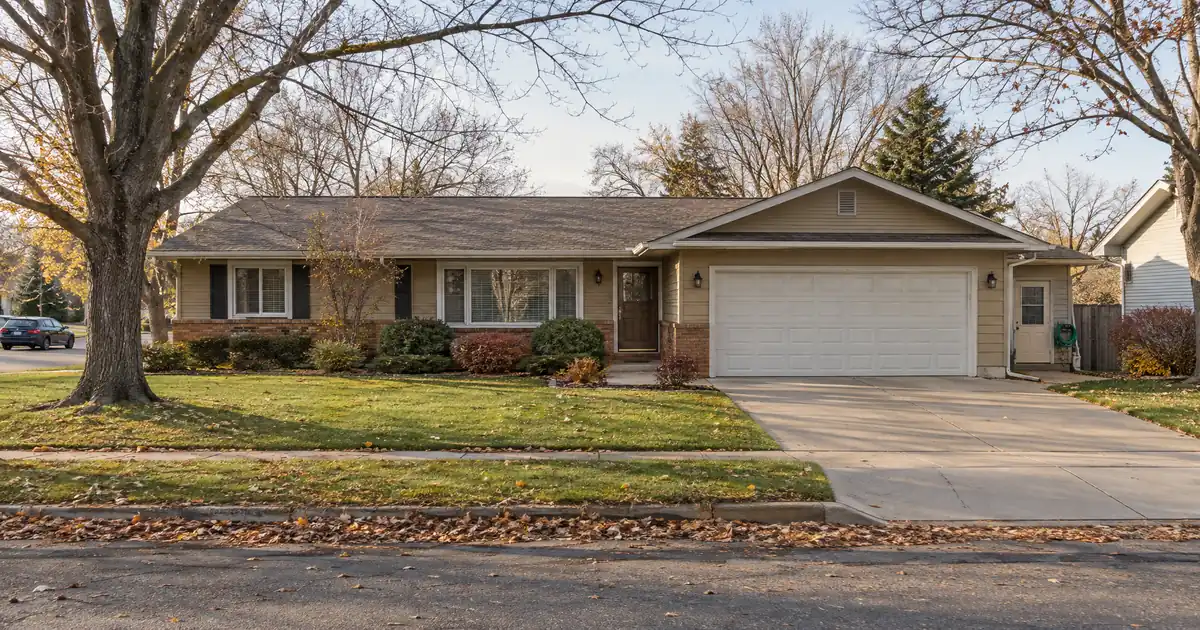
The Quick Read: On most DSCR refinance files, a below-market lease becomes the rent the lender counts, so the fix is to renew at a rent the appraiser’s comparables support, document it in a signed lease, and finish before the appraisal is ordered. Across the programs we place files with, the lender typically credits the lower of the signed lease rent and the appraiser’s market rent. That is a program convention, not a regulation, and it varies by lender.
- A lease under market caps counted rent. A lease over market gets trimmed to the appraiser’s figure.
- Both numbers must rise: the signed lease and the appraiser’s market rent.
- A cash-out refinance feels a rent gap more than a rate-and-term refinance does.
- Sometimes the right call is to take less cash, or to skip the rent fix entirely.
- Coverage compares rent to PITIA only. It is not a measure of cash flow.
A long-tenured tenant is usually a good problem to have. Occupancy is steady, turnover costs are low, and the unit has not sat empty. The trouble starts when the refinance application meets a lease signed years ago. The investor sees a reliable tenant. The underwriter sees a rent ceiling.
DSCR Cash-Out Calculator
Run the cash-out numbers in your market
Rate source: Freddie Mac 30-yr average via FRED® — Federal Reserve Bank of St. Louis · effective Oct 15, 2026
Prefilled with starting assumptions — enter your property’s value, balance, taxes, and insurance for a more accurate picture.
Program parameters update from Lendmire’s centralized guideline source. Taxes and insurance are editable estimates.
As of Oct 15, 2026 · General Freddie Mac market benchmark, not a Lendmire loan offer. Property value, balance, taxes, and insurance are editable estimates. Maximum loan-to-value varies by lender, program, property type, and seasoning. Not a Loan Estimate, approval, or commitment to lend. Program availability and eligibility are subject to lender guidelines, credit approval, property review, and underwriting.
How Does a DSCR Lender Choose Which Rent to Count?
The lender typically counts the lower of the signed lease and the appraiser’s market rent. If the lease is below market, the lease is the ceiling. If the lease is above market, market rent wins. If the unit is vacant, market rent stands alone. Most programs work this way, though a few lenders lean on actual rent instead.
| Situation | Rent typically counted | Effect on coverage |
|---|---|---|
| Lease below market | The lease | Coverage shrinks |
| Lease at market | Either (they match) | Neutral |
| Lease above market | Appraiser’s market rent | Excess ignored |
| Vacant | Market rent alone | Depends on appraisal |
No federal rule sets this. DSCR loans are business-purpose, non-QM loans, so agency rules do not govern them. The agency world matters only for its forms. Fannie Mae Form 1007, the single-family comparable rent schedule, is the document appraisers commonly use to estimate market rent from comparable rentals, and it asks for lease-term information. Two-to-four-unit properties use a different form, and the Fannie Mae forms page lists both. Treat those as form names only. The lender’s own program guidelines decide how the number gets used.
Then the math. Coverage is monthly rent divided by the monthly PITIA on the new loan: principal, interest, taxes, insurance, and any association dues. The old loan’s payment does not matter. Many programs start at 1.00 coverage as a floor. Stronger ratios open better pricing and leverage. A separate path below 1.00 is available through select lenders in the network, with leverage and terms adjusted.
Here is the catch. Two limits set the loan: value, through the leverage cap, and rent, through coverage. The smaller one wins. A file can have plenty of equity and still be capped by rent.
Taxes and insurance do not shrink when rent does, so a modest rent shortfall cuts the loan by a larger percentage. In a modeled illustration, a 10% rent shortfall can cut the loan by roughly 13% when rent is the binding limit. That is a mechanism, not a market statistic. For the full lease-versus-appraiser sequence, the complete DSCR loans guide covers how coverage is built.
Key Terms Defined
- In-place rent: The rent the tenant actually pays under the current lease.
- Market rent: The appraiser’s opinion of what the unit would rent for today, based on comparable rentals.
- Rent schedule: The appraisal exhibit that lays out comparable rentals and the market-rent conclusion.
- Lower-of convention: The common lender practice of counting the lesser of lease rent and market rent.
- PITIA: Principal, interest, taxes, insurance, and association dues on the new loan.
- Seasoning: How long the borrower has owned the property, which matters most on a cash-out. About 6 months is the common expectation.
Why Is Your Tenant Below Market in the First Place?
Diagnose before you fix. A legacy lease signed years ago is a common cause, and it is the most common way a long-term tenant hurts a cash-out. But it is not the only one.
Other causes include free months or concessions built into the lease, a subsidized-rent contract that caps rent, and a discounted lease signed recently just to fill a unit. A related-party tenant is a separate case. Expect market rent and closer review there.
Estimate market rent from signed, nearby rentals, not asking prices. Listing screenshots do not override an appraisal. Then check that the lease, the payment history, and the bank deposits all tell the same story. Underwriters compare them, and a lease that says one thing while deposits say another invites questions.
On multi-unit buildings, a rent roll replaces the single lease. One below-market unit dilutes across total income, so prioritize the units with the widest gap.
Which Tenant Situation Are You In?
The right move depends on where the lease stands. Each situation changes what the lender leans on and what you can realistically do.
| Tenant situation | What the lender leans on | Typical move |
|---|---|---|
| Fixed term, mid-lease | The signed lease | Wait, or renew early by agreement |
| Month-to-month | Market rent, lease as support | Written notice, then a new term lease |
| Expired lease | Market rent | Sign a new lease at supportable rent |
| No written lease | Market rent only | Sign a lease now |
| Subsidized contract | Often capped contract rent | Treat the gap as structural |
Month-to-month and expired tenancies are often the easiest to fix because there is no locked term in the way. Payment history and written terms still matter. A signed fixed-term lease generally locks rent for the term unless it has an escalation clause, according to LeaseParser’s tenant rights guide. Month-to-month tenants can usually be given written notice of an increase, commonly 30 to 60 days depending on the state. Local rent caps may also apply, as ReadYourLease points out. Notice periods and caps vary by jurisdiction, so confirm local rules or ask local counsel before sending anything.
Renew, Wait, Take Less Cash, or Proceed?
Four paths exist, and none wins everywhere. The decision turns on the tenant, the size of the gap, and how much cash you need.
Renew first when the tenant would likely accept a modest step-up, the gap is meaningful, and the lease can be re-papered before the appraisal. This is the cleanest fix because it lifts the signed lease and, if comps agree, supports market rent too.
Proceed as-is when the tenant is reliable and a hike risks losing them. Vacancy and turnover cost real money, and an extra bit of cash-out may not be worth it. This is a judgment call, and a defensible one.
Take less cash when the rent gap is the binding limit and you don’t want to disturb the tenancy. A smaller loan means a smaller payment and a higher ratio.
Wait and re-paper when the lease is mid-term. Update the lease at the next opportunity, then build a few months of payments at the new rent before applying.
Picture an investor holding a long-tenured tenant at a rent well under the comps, planning a cash-out at 75% LTV on a standard rental. At the current lease, modeled coverage lands around 1.10x. Renewed at a rent the comps support, the same file clears roughly 1.25x. That is a modeled illustration, not a market figure. The higher ratio can open better pricing and leverage. It does not change the 75% cash-out ceiling, the credit floor, or reserve rules. These specifics are subject to lender guidelines and a full review of property, leverage, and credit.
Why does a cash-out suffer most? The new, larger loan raises the payment in the denominator, so a low rent has less room to absorb it. A conservative rate-and-term refinance at modest leverage often carries a smaller payment, which gives the same rent more cushion. Lendmire’s piece Can You Get a DSCR Cash-Out Refinance on a Below-Market Lease? goes deeper on that split.
The Pre-Application Timeline
Sequence matters more than speed. The appraisal order is the deadline, because the appraiser’s rent opinion locks in the market side of the equation. Work backward from it.
1. Pull comps and set a target. Find signed nearby rentals. Pick a target rent the comps support, not an aspirational one.
2. Check the legal path. Confirm lease terms, notice rules, and any local cap.
3. Talk to the tenant. Offer options (see below).
4. Sign the renewal. A plan to raise rent counts for nothing until it is in a signed lease.
5. Start the payment history. Let a few months of payments at the new rent build, subject to lender guidelines.
6. Reconcile the file. Match lease, rent roll, and bank deposits.
7. Then order the appraisal.
Doing step 7 before step 4 is the most common mistake. If the appraiser sees the old lease, the file is already framed around it.
DSCR vs. conventional financing
There are two common ways to finance an investment property, and they qualify you differently — here’s how investors weigh them.
Why investors choose it
- Qualifies on the property’s rental income — no personal tax returns, W-2s, or pay stubs needed to document income.
- No personal debt-to-income ceiling to clear, so existing mortgages and obligations don’t cap your borrowing the same way.
- Can be closed in an LLC, keeping the property inside a business entity.
- Built for scaling — not held to the limit on number of financed properties that conventional financing applies.
- Underwriting centers on the deal: generally qualifies when the rent covers the payment, a 1.00x coverage ratio being a common baseline (confirmed in underwriting).
- Designed specifically for investment property, including long-term and, where the program allows, short-term rentals.
Where it’s strong
- Often the lowest ongoing financing cost for a buyer who fully qualifies on personal income — a fit for a first property or a cost-first purchase.
Trade-offs for investors
- Requires full personal income documentation and must fit within a debt-to-income limit — salary, existing debts, and other mortgages all count.
- Typically held in your personal name rather than a business entity.
- Caps how many financed properties you can carry, which can become a ceiling as a portfolio grows.
- Evaluates you as a borrower as much as the property, which usually means more paperwork.
How investors usually choose: a first or single property often optimizes for the lowest financing cost; portfolio builders often optimize for leverage, vesting in an LLC, and scaling past conventional caps. The right answer depends on your goals, the property, and current guidelines — both paths run through select lenders in Lendmire’s wholesale network, with eligibility and terms confirmed in underwriting.
How Do You Talk to the Tenant?
Offer something, not just a notice. Phased step-ups spread the increase and reduce the shock. A longer lease term gives the tenant security in exchange for a documented higher rent. A small, one-time gesture can preserve the documented rent, such as a repair the tenant has asked about.
Weigh the cost of losing them. Add up vacancy, turnover work, and any make-ready against the extra proceeds you would gain. If the numbers are close, a stable tenant often wins. (That is not a loan-driven answer, but it is a good investment one.)
Keep one rule firm: anything that lowers real rent must not hide in a side letter. A concession that undermines the documented rent creates a conflict underwriters can spot. That is why undisclosed side deals backfire.
Mistakes That Backfire
- An unsigned or unaccepted increase. Lenders count the signed lease, not intentions.
- Rent set above comps. The appraiser’s figure caps counted rent, so a lease above market earns nothing extra.
- A discounted lease signed just to fill a unit. It can drag the counted rent down.
- Side-letter concessions. They contradict the documented rent.
- Mismatched records. Lease, deposits, and rent roll should agree.
- Treating coverage as cash flow. Clearing 1.00 is not positive cash flow. DSCR compares rent to PITIA only. Repairs, vacancy, management, utilities, and capex sit outside it.
If the Appraiser’s Number Still Falls Short
Supply real comps. If the appraiser missed recent signed nearby rentals, provide them for review. Asking prices do not count. Reconsideration is possible, but the appraiser decides.
If the number still comes up short, you have levers. Take less cash. Add equity through a larger down payment on a purchase, which lowers the payment and can lift coverage, though it never erases leverage caps, credit floors, reserve rules, or property eligibility. Consider extended terms or interest-only periods, available through select lenders in the network. Coverage below 1.00 is also available through select lenders, with leverage and terms adjusted. Ask first whether you should use it. If a reliable tenant at a legacy rent is the only obstacle, sub-1.00 may be a reasonable bridge. If the whole submarket’s rents cannot support the debt, the issue is the deal, not the paperwork.
With several properties, compare pooling them for blended coverage against re-leasing the weakest first. Lendmire’s article Refinancing a Rental Property With a Below-Market Lease: How the Market Rent Analysis Is Used covers the appraisal side in more detail.
Where the General Rule Breaks
- Programs that lean on actual rent. A few lenders in the network weigh actual rent over the lower-of rule. That is program-specific, so check the guidelines for the file in hand.
- Short-term rentals. Form 1007 asks for monthly market rent and was not built for nightly rates. STR files use a different income path. Typical STR terms include purchase to 75% LTV, refinance around 70%, a 70% cash-out ceiling on short-term-rental collateral, a 640+ score, and about 12 months of hosting history. The coverage floor is 1.00 on both purchases and refinances.
- Subsidized contracts. Rents can be capped and lag market. Treat that gap as structural.
- State differences. The lower-of convention is the same across states. Appraisal practice varies locally.
- Ineligible property types. Manufactured homes, log homes, and barndominiums are not offered in these DSCR programs, regardless of rent.
Frequently Asked Questions
Does a higher lease help if the appraiser disagrees?
No. The lender typically counts the lower of the lease rent and the appraiser’s market rent, so the appraiser’s market rent caps credit. Raising the lease past what comps support adds nothing to coverage.
Can I raise rent mid-lease?
Generally not, unless the lease has an escalation clause or the tenant agrees to a new agreement. A signed fixed-term lease locks rent for its term. Local rules vary, so check them before acting.
Should I renew before ordering the appraisal?
Usually yes, if the tenant will agree and the rent is supportable. Sign the renewal first, then order the appraisal, so the file shows the new rent from the start.
What about month-to-month tenants?
Market rent tends to carry the file, with the lease as support. A written notice period applies, commonly 30 to 60 days depending on the state. Moving the tenant onto a new term lease creates the documentation lenders prefer.
Does this matter more for cash-out than rate-and-term?
Yes. A cash-out, which tops out around 75% LTV on standard rentals, produces a larger payment, so a low rent hits coverage harder. Tax treatment varies; consult a qualified professional. Terms depend on the lender’s guidelines, the property type, the leverage, and a full review of the credit profile.
If you are buying or refinancing a rental property and want to see how the numbers work, Lendmire can help you compare DSCR loan options based on the property income, credit profile, leverage, and investor goals. Qualification is subject to lender guidelines and is not a commitment to lend.
About Lendmire
Lendmire (NMLS# 2371349) is a mortgage brokerage focused on DSCR investor financing, helping arrange programs through wholesale and investor-lending channels in 41 markets, including Washington, D.C. DSCR loans are evaluated by the lender on property cash flow rather than personal income, subject to lender guidelines, supporting LLC closings and accommodating investors with four or more financed properties. Scotsman Guide Top Mortgage Workplace in both 2025 and 2026.
Get Started
Ready to find the right loan for you?
In about 30 seconds you can review financing options available for your investment property. No commitment required.
Informational only. Not a Loan Estimate, approval, or commitment to lend. Program availability and eligibility are subject to lender guidelines, credit approval, property review, and underwriting.
References
2. Fannie Mae Selling & Servicing Guide Forms
3. LeaseParser tenant rights guide
4. ReadYourLease rent increase laws
This article is part of Lendmire’s DSCR loan program — full qualification details, guidelines, and scenarios live on the program page.
Related reading: DSCR Buyout Refinance vs Assumption vs Selling a Divorce Rental · Can a Higher Insurance Renewal Push a Rental Below the DSCR Floor? · Current Carrier vs Re-Quoted Coverage Before a DSCR Refinance
Brandon Miller
Founder & CEO, Mortgage Loan Originator, Lendmire LLC
- Mortgage Loan Originator · NMLS# 1129696 · Verify on NMLS Consumer Access
- North Carolina Real Estate Broker · License# 343312 · Verify on NCREC
- North Carolina Insurance Producer · License# 19053198 · Property, Casualty, Life, Health · Verify on NAIC SBS
- Lendmire LLC · Firm NMLS# 2371349 · Verify firm licensure
Legal disclosures. Lendmire (NMLS# 2371349) is a state-licensed mortgage brokerage that arranges financing through wholesale lender relationships. Lendmire is not a direct lender, depository institution, or registered financial advisor. The discussion above is general informational content about real estate financing — it is not financial, legal, or tax advice, and readers should consult licensed professionals for guidance on their individual circumstances. Loan inquiries are subject to lender underwriting; this article does not represent a commitment to lend. Loan terms, rates, and qualification standards vary by borrower, property, and state, and are subject to change at any time. Equal Housing Opportunity. NMLS Consumer Access: nmlsconsumeraccess.org.