
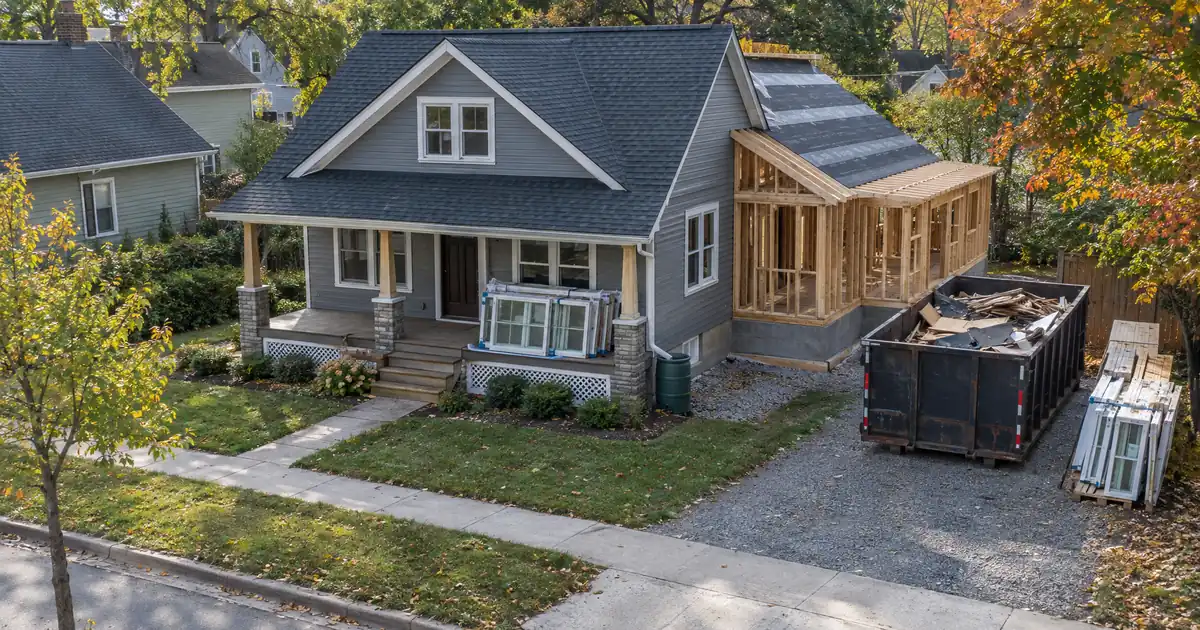
The Quick Read: A hard money lender reviews the property’s rental income, the renovation plan and the exit rather than your personal income. When an LLC buys the flip, the lender adds three layers: the entity’s documents, a personal guarantee from the principal owners, and proof that the guarantor’s credit, experience and cash support the deal. Lendmire, a mortgage broker, places these loans through select lenders in its wholesale network across 41 markets, including Washington, D.C. Every figure below is a typical range that varies by lender, property, and experience.
- Leverage: Loan-to-cost runs 85% of project cost with fewer than 2 completed projects, 90% at 2+, and 93% at 5+, always capped at 75% of after-repair value (ARV).
- Credit: A 620 minimum score is typical, with added conditions below 660.
- Property: Non-owner-occupied residential, 1-4 units, with a documented rehab budget and exit plan.
- Terms: 6-18 months, interest-only, with no prepayment penalty.
- LLC difference: The entity signs the note, and the owners sign a separate personal guaranty. Their credit, track record and cash are what the lender actually reviews.
What Is the Lender Underwriting When the Borrower Is an LLC?
The lender is underwriting three things at once: the deal, the guarantor, and the entity. The deal carries the most weight. A new LLC has no credit history, no traditional personal-income documentation and no track record, so the lender looks through it to the people behind it.
What this loan actually costs to carry.
Hard money is sized against the project and priced by time. Enter the deal and see how much the program will lend, the cash required at closing, the carry while you hold it, and what is left at the exit.
Leverage tiers on the current program: 85% with fewer than 2, 90% with 2 or more, 93% with 5 or more completed projects — every tier capped at 75% of after-repair value. Loan amounts up to $5,000,000, larger by exception; terms of 6 to 18 months, interest-only, no prepayment penalty. The rehab portion funds in draws against completed work, not at closing.
Program parameters shown update from Lendmire’s centralized guideline source. Rate, points, and months are editable assumptions, not quoted terms.
Cost cap sets the loan · positive spread
Illustrative estimate only — not a quote, Loan Estimate, approval, or commitment to lend. Rate, points, and months are editable assumptions. Hard money is business-purpose financing for real estate investors, not a consumer mortgage. Leverage on the current program tops out at 93% of project cost for investors with a documented track record, capped at 75% of after-repair value, with rehab funding up to 100% of the documented budget released in draws; actual terms vary by lender, borrower experience, property, and exit. Lendmire is a mortgage broker, not a lender.
On the deal side, the file usually needs a purchase contract, an as-is value, an ARV estimate, an itemized rehab budget, and a clear exit. The exit is either a sale or a refinance into long-term financing. The leverage cap tied to ARV matters most here. A lender can offer 85%, 90% or 93% of project cost, but the loan still cannot exceed 75% of ARV. Whichever limit binds first controls the loan size.
On the entity side, the lender confirms the LLC exists, who owns it, and who can sign for it. On the guarantor side, the lender reviews credit, liquidity and documented flips.
Hard money is asset-based underwriting. That is different from the way a bank reads a W-2 file. It does not mean the borrower disappears from the file. The property drives the decision, and the person behind the LLC still has to be strong enough to stand behind it.
What Is the Order of Operations?
Form the LLC before you sign the purchase contract, and talk to the lender before you form it. That sequence prevents most entity-related stalls. The usual path looks like this:
1. Form the entity. Typical documents are the articles of organization, an EIN, an operating agreement and a business bank account.
2. Put the contract in the LLC’s name. A contract signed personally can force an assignment later, which adds a step and can complicate the title.
3. Submit the deal package. That means the contract, the rehab budget, the ARV support and the exit plan.
4. Submit the guarantor package. That covers ID, credit authorization, proof of funds and a track-record summary.
5. Clear underwriting and title. The lender reviews the entity documents and confirms how the property will be vested.
6. Close in the LLC’s name. The LLC signs the note and the owners sign the guaranty. Rehab money is released in draws against completed work.
Some lenders want a good-standing certificate. Some want every member’s information, not only the guarantors’. Those details vary, so ask for the entity checklist before you pay a formation fee.
Requirement by Requirement: What Changes in an LLC?
Most requirements stay the same when an LLC is the buyer. The difference is whose name sits behind each one.
| Requirement | What changes in an LLC |
|---|---|
| Credit | Pulled on the guarantor, not the entity |
| Experience | Credited to the person, not the new LLC |
| Cash to close | Often must sit in the LLC or be sourced |
| Documents | Entity papers added to personal ID |
| Title | Vested in the LLC at closing |
| Liability | Guaranty makes the owner personally liable |
Is an LLC Required for a Hard Money Flip?
An LLC is a lender policy, not a legal requirement. Many lenders prefer one, and some require it. Others will lend to an individual who signs a business-purpose affidavit.
The real requirement is business purpose. The federal rule that governs consumer credit, Regulation Z, exempts credit extended for business or commercial purposes. The regulator’s official commentary says the purpose is judged case by case. An LLC supports a business-purpose file, but it does not settle the question alone. America’s Credit Unions notes that even a loan to a trust can fall within the consumer rules when its purpose is personal.
For most flippers, that means the label matters less than the facts. A flip you intend to live in is a different transaction. The program described here is for non-owner-occupied investment property only.
The practical question is whether you want the entity. An LLC separates the flip’s liabilities from your personal assets, and it keeps each project’s books clean. It also costs money, and it adds paperwork. How it affects your liability and taxes is a question for an attorney or CPA, not a lender.
How Does the Personal Guarantee Work?
Expect to sign a personal guaranty even when the LLC is the borrower. A lender cannot size a loan to a brand-new entity with no history, so it asks the owners to stand behind the note.
Here is what that means in practice:
- The LLC is the borrower. It signs the note and holds title.
- The owner is the guarantor. A separate guaranty document makes the owner personally responsible for this loan if the LLC does not pay.
- The shield still works elsewhere. A guaranty on one loan does not remove the LLC’s protection from unrelated claims. It makes you personally liable for that loan.
That is the most common misunderstanding. Investors assume the LLC protects them from the lender. On a guaranteed loan, it does not. If the flip misses its sale price and the loan is not repaid, the lender can pursue the guarantor, not only the property.
Multi-member LLCs add a layer. Lenders typically want guarantees from the principal owners, and the ownership threshold that triggers that varies by lender. A partner who refuses to guarantee can slow the file or change the structure, so settle that question before you apply.
Credit, Experience and Cash: Whose Are They?
All three belong to the guarantor, not the entity. This is where first-time LLC buyers get surprised.
Credit. The lender pulls the guarantor’s score. A 620 minimum is typical for this program, with additional conditions below 660. First-time investors can qualify at the lower leverage tiers. Past credit problems are weighed alongside the strength of the deal, but the program does not promise approval.
Experience. Leverage steps up with documented completed projects: 85% of project cost with fewer than 2, 90% with 2 or more, and 93% with 5 or more. A new LLC has completed nothing, so the lender typically credits the guarantor’s prior flips. Settlement statements, deeds and a project list make that case. Flips done in an earlier entity or in your own name can still count when they are documented. The top tier is reserved for experienced investors.
Cash. The lender wants to see that the money to close and the reserves exist, and where they came from. Cash in a personal account may need to be moved into the LLC’s account, or at least documented as the guarantor’s contribution. Deposits with no paper trail are a common cause of delay. Whether reserves can sit in the guarantor’s account or must be in the LLC depends on the lender.
What Does Cash to Close Look Like in an LLC Flip?
Cash to close is the share of project cost the loan does not cover, plus closing costs, reserves and working capital. Here is how those layers stack, in percentages only:
| Cash layer | Where the number comes from |
|---|---|
| Equity at closing | 15%, 10% or 7% of project cost by tier |
| Closing costs | Title, legal, entity and lender fees |
| Reserves | Set by lender and deal size |
| Draw working capital | Covers work before each reimbursement |
Two points deserve attention. First, the ARV cap can raise your equity requirement above the tier percentage. If the cost-based loan would exceed 75% of ARV, the loan shrinks and your cash goes up. Second, rehab funds can cover up to 100% of the approved rehab budget, but they are released in draws against completed work. You often have to fund the work first and be reimbursed after. Plan for that gap in the LLC’s bank account.
For a bridge purchase with no rehab, the program can reach up to 80% of the purchase price. For a cash-out or rate-and-term refinance, it reaches up to 65% of value. Loans can run up to $5,000,000, with larger sizes by exception.
Where Does the General Rule Break?
These edge cases are where LLC flips most often leave the standard path.
Buying in an LLC but taking the loan personally. This does not solve anything. If you sign the note personally, you are the borrower, and the entity adds little. If the lender wants an entity borrower, a personal-name loan will not fit the program.
Transferring title into an LLC after closing. Many investors buy in their own name and move the property later. Transferring title can trigger the due-on-sale clause in the note, which lets a lender demand repayment. Read the note and ask the lender before you transfer.
Series LLCs. Whether a series LLC qualifies is program-dependent. Some lenders want a standalone single-asset entity. Ask before you structure.
Owner-occupied intent. If you plan to live in the house, it falls outside this business-purpose model. This program covers non-owner-occupied residential property of 1-4 units. It does not cover commercial, industrial, land, lots or hospitality.
Conventional contrast. Agency-style mortgages are generally written to individuals, not LLCs. That is one reason investors buying in an entity turn to business-purpose lenders.
A partner who will not guarantee. This can stall the file. The options are to restructure ownership, bring in a different guarantor, or choose a lender with a different threshold.
Unfamiliar state requirements. An LLC formed in one state may need to register in the state where the property sits. That is a legal question, so ask your attorney.
Why Do LLC-Purchased Flips Stall?
Most stalls come from entity logistics, not from the deal. The usual causes are:
- Late formation. The contract was signed personally, and an assignment is needed.
- Missing operating agreement. The lender cannot confirm who signs or who owns what.
- Unsourced cash. Funds are in the wrong account or have no paper trail.
- Undocumented experience. The guarantor has flipped before but cannot prove it.
- Commingled money. Personal and LLC funds are mixed, which weakens both the file and the liability shield.
The fixes are mostly boring. Open a separate bank account for each flip. Keep the operating agreement current. Assemble the track record before you apply. Courts that weigh whether to disregard an entity look at commingled funds, ignored formalities and thin capitalization, so clean habits protect the shield as well as the loan.
Key Terms Defined
ARV (after-repair value): The estimated market value of the property once the planned renovation is complete.
Loan-to-cost: The loan amount as a share of the total project cost, which includes purchase and rehab.
Personal guaranty: A signed promise by an owner to repay the loan personally if the LLC does not.
Draw: A release of rehab funds after a stage of work is completed and verified.
Vesting: The name in which the property’s title is held at closing.
Due-on-sale clause: A loan term that lets the lender demand repayment if title transfers without consent.
What Happens at the Exit?
Hard money is short-term by design. Terms run 6-18 months, interest-only, with no prepayment penalty, and there are no multi-year options. The exit is a sale or a refinance. Many investors who want to keep the property refinance into long-term rental financing once it is stabilized, and Lendmire brokers that path. A rental-term loan may require either LLC or personal-name vesting depending on the program, so line up the exit loan’s rules before you choose the entity. Lendmire’s complete DSCR loans guide explains how those loans work, including typical leverage and credit tiers across the network.
What Should You Do Next?
Start with the lender’s entity checklist, then form the LLC, then sign the contract. Build the guarantor package early. Keep the LLC’s cash separate from yours. Ask each lender how it credits experience to a new entity, because that single answer often decides which leverage tier you get.
If you are buying, rehabbing or refinancing an investment property on a short timeline and want to see how the numbers work, Lendmire can help you compare hard money options based on the project, the exit plan, leverage and your goals. Nothing here is a commitment to lend. Every file is underwritten individually, and programs change.
This article is general information, not legal or tax advice. Tax treatment varies, so consult a qualified attorney or CPA about your entity structure and your own situation.
Frequently Asked Questions
Do I need an LLC to get a hard money loan for a flip?
No, not by law. Some lenders require an entity, some prefer one, and others lend to individuals on a business-purpose basis. The purpose of the loan matters more than the entity label. Ask each lender about its policy before you form anything.
Can I buy in my own name and move the property into an LLC later?
You can try, but it carries risk. A title transfer can trigger the due-on-sale clause and may complicate title insurance. Read the note and get the lender’s consent in writing first. Buying in the LLC from the start avoids the issue.
Does a brand-new LLC hurt my chances?
Generally not, because the lender looks through the entity to the guarantor. A new LLC has no history, so your own credit, documented flips and cash carry the file. A thin track record affects your leverage tier more than the age of the entity.
Whose credit does the program review?
The guarantor’s. The entity has no personal score, so the lender’s eligibility review looks at the credit of the principal owners who sign the guaranty. A 620 minimum is typical, with added conditions below 660. Requirements vary by lender and by deal.
Can my partner stay off the guarantee?
Sometimes, but not reliably. Lenders usually want guarantees from principal owners, and the ownership threshold varies. If one partner will not sign, you may need to restructure ownership or use another guarantor. Settle this before you apply.
About Lendmire
Lendmire, NMLS# 2371349, is a mortgage brokerage focused on investor financing, arranging DSCR loans in 40 states plus Washington, D.C. — 41 markets total. Qualification is based on the property’s income rather than personal income documentation, subject to lender guidelines, making it a fit for LLC-held rentals and scaling portfolios. Scotsman Guide named Lendmire a Top Mortgage Workplace in both 2025 and 2026.
Short-term financing tends to work best when the long-term plan is decided early – see the hard money loan overview.
Get Started
Ready to find the right loan for you?
In about 30 seconds you can review financing options available for your investment property. No commitment required.
Informational only. Not a Loan Estimate, approval, or commitment to lend. Program availability and eligibility are subject to lender guidelines, credit approval, property review, and underwriting.
References
1. CFPB – 12 CFR 1026.3, Exemptions
2. CFPB – Official Interpretation of 1026.3
3. America’s Credit Unions – Regulations and Business Loans
This article is part of Lendmire’s hard money loan program — full qualification details, guidelines, and scenarios live on the program page.
Related reading: Can You Use Hard Money to Flip a Triplex or Fourplex? · Can You Buy a Flip in an LLC With a Hard Money Loan? · Can You Have More Than One Fix and Flip Hard Money Loan at Once?
Brandon Miller
Founder & CEO, Mortgage Loan Originator, Lendmire LLC
- Mortgage Loan Originator · NMLS# 1129696 · Verify on NMLS Consumer Access
- North Carolina Real Estate Broker · License# 343312 · Verify on NCREC
- North Carolina Insurance Producer · License# 19053198 · Property, Casualty, Life, Health · Verify on NAIC SBS
- Lendmire LLC · Firm NMLS# 2371349 · Verify firm licensure
Required disclosures. Lendmire (NMLS# 2371349) operates as a licensed mortgage broker, not a direct lender or depository. The discussion in this article is general in nature and should not be relied upon as financial, legal, or tax advice — every investment scenario is unique and should be reviewed by a qualified professional. Any loan inquiry is subject to lender underwriting, and this article is not a commitment to lend or a guarantee of approval. Mortgage rates, loan terms, and program guidelines vary by borrower, property, and state, and may change without notice. Equal Housing Opportunity. Verify licensure at NMLS Consumer Access.