
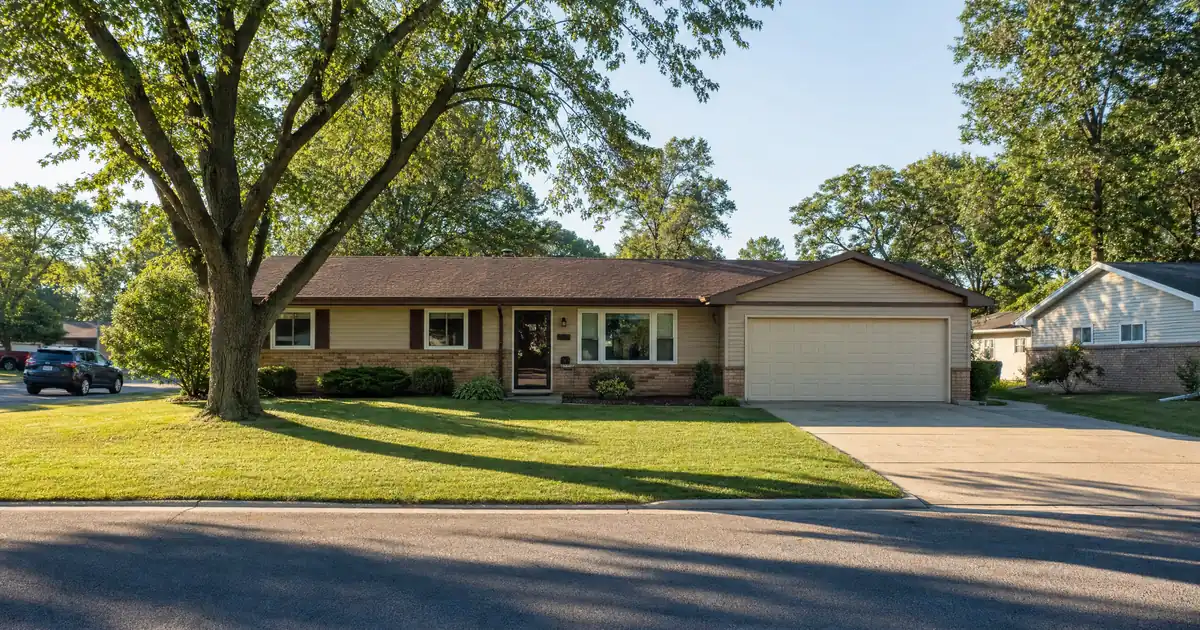
The Quick Read: A cash-out refinance on a rental property pays off your existing mortgage with a new, bigger loan. That new loan gets sized against the property’s current value. You keep the difference in cash after payoff and closing costs. On DSCR programs, the new loan usually caps around 75% loan-to-value. Lenders usually ask for about six months of ownership first. Qualification runs mainly on whether the property’s rent covers its own payment — not on your personal paycheck.
Here’s what matters before anything else: a cash-out refinance isn’t one universal product with one universal rule. It’s a transaction type. The rules depend entirely on which lending channel underwrites the file. A conventional cash-out refinance on investment property runs through agency guidelines. A DSCR cash-out refinance runs through a completely different rulebook — one built around the property’s income, not your W-2s.
DSCR Cash-Out Calculator
Run the cash-out numbers in your market
Rate source: Freddie Mac 30-yr average via FRED® — Federal Reserve Bank of St. Louis · effective Jul 30, 2026
Prefilled with starting assumptions — enter your property’s value, balance, taxes, and insurance for a more accurate picture.
Program parameters update from Lendmire’s centralized guideline source. Taxes and insurance are editable estimates.
As of Jul 30, 2026 · General Freddie Mac market benchmark, not a Lendmire loan offer. Property value, balance, taxes, and insurance are editable estimates. Maximum loan-to-value varies by lender, program, property type, and seasoning. Not a Loan Estimate, approval, or commitment to lend. Program availability and eligibility are subject to lender guidelines, credit approval, property review, and underwriting.
Key Takeaways
- A cash-out refinance replaces your existing mortgage with a bigger one. You pocket the spread after the old loan is paid off and costs are covered.
- DSCR cash-out refinances on rental property typically cap near 75% loan-to-value across most of the wholesale lending network Lendmire works with.
- Roughly six months of ownership is the common expectation. Lenders want that time before they’ll size the new loan off current appraised value instead of the original purchase price.
- Qualification runs on the rent-to-payment ratio (DSCR), not personal debt-to-income. That’s a structurally different underwriting basis than a conventional refinance.
- Manufactured homes (single- and double-wide), log homes, and barndominiums fall outside DSCR eligibility in this network. Equity position doesn’t change that.
Key Terms Defined
Cash-Out Refinance — You replace an existing mortgage with a new, larger loan secured by the same property. You receive the difference in cash at closing.
DSCR (Debt Service Coverage Ratio) — This ratio compares the property’s monthly rental income to its full monthly payment (principal, interest, taxes, insurance, and any association dues — together called PITIA). A ratio above 1.00 means rent covers the payment on paper. Below 1.00 means it doesn’t.
LTV (Loan-to-Value) — This is the new loan amount expressed as a percentage of the property’s current appraised value. Cash-out transactions always carry a lower LTV ceiling than a purchase would.
Seasoning — This is the length of time you must hold title before a lender will size a refinance off current appraised value instead of the original purchase price. Lenders generally count it from the recorded deed date rather than the closing date.
Delayed Financing — This exception lets a cash buyer refinance sooner than the standard seasoning clock allows. Proceeds still get capped at the lesser of the applicable LTV or the documented purchase price.
What a Cash-Out Refinance Actually Does on a Rental Property
The mechanics are simple, even when the underwriting isn’t. The old loan gets paid off. A new loan gets recorded at the current appraised value. Whatever’s left over after that payoff and closing costs goes to you. That’s the entire transaction. What differs — and differs a lot — is how a lender decides how much new loan the property supports.
On the DSCR side, that decision runs on two separate inputs. The appraised value sets the LTV ceiling. The market rent opinion feeds the coverage ratio. These two numbers don’t talk to each other. A stronger rent figure can improve pricing and coverage, but it does nothing to raise the value-based leverage cap. The reverse is true too. This distinction trips up more first-time refinance investors than almost anything else in the file.
For a deeper walkthrough of the equity math itself, Lendmire’s guide on “How To Calculate Cash Out Refinance” breaks down the value-minus-payoff-minus-costs sequence in more detail. The cash-out refinance for investment property page covers how that math shifts specifically on non-owner-occupied assets. If you’re weighing whether the equity is even worth pulling, look at how much you can actually cash out before running the rest of the numbers. The answer is rarely the full equity position.
For a broader look at how DSCR programs are structured across the market generally — not just the cash-out slice — Lendmire’s complete DSCR loans guide covers the full mechanics end to end.
Lendmire is a mortgage broker (NMLS# 2371349) that arranges DSCR investor loans through select lenders across its wholesale network. It doesn’t fund, underwrite, or approve loans directly. It structures files and places them with lenders whose guidelines fit the property and the borrower.
The Six Underwriting Checkpoints
Every DSCR cash-out file moves through the same sequence of gates before it reaches a number. Understanding each one explains why two properties with identical equity can produce very different outcomes.
1. Classification. The file gets sorted first into either rate-and-term or cash-out. That one decision sets the LTV ceiling for everything downstream. Cash-out transactions are always capped lower than a purchase or a rate-and-term refinance would be.
2. Seasoning. Most programs across the network expect roughly six months of ownership. Lenders want that time before they’ll size the loan off current appraised value rather than original purchase price. That clock generally starts on the recorded deed date — not the closing date, which usually lands a few business days earlier. Agency guidelines set a benchmark for contrast: Fannie Mae’s Selling Guide requires at least one borrower to have been on title for 12 months preceding disbursement on a conventional cash-out, with limited exceptions for inheritance or legal award. DSCR lenders aren’t bound by that agency rule. Still, a six-month benchmark shows up repeatedly across the wholesale network anyway.
3. Valuation. An appraisal sets current market value. For a rental property, that appraisal also carries a rent opinion pulled from comparable leases in the area.
4. Coverage math. The rent figure and the appraised value now feed two entirely separate calculations. Value drives the loan ceiling. Rent drives the DSCR numerator. Most standard programs in the network use 1.00 as a starting floor for qualifying coverage. This is a program-specific baseline rather than a universal industry standard. Stronger ratios generally open better pricing and higher leverage tiers.
5. Documentation. The loan is reviewed primarily on whether the property’s rental income covers the payment, not on your personal income documentation. So the file substitutes a rent schedule and lease or market-rent data for W-2s and traditional personal-income documents. DSCR loans are structured as business-purpose investor loans. That means they’re reviewed differently from a standard owner-occupied mortgage — including being exempt from the consumer TRID disclosure timelines (Loan Estimate, Closing Disclosure, three-day rescission) that apply to owner-occupied refinances. That exemption applies to specific federal disclosure rules. It doesn’t mean the loan sits outside all lending law — a point compliance analysts flag as a common misconception in the business-purpose lending space.
6. Credit and reserves. Credit score, liquid reserves (usually counted in months of PITIA on hand), and entity or title documentation close out the file before it moves to closing.
How to Actually Get One: The Process Start to Finish
Skip past the underwriting theory for a second — here’s the practical sequence you actually walk through.
1. Run the equity and coverage math first. Before contacting anyone, estimate current value against the payoff balance. Separately, estimate whether current rent clears the property’s full monthly payment. Both numbers matter on their own.
2. Compare DSCR programs. Leverage caps, credit tiers, and reserve requirements vary a lot across lenders in a wholesale network. Some programs prioritize maximum cash-out. Others prioritize lower reserves or a higher coverage tolerance.
3. Submit the application and documentation package. For a DSCR file, this is largely property-centered: lease or rent data, insurance information, entity documents if the property is titled in an LLC (subject to program eligibility), and a credit pull.
4. Order the appraisal. This establishes both current value and the market rent opinion used in the coverage calculation.
5. Underwriting review. The lender checks classification, seasoning, the DSCR math, credit, and reserves against its own overlays.
6. Review closing documents. Because the loan is business-purpose, the file skips the standard consumer rescission period tied to owner-occupied refinances.
7. Close and receive proceeds. Funds go out after the new loan records and the old loan is satisfied. These specifics are subject to lender guidelines and a full review of property, leverage, and credit.
If you want to see this whole sequence in a single continuous walkthrough, check Lendmire’s step-by-step DSCR cash-out refinance guide for a more granular version of the same process.
The Structures and Variations Available
Loan size, term, and property type all bend the underwriting in different directions. Most standard DSCR cash-out files across the network run up to roughly $3,000,000. Smaller balances get routed through select lenders that specialize in that end of the market. Above about $2,500,000, the network generally holds to 30-year fixed structures. The pricing flexibility you see on smaller loans tends to disappear at that size.
Credit tiers matter more on cash-out than on purchase, since the ceiling is already lower. A 620 floor exists in parts of the network. But most programs want something closer to 660, and 700-plus is typically where the strongest leverage tiers and pricing open up. Term structures beyond the standard 30-year fixed exist too. Extended 40-year amortization and interest-only periods are available through select lenders. Adjustable-rate structures are an option if you specifically want one.
Short-term rentals get their own version of this program, and it’s tighter across the board. Cash-out on an STR typically caps around 70% LTV. Lenders generally want a 640-plus credit score, about 12 months of hosting history, and a 1.00 coverage floor calculated off STR income rather than a standard lease. Lendmire’s page on DSCR loans for Airbnb properties goes deeper on how that income gets documented. Short-term rental rules can also vary by city, county, HOA, and property type. Confirm local rules before you rely on projected nightly income in any refinance scenario.
State lines don’t tighten the general framework: the standard limits apply in every state. Entity-titled properties add one more layer. Loans made to LLCs are available depending on program guidelines, and Lendmire’s page on LLC cash-out refinancing walks through how title and entity documentation factor into the file.
Where the General Rule Breaks: Edge Cases
The six-month seasoning benchmark, the 75% ceiling, the 1.00 coverage floor — none of these are fixed industry law. They’re common patterns across a wholesale network of independent lenders. Each one has a documented exception.
Some lenders in the network clear cash-out files at three months of ownership. Others hold to six. A minority skip seasoning altogether in exchange for reduced leverage. The tradeoff is consistent: shorter seasoning generally means a lower maximum LTV, not a declined file.
Delayed financing waives the clock, not the ceiling. If you bought a property in cash, you can often refinance sooner than the standard seasoning window would allow. But proceeds stay capped at the lesser of the applicable LTV against appraised value or the documented purchase price. The exception removes the waiting period. It doesn’t remove the leverage math.
BRRRR and rehab files run on cost basis until seasoned. For a buy-rehab-rent-refinance cycle, valuation before the seasoning threshold is often anchored to purchase price plus documented, receipted improvement costs rather than the post-rehab appraised value. This is where paper trail discipline separates a strong file from a weak one — permits, receipts, before-and-after documentation, kept from day one rather than assembled after the fact. Lendmire’s BRRRR cash-out refinance page goes further into how that valuation timing plays out across a rehab cycle.
The standard rent-schedule form doesn’t fit short-term rentals. Appraisers use a comparable-rent schedule built around monthly leases, and it’s simply the wrong tool for nightly-rate income. Multiplying a nightly rate by 30 days ignores vacancy, business expenses, and personal-property considerations baked into an STR operation. Lenders reviewing STR cash-out files typically lean on alternative data sources like AirDNA to estimate income instead of forcing a monthly-lease form to do a job it wasn’t built for.
The business-purpose classification has its own line. Not every rental-property loan automatically qualifies as business-purpose. Credit extended to acquire an owner-occupied rental is generally treated as business-purpose only if the property has more than two housing units. Credit to improve or maintain that property needs more than four units to clear the same test. If you’re converting a former primary residence into a rental, you sit closest to this line and should expect closer scrutiny on that classification.
Some property types are simply outside the program. Manufactured homes — single- or double-wide — log homes, and barndominiums fall outside DSCR eligibility across this network, regardless of equity position or coverage ratio. That’s not a “harder to finance” situation. It’s a hard no on the property type itself.
What the Investor Decision Actually Looks Like
Whether DSCR or conventional financing fits better depends on where you sit in a portfolio-building timeline — not on which one is objectively “better.”
| Factor | DSCR Cash-Out | Conventional Cash-Out |
|---|---|---|
| Seasoning | ~6 months (network typical) | 12 months (agency standard) |
| Portfolio cap | Generally none (program dependent) | Caps around 10 financed properties |
| Review basis | Property rent vs. payment | Personal DTI + income docs |
| Reserves | Often subject property only | Typically all financed properties |
The gap in seasoning and portfolio caps is what makes DSCR the more common vehicle for investors actively scaling. A 6-month clock instead of 12 means equity gets recycled roughly twice as often over the same stretch of time. That compounds meaningfully across a growing portfolio. If you have one rental and no near-term plan to buy again, that speed advantage matters less. A conventional cash-out refinance might carry simpler terms if your personal income comfortably supports the debt.
Here’s a genuine toss-up worth thinking through rather than defaulting on: if you have strong traditional employment income and only one financed property, you sit closer to the conventional break-even than a DSCR pitch would suggest. The DSCR case gets stronger specifically as your portfolio grows past what personal debt-to-income can support, not before.
A larger equity position or a bigger down payment on the original purchase lowers the new payment and can lift the coverage ratio. But it doesn’t erase a credit floor, a reserve requirement, or a property-type restriction. The strongest cash-out files clear two tests at once: enough equity to support the LTV, and enough rent to clear the coverage floor. Missing either one usually means adjusting leverage, not walking away entirely. Sub-1.00 coverage structures exist through select lenders in the network, though they generally come with reduced leverage and stronger credit expectations rather than standard terms. Lendmire’s cash-out refinance vs. HELOC vs. DSCR comparison is worth a look if you’re weighing whether a refinance is even the right tool versus a second-lien alternative.
Tax treatment can depend on how you use the funds and how you hold the property. Keep clear records and speak with a qualified tax professional before you rely on any deduction.
If pulling equity to fund your next acquisition, or to reposition a stabilized property’s capital structure, is the goal, Lendmire can help compare DSCR loan options based on the property’s rental income, your credit profile, target leverage, and where you’re trying to go with the portfolio. Reach the team at 828-256-2183 or request a quote directly to see how a specific property’s coverage and equity position line up against current program guidelines.
Loan approval is never guaranteed, and nothing here is a commitment to lend. Every scenario described here is subject to lender approval and to your, the property’s, and the program’s specific guidelines, which can change and are underwritten individually. This article is general information only and isn’t financial, legal, or tax advice.
For deeper background on the mechanics discussed here, see Fannie Mae Selling Guide B2-1.3-02, Limited Cash-Out Refinance.
Frequently Asked Questions
Does a cash-out refinance hurt my credit score?
There’s usually a small, temporary dip from the credit inquiry and the new account. That’s not unique to cash-out refinancing specifically. On the DSCR side, credit still matters for qualification and pricing tier, even though the loan is reviewed primarily on the property’s rental income rather than personal debt ratios.
How soon after buying a rental can I do a cash-out refinance?
Most programs across the network expect roughly six months of ownership, generally counted from the recorded deed date rather than the closing date. Delayed financing is an exception for cash purchases, but it only waives the waiting period. Proceeds are still capped at the lesser of the applicable LTV or the documented purchase price.
Can I cash-out refinance a property titled in an LLC?
Loans to LLC-titled entities are available on many DSCR programs, subject to lender program eligibility and documentation of the entity itself. This is one of the structural differences from conventional agency financing, which generally requires the loan to be in an individual’s name.
What happens if the appraisal comes in lower than expected?
The LTV ceiling is set off appraised value, so a lower appraisal directly reduces the maximum loan amount available, regardless of how strong the rent figure is. Value and rent feed two separate calculations. A strong coverage ratio doesn’t offset a soft appraisal. Terms vary by lender guidelines, property type, leverage, credit profile, and full file review.
Is there a minimum credit score for a cash-out refinance on a rental property?
A 620 floor exists in parts of the wholesale network, though most programs are built around something closer to 660. 700-plus generally unlocks stronger leverage and pricing tiers. Exact thresholds vary by lender, loan size, and property type.
For how equity extraction works on an investment property, see cash-out refinance on an investment property.
About Lendmire
A DSCR-focused mortgage broker, Lendmire (NMLS# 2371349) places investor financing across 41 markets — 40 states plus Washington, D.C. — with DSCR eligibility generally reviewed by the lender on property cash flow instead of tax returns, subject to lender guidelines. Scotsman Guide named Lendmire a Top Mortgage Workplace in 2025 and 2026.
Get Started
Ready to find the right loan for you?
In about 30 seconds you can review financing options available for your investment property. No commitment required.
Informational only. Not a Loan Estimate, approval, or commitment to lend. Program availability and eligibility are subject to lender guidelines, credit approval, property review, and underwriting.
References
1. Fannie Mae Selling Guide, B2-1.3-03: Cash-Out Refinance Transactions
2. Fannie Mae Selling Guide B2-1.3-02, Limited Cash-Out Refinance
This article is part of Lendmire’s investment property cash-out refinance program — full qualification details, guidelines, and scenarios live on the program page.
Related reading: Cash Out Refinance Income Property · Investment Property Refinance Cash Out · How To Do A Cash Out Refinance On An Investment Property
Brandon Miller
Founder & CEO, Mortgage Loan Originator, Lendmire LLC
- Mortgage Loan Originator · NMLS# 1129696 · Verify on NMLS Consumer Access
- North Carolina Real Estate Broker · License# 343312 · Verify on NCREC
- North Carolina Insurance Producer · License# 19053198 · Property, Casualty, Life, Health · Verify on NAIC SBS
- Lendmire LLC · Firm NMLS# 2371349 · Verify firm licensure
Compliance and disclosures. Lendmire (NMLS# 2371349) is a licensed mortgage broker and is not a direct lender, depository institution, financial advisor, or tax professional. Content in this article is general market analysis and educational information — not financial, legal, or tax advice for any specific situation. Lendmire does not guarantee loan approval; every transaction is subject to underwriting by the funding lender. Mortgage pricing and loan program guidelines are subject to change at any time without notice and vary by borrower characteristics, property type, and state regulations. Lendmire complies with Equal Housing Opportunity. Licensure verification: NMLS Consumer Access.