
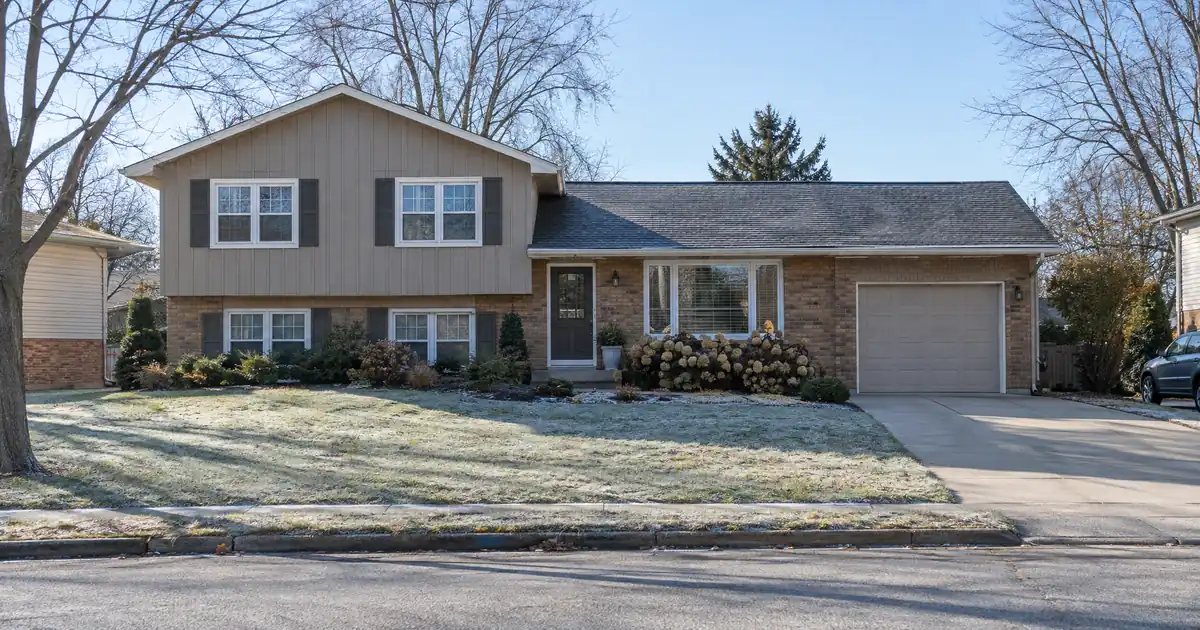
The Quick Read: Refinancing after renovations means replacing your purchase or bridge financing with a permanent loan sized on the property’s new appraised value and its market rent. The appraisal sets the loan, not your renovation budget, and the rent has to cover the new, larger payment on its own.
- The appraiser’s value opinion caps the loan. Your own after-repair estimate is not an underwriting input.
- A cash-out refinance on a standard rental tops out around 75% LTV across most of the wholesale network, subject to lender guidelines.
- About 6 months of seasoning is the common expectation, and it is lender policy rather than law.
- Coverage is tested on the appraiser’s market-rent opinion. A strong value with thin rent can still cap the loan.
- Clearing 1.00 coverage does not mean the property cash flows after repairs, vacancy, and management.
Lendmire is a DSCR-focused mortgage broker that arranges these loans through select lenders in its wholesale network across 41 markets, including Washington, D.C. What follows is how those files actually move from finished work to a new loan.
DSCR Cash-Out Calculator
Run the cash-out numbers in your market
Rate source: Freddie Mac 30-yr average via FRED® — Federal Reserve Bank of St. Louis · effective Oct 15, 2026
Prefilled with starting assumptions — enter your property’s value, balance, taxes, and insurance for a more accurate picture.
Program parameters update from Lendmire’s centralized guideline source. Taxes and insurance are editable estimates.
As of Oct 15, 2026 · General Freddie Mac market benchmark, not a Lendmire loan offer. Property value, balance, taxes, and insurance are editable estimates. Maximum loan-to-value varies by lender, program, property type, and seasoning. Not a Loan Estimate, approval, or commitment to lend. Program availability and eligibility are subject to lender guidelines, credit approval, property review, and underwriting.
What Does “Capturing the New Value” Mean?
It means a lender recognizes the higher appraised value and lends against it, so the capital you put into the rehab can come back out. Nothing is automatic. The lender’s appraiser has to agree that the work raised the value, and the rent has to support the new loan.
Four terms drive the whole process:
- After-repair value (ARV): your estimate of what the property is worth once the work is done.
- Appraised value: the lender’s appraiser’s opinion, which is the number that counts.
- Cost basis: purchase price plus documented rehab spending.
- Seasoning: the waiting period before a lender will size a cash-out on appraised value.
BRRRR (buy, rehab, rent, refinance, repeat) is a sequence of steps, not a loan product. AdviceOnly’s glossary notes it has no issuing body, and the refinance step is an ordinary cash-out refinance. The lender’s policy sets the terms. If you want the broader framework, Lendmire’s complete DSCR loans guide covers how these loans are built.
Can You Refinance Right After the Renovation?
Usually you can apply, but the loan may be sized on cost rather than the new value until seasoning is met. Across most programs in the network, about 6 months of ownership is the common expectation for a cash-out sized on appraised value. Inside that window, many lenders size on cost basis: price plus documented rehab.
Two points trip up files:
1. The clock commonly runs from title recording, not from rehab completion or lease signing. Programs differ, so get the rule in writing before you buy.
2. Some lenders in the network treat documented value-add deals more flexibly than others. That is lender-specific, never a general rule.
Investors often confuse this with agency rules. The point is simple: the agency six-month title rule and the twelve-month condition on paying off an existing first mortgage are separate things, and neither governs a DSCR file. Seasoning for these loans is set by the lender.
Which Refinance Type Fits?
Match the request to the goal, because the classification changes leverage and seasoning.
| Request | Cash back? | Leverage and seasoning |
|---|---|---|
| Payoff only (rate-and-term) | None | Higher ceiling, lighter seasoning |
| Cash-out | Yes, beyond payoff and costs | About 75% LTV, about 6 months |
| Short-term rental cash-out | Yes | 70% LTV, about 12 months hosting history |
A payoff-only refinance returns no cash. Any cash beyond payoff and closing costs makes it a cash-out. For standard rentals the cash-out ceiling is around 75% LTV; for short-term-rental collateral it is 70%, with a 640+ score and a 1.00 coverage floor on refinances typical of those programs. These specifics are subject to lender guidelines and a full review of property, leverage, and credit.
A hybrid sometimes works: pay off the bridge now with a rate-and-term loan, then do a cash-out later once value and seasoning line up. That costs two sets of closing fees, so it only makes sense when the seasoning gap is real.
How Do Lenders Actually Value a Renovated Rental?
They run two tests, and either can cap the loan. One is value. The other is rent.
The value test. The appraiser compares your property to recent sales and adjusts for condition. The loan is a percentage of that appraised number, not of what you spent. An improvement may support a higher appraised value, depending on comps and underwriter review. Nothing more should be assumed.
The rent test. The appraisal also carries a market-rent opinion. For a one-unit rental, that is the single-family comparable rent schedule, form 1007. Fannie Mae’s Selling Guide lists it for one-unit investment properties that use rental income, and it is used here only to explain the form. For 2–4 units the appraiser uses the small residential income property report, form 1025, and reconciles market rent for each unit. The appraiser completes these forms, not the borrower.
Coverage is monthly rent divided by PITIA: principal, interest, taxes, insurance, and any HOA dues. The new loan is larger than the old one, so the ratio drops compared with where the property sat before. Most files land in a workable range, but a rent that looks fine on a pro forma can come back lower on the appraiser’s schedule. Your pro forma is not what the lender uses.
Step by Step: From Finished Work to a New Loan
1. Document the work as it happens. Keep invoices, permits, draw history, and before-and-after photos. These support a cost basis if the lender sizes on cost, and they back up a value challenge later.
2. Lease up. Lenders look for a signed lease, a security deposit, and evidence of the first rent payment. A vacant property can still be reviewed in some structures, but a seasoned lease makes the file cleaner.
3. Check the seasoning clock. Confirm the start date (title recording, generally) and the lender’s rule in writing.
4. Classify the request. Payoff-only or cash-out. This sets leverage and reserves.
5. Order the appraisal and get the evidence packet in. More on that below.
6. Run the coverage test. Rent from the appraiser’s schedule, divided by the new PITIA. Many select programs start at 1.00. A separate select-lender path takes coverage below 1.00, with leverage and terms adjusted.
7. Reconcile the settlement. Cash released equals the new loan, minus the bridge or private-money payoff, minus closing costs. Check the payoff letter for per diem and fees before you count on a number.
The Appraisal Evidence Packet
The appraiser does not see your renovation. They see a property and comps. Hand over the story:
- Scope of work with itemized receipts
- Permits and final inspection sign-offs where required
- Before and after photos in the same rooms
- Recent in-neighborhood sales you consider comparable, and why
- The signed lease and rent history, if any
If the value comes back light, this packet is also what supports an appraisal reconsideration request. A reconsideration works best with specific recent sales and condition adjustments, not a general complaint.
Worked Example: Three Appraisal Outcomes
Run the numbers this way. These are modeled assumptions, not market data. Picture a rental bought and renovated with an all-in cost basis, refinanced on a cash-out at about 75% LTV. Terms depend on the lender’s guidelines, the property type, the leverage, and a full review of the credit profile.
- Strong appraisal. Value comes in at or above the ARV target. The loan sizes off value, the bridge pays off, and most or all of the invested capital comes back. Coverage lands comfortably above the floor.
- Modest appraisal. Value lands a bit under target. At the same percentage of a smaller number, the loan shrinks, and some capital stays in the property. The deal still works, but fewer dollars are free for the next purchase.
- Weak appraisal. Value comes in well under. The loan may not clear the bridge payoff. Options: bring cash to close, take a smaller loan, wait and reappraise, or challenge the value with comps and documentation.
The key point: the loan is a percentage of the appraisal, not a refund of what you spent.
Where the General Rule Breaks
Some files do not follow the usual path.
- Delayed financing. This is an agency concept. AdviceOnly explains the new loan cannot exceed documented initial investment plus costs, so renovation spending falls outside the formula. It fits cash buyers, not investors who borrowed against the subject. DSCR lenders set their own seasoning exceptions.
- Rent caps the loan before value does. A strong appraisal with thin rent can leave coverage as the binding limit. Value and rent are two tests.
- Property type. Short-term rental collateral and 2–4 units can carry different leverage caps. Manufactured homes, log homes, and barndominiums are not offered in these programs.
- A second cash-out soon after the first. Lenders typically ask how long the first loan has been in place, how much the value has risen since the last appraisal, what reserves the borrower holds, and whether the first loan carries a prepayment charge.
- Long-held property renovated later. If you bought years ago, seasoning is not the issue. The appraisal and rent are.
Credit, Reserves, and Loan Size
On most files, a score around 660 is the common expectation. A 620 floor exists in parts of the network, and 700+ unlocks the strongest leverage tiers. Reserves are commonly about 6 months of PITIA, stepping up to about 9 months above $1,500,000. Loan sizes run up to $3,000,000 on standard programs. Reserves documentation is a frequent gap: asset statements need to show the funds are seasoned and sourced, not just present. All of this is subject to lender guidelines and not a commitment to lend.
If the property sits in an LLC, the entity documents need to be complete and matching, subject to lender program eligibility.
What the Decision Looks Like in Practice
Cash recovered decides how much capital moves to the next deal. Timing risk is the other side. A slow rehab or long seasoning wait can collide with the bridge loan term, so plan the exit before you close the bridge.
Also watch cash flow. A coverage ratio at or just above 1.00 does not mean the property cash flows. Coverage compares rent to PITIA only. Repairs, vacancy, management, utilities, and capex sit outside it. A larger down payment, or lower leverage, can lift the ratio, but it never erases leverage caps, credit floors, or reserve rules.
Alternatives exist. An investment-property HELOC caps at $500,000 total and suits phased spending. Selling and waiting are also valid. Tax treatment can depend on how the funds are used and how the property is held; investors should keep clear records and speak with a qualified tax professional before relying on any deduction.
For related ground, see Lendmire’s piece Refinancing a Rental Property After a Renovation Paid in Cash: Using the New Appraised Value.
Frequently Asked Questions
How soon after renovations can I refinance?
You can usually apply once the work is done, but a cash-out sized on appraised value typically waits for about 6 months of seasoning. Inside that window, the loan is often sized on cost basis. Lender rules differ, so confirm the start date in writing.
Does the lender use my after-repair value estimate?
No. The lender’s appraisal sets the loan. Your estimate is useful for planning the deal, but it is not an underwriting input.
What if the appraisal comes in low?
Options include bringing cash to close, taking a smaller loan, waiting and reappraising, or requesting reconsideration with recent comps and rehab documentation. Which one fits depends on how far short the value falls and what your bridge term allows.
Do renovations raise the rent used for coverage?
They can, but only through the appraiser’s market-rent opinion, not your pro forma. If rent is thin relative to the new loan, coverage becomes the limit even when value is strong.
Is BRRRR a loan program?
No. It is a sequence of steps, and the refinance is an ordinary cash-out refinance under the lender’s policy.
If you are buying or refinancing a rental property and want to see how the numbers work, Lendmire can help you compare DSCR loan options based on the property income, credit profile, leverage, and investor goals. Call 828-256-2183 or request a quote.
For current guidelines and terms, see Lendmire’s DSCR loan programs page.
About Lendmire
Lendmire is a non-QM mortgage brokerage (NMLS# 2371349) arranging DSCR investor loans in 41 markets, including Washington, D.C., through wholesale and investor-lending channels. DSCR loans are evaluated by the lender on rental income rather than personal income, subject to lender guidelines — a fit for LLC-owned portfolios, self-employed investors, and operators scaling beyond conventional loan caps. Recognized as a Scotsman Guide Top Mortgage Workplace in 2025 and 2026.
Get Started
Ready to find the right loan for you?
In about 30 seconds you can review financing options available for your investment property. No commitment required.
Informational only. Not a Loan Estimate, approval, or commitment to lend. Program availability and eligibility are subject to lender guidelines, credit approval, property review, and underwriting.
References
2. Fannie Mae Selling Guide B4-1.2-01
3. Fannie Mae (document 12376)
This article is part of Lendmire’s DSCR loan program — full qualification details, guidelines, and scenarios live on the program page.
Related reading: DSCR Refinance Loans for Landlords Weighing a Rental Refinance · DSCR Cash-Out Refinance Requirements for a Rental Condo and Its HOA · Super Jumbo DSCR Purchase vs Cash-Out Refinance on a $3M Rental
Brandon Miller
Founder & CEO, Mortgage Loan Originator, Lendmire LLC
- Mortgage Loan Originator · NMLS# 1129696 · Verify on NMLS Consumer Access
- North Carolina Real Estate Broker · License# 343312 · Verify on NCREC
- North Carolina Insurance Producer · License# 19053198 · Property, Casualty, Life, Health · Verify on NAIC SBS
- Lendmire LLC · Firm NMLS# 2371349 · Verify firm licensure
Important disclosures. Lendmire (NMLS# 2371349) is a licensed mortgage brokerage. Lendmire is not a direct lender, depository institution, or financial advisor. All loan inquiries are subject to lender underwriting; this article does not constitute a commitment to lend. Rates, terms, and program guidelines are subject to change without notice and vary by borrower profile, property type, and state. Information in this article is general in nature and is not financial, legal, or tax advice. Equal Housing Opportunity. NMLS Consumer Access: nmlsconsumeraccess.org.