
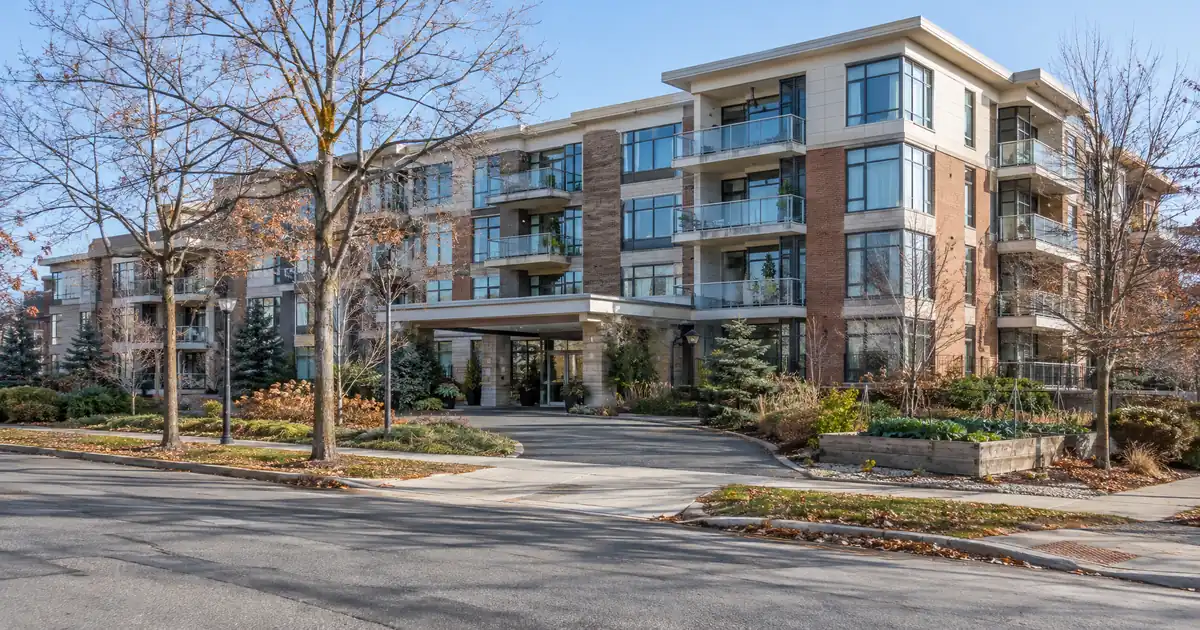
The Quick Read: You insure a resort condo used for nightly stays in layers: the association’s master policy covers the building, and you add a unit policy written for short-term rental use, with business-income, guest-liability, and loss-assessment coverage. A standard owner-occupied condo policy usually will not respond to paying guests. Lenders look at the insurance line inside the DSCR payment, so the form you choose affects both the claim and the file.
- Master policy type (bare-walls, single-entity, or all-in) decides how much interior coverage you carry.
- A standard HO-6 is built for owner use, so confirm the form expressly allows nightly rental.
- Business-income coverage matters more than a loss-of-use clause.
- Raise the loss assessment limit, and check the flood layer separately.
- Insurance sits in the monthly obligation your coverage ratio is measured against.
A resort building adds a wrinkle most condo buyers never face. Hotel-style amenities, front desks, and rental programs change who insures what. This walkthrough covers the mechanics from start to finish, then the edge cases where the usual advice breaks.
Short-Term Rental Calculator
Run the STR numbers in your market
Rate source: Freddie Mac 30-yr average via FRED® — Federal Reserve Bank of St. Louis · effective Oct 15, 2026
Prefilled with starting assumptions — enter your nightly rate, occupancy, taxes, and insurance for a more accurate picture.
Short-term rental income is documented with a 12-month history or a market data report. Program parameters update from Lendmire’s centralized guideline source.
As of Oct 15, 2026 · General Freddie Mac market benchmark, not a Lendmire loan offer. Nightly rate, occupancy, taxes, and insurance are editable estimates. Qualifying income for short-term rentals varies by program — some use appraisal market rent, others use documented STR history or projections — and is confirmed in underwriting. Not a Loan Estimate, approval, or commitment to lend. Program availability and eligibility are subject to lender guidelines, credit approval, property review, and underwriting.
Key Terms Defined
DSCR (debt service coverage ratio): The property’s monthly rent divided by its full monthly obligation. The loan is reviewed primarily on property-level rental income covering the payment, subject to lender guidelines.
PITIA: Principal, interest, taxes, insurance, and association dues. It is the monthly obligation the rent has to cover.
Master policy: The association’s insurance on the building and shared areas.
HO-6: The unit-owner policy form. It covers your interior, belongings, personal liability, and your share of certain association losses.
DP-3: A dwelling-fire policy written for rental properties. It is the landlord-style alternative to an HO-6.
Loss assessment: Coverage for your share when the association bills owners after a covered loss exceeds the master policy limits.
Business income: Coverage for lost earnings when a covered event shuts down bookings.
Named insured: The person or entity listed on the policy as the owner of the coverage.
Why Does a Standard Policy Fail Nightly Guests?
A standard HO-6 is written for owner-occupied or occasional personal use. It is not written for a steady stream of paying guests. The Zebra notes that an HO-6 liability policy will not cover a condo while it is used as a short-term rental.
Here is the catch. Many policies carry a business-activity exclusion. One insurer’s blog, Proper Insurance, says that exclusion can let a carrier deny a claim at the rental, even for something ordinary like fire or storm damage. That is an uninsured loss on a property you are financing.
BiggerPockets states the takeaway plainly: homeowner’s insurance typically does not cover Airbnb rentals, so you need extra coverage such as landlord or short-term rental insurance.
Platform protection does not fix this. Airbnb AirCover is not insurance, and it does not replace a homeowners or dedicated short-term rental policy, per the same Proper Insurance article. Treat it as a supplement. A lender reviewing the file generally wants a real property policy as the primary coverage.
One more point on requirements. AirDNA says short-term rental insurance is not legally required in most places. A lender, the HOA, or the building’s rental program can still require it. Short-term rental rules can vary by city, county, HOA, and property type, so investors should confirm local rules before relying on projected rental income.
What Does the Master Policy Cover?
Start here, before you price anything. The master policy sets the floor, and your unit policy fills in what it leaves out. Per Insuranceopedia, the master policy covers the building and shared areas but does not protect your personal property or the unit’s interior finishes.
Master policies come in three types. A market source’s learning center describes them this way: a bare-walls master covers only the building shell, a single-entity policy adds original fixtures as first installed but not your upgrades, and an all-in policy covers both.
| Master policy type | What it covers | What you insure |
|---|---|---|
| Bare-walls | Building shell only | Interior, fixtures, finishes |
| Single-entity | Shell plus original fixtures | Upgrades and improvements |
| All-in | Shell, fixtures, upgrades | Mostly contents and liability |
The type drives your unit’s dwelling limit. The HOA Guide explains that bare-walls masters call for high HO-6 dwelling limits, while all-in masters need less.
Ask the association or its manager for the master policy declarations page first. It shows the type. Also ask for the master hurricane or wind deductible. Fuller Insurance points out that the larger that deductible, the more loss assessment limit is worth carrying.
Which Unit Policy Form Fits a Resort Condo?
Two routes exist for the unit: an HO-6 endorsed for short-term rental, or a DP-3 dwelling-fire policy designated for condominium rental use. Which one fits depends on how you use the unit.
One agency, a South Carolina coastal insurance page, says occasional personal use with infrequent rentals may be handled by an endorsement. Active year-round rental programs typically need a landlord policy such as a DP-3 rather than an HO-6.
| Form | When it tends to fit | What to confirm |
|---|---|---|
| HO-6 with STR endorsement | Mixed personal and rental use | Booking-frequency limits, loss assessment |
| DP-3 for condo rental | Year-round nightly rental | Business income, contents, loss assessment |
| Commercial habitational form | Some resort or operator-run setups | Which carrier will issue it |
Investors on BiggerPockets argue that short-term rentals need commercial-style coverage with lost-income and enhanced liability protection. That is one investor thread, and it is opinion, not a rule. Still, it points at the right question: does the form respond to guests, to lost bookings, and to a claim at the rental?
Some carriers refuse the rental endorsement outright. Florida Risk Partners says many carriers will not allow rental endorsements at all. Others restrict how often you can book.
What Should the Coverage Checklist Include?
Cover four items on a furnished resort unit: guest liability, medical payments, property damage caused by guests, and lost business income. Each one fills a gap a standard policy leaves open.
Business income, not just loss of use. BiggerPockets draws a clear line. Short-term rental insurance is measured against the property’s real earnings, while a landlord policy is measured against average long-term rent. The declarations page should say business income, not loss of rents, per this BiggerPockets comparison guide. A homeowners loss-of-use clause is a different thing entirely. Proper Insurance calls it very different from loss of income or revenue coverage.
The downtime risk is real. BiggerPockets notes that landlord policies do not include loss-of-revenue protection, so revenue lost during repairs is typically uninsured.
Furnished contents. A fully furnished unit rarely fits the standard HO-6 contents allowance. STR Guard makes this point, so price a contents limit that matches what is actually in the unit.
Loss assessment. When a covered loss to shared property exceeds the master limits, the HOA can split the shortfall among owners. Default limits are small. The HOA Guide says the default $1,000 sub-limit is rarely enough today. In a resort building with a big shared pool deck, elevators, and amenities, a shortfall can be large.
Loss assessment has limits too. It generally responds only to covered losses. It does not pay assessments for maintenance, deferred repairs, reserve funding, or engineering work. Florida is a named example: an agency source says state law sets a $2,000 minimum loss assessment for HO-6, and the HO-6 does not pay milestone-repair or reserve assessments. That is a Florida-specific rule, offered here only as an example.
Umbrella coverage. Do not assume your personal umbrella reaches the rental. Some agencies warn that many owners do not realize a personal umbrella may not extend to incidents at a short-term rental. It depends on the wording, so read it.
Do You Need Separate Flood Coverage?
Often, yes.
FEMA runs the National Flood Insurance Program, which offers a master flood policy for condo associations, called a RCBAP. Per an FEMA condo association brochure hosted on a city government site, only associations in participating communities whose buildings are at least 75% residential are eligible. An RCBAP does not apply where 25% or more of the building is non-residential. That matters for resort buildings with large hotel, commercial, or retail space.
The RCBAP limit is the lesser of $250,000 multiplied by the number of units or the building’s replacement cost. The same brochure recommends that unit owners buy their own building and contents policies. FEMA’s dwelling form lets a unit owner carry building coverage even when an RCBAP exists, subject to anti-duplication rules. The hosted brochure is undated, so verify current figures with FEMA before relying on them.
Two gaps to know about. RCBAP coverage does not extend to owner belongings. And insuring the building below 80% of replacement cost triggers a coinsurance penalty, which an agency source says can reach unit owners as a special assessment.
What Changes If the Building Runs a Rental Program?
Some resort buildings run a hotel-style rental pool, often called a condotel. The unit policy then has to coordinate with the operator’s coverage. Ask who carries guest liability in common areas and who carries it inside the unit.
Read the master policy for transient-occupancy language. A master policy written for a residential building may treat nightly guests very differently than one written for a building with a front desk. Ask the association or manager for written confirmation, and ask your agent to review it against your unit form.
Mandatory programs are generally simpler to document. Voluntary ones usually need unit-level rent verification. Either way, the building has to permit the use, so confirm the association rules before you count on rental income.
Pools and similar amenities raise liability exposure for the whole building. Your unit’s liability limit and the master policy’s limit both matter here.
How Does Insurance Fit the DSCR File?
Insurance sits inside the DSCR denominator. DSCR is monthly rent divided by the full monthly obligation: principal, interest, taxes, insurance, and association dues. A condo with short-term rental coverage costs more to insure than an owner-occupied HO-6. One real estate agency blog attributes that to higher liability risk and frequent claims from transient guests. HOA dues and any assessment sit in the same ratio.
So quote the short-term rental policy before you underwrite the deal. Do not model a generic HO-6 premium. A thin file can slip from comfortable to tight when the real premium arrives. If you use the site’s illustrative calculator, enter the building’s actual HOA dues rather than leaving that field at zero, because resort buildings carry real dues and they move the ratio.
Run it conceptually. Say a resort condo clears roughly 1.15x on a generic policy. Swap in the rental-specific policy and a higher dues figure, and the same rent might land closer to 1.05x. The rent never changed. The denominator did.
Program basics matter alongside that math. Across our wholesale network, short-term rental purchases generally run up to 75% LTV on the strongest files, while short-term rental refinances and cash-outs run up to 70%. Most programs expect a 640+ credit score and about 12 months of hosting history. The coverage floor is 1.00 on both purchases and refinances, though pricing and leverage improve with stronger ratios. All of this is subject to lender guidelines, and not a commitment to lend. A larger down payment can lift the ratio by lowering the monthly obligation, but it does not erase credit floors, reserve rules, or property eligibility. Clearing 1.00 is also not the same as positive cash flow, because repairs, vacancy, management, and utilities sit outside the calculation.
Lendmire’s complete DSCR loans guide walks through how these pieces fit together. For a related angle, Lendmire’s piece How to Finance a Resort Condo Short-Term Rental When You Live on Assets covers a different qualification path.
A practitioner pattern worth stating: on short-term rental condo files, insurance problems usually show up late. The rent numbers work, then the wrong form, a mismatched named insured, or a missing master policy page stalls the file. The insurance form can sink a deal even when the income clears.
DSCR vs. conventional financing
There are two common ways to finance an investment property, and they qualify you differently — here’s how investors weigh them.
Why investors choose it
- Qualifies on the property’s rental income — no personal tax returns, W-2s, or pay stubs needed to document income.
- No personal debt-to-income ceiling to clear, so existing mortgages and obligations don’t cap your borrowing the same way.
- Can be closed in an LLC, keeping the property inside a business entity.
- Built for scaling — not held to the limit on number of financed properties that conventional financing applies.
- Underwriting centers on the deal: generally qualifies when the rent covers the payment, a 1.00x coverage ratio being a common baseline (confirmed in underwriting).
- Designed specifically for investment property, including long-term and, where the program allows, short-term rentals.
Where it’s strong
- Often the lowest ongoing financing cost for a buyer who fully qualifies on personal income — a fit for a first property or a cost-first purchase.
Trade-offs for investors
- Requires full personal income documentation and must fit within a debt-to-income limit — salary, existing debts, and other mortgages all count.
- Typically held in your personal name rather than a business entity.
- Caps how many financed properties you can carry, which can become a ceiling as a portfolio grows.
- Evaluates you as a borrower as much as the property, which usually means more paperwork.
How investors usually choose: a first or single property often optimizes for the lowest financing cost; portfolio builders often optimize for leverage, vesting in an LLC, and scaling past conventional caps. The right answer depends on your goals, the property, and current guidelines — both paths run through select lenders in Lendmire’s wholesale network, with eligibility and terms confirmed in underwriting.
What Documents Does the Lender Review?
Underwriters typically want the master policy declarations, the unit policy declarations, and flood documentation where it applies. Lenders generally review the deductibles on both.
Follow this sequence:
1. Request the master policy declarations from the association.
2. Identify the master type and the wind or hurricane deductible.
3. Get quotes on the rental-specific unit form, with business income and loss assessment priced in.
4. Check flood status for the building and for your unit.
5. Make sure the entity is the named insured if the unit is held in an LLC, subject to lender program eligibility.
6. Bind the policy so the declarations page is ready for the lender.
Where the Usual Advice Breaks
A few edge cases deserve a look before you commit.
| Mistake | What goes wrong | Fix |
|---|---|---|
| Unit rented without telling the carrier | Claim denied | Disclose use, get the form in writing |
| Generic HO-6 modeled in the DSCR | Ratio overstated | Quote the rental policy first |
| Default loss assessment limit | Special assessment hits you | Raise it against the master deductible |
| Policy names you, not the LLC | Mismatch stalls the file | Match the named insured to the borrower |
| Assumed the master flood policy covers you | Building ineligible or contents uncovered | Confirm RCBAP status and carry your own |
The toss-up case is the operator-run building. The rental program may simplify some documentation, but it adds a coordination layer between the operator’s coverage and yours. Neither path is automatically easier. It depends on the building.
Frequently Asked Questions
Is Airbnb AirCover enough insurance for my resort condo?
No. AirCover is not insurance, and it does not replace a homeowners or dedicated short-term rental policy. It also carries exclusions such as wear and tear and loss of income. Treat it as a supplement, and expect a lender to want a real policy as the primary coverage.
Do I still need an HO-6 if the HOA has a master policy?
Yes, in some form. The master policy covers the building and shared areas but not your interior finishes, belongings, or personal liability. For a nightly rental, the unit policy should be an HO-6 endorsed for rental use or a DP-3 written for condo rental.
Can I use a landlord policy instead?
Sometimes. A DP-3 is the landlord-style form for active year-round rental. The catch is that a landlord policy is measured against average long-term rent and typically lacks loss-of-revenue protection. Confirm the declarations page says business income before you count on it.
What if my carrier will not write short-term rental on my unit?
Move to a carrier or form that will. Some insurers refuse rental endorsements entirely, and others limit how often you can book. A specialty short-term rental policy or a commercial form may be the answer. Resolve this before you rely on the rental income.
Does the LLC need to be the insured?
Usually the named insured should match the borrower. If the unit is held in an LLC, the policy should reflect that, subject to lender program eligibility. A mismatch between the policy and the title is a common reason files stall.
If you are buying or refinancing a rental property and want to see how the numbers work, Lendmire can help you compare DSCR loan options based on the property income, credit profile, leverage, and investor goals.
Resort buildings reward the investor who reads the master policy before the listing photos, because the building’s insurance decides what you actually own on paper.
About Lendmire
As a DSCR and non-QM mortgage broker, Lendmire — NMLS# 2371349 — connects investors with wholesale lending channels across 41 markets, including Washington, D.C. The property’s rental income, not the borrower’s traditional personal-income documentation, is central to lender review, which works for self-employed operators and portfolios beyond four financed properties. Scotsman Guide named Lendmire a Top Mortgage Workplace in both 2025 and 2026.
Get Started
Ready to find the right loan for you?
In about 30 seconds you can review financing options available for your investment property. No commitment required.
Informational only. Not a Loan Estimate, approval, or commitment to lend. Program availability and eligibility are subject to lender guidelines, credit approval, property review, and underwriting.
References
1. The Zebra
4. AirDNA – STR insurance guide
8. Myrtle Beach HO-6 agency page
9. BiggerPockets forum – STR insurance
11. BiggerPockets – comparing STR insurance
12. BiggerPockets – landlord policy gaps
13. STR Guard
14. Atesa Risk Advisors – FL HO-6
15. FEMA condo association brochure (hosted on a city government site)
17. Atesa Risk Advisors – FL flood
This article is part of Lendmire’s short-term rental loan program — full qualification details, guidelines, and scenarios live on the program page.
Related reading: Suburban vs Resort Short-Term Rental on DSCR With No Host History · How to Finance a Short-Term Rental as a Retiree With a DSCR Loan · How to Qualify a Stadium or Convention Center Short-Term Rental on DSCR
Brandon Miller
Founder & CEO, Mortgage Loan Originator, Lendmire LLC
- Mortgage Loan Originator · NMLS# 1129696 · Verify on NMLS Consumer Access
- North Carolina Real Estate Broker · License# 343312 · Verify on NCREC
- North Carolina Insurance Producer · License# 19053198 · Property, Casualty, Life, Health · Verify on NAIC SBS
- Lendmire LLC · Firm NMLS# 2371349 · Verify firm licensure
Disclosure information. Lendmire is a state-licensed mortgage brokerage under NMLS# 2371349. Lendmire is not a depository institution, direct lender, or financial advisor — all loans referenced are placed through wholesale lender partners and are subject to each lender's underwriting standards. This article is provided for general informational purposes and is not a commitment to lend, nor does it constitute financial, legal, or tax advice. Loan programs, terms, rates, and qualification standards change without notice and depend on borrower profile, property type, and the state in which the subject property is located. Equal Housing Opportunity provider. NMLS Consumer Access: nmlsconsumeraccess.org.