
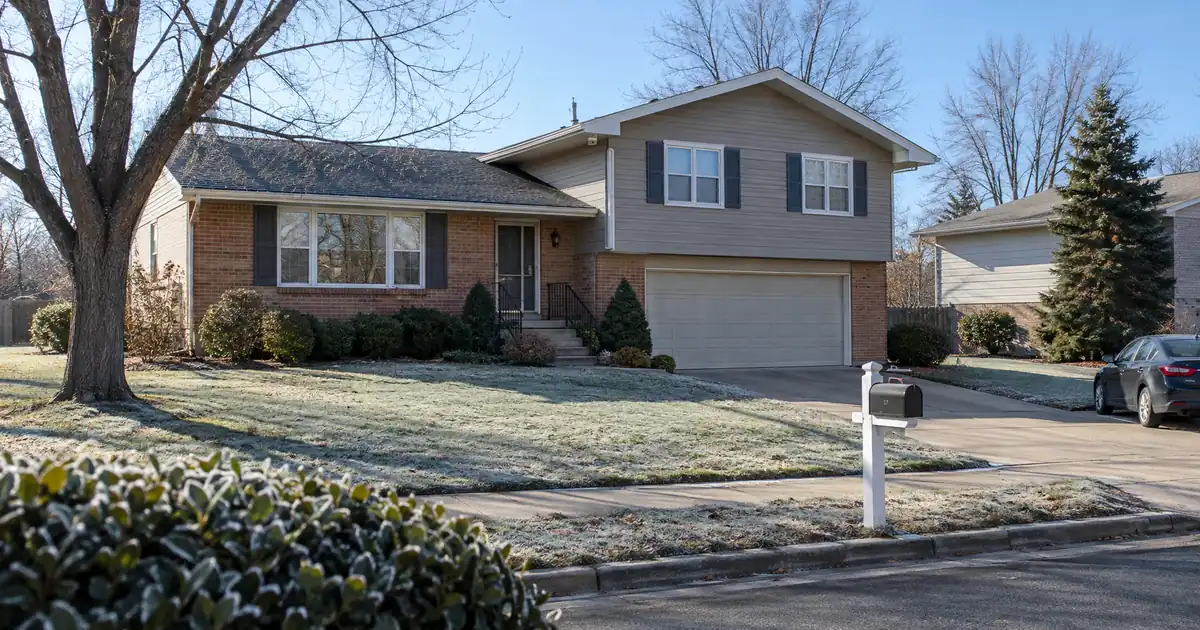
The Quick Read: A lender treats an inherited rental as a new loan on a property the heir now owns, so the file turns on recorded title, a fresh appraisal, and rent coverage of the full monthly payment. Inheritance does not skip underwriting. It changes how ownership is documented.
- Recorded title in the heir’s name (or an acceptable entity) comes first, before leases or rent.
- Cash-out on a standard rental tops out around 75% LTV across most of the network.
- Value and market rent come from the new appraisal, not from the tax basis.
- About 6 months of seasoning is the common expectation, and lenders measure it from title recording.
- Rent coverage, credit, and reserves are still tested like any other cash-out. These specifics are subject to lender guidelines and a full review of property, leverage, and credit.
What Is a Cash-Out Refinance on an Inherited Rental?
It is a new loan that pays off any existing lien on the inherited property and returns part of the equity as cash. The lender treats the heir as the borrower on a new transaction, not as someone stepping into the old file.
DSCR Cash-Out Calculator
Run the cash-out numbers in your market
Rate source: Freddie Mac 30-yr average via FRED® — Federal Reserve Bank of St. Louis · effective Oct 15, 2026
Prefilled with starting assumptions — enter your property’s value, balance, taxes, and insurance for a more accurate picture.
Program parameters update from Lendmire’s centralized guideline source. Taxes and insurance are editable estimates.
As of Oct 15, 2026 · General Freddie Mac market benchmark, not a Lendmire loan offer. Property value, balance, taxes, and insurance are editable estimates. Maximum loan-to-value varies by lender, program, property type, and seasoning. Not a Loan Estimate, approval, or commitment to lend. Program availability and eligibility are subject to lender guidelines, credit approval, property review, and underwriting.
The loan is reviewed primarily on property-level rental income covering the payment, subject to lender guidelines. DSCR loans are designed for non-owner-occupied investment properties. Because they are business-purpose investor loans, they are reviewed differently from a standard owner-occupied mortgage.
Cash-out here is sized on the new appraised value. The heir’s stepped-up tax basis is a tax concept. Per IRS Publication 551, inherited property basis is generally the fair market value at the date of death, not the decedent’s cost. No lender sizes a loan from that number.
For the wider picture of how these loans work, see the complete DSCR loans guide.
Key Terms Defined
Seasoning: The length of time the borrower has held title before a lender will allow cash-out.
DSCR: Monthly rent divided by the full monthly payment of principal, interest, taxes, insurance, and association dues.
PITIA: The full monthly obligation: principal, interest, taxes, insurance, and association dues.
LTV: The loan amount divided by the appraised value.
Letters: The court document that gives an executor or administrator authority to sign for an estate.
Successor in interest: A person who receives an ownership interest in a mortgaged home through a transfer such as inheritance.
How Does Underwriting Treat It, Step by Step?
Underwriting runs in a fixed order, and title comes first. Rent, appraisal, coverage, and reserves only matter once the lender can see who owns the property and who can sign.
1. Authority to sign. If the decedent owned the property personally, someone needs court-issued authority before any document can be signed. Being named executor in a will is not the same thing. If an LLC owned the rental, the operating documents control who signs.
2. Title moves to the heir. This happens by executor’s or administrator’s deed, trust distribution, beneficiary or transfer-on-death deed, or court order. The deed is then recorded. Lenders want to see the recorded deed.
3. Existing mortgage, if there is one. The payoff comes from the servicer. The heir can ask the servicer to confirm them as a successor in interest, which is covered below.
4. Appraisal. A new appraisal sets the value for LTV and the market rent for coverage. Rent schedules come from the appraisal forms for one unit (Form 1007) and for two to four units (Form 1025). These are appraisal forms that DSCR files borrow.
5. Rent evidence. A signed lease and proof that rent is being paid support the income. On a month-to-month or inherited tenancy, expect the lender to ask for the lease, deposit or payment history, and sometimes a tenant estoppel.
6. Coverage. The ratio is rent over the full PITIA. Many programs use the lower of lease rent and appraised market rent. Clearing 1.00 is where the standard program starts. It is not the same as positive cash flow, because repairs, vacancy, management, utilities, and capex sit outside the calculation.
7. Credit and reserves. A 620 floor exists in parts of the network. Most programs want around 660, and 700 or higher opens the strongest leverage tiers. Reserves commonly run about 6 months of PITIA, and about 9 months on loans above $1,500,000. They vary by lender and file.
8. Closing items. Title insurance, hazard insurance in the borrower’s or entity’s name, a guaranty if an entity borrows, and payoff of any lien.
When Does the Seasoning Clock Start?
On most files the clock starts at the recorded deed, not the date of death. About 6 months of ownership is the common expectation for cash-out across the network, measured from title recording. Treatment of inherited property is set lender by lender, and some lenders shorten or waive the period for inheritance.
Nothing in federal rules sets a DSCR seasoning clock for inheritance. A mini-timeline helps:
| Event | Does the clock start? |
|---|---|
| Date of death | Usually no |
| Probate opened | No |
| Letters issued | No |
| Deed recorded in heir’s name | Usually yes |
| Trust distribution deed recorded | Usually yes |
Agency refinance rules treat inherited property differently on seasoning. Do not carry those rules over to a DSCR file. Ask the lender what its own rule says, in writing, before you order the appraisal.
What Does the Title Route Change?
The route the property took to the heir decides what evidence the lender wants and where files stall. Each route produces different paperwork.
| Route | Evidence lenders want | Common hold-up |
|---|---|---|
| Probate, completed | Letters, executor’s deed, recorded | Deed not yet recorded |
| Probate, still open | Letters; deed rarely recorded | Standard cash-out usually wants the deed |
| Trust | Trust certificate, trustee’s deed | Trustee authority unclear |
| Transfer-on-death deed | Death certificate, recorded deed | Recording gap |
| Surviving co-owner | Death certificate, updated title | Title still shows decedent |
| LLC-held rental | Operating agreement, good-standing, resolution | Membership interest, not a deed |
Open probate with no letters is a hard stop. Rent coverage does not fix it, because nobody can sign.
How Does the Existing Mortgage Fit In?
An heir who inherits a mortgaged rental has options beyond refinancing. The CFPB’s definitions describe a successor in interest as someone who receives an ownership interest through specified transfers, and a confirmed successor as one whose identity and interest the servicer has verified. The CFPB servicing guide says these rules reach people who inherit from a spouse, parent, or other relative, or on the death of a joint tenant.
This protects the heir’s standing with the servicer. It does not qualify them for a new loan. A DSCR cash-out is a separate underwriting, and the old loan is simply paid off at closing.
Keeping an inherited loan versus refinancing is a real trade-off. If the existing loan carries terms the heir likes, keeping it may beat a refinance. That is a numbers question for the heir, not a rule.
What About Tenants, Leases, and Rent Evidence?
Rent is evidenced by a lease, proof of payment, and the appraiser’s market rent. Where those differ, the lender usually works from the lower figure.
- Tenanted, written lease: the cleanest file. The lease and payment history support the income.
- Month-to-month: expect more payment history and possibly an estoppel.
- Expiring lease: the appraiser’s market rent matters more.
- Vacant: market rent from the appraisal is the figure.
- Family-occupied or informal: the hardest to document. Without a lease and payment proof, expect the lender to lean on market rent alone.
Inherited rentals are often under-rented or carry deferred maintenance. A gap between in-place rent and appraised market rent moves the coverage ratio, and it can move it either way.
Heirs, Buyouts, and Vesting
When several heirs share title, all of them must cooperate. A sibling buyout through a refinance is generally classified as cash-out, so it falls under the 75% LTV ceiling and the seasoning rule. The keeper-owner takes the loan alone, and the other heirs convey their interest at closing. A neutral appraisal helps keep the buyout number from becoming a family dispute. Lendmire’s piece Investor Cash-Out Refinance Requirements for Inherited Rental Buyouts covers that structure in depth.
Vesting needs sequencing. An LLC can take title at the refinance closing, subject to lender program eligibility. Deeding a still-mortgaged property into an LLC beforehand can risk tripping the old loan’s due-on-sale clause, so confirm the order with counsel. Moving title also creates a new recorded deed, and that can raise a seasoning question on the next file.
Where Does the General Rule Break?
Five edge cases change the answer.
- Open probate. An estate-level or business-purpose loan may exist, but that is a different product. Standard DSCR cash-out usually wants the deed recorded.
- LLC-held rental. What passes at death is a membership interest, not a deed. The lender needs the operating agreement, a good-standing certificate, and a resolution.
- Missing or uncooperative heir. Title cannot clear without them.
- Estate already refinanced. A recent estate-level refinance can raise its own seasoning question.
- Ineligible property. Manufactured homes (single- and double-wide), log homes, and barndominiums are not offered through these programs, however the property was acquired.
For a deeper look at title on a rented property, see Lendmire’s piece Cash-Out Refinance Title Requirements on an Inherited Tenanted Rental.
What Does the Investor Decision Look Like?
The decision is three questions: is title recorded, does the rent cover the payment at 75% LTV or less, and is the cash worth more than the existing loan terms? Terms depend on the lender’s guidelines, the property type, the leverage, and a full review of the credit profile.
Picture an heir who holds a recorded deed on a tenanted duplex with a written lease. The appraisal comes in, and market rent lands close to the lease. If coverage clears 1.00 and the heir has the reserves, the file looks ordinary. Now picture the same duplex with the deed unrecorded. Same rent, same coverage, no file.
Coverage below 1.00 is available through select lenders in the network, with leverage and terms adjusted. No-ratio structures are available only through select lenders, generally for borrowers who already own a primary residence. Both are different paths from a standard 1.00 file.
A larger equity cushion can lower the payment and lift the ratio. It does not erase the 75% cash-out cap, the credit floor, or reserve rules. The strongest files clear both tests: enough equity and enough rental coverage. Cash-out proceeds depend on the appraisal, the payoff, and reserves, so they are never a guaranteed figure. Loans run up to $3,000,000 on standard programs, and the 30-year fixed is the spine, with extended terms and interest-only periods through select lenders. The exact numbers vary by lender and program and follow a full review of property, leverage, and credit.
Tax treatment can depend on how the funds are used and how the property is held; investors should keep clear records and speak with a qualified tax professional before relying on any deduction.
Questions to Bring to a Lender
- What date do you count seasoning from?
- Do you shorten or waive it for inheritance?
- Do you use lease rent or the lower of lease and market rent?
- What do you need if probate is still open?
- Will you lend to an LLC after the deed is recorded?
Frequently Asked Questions
Does the clock start at the date of death?
Usually no. Most lenders measure from the recorded deed, and the rule is lender-specific. About 6 months is the common expectation across the network, and some lenders shorten it for inheritance. Confirm the rule before ordering an appraisal.
Does being the executor let me sign for a refinance?
No. Authority comes from court appointment, shown by letters. A will naming you is not enough. Without that authority, a lender has no one who can sign.
Does the stepped-up basis set how much I can borrow?
No. Basis is a tax figure. The lender sizes the loan on the new appraised value, up to a 75% LTV ceiling on a cash-out for a standard rental. Final terms depend on the lender’s guidelines, the property type, and the borrower’s complete credit picture.
Can I put an inherited rental into an LLC first?
It depends. An LLC can take title at the refinance closing, subject to program terms. Deeding a mortgaged property into one beforehand can risk the old loan’s due-on-sale clause, so sequence it with counsel.
Does inheritance waive credit and reserve requirements?
No. Credit and reserves are tested like any other cash-out. Most programs want a score around 660, and reserves commonly run about 6 months of PITIA.
If you are buying or refinancing a rental property and want to see how the numbers work, Lendmire can help you compare DSCR loan options based on the property income, credit profile, leverage, and investor goals.
For the mechanics of pulling equity out of a rental property, see Lendmire’s guide to cash-out refinance on an investment property.
About Lendmire
Lendmire — NMLS# 2371349 — is a mortgage brokerage specializing in DSCR investor loans, helping arrange financing across 41 markets, including Washington, D.C., through wholesale and investor-lending channels. The model centers on property-level rental income reviewed by the lender rather than W-2 documentation, subject to lender guidelines, suiting entity-owned and multi-property investors. Lendmire holds Scotsman Guide Top Mortgage Workplace recognition for 2025 and 2026.
Get Started
Ready to find the right loan for you?
In about 30 seconds you can review financing options available for your investment property. No commitment required.
Informational only. Not a Loan Estimate, approval, or commitment to lend. Program availability and eligibility are subject to lender guidelines, credit approval, property review, and underwriting.
References
1. IRS Publication 551, Basis of Assets
2. CFPB Regulation X, Section 1024.31 Definitions
This article is part of Lendmire’s investment property cash-out refinance program — full qualification details, guidelines, and scenarios live on the program page.
Related reading: Can a Rental With a Recorded Home Equity Investment Get a DSCR Refinance? · How to Respond When a Rental Cash-Out Refinance Appraisal Comes in Low · Gap Funding vs Money Partner vs Rental Cash-Out for a DSCR Down Payment
Brandon Miller
Founder & CEO, Mortgage Loan Originator, Lendmire LLC
- Mortgage Loan Originator · NMLS# 1129696 · Verify on NMLS Consumer Access
- North Carolina Real Estate Broker · License# 343312 · Verify on NCREC
- North Carolina Insurance Producer · License# 19053198 · Property, Casualty, Life, Health · Verify on NAIC SBS
- Lendmire LLC · Firm NMLS# 2371349 · Verify firm licensure
Required disclosures. Lendmire (NMLS# 2371349) operates as a licensed mortgage broker, not a direct lender or depository. The discussion in this article is general in nature and should not be relied upon as financial, legal, or tax advice — every investment scenario is unique and should be reviewed by a qualified professional. Any loan inquiry is subject to lender underwriting, and this article is not a commitment to lend or a guarantee of approval. Mortgage rates, loan terms, and program guidelines vary by borrower, property, and state, and may change without notice. Equal Housing Opportunity. Verify licensure at NMLS Consumer Access.