
The Quick Read: In a permit-capped market, the short-term-rental projection is conditional upside, and the long-term rent number is the floor that shows whether the loan survives if the permit never comes through. Across the wholesale network, the strongest files clear coverage on both numbers before the offer goes in. A projection only counts when the buyer can legally earn that income.
- Short-term-rental programs typically allow up to 75% LTV on a purchase and about 70% on a cash-out or refinance, subject to lender guidelines.
- Expect a 640+ credit score and about 12 months of hosting history on most short-term-rental files.
- Coverage of 1.00 is where short-term-rental programs start on both purchases and refinances.
- Clearing 1.00 is not the same as positive cash flow. Repairs, vacancy, management, and utilities sit outside the calculation.
- Many cities treat permits as non-transferable, so a seller’s history may not carry over to you.
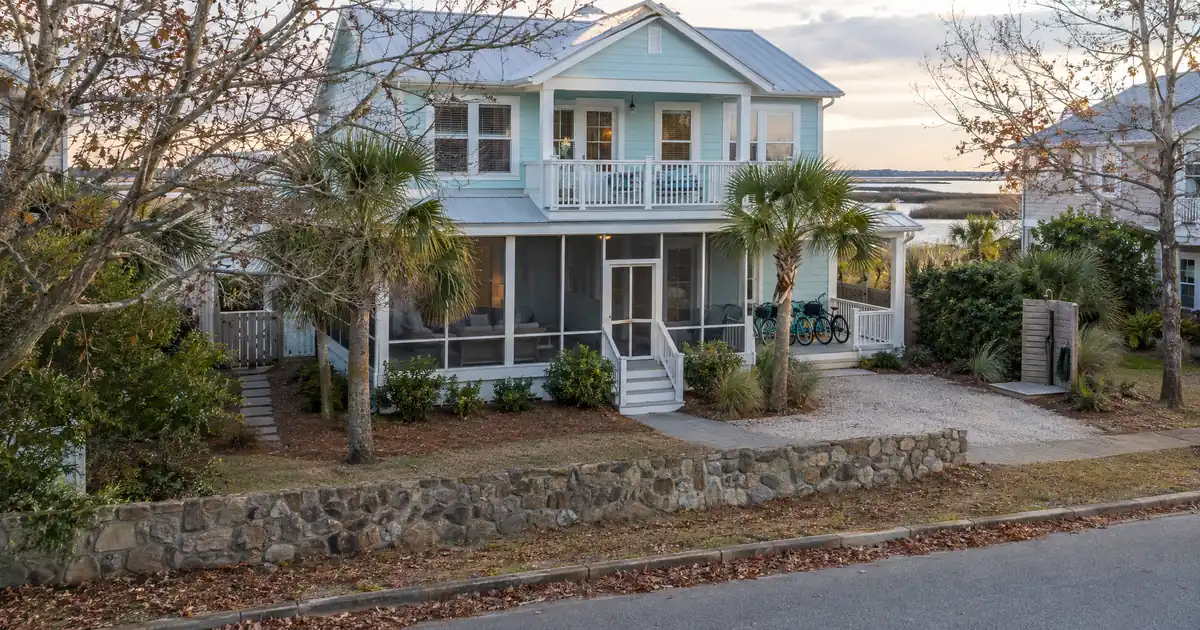
Say you find a duplex in a market that caps licenses. The seller’s listing shows strong vacation income. You do not own a permit, and the city may not issue you one. What do you underwrite? That question is the whole article.
Who Each Option Is Really For
The short-term projection suits a buyer who already holds, or can verify they can obtain, a permit. It also suits one who has hosting history and a property where the legal use is settled. The long-term rent fallback suits a buyer in a capped or uncertain market who wants a loan that still works as a plain rental.
Neither is “better.” They answer different questions. One asks what the property could earn at its best. The other asks what it earns if the best case is off the table.
Side-by-Side
The column for each option reflects how DSCR lending is commonly described across the industry, plus the short-term-rental parameters from the network.
| Factor | STR Projection or History | Long-Term Rent Fallback |
|---|---|---|
| Income basis | Trailing statements or analytics projection | Lease or appraiser’s market rent |
| Typical documents | Platform statements, projection report | Lease, rent schedule appraisal |
| Appraisal form | Varies by program | 1007 (single-family), 1025 (2-4 units) |
| Permit dependence | High: income assumes legal use | Low: works without a permit |
| Hosting history | About 12 months expected | Not expected |
| Purchase LTV (network) | Up to 75% | 75%-80% typical |
| Cash-out LTV (network) | Up to 70% | Around 75% |
| Entity vesting | LLC possible, subject to program terms | LLC possible, subject to program terms |
Timeline and reserve expectations vary by lender, leverage, and loan size, and reserves commonly run around 6 months of PITIA. That is principal, interest, taxes, insurance, and HOA dues, the full monthly housing obligation.
How the Math Actually Works
DSCR stands for debt service coverage ratio. You divide the property’s qualifying monthly income by its monthly PITIA. A result of 1.00 means income equals the obligation. Higher means more cushion.
The only question is which income goes on top. In a capped market, you run it twice. Divide projected short-term revenue by PITIA. Then divide supported long-term rent by the same PITIA. If the file clears on the lower number, the loan survives a lost or denied permit. If it clears only on the higher number, you are betting on a license.
Programs also differ in how they treat projected short-term revenue, from no reduction to a haircut. That treatment belongs to the program, so ask before you price the deal around it.
Why Permit Caps Change the Question
There is no federal short-term-rental law. Lofty’s overview of short-term rental laws notes that legality is decided city by city and sometimes state by state. Short-term rental rules can vary by city, county, HOA, and property type, so investors should confirm local rules before relying on projected rental income.
Caps take several forms. San Diego limits licenses to 1% of housing units, with a separate Mission Beach cap, and uses a lottery when applications exceed the cap, per KPBS reporting on the license cap. Other places limit how many units one owner can hold. Staystra’s analysis of permit caps and ownership limits describes caps that control supply without banning rentals.
For a lender, the point is simple. Once a cap is reached, a projection may describe income you cannot legally collect.
The Permit Usually Does Not Come With the House
This is the trap in capped markets. San Bernardino County says a new owner must submit a new application. Riverside County’s planning office calls certificates non-transferable because they do not run with the land. The Steamboat Springs city FAQ says licenses do not transfer on sale.
So the seller’s income history is evidence of what the property can do. It is not a license. A buyer priced on that history may end up financed on long-term rent only. Moving a property into an LLC after closing can also matter for the permit as well as the title, since Steamboat Springs treats an entity-interest transfer to a non-holder as grounds for a new license. Check the local code first.
When the STR Projection Is the Better Fit
Lead with the short-term number when these conditions line up:
- You hold a permit, or the jurisdiction has a clear path and open capacity for you.
- You can document about 12 months of hosting history, which most short-term-rental programs expect.
- The long-term fallback also clears the program’s coverage floor, so the permit is upside and not a lifeline.
- The property type fits. Single-family and 2-4 unit properties are common. Manufactured homes, log homes, and barndominiums are not offered in the network’s DSCR programs.
- Existing permit holders are the main winners of a cap. Staystra notes that caps tend to favor those who already hold licenses.
In a strong vacation market, the short-term income can be far above long-term rent. A file that would fail on a rent schedule alone may clear on documented short-term income. That is the real case for the projection: it can support a deal the fallback cannot.
When the Long-Term Fallback Is the Better Fit
Lead with long-term rent when any of these apply:
- The permit is wait-listed, lottery-based, or unlikely to be issued to you.
- The seller’s permit ends at closing and you have no license of your own.
- You lack hosting history, which short-term programs expect.
- Local rules are in flux or being litigated.
Here the lender looks at an active lease or the appraiser’s market-rent estimate. That is the 1007 form on a single-family home, or the 1025 on a 2-4 unit property. Underwriting to that floor tells you whether the deal still works as a plain rental.
The fallback is not always a downgrade. In a soft vacation market, long-term rent can be the number that clears. It can also cut the other way: where short-term revenue far exceeds rent, a file can fail coverage on the lower figure. Run both.
Leverage is a separate lever. A larger down payment lowers the payment and can lift coverage. It does not erase credit floors, reserve rules, or property eligibility. Most long-term purchase files land at 75%-80% LTV, and select high-leverage programs reach 85% with roughly a 700+ score. Coverage below 1.00 is available through select lenders in the network, with leverage and terms adjusted. That is a different path from the 1.00 programs, so ask which one you are on. Final terms depend on lender guidelines, property type, leverage, and the borrower’s complete credit picture.
What Brokers See in Capped Markets
Files in capped markets tend to fail on one assumption: that the seller’s permit is the buyer’s permit. The files that hold up usually did the permit work first. They confirmed cap status, asked about wait lists, and priced the property so it could stand as a long-term rental if the license never arrived. Across the wholesale network, that discipline matters more than any single ratio.
Common Mistakes
- Treating the projection as income in hand. It is a market estimate, not a license.
- Reusing short-term expenses on the long-term track. Furnishing, platform fees, and turnover costs differ. Build the fallback with its own expense picture.
- Equating a passing ratio with cash flow. DSCR compares rent to PITIA only.
- Assuming a cap means a ban. Many places limit supply without prohibiting rentals.
A Pre-Offer Checklist
1. Confirm the cap status, wait list, and lottery rules.
2. Confirm whether the permit transfers or must be reapplied for.
3. Compute coverage on the projection and on supported long-term rent.
4. Ask which income basis the program accepts for a buyer with no permit yet.
5. Check your credit, reserves, and leverage against the program tier.
For the program basics, see the complete DSCR loans guide.
Key Terms Defined
DSCR: The property’s qualifying monthly income divided by its monthly PITIA.
PITIA: Principal, interest, taxes, insurance, and association dues, the full monthly housing obligation.
Trailing-12-month statement: A record of the past year of short-term-rental income, often pulled from the booking platform.
Market rent appraisal: An appraiser’s estimate of long-term rent, using form 1007 for single-family or 1025 for 2-4 units.
Non-transferable permit: A license that ends at sale, so the new owner must apply on their own.
A Balanced Verdict
Choose the short-term projection when you hold or can reliably obtain a permit, have hosting history, and the fallback still clears. Choose the long-term fallback when the license is uncertain, because then it is the honest measure of the loan. In a capped market, the safest approach is to underwrite the floor and treat short-term income as the upside. If a deal only works with a permit you do not have, treat that as a reason to slow down.
Frequently Asked Questions
Can a lender count the seller’s short-term income if the permit does not transfer?
Usually not as your income. The seller’s history shows what the property has done, but you may have no legal right to repeat it. Lenders typically look for the buyer’s own path to legal use, subject to program guidelines.
What coverage ratio do short-term-rental loans need?
Network programs start at 1.00 on both short-term purchases and refinances, subject to lender guidelines. Stronger ratios can open better terms and leverage. Coverage below 1.00 runs through select lenders in the network, with leverage and terms adjusted.
How much can I borrow against a short-term rental?
Purchases typically reach up to 75% LTV on the strongest files. Cash-out and refinance loans reach up to 70% on short-term-rental collateral. Expect a 640+ score and about 12 months of hosting experience.
Does passing the long-term rent test mean the property cash flows?
No. DSCR compares rent to PITIA only. Repairs, vacancy, management, utilities, and capital expenses sit outside it. Tax treatment varies; consult a qualified professional.
Can I buy in an LLC?
Often yes, subject to program terms. In some jurisdictions, moving a property into an entity after closing can trigger a new permit, so check local rules.
If you are buying or refinancing a rental property and want to see how the numbers work, Lendmire can help you compare DSCR loan options based on the property income, credit profile, leverage, and investor goals. Brokering through select lenders across 41 markets, including Washington, D.C., it places files subject to lender guidelines, and nothing here is a commitment to lend.
About Lendmire
As a DSCR and non-QM mortgage broker, Lendmire (NMLS# 2371349) connects investors with wholesale lending channels across 41 markets, including Washington, D.C. The property’s rental income, not the borrower’s traditional personal-income documentation, is central to lender review, which works for self-employed operators and portfolios beyond four financed properties. Scotsman Guide named Lendmire a Top Mortgage Workplace in both 2025 and 2026.
Investors focused on short-term rentals can review DSCR loans for Airbnb and short-term rentals.
Get Started
Ready to find the right loan for you?
In about 30 seconds you can review financing options available for your investment property. No commitment required.
Informational only. Not a Loan Estimate, approval, or commitment to lend. Program availability and eligibility are subject to lender guidelines, credit approval, property review, and underwriting.
References
1. Lofty: short-term rental laws
2. KPBS: San Diego short-term rental license cap
3. Staystra: permit caps and ownership limits
4. San Bernardino County STR FAQ
5. Riverside County short-term rental program
This article is part of Lendmire’s short-term rental loan program — full qualification details, guidelines, and scenarios live on the program page.
Related reading: How to Get an STR Projection Report a DSCR Underwriter Accepts · STR vs Mid-Term DSCR Income in a Permit-Capped Market · AirDNA DSCR Lenders vs Long-Term Rent Lenders for the Same Airbnb
Brandon Miller
Founder & CEO, Mortgage Loan Originator, Lendmire LLC
- Mortgage Loan Originator · NMLS# 1129696 · Verify on NMLS Consumer Access
- North Carolina Real Estate Broker · License# 343312 · Verify on NCREC
- North Carolina Insurance Producer · License# 19053198 · Property, Casualty, Life, Health · Verify on NAIC SBS
- Lendmire LLC · Firm NMLS# 2371349 · Verify firm licensure
Disclosure information. Lendmire is a state-licensed mortgage brokerage under NMLS# 2371349. Lendmire is not a depository institution, direct lender, or financial advisor — all loans referenced are placed through wholesale lender partners and are subject to each lender's underwriting standards. This article is provided for general informational purposes and is not a commitment to lend, nor does it constitute financial, legal, or tax advice. Loan programs, terms, rates, and qualification standards change without notice and depend on borrower profile, property type, and the state in which the subject property is located. Equal Housing Opportunity provider. NMLS Consumer Access: nmlsconsumeraccess.org.