
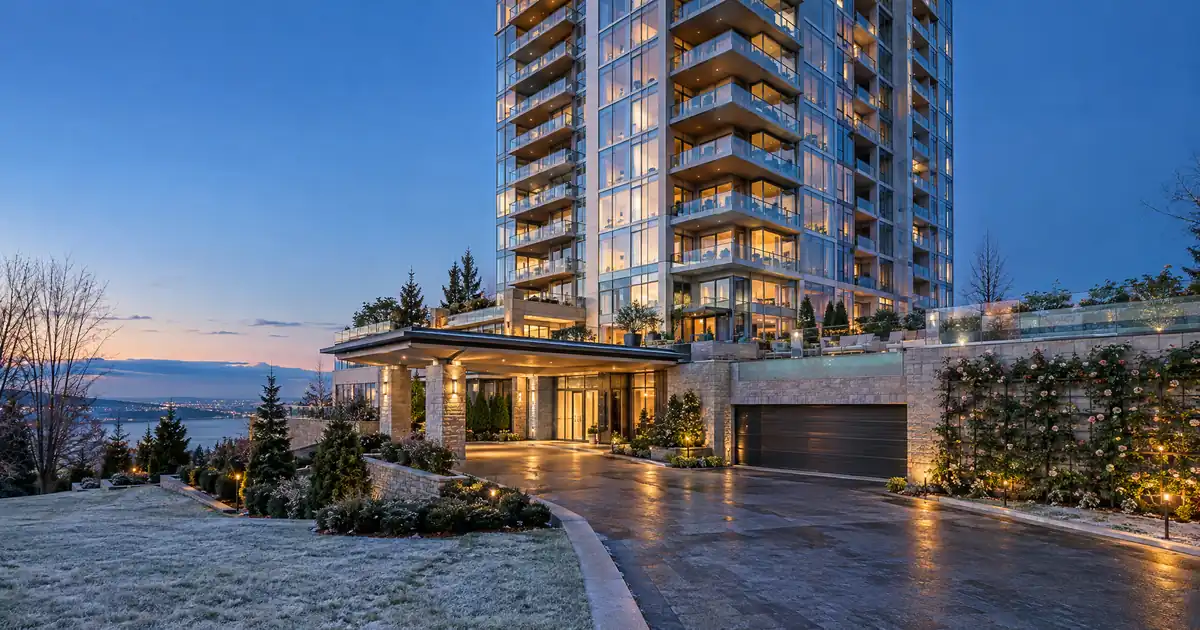
The Quick Read: A luxury tower condo bought as a rental typically needs about 20% down through select wholesale non-QM programs at the smaller loan sizes, about 25% from $1,000,000 to $3,000,000, and 35% or more above that, subject to underwriting, while a bank sets its own condo overlays and usually asks for more cash on an investment unit. The building and the loan size drive the number more than the buyer’s profile does.
- Down payment on a non-QM investment purchase steps up as the loan grows, with higher loan sizes requiring a larger share down, subject to review.
- Qualification runs primarily on the unit’s rental income covering the full carrying cost, subject to lender guidelines.
- HOA dues sit inside the coverage math, and tower dues are heavy.
- A bank keeps full income documentation and its own building rules, which can suit a warrantable tower and a borrower with clean traditional personal-income documentation.
- Non-warrantable towers have a loan ceiling in the network, so very large loans may land with a bank.
Here is the honest answer on who each option is for. Non-QM fits the investor who holds title in an entity, owns several financed properties, or shows income on traditional personal-income documentation that understates real earning power. A bank fits the borrower with strong, simple traditional employment income, a building that passes standard project review, and a relationship with a portfolio lender. Neither is better in the abstract. The deciding variables are the building’s profile, the loan size, and how the borrower documents income.
DSCR Calculator
Run the numbers in your market
Rate source: Freddie Mac 30-yr average via FRED® — Federal Reserve Bank of St. Louis · effective Oct 15, 2026
Prefilled with starting assumptions — enter your own rent or nightly figures, taxes, insurance, and HOA for a more accurate picture.
Program parameters update from Lendmire’s centralized guideline source. Taxes and insurance are editable estimates.
As of Oct 15, 2026 · General Freddie Mac market benchmark, not a Lendmire loan offer. Rent, nightly rate, occupancy, taxes, and insurance are editable estimates. Short-term rental figures are estimates only and vary significantly by season, property type, management approach, and local short-term-rental rules — confirm local regulations before relying on them. Qualifying income for short-term rentals varies by program — some use appraisal market rent, others use documented STR history or projections — and is confirmed in underwriting. Not a Loan Estimate, approval, or commitment to lend. Program availability and eligibility are subject to lender guidelines, credit approval, property review, and underwriting.
Side-by-Side
The table below puts the two paths next to each other. The bank column reflects published industry norms, and individual institutions vary. The non-QM column reflects typical guidelines among select lenders in the wholesale network Lendmire places files with, subject to underwriting.
| Factor | Non-QM / DSCR | Bank (industry norms) |
|---|---|---|
| Review basis | Property rent vs. full carrying cost | Personal income and debt ratios |
| Documentation | Property-level; fewer personal income docs | Traditional personal-income documentation, W-2s, asset statements |
| Building review | Lender sets its own project criteria | Agency-style or bank-set project rules |
| Entity vesting | LLC welcome, program-dependent | Often personal name; varies |
| Reserves | 6 months on subject (12 first-time) | Post-close liquidity; varies |
| Loan size | $150,000 to $10,000,000 | Jumbo portfolio; bank-specific caps |
| Financed-property count | Up to 20 on select programs | Caps on financed properties are common |
| Interest-only option | Up to 120 months, 75% max | Product-dependent |
Key Terms Defined
Non-QM: A loan that sits outside agency purchase rules, so the lender sets its own documentation and leverage standards.
Warrantable condo: A condo project that meets agency project standards, which opens the door to conventional financing.
Non-warrantable condo: A project that fails one or more of those standards. The label describes the building, not the buyer or the unit.
Debt service coverage ratio (DSCR): Monthly rent divided by the full monthly obligation: principal, interest, taxes, insurance, and association dues.
Condotel: A condo unit in a project with hotel-style rental features, which most lenders treat as its own property type.
Super jumbo: A loan balance well above standard jumbo size, which in this program ladder starts to tighten leverage past $1,000,000.
Why a Luxury Tower Gets Flagged
A luxury tower can be a fine building and still fail standard project review. The agency rules list several triggers that high-rises hit often. The Fannie Mae Selling Guide on ineligible projects excludes projects with hotel, resort, or short-term-rental characteristics and units under 400 square feet. It also flags projects where 75% or more of units are investment or second-home, a common profile in resort and luxury towers.
Two more triggers come from the earlier version of the same guide. Commercial space above 35% of a project is a problem, and retail podiums can push a tower toward that line. Single-entity ownership above 20% in projects of 21 or more units is another, which matters in new towers where the sponsor still holds unsold units.
Agency rules do not govern a non-QM loan. They matter as the yardstick behind the warrantable label. A bank that follows them will decline a flagged tower, while a non-QM lender reviews the same building on its own criteria and adjusts leverage instead.
When Non-QM Is the Better Fit
Non-QM is usually the stronger path when the building is flagged, the borrower holds title in an entity, or personal returns do not tell the income story. DSCR loans are designed for non-owner-occupied investment properties. Because they are business-purpose investor loans, they are reviewed differently from a standard owner-occupied mortgage.
Picture an investor with several financed rentals who wants a tower unit in an LLC. A bank may count every property against a debt ratio and a financed-property cap. The network’s select programs qualify the file primarily on whether the unit’s rent covers its payment, subject to lender guidelines, and allow up to 20 financed properties. Entity vesting is welcome, with no layered entities, subject to lender program eligibility, and most programs still ask for a personal guarantee.
Non-QM also handles the building-risk problem more directly. Across the wholesale network, non-warrantable condos are typically available up to 75% leverage and a $1,500,000 loan ceiling. Condotels run to 75% on a purchase and 65% on a refinance, with a $1,500,000 ceiling and $250,000 cash-in-hand. All of it is subject to underwriting.
Short-term rental income is a further reason investors lean this way, with limits. Qualifying income is twelve months of operating history on a refinance, or the appraisal’s rent analysis on a purchase, counted at 80% of gross. The investor must be experienced, coverage must reach 1.00 or higher, and loans stop at $2,000,000. Municipal permission has to be documented for the specific property. Short-term rental rules can vary by city, county, HOA, and property type, so investors should confirm local rules before relying on projected rental income.
Here is where non-QM stops working well. If the building is non-warrantable and the loan needs to sit above the $1,500,000 ceiling, the network path narrows. A bank portfolio program or a larger down payment may then be the practical route. Lendmire’s piece How Much Down a Condotel Requires Under Non-QM vs a Regional Bank covers that hotel-program case in more depth.
When a Bank Is the Better Fit
A bank is often the better fit when the tower is warrantable, the borrower’s documented income is strong, and the unit does not rely on rental income to carry itself. Bank underwriting looks at the whole borrower, so a high earner with a clean file may find the bank path simpler. It also suits someone with one or two properties and no entity structure.
Agency rules offer a useful contrast, even though most luxury towers outgrow them. The Fannie Mae Eligibility Matrix allows 85% maximum leverage on a one-unit investment purchase, which implies roughly 15% down on a qualifying warrantable condo. It drops to 75% on two-to-four-unit purchases and on limited cash-out refinances. That path works only inside conforming loan sizes and only for projects that pass review. Final terms depend on the lender’s guidelines, the property type, and the borrower’s complete credit picture.
Most luxury balances sit above those sizes. NerdWallet notes that jumbo lenders tend to ask for more down because the government-backed agencies cannot guarantee those loans. Bank jumbo programs are portfolio products, so each institution sets its own condo overlays. Expect more cash than a primary residence would need, plus full income documentation.
The flip point is simple. If the borrower’s returns are clean and the tower passes review, the bank may offer a cleaner path with fewer moving parts. If the returns are messy, the building is flagged, or the unit is held in an entity, the bank path tends to get harder, and non-QM becomes the practical lane. A close call is worth running both ways, since the answer depends on how the building scores.
What Moves the Number?
Six levers move the down payment on a non-QM tower purchase. The loan-size ladder is the largest of them.
| Loan size | Max LTV, investment purchase | Down payment | Credit for this leverage |
|---|---|---|---|
| $150,000 to $1,000,000 | 80% | 20% | 660+ |
| $1,000,000 to $1,500,000 | 75% | 25% | 700+ |
| $1,500,000 to $3,000,000 | 75% | 25% | 720+ |
| $3,000,000 to $4,000,000 | 65% | 35% | 700+ |
| $4,000,000 to $6,000,000 | 60%, on review | 40% | 700+ |
Every figure is a ceiling through select wholesale programs at coverage of 1.00 or higher, subject to underwriting. Above $4,000,000 each request is reviewed case by case before submission, and cash-out is not available above $3,000,000.
The other levers matter too. Coverage is the second. A tower unit’s HOA dues enter the denominator, so a building can pass review and still fall short on coverage. Coverage of 1.00 earns full leverage. Coverage from 0.75 to 0.99 is a real path through select lenders up to $2,000,000, but LTV and terms adjust, subject to underwriting. If the number falls short, the choices are more cash down, a lower balance, or a different unit.
Property type is the third lever. A non-warrantable or condotel label caps leverage at 75% and the loan at $1,500,000 in the network. Credit is the fourth. The program floor is 660 at every size, and 700 above $3,000,000 is the super-jumbo overlay. A lower score inside a band takes a lower leverage cell. Interest-only is the fifth, with a 120-month period available up to 75%, qualified at the interest-only payment. Each figure is subject to lender guidelines and a complete review of property type, leverage, and credit.
Reserves are the sixth lever and part of the real cash requirement. Most programs ask for six months on the subject property, or twelve for first-time investors, and cash-out proceeds never satisfy them above $3,000,000. Two appraisals are required above $2,000,000. A buyer should plan for down payment, reserves, and closing costs together rather than just the headline percentage.
Practitioners across this network see the same pattern. Investors often fix on the building’s approval and forget the dues, then find the coverage number is what moves the down payment. Checking the HOA budget and questionnaire before making an offer prevents most of the late surprises.
The Verdict
Choose non-QM when the building is flagged, the title sits in an entity, or personal returns understate income. Expect 20% to 40% down depending on loan size, subject to underwriting, with reserves on top. Choose a bank when the tower is warrantable, the borrower documents income cleanly, and the owner values simplicity over structure. Leverage, reserves, and pricing vary by lender and program; the final terms follow the full file review.
Many investors will price both. The bank may produce a lower cash requirement on a clean file, and non-QM may be the only workable path on a flagged one. For the full program picture, the complete DSCR loans guide is the starting point. Tax treatment can depend on how the funds are used and how the property is held; investors should keep clear records and speak with a qualified tax professional before relying on any deduction.
Frequently Asked Questions
Does every luxury tower count as non-warrantable?
No. Many towers pass standard project review. Retail podiums, a high share of investor-owned units, hotel-style rental programs, and sponsor-held inventory are the usual triggers, and any one of them can flip the label. The label describes the building, so a strong borrower does not change it.
Can short-term rental income help a tower unit qualify?
It can on select programs. Income comes from twelve months of operating history on a refinance or from the appraisal’s rent analysis on a purchase, counted at 80% of gross. Coverage must reach 1.00 or higher, loans stop at $2,000,000, and the investor must be experienced. Many tower HOAs restrict rentals, and permission must be documented for the specific property.
What happens if the loan is above $1,500,000 and the building is non-warrantable?
The network ceiling for non-warrantable condos is $1,500,000 at up to 75% leverage, subject to underwriting. Above that, the options narrow. A bank portfolio program, a larger down payment, or a warrantable tower are the usual alternatives. Terms vary by lender guidelines, property type, leverage, credit profile, and full file review.
Do HOA dues really affect the down payment?
Indirectly, yes. Dues are part of the monthly obligation in the coverage ratio. A high-dues tower can fall below 1.00, and then leverage and terms adjust through select programs or the buyer puts more cash down.
Can the unit be bought in an LLC?
Entity vesting is generally welcome on these programs, subject to lender program eligibility, and layered entities are not accepted. Most lenders still ask for a personal guarantee. A bank may handle entity ownership differently.
Next Step
If you are buying or refinancing a high-balance rental property and want to see how the numbers work, Lendmire can help you compare super jumbo DSCR loan options based on the property income, the loan balance, credit profile, leverage, and investor goals. Reach the team at 828-256-2183 or request a quote through Lendmire’s direct quote page. All terms are subject to underwriting and are not a commitment to lend.
For current guidelines and terms, see Lendmire’s super jumbo DSCR loan programs page.
Lendmire’s self-employed mortgages page presents both super jumbo programs, bank statement and DSCR, side by side.
About Lendmire
Lendmire (NMLS# 2371349) is a mortgage brokerage focused on DSCR investor financing, helping arrange programs through wholesale and investor-lending channels in 41 markets, including Washington, D.C. DSCR loans are evaluated by the lender on property cash flow rather than personal income, subject to lender guidelines, supporting LLC closings and accommodating investors with four or more financed properties. Scotsman Guide Top Mortgage Workplace in both 2025 and 2026.
Get Started
Ready to find the right loan for you?
In about 30 seconds you can review financing options available for your investment property. No commitment required.
Informational only. Not a Loan Estimate, approval, or commitment to lend. Program availability and eligibility are subject to lender guidelines, credit approval, property review, and underwriting.
References
1. Fannie Mae Selling Guide B4-2.1-03 Ineligible Projects
2. Fannie Mae Selling Guide B4-2.1-03 (earlier version)
3. NerdWallet: How Much Down Payment for a House
This article is part of Lendmire’s super jumbo DSCR loan program — full qualification details, guidelines, and scenarios live on the program page.
Related reading: Super Jumbo DSCR vs Regional Bank Condo Loan for a Portfolio Investor · IO vs Fully Amortizing DSCR on a Luxury Rental · Desk vs Field vs Second Appraisal on a Luxury Tower Condo DSCR
Brandon Miller
Founder & CEO, Mortgage Loan Originator, Lendmire LLC
- Mortgage Loan Originator · NMLS# 1129696 · Verify on NMLS Consumer Access
- North Carolina Real Estate Broker · License# 343312 · Verify on NCREC
- North Carolina Insurance Producer · License# 19053198 · Property, Casualty, Life, Health · Verify on NAIC SBS
- Lendmire LLC · Firm NMLS# 2371349 · Verify firm licensure
Compliance and disclosures. Lendmire (NMLS# 2371349) is a licensed mortgage broker and is not a direct lender, depository institution, financial advisor, or tax professional. Content in this article is general market analysis and educational information — not financial, legal, or tax advice for any specific situation. Lendmire does not guarantee loan approval; every transaction is subject to underwriting by the funding lender. Mortgage pricing and loan program guidelines are subject to change at any time without notice and vary by borrower characteristics, property type, and state regulations. Lendmire complies with Equal Housing Opportunity. Licensure verification: NMLS Consumer Access.